Best Pesto Grilled Cheese: Ultra Crispy

- Time: Active 5 minutes, Passive 10 minutes, Total 15 minutes
- Flavor/Texture Hook: Herbaceous, buttery, and incredibly crunchy
- Perfect for: A fast but fancy feeling lunch
- Why This Sandwich Hits Different
- Bread and Cheese Selection Science
- Essential Tools for Golden Toasting
- Ingredients & Substitutes
- Mastering the Stovetop Toasting Process
- Solving Common Grilled Cheese Issues
- Creative Pesto Sandwich Flavor Twists
- Proper Storage and Reheating Methods
- The Best Sides for Pesto
- Debunking Sandwich Myths
- Proper Storage and Reheating Methods
- The Best Sides for Pesto
- Recipe FAQs
- 📝 Recipe Card
The moment that butter hits the cast iron and starts to sizzle, you know something good is happening. I remember the first time I tried adding pesto to a standard melt; it was a rainy Tuesday, and I was scavenging the fridge for literally anything with flavor.
I had half a jar of basil pesto and some sourdough that was just starting to get a bit firm. When I pressed those slices together and the aroma of toasted garlic and basil filled the kitchen, I knew I could never go back to plain cheddar again.
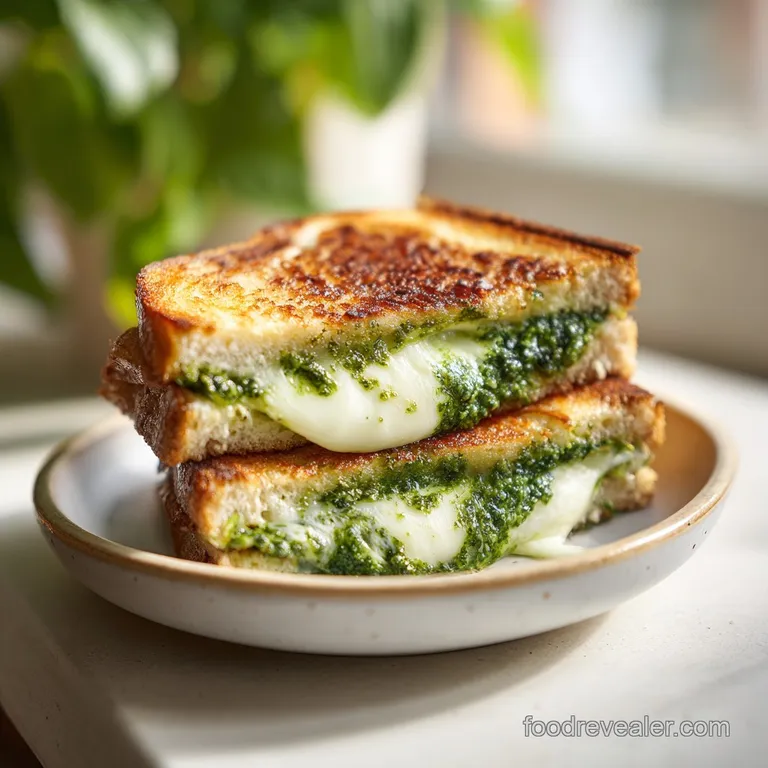
There is something almost therapeutic about watching the cheese slowly lose its shape and begin to ooze out the sides, hitting the hot pan and forming those little crispy "cheese skirts." It's not just a sandwich, it's a texture experience.
We’ve all had those sad, soggy grilled cheeses where the bread is limp and the middle is cold, but we are leaving those in the past. This version is all about structural integrity and high impact flavor.
What we are aiming for here is a sandwich that makes a distinct "crrr ack" sound when you cut it on the diagonal. It’s a bold claim, but once you master the balance of fat and heat I’m about to show you, you’ll be the designated sandwich maker in your house forever.
Let’s get that pan preheating and talk about why this specific combo works so well.
Why This Sandwich Hits Different
We have all been there, standing over a pan hoping the cheese melts before the bread turns into a charcoal briquette. This recipe succeeds because it treats the bread, the fat, and the filling as three distinct engineering challenges.
It's not just about slapping things together; it's about managing moisture and heat distribution to ensure the center is molten while the outside stays rigid enough to hold the weight of the pesto.
- Protein Fat Emulsion
- Using a mix of mayo and butter on the exterior leverages egg proteins for more even browning than fat alone.
- Moisture Barrier
- Placing the pesto between two different cheese layers prevents the oil from soaking directly into the sourdough.
- Structural Sourdough
- The tight crumb and natural acidity of sourdough provide a sturdy foundation that doesn't collapse under the weight of the mozzarella.
- Conductive Heat
- Using a heavy skillet allows for a steady, low intensity heat that penetrates the thick bread slices without scorching the surface.
| Bread Thickness | Pan Temp | Toast Time | Visual Cue |
|---|---|---|---|
| 1.5 cm | Medium Low | 4 mins / side | Deep mahogany brown |
| 2 cm | Medium Low | 5 mins / side | Cheese bubbles at edges |
Every choice in this recipe, from the specific cheese blend to the pinch of garlic powder in the crust, serves a purpose. If you’ve ever found that a Spinach Tomato Pasta recipe hits the spot because of that herbaceous kick, you’ll find a very similar satisfaction here. The provolone brings the salt, the mozzarella brings the pull, and the pesto brings the soul.
Bread and Cheese Selection Science
Selecting the right components is half the battle when you're making the best pesto grilled cheese. You need ingredients that can stand up to the heat without losing their identity. If you use a bread that is too soft, the pesto oil will turn it into a sponge.
If you use a cheese that is too oily, you'll end up with a greasy mess on your plate.
| Component | Science Role | Pro Secret |
|---|---|---|
| Mayonnaise | Maillard Catalyst | Egg proteins create even browning |
| Sourdough | Structural Integrity | Large crumb traps pockets of pesto |
| Provolone | Flavor Anchor | Adds saltiness that mozzarella lacks |
| Fresh Mozzarella | The "Pull" Factor | High moisture creates velvety melt |
You might be tempted to use just mozzarella, but trust me on this, you need the provolone. Mozzarella is great for that Instagram worthy cheese pull, but it’s actually quite mild, almost bland when melted alone. The sharp provolone acts as the seasoning for the mozzarella.
It’s a partnership that ensures every bite is as flavorful as it is gooey.
Essential Tools for Golden Toasting
You don't need a professional kitchen, but a few specific tools will make your life much easier. I always reach for my cast iron skillet for this. The heat retention is unmatched, which is vital when you’re trying to melt 2 oz of fresh mozzarella through thick sourdough.
If you don't have cast iron, a heavy bottomed stainless steel pan is your next best bet.
A wide, flat spatula is also non negotiable. You want to be able to support the entire sandwich when you flip it. There is nothing more tragic than a sandwich falling apart mid air because the spatula was too small. Finally, a lid.
It sounds like a cheat, but using a lid for just sixty seconds is the secret to a perfect melt without burning your crust.
Ingredients & Substitutes
To make this version of the best pesto grilled cheese, you'll need the following items exactly as measured. I've spent a lot of time testing these ratios to make sure the pesto doesn't overwhelm the bread.
- 2 thick slices sourdough bread (approx. 90g): Why this? Provides the crunch and acidity needed to balance heavy fats.
- 2 tbsp high-quality basil pesto (30g): Why this? Delivers concentrated herb and garlic flavor in every bite.
- 2 oz fresh mozzarella, sliced and patted dry (56g): Why this? Creates the signature velvety texture and cheese pull.
- 1 oz sharp provolone cheese, shredded (28g): Why this? Adds a necessary salty punch and helps the melt.
- 1 tbsp salted butter, softened (14g): Why this? For that classic dairy flavor on the crust.
- 1 tbsp real mayonnaise (15g): Why this? Prevents sticking and ensures a perfectly even, golden color.
- 1 pinch garlic powder: Why this? A tiny hint of flavor that makes the crust taste like garlic bread.
Easy Component Swaps
| Original Ingredient | Substitute | Why It Works |
|---|---|---|
| Sourdough | Ciabatta Slices | Similar airy structure. Note: Toasting takes longer due to moisture |
| Fresh Mozzarella | Low Moisture Mozzarella | Melts faster and is less likely to make bread soggy |
| Basil Pesto | Sun dried Tomato Pesto | Swaps herbal notes for umami rich sweetness |
Using high-quality ingredients here really matters. Since there are only a handful of components, each one needs to pull its weight. If you're feeling adventurous, you could even pair this with a Pasta Salad for recipe for a full patio style lunch. The acidity in a good pasta salad cuts right through the richness of the melted provolone.
Mastering the Stovetop Toasting Process
Phase 1: Preparing the Crust and Layers
- Mix the spread. Combine 1 tbsp salted butter with 1 tbsp mayonnaise and a pinch of garlic powder in a small bowl until smooth.
- Prep the bread. Spread the butter mayo mixture evenly on one side of each sourdough slice. Note: This is the side that touches the pan.
- Layer the base. Place one slice of bread, butter side down, on a clean surface and top with 1 oz shredded sharp provolone.
- Apply the pesto. Spread 2 tbsp basil pesto carefully over the provolone. Note: Keeping pesto in the middle prevents it from leaking out.
- Add the mozzarella. Lay 2 oz of sliced, patted dry mozzarella over the pesto layer.
- Close the sandwich. Place the second slice of sourdough on top, butter side facing up.
Phase 2: Achieving the Golden Sear
- Heat the pan. Place your skillet over medium low heat and let it warm up for 2 minutes.
- Start the sizzle. Place the sandwich in the pan. Cook 4 minutes until the bottom is mahogany brown and the bread feels firm.
- The flip. Carefully slide your spatula under the sandwich and flip it in one swift motion.
- Final melt. Cook the second side for another 4 minutes until the cheese is bubbling and the bread is shatter crisp.
Chef's Tip: If your cheese isn't melting fast enough, place a lid over the pan for the last 60 seconds of cooking. The trapped steam will finish the melt instantly without softening the crust too much.
Solving Common Grilled Cheese Issues
Why Your Bread Is Soggy
This usually happens because of the moisture in the fresh mozzarella or the oil in the pesto. Fresh mozzarella is packed in water, and if you don't pat it dry with paper towels, that water will steam the bread from the inside out. Similarly, if the pesto is too oily and touches the bread directly, it will soak in.
Always "sandwich" your pesto between layers of cheese to create a fat barrier.
Why the Center Is Cold
If you have a beautiful brown crust but the mozzarella is still firm in the middle, your heat is too high. Grilled cheese is a "low and slow" game. Thick sourdough takes time to conduct heat to the center. Lower the flame and be patient.
| Problem | Root Cause | Solution |
|---|---|---|
| Burnt bread | Heat too high | Reduce flame to medium low immediately |
| Greasy exterior | Too much butter | Use a 1:1 ratio of mayo and butter |
| Cheese won't pull | low-fat cheese | Always use full fat mozzarella and provolone |
Common Mistakes Checklist
- ✓ Don't forget to pat the mozzarella dry; excess moisture is the enemy of crunch.
- ✓ Never use cold butter; it will tear your bread and spread unevenly.
- ✓ Avoid "pre shredded" cheese in bags; the cellulose coating prevents a smooth melt.
- ✓ Use a heavy pan; thin pans create hot spots that burn the bread.
- ✓ Give it a rest; let the sandwich sit for 60 seconds before slicing so the cheese sets.
Creative Pesto Sandwich Flavor Twists
Once you have the base recipe down, you can start playing with the profile. I often make a Tomato Pesto Grilled Cheese by adding thin slices of Roma tomatoes inside. If you do this, make sure to de seed the tomatoes first, or you'll introduce way too much liquid into the sandwich.
The Spicy Italian Twist
Add a few slices of spicy salami or pepperoni between the pesto and the mozzarella. This adds a salty, meaty kick that transforms the sandwich from a light lunch into a heavy dinner. You can also swap the garlic powder in the crust for a pinch of red pepper flakes if you want the heat on the outside.
gluten-free Adaptation
You can absolutely make this with gluten-free bread. Look for a "sturdy" gluten-free loaf, as many tend to crumble. I find that gluten-free bread actually browns faster because of the different sugar structures, so you might need to drop the heat even further.
| Method | Time | Texture | Best For |
|---|---|---|---|
| Stovetop | 10 mins | Very crispy | Ultimate flavor & texture |
| Oven (400°F) | 12 mins | Evenly toasted | Making 4+ sandwiches at once |
| Air Fryer | 8 mins | Shatter crisp | Quick single servings |
Proper Storage and Reheating Methods
If you happen to have half a sandwich left over, don't just throw it in the microwave. Microwaves turn sourdough into rubber. Instead, wrap the cooled sandwich in foil and keep it in the fridge for up to 2 days. To reheat, place it back in a dry skillet over low heat for about 3 minutes per side.
This will bring the crunch back to life.
For zero waste, if you have tiny amounts of pesto or cheese left over, don't toss them! Mix the leftover pesto with a little bit of mayo to make a dipping sauce for the sandwich crusts.
If you have extra sourdough scraps, toss them in the pan with the leftover butter mayo mix to make "grilled cheese croutons" for a salad later that day.
The Best Sides for Pesto
While this sandwich is a star on its own, it loves a good supporting cast. A simple arugula salad with a squeeze of lemon and a drizzle of olive oil is my go to. The peppery bite of the arugula cuts through the richness of the provolone and mozzarella perfectly.
If it's a colder day, a classic tomato bisque is the obvious choice. The acidity of the tomato soup dances perfectly with the basil in the pesto. You can even dip the corners of the sandwich into the soup for that ultimate comfort food experience.
Whatever you choose, keep it simple so the flavors of the basil and the sourdough remain the main event.
Debunking Sandwich Myths
Myth: Butter is always better than mayo for toasting. Truth: While butter adds great flavor, mayo has a higher smoke point and contains egg solids that facilitate a much more even Maillard reaction.
Using a 50/50 blend gives you the best of both worlds: the flavor of butter and the perfect golden crust of mayo.
Myth: You should press the sandwich down as hard as possible. Truth: Pressing too hard squishes the air out of the sourdough and can force the pesto to leak out the sides before the cheese has a chance to melt. A gentle press with the spatula to ensure contact is all you need.
Myth: High heat makes the cheese melt faster. Truth: High heat only cooks the surface. To get a truly molten center with thick cut bread, you need gentle, consistent heat. If you rush it, you'll end up with burnt bread and a cold, solid block of cheese in the middle.
Proper Storage and Reheating Methods
Storage: You can store this grilled cheese in the fridge for up to 2 days. I recommend wrapping it tightly in parchment paper or foil once it has cooled down. This prevents the bread from absorbing too many odors from the fridge while keeping the structure intact.
Zero Waste: If you find yourself with extra pesto at the bottom of the jar, don't let it go to waste. Use the "dregs" to toss with some warm pasta the next day or mix it into scrambled eggs.
For the bread crusts that kids might leave behind, you can pulse them in a blender to make savory, pesto flavored breadcrumbs that are incredible on top of baked mac and cheese.
The Best Sides for Pesto
Arugula & Lemon Salad: A simple bed of greens is the best way to lighten up this heavy meal. The sharpness of the arugula mirrors the bite of the sourdough, while a lemon vinaigrette cleanses the palate between cheesy bites.
Classic Tomato Bisque: There is a reason this is a timeless pairing. The sweetness of roasted tomatoes is the perfect foil for the salty provolone and herbaceous basil. If you're looking for a more adventurous pairing, try serving this alongside my Cowboy Caviar Dip recipe for a fun, eclectic lunch spread. The fresh beans and corn provide a nice textural contrast to the crunchy bread.

Recipe FAQs
Is pesto good on grilled cheese?
Yes, pesto elevates grilled cheese significantly. It swaps the standard fatty richness for a bright, herbaceous, and garlicky punch that cuts through the cheese beautifully.
What cheese pairs well with pesto?
A blend of Mozzarella and Provolone works best. Mozzarella delivers that essential gooey texture, while the sharp provolone provides the necessary salt and flavor anchor to stand up to the strong pesto.
What did Gordon Ramsay put in his grilled cheese?
Ramsay famously uses high-quality aged Cheddar and Gruyère. He emphasizes using cheese that is freshly grated, avoiding pre-shredded varieties which contain anti caking agents that inhibit smooth melting.
What kind of cheese goes on a pesto sandwich?
Use a good melting cheese mixed with a sharp, flavorful cheese. We recommend fresh mozzarella for the pull and sharp provolone for flavor; remember to always pat the fresh mozzarella dry first to prevent a soggy crust.
How do I prevent my sourdough bread from becoming soggy from the pesto oil?
Create a cheese barrier between the pesto and the bread. Layer the cheese directly onto the bread first, then spread the pesto on top of that cheese, allowing the melting cheese to absorb any excess oil.
How do I get that shatteringly crisp, perfectly golden crust?
Spread a 1:1 mixture of softened butter and real mayonnaise on the exterior. The egg proteins in the mayo ensure extremely even browning across the surface, a technique you can also use when searing for perfect texture in a Yellow Rice Recipe.
Is it true that you should cook grilled cheese on high heat for speed?
No, this is a common misconception that ruins melts. Cooking on medium low heat allows the thick bread to conduct heat slowly, ensuring the interior cheese is fully molten before the exterior burns.
Best Pesto Grilled Cheese
Ingredients:
Instructions:
Nutrition Facts:
| Calories | 432 calories |
|---|---|
| Protein | 14.2g |
| Fat | 28.9g |
| Carbs | 27.1g |
| Fiber | 1.4g |
| Sugar | 1.9g |
| Sodium | 675mg |
