Easy Focaccia Bread Recipe

- Time: Active 25 minutes, Passive 2 hours 45 mins, Total 3 hours 10 mins
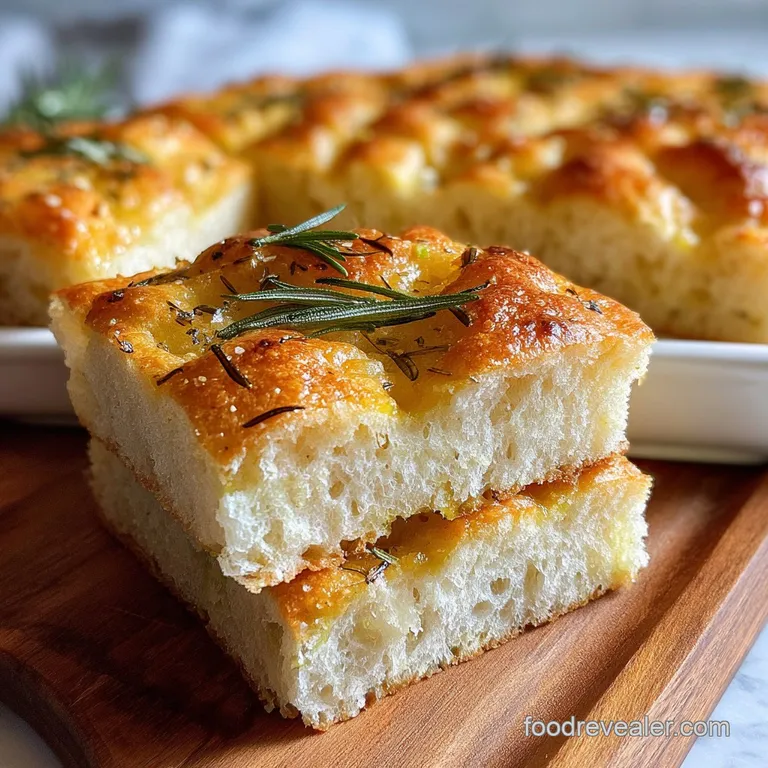
- Flavor/Texture Hook: Airy, olive oil soaked crumb with a crispy, sea salt-crusted exterior
- Perfect for: Stress free weekend baking, beginner bread makers, or a crowd-pleasing dinner side
- Unlocking the Flavors of This Easy Focaccia Bread Recipe
- The Science of the Dimple
- Analyzing the Components of Great Bread
- Essential Timing for This Rustic Bread Recipe
- Tools Required for a Crispy Golden Crust
- Step by Step Guide to Baking Focaccia
- Avoiding Common Mistakes in Your Home Kitchen
- Adjusting for Different Pan Sizes
- Flour Choices and Texture Myths
- Keep Your Bread Fresh and Savor Leftovers
- Ways to Serve and Pair Your Focaccia
- Recipe FAQs
- 📝 Recipe Card
Unlocking the Flavors of This Easy Focaccia Bread Recipe
There is a specific, intoxicating sound that happens when you pull a fresh tray out of the oven. It is the rhythmic sizzle of extra virgin olive oil bubbling against the hot metal pan, frying the bottom of the dough into a golden, crackling crust.
I remember the first time I tried making a focaccia bread recipe; I treated it like standard sandwich bread and ended up with something as dense as a brick. It was heartbreaking, but it taught me that this dough doesn't want to be manhandled - it wants to be hydrated and left alone.
Now, my kitchen smells like a Tuscan villa every Sunday because I finally figured out that the secret isn't in the kneading. It's in the patience and the oil. We're going for a dough that feels more like a thick batter than a stiff ball.
When you press your fingers into the surface to create those iconic dimples, the dough should feel velvety and alive, bouncing back just enough to hold onto little pools of liquid gold and roasted garlic.
You don't need a fancy stand mixer or years of experience to master this easy focaccia bread recipe. Whether you are looking for a quick focaccia recipe no rise (well, a shorter rise!) or a reliable easy focaccia recipe same day, this method delivers that elusive, honeycomb internal structure.
We are going to lean into the moisture and let the oven do the heavy lifting while we enjoy the aroma of rosemary and garlic wafting through the house.
The Science of the Dimple
Hydration Tension: The high water content creates steam during baking, which pushes against the gluten network to form large, airy pockets.
Starch Gelatinization: Adding a water and oil brine to the surface keeps the top crust moist longer, allowing the bread to expand fully before the crust sets and shatters.
Maillard Acceleration: The small amount of honey provides simple sugars that react with the flour's proteins, resulting in a deep mahogany color and complex toasted notes.
| Premium Ingredient | Budget Alternative | Flavor Impact | Savings |
|---|---|---|---|
| Extra Virgin Olive Oil | Sunflower Oil + 1 tsp Butter | Less fruity/peppery, but still creates a crispy base | Save $4.00-6.00 |
| Fresh Rosemary Sprigs | Dried Rosemary (crushed) | Woodier flavor; lacks the bright, piney aroma of fresh | Save $2.00-3.00 |
| Flaky Sea Salt | Coarse Kosher Salt | Less "crunch" factor but provides the necessary salt pop | Save $3.00-5.00 |
Finding ways to save in the kitchen is a hobby of mine, especially when things like oil prices fluctuate. While high-quality olive oil makes a difference in the final taste, you can certainly use a neutral oil for the bulk of the dough and save the good stuff for the finishing drizzle.
This keeps the recipe accessible without sacrificing the texture we all crave.
Analyzing the Components of Great Bread
| Ingredient | Science Role | Pro Secret |
|---|---|---|
| Bread Flour (500g) | High protein content (12-14%) builds a strong gluten wall to trap gas bubbles. | Use a scale; volume measurements for flour are notoriously inaccurate for high hydration doughs. |
| Instant Yeast (7g) | Fermentation agent that converts sugars into CO2 for that signature rise. | Check the expiration date; if your yeast is old, this no knead focaccia recipe will fall flat. |
| Honey (10g) | Feeds the yeast quickly and promotes a beautiful, even browning on the crust. | Lightly grease your measuring spoon with oil first so the honey slides right off. |
| Warm Water (420ml) | Hydrates the flour and activates the yeast at 105°F-110°F. | Use filtered water if your tap water smells strongly of chlorine, as it can inhibit yeast growth. |
Essential Timing for This Rustic Bread Recipe
This is an easy focaccia recipe instant yeast users will love because it moves relatively quickly compared to sourdough versions. You will need 500g bread flour and 420ml warm water (heated to exactly 105°F-110°F).
For the lift, we use 7g instant yeast and 10g honey, balanced with 10g fine sea salt. The fat comes from 60ml extra virgin olive oil, which we will divide between the dough and the pan.
For the aromatic topping, grab 2 sprigs of fresh rosemary with the leaves stripped and 3 cloves of garlic, thinly shaved. We finish the bake with 1 tbsp flaky sea salt and a clever 1 tbsp water for the brine. If you find yourself out of honey, 10g of granulated sugar is a fine substitute.
If you only have all purpose flour, it works, but the crumb will be slightly less chewy and more tender.
Chef's Tip: To get those garlic slices paper thin without a mandoline, use a sharp vegetable peeler. It creates translucent "chips" that melt into the dough rather than burning.
Tools Required for a Crispy Golden Crust
You don't need a bread machine for this easy focaccia bread recipe, but a few basics help. A large glass mixing bowl is best for watching the rise. You will also need a 9x13 inch metal baking pan; metal conducts heat better than glass or ceramic, which is the key to that fried bottom texture.
A bowl scraper or a sturdy silicone spatula makes handling the sticky dough much easier.
I usually serve this alongside a hearty bowl of soup to make it a full meal. This bread pairs perfectly with a warm Matzo Ball Soup recipe when you want that ultimate comfort food experience. The airy bread is basically a sponge for the savory broth.
step-by-step Guide to Baking Focaccia
- Activate the yeast. Whisk 420ml warm water, 7g instant yeast, and 10g honey in a small bowl until the mixture looks foamy and smells like beer. Note: This ensures your yeast is alive before you commit your flour.
- Mix the dough. Combine 500g bread flour and 10g fine sea salt in a large bowl, then pour in the yeast mixture and 30ml olive oil.
- Hydrate the flour. Stir with a spatula until a shaggy, very sticky dough forms with no dry flour streaks remaining.
- Perform the first rise. Cover the bowl with a damp cloth and let it rest in a warm spot for 1 hour 30 mins until the volume has doubled.
- Prepare the pan. Pour the remaining 30ml olive oil into your 9x13 pan, coating the bottom and sides thoroughly.
- Transfer and fold. Gently tip the dough into the pan and fold it over itself once. Note: This builds internal strength without heavy kneading.
- Perform the second rise. Let the dough rest in the pan, uncovered, for 45 minutes until it naturally spreads to the edges.
- Dimple the surface. Dip your fingers in water and press deeply into the dough until you feel the bottom of the pan.
- Add the brine. Whisk 1 tbsp water with a drizzle of oil and pour over the top, then sprinkle on the garlic, rosemary, and 1 tbsp flaky salt.
- Bake the bread. Place in a 425°F oven for 25 minutes until the top is mahogany brown and the bottom is crisp.
Avoiding Common Mistakes in Your Home Kitchen
If your bread feels heavy, it's usually a hydration issue. Most people are afraid of sticky dough and add too much extra flour. Resist that urge! A fluffy focaccia recipe requires that high moisture content to create the steam that puffs the bread up.
If you find the dough is resisting you during the second rise, just give it 10 more minutes to relax.
Why Your Focaccia Is Dense
A dense crumb is almost always caused by under proofing or killing the yeast with water that is too hot. If your kitchen is cold, your dough might need an extra 30 minutes to reach that "doubled" look. Don't rush the process; the yeast works on its own timeline, not yours.
| Problem | Root Cause | Solution |
|---|---|---|
| Dough won't rise | Yeast was expired or water was too hot (>120°F) | Always bloom yeast in warm water first to check for bubbles. |
| Bottom is soggy | Not enough oil in the pan or used a glass dish | Use a dark metal pan and don't be shy with the 30ml of oil. |
| Garlic is burnt | Slices were too thick or oven has hot spots | Shave garlic paper thin and rotate the pan halfway through. |
Common Mistakes Checklist
- ✓ Never skimp on the olive oil; it is a primary flavoring, not just a non stick agent.
- ✓ Use a thermometer to check your water temp; 110°F feels like a warm bath, not hot.
- ✓ Don't forget the water brine; it's the secret to those soft, moist dimples.
- ✓ Allow the bread to cool for at least 15 minutes before slicing to let the structure set.
- ✓ Avoid using a glass pan if you want a truly crispy, fried bottom crust.
Adjusting for Different Pan Sizes
If you want to scale this easy focaccia bread recipe down for a smaller household, you can halve the ingredients and use an 8x8 inch square pan. Reduce the baking time by about 5 minutes, but keep a close eye on the color.
For a huge party, double the recipe and use a standard half sheet pan (18x13 inches). When doubling, I suggest only using 1.5x the salt in the dough to avoid over seasoning, as the surface salt adds quite a bit of punch.
Baking for a crowd? You can actually bake two 9x13 pans at once if your oven is large enough. Just swap the top and bottom racks halfway through the 25 minute bake time to ensure they brown evenly.
If you are making this as a no knead focaccia recipe, the double batch handles exactly the same way no extra muscle required.
Flour Choices and Texture Myths
There's a common myth that you must knead focaccia for 10 minutes to get a good rise. In reality, time and high hydration do the work for you through autolysis. Another misconception is that you need "00" flour.
While it makes a lovely crust, standard bread flour actually provides more structure for those big, beautiful bubbles we want in an easy focaccia bread recipe.
Some people think skipping the salt in the dough is fine if they use flaky salt on top. Please don't do this! Salt isn't just for flavor; it regulates the yeast activity. Without it, your dough will over proof and then collapse into a sticky mess in the oven.
Keep Your Bread Fresh and Savor Leftovers
Focaccia is best on the day it is made, but you can keep it in an airtight container at room temperature for up to 2 days. To revive it, pop a slice in the toaster oven for 3 minutes until the oil starts to sizzle again. It freezes beautifully too!
Wrap individual squares in foil and place them in a freezer bag for up to 3 months. To reheat from frozen, bake the foil wrapped bread at 350°F for 10 minutes.
Don't let any scraps go to waste. If the bread gets a little stale, it makes the most incredible croutons you've ever had. Just cube it up, toss with a little extra dried herbs, and bake until hard.
You can also pulse stale pieces in a food processor for "fried" breadcrumbs that add a massive texture boost to pasta dishes.
Ways to Serve and Pair Your Focaccia
While this easy focaccia bread recipe is a star on its own, it loves a good dip. I often serve it with a small bowl of balsamic vinegar and high-quality olive oil. If you are feeling fancy, top the finished bread with some fresh burrata cheese and a drizzle of honey right before serving.
The contrast between the cold, creamy cheese and the warm, salty bread is something you won't soon forget.
For a lunch twist, slice the bread horizontally to make a massive sandwich. Fill it with prosciutto, arugula, and sun dried tomatoes. Because the bread is so sturdy and oil rich, it won't get soggy as quickly as standard sandwich bread, making it a great option for a picnic or a packed work lunch.
Trust me, once you start making your own focaccia, you'll never go back to the store-bought stuff again.

Recipe FAQs
What is the secret to a good focaccia?
Patience and olive oil. The high hydration dough needs time to develop its airy structure, and the generous oil on the bottom fries the crust for that essential shatter.
Is focaccia a good beginner bread?
Yes, it is very beginner friendly. This dough requires no intense kneading; you rely on high water content and a long, slow rise to develop strength.
Is focaccia easy or hard to make?
It is easy because it is virtually hands off. The active time is short about 25 minutes but you must commit to the several hours of rising time.
What type of flour is best for focaccia?
Bread flour is best for the chewiest crumb. It has the high protein content needed to build the strong gluten structure that traps the large gas pockets.
How to avoid a soggy bottom crust on focaccia?
Use a metal baking pan and don't skimp on the initial oil. Metal conducts heat rapidly, ensuring the bottom fries quickly before the moisture soaks in too deeply.
Is it true I must knead focaccia dough extensively?
No, this is a common misconception. This recipe utilizes a high hydration dough and simple folds to develop gluten, making heavy kneading unnecessary.
How to create those deep, signature dimples?
Dip your fingers in water and press firmly to the bottom of the pan. This action pushes the air out of the way and creates reservoirs to hold the salt brine.
Easy Focaccia Bread Recipe
Ingredients:
Instructions:
Nutrition Facts:
| Calories | 195 kcal |
|---|---|
| Protein | 4.6 g |
| Fat | 5.1 g |
| Carbs | 30.4 g |
| Fiber | 1.2 g |
| Sugar | 0.9 g |
| Sodium | 648 mg |
