Tzatziki Sauce: Authentic and Creamy
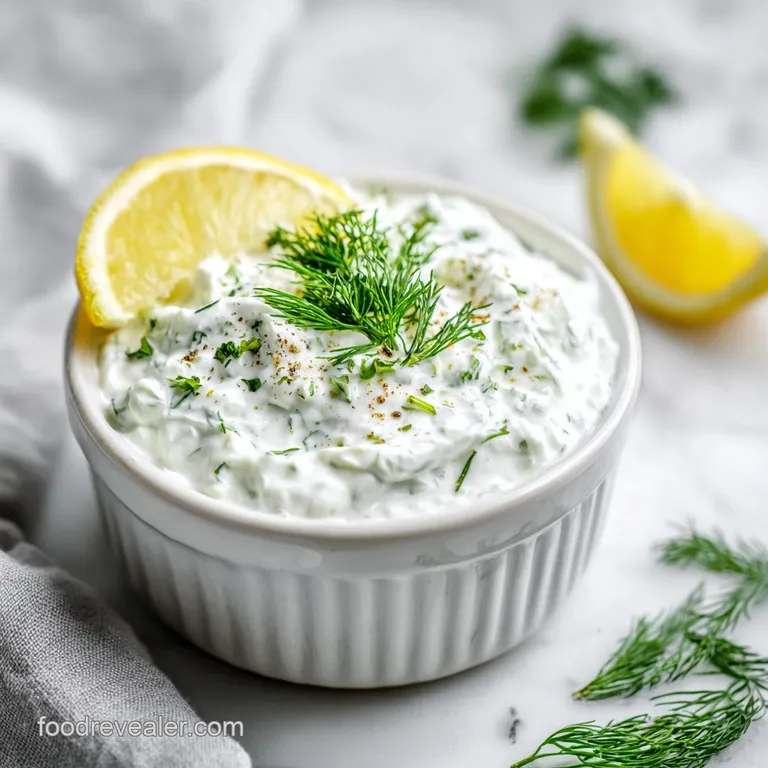
- Time: Active 10 minutes, Passive 30 minutes, Total 40 minutes
- Flavor/Texture Hook: Cooling, punchy, and incredibly velvety
- Perfect for: Summer cookouts, lamb gyros, or a modern mezze spread
- Crafting the Best Ever Tzatziki Sauce Recipe
- Why This Flavor Layering Works
- Precise Specs for This Batch
- Ingredient Science and Flavor Roles
- Gear for a Smooth Result
- Steps for a Velvety Texture
- Fixing Textural or Flavor Flaws
- Creative Modern Flavor Variations
- Smart Storage and Prep Advice
- Best Pairings for Bold Flavors
- Recipe FAQs
- 📝 Recipe Card
Crafting the Best Ever Tzatziki Sauce Recipe
Imagine a sweltering July evening where the air is thick and the smell of charcoal smoke drifts from a neighbor's grill. You’ve got skewers of charred meat or perhaps some warm, pillowy flatbreads, but everything feels a bit heavy.
Then comes the bowl of chilled, ivory colored cream, flecked with vibrant green herbs. One dip, and that cooling sensation hits you the crunch of the cucumber, the zing of the lemon, and that unmistakable garlic punch. It doesn't just sit on the side; it completely transforms the meal.
I used to think any yogurt and cucumber mix would do, but I was wrong. I remember one specific dinner party where my "sauce" turned into a watery puddle within twenty minutes. It was thin, bland, and honestly, a bit sad.
Since then, I’ve become obsessed with the layering of flavors and the structural integrity of this dip. It’s about more than just mixing ingredients; it’s about treating each component with a bit of respect to ensure the final result is thick enough to hold its own against a hot piece of grilled protein.
This version is the result of obsessively chasing that specific texture you find in high end Greek tavernas. We aren't just making a dip; we are building a foundation of flavor that stands up to bold spices.
Whether you’re serving this with traditional lamb or getting a bit experimental with some Asian fusion scallion pancakes, getting the base right is everything. Trust me, once you see how a few small tweaks change the consistency, you’ll never go back to the runny supermarket stuff again.
Why This Flavor Layering Works
- Osmotic Dehydration: Salt draws water out of the cucumber cells, ensuring the final sauce stays thick rather than turning into a watery soup after an hour.
- Allicin Softening: Soaking grated garlic in lemon juice and olive oil tempers the harsh sulfur compounds, giving you a mellow glow instead of a sharp, stinging bite.
- Strained Protein Bond: Using full fat Greek yogurt provides a dense, creamy matrix that traps the remaining moisture from the vegetables and herbs.
- Cold Infusion: The 30 minute rest period allows the fat soluble compounds in the dill and mint to bloom throughout the yogurt base.
| Method | Time | Texture | Best For |
|---|---|---|---|
| Fast Method | 10 minutes | Softer, slightly loose | Quick snacks or thin dressings |
| Classic Method | 40 minutes | Thick, scoopable, velvety | Gyros, kebabs, and mezze platters |
| Overnight Method | 12 hours | Ultra dense, mousse like | Premium entertaining and thick spreads |
The difference between a "good" dip and a "magnificent" one often comes down to how much patience you have with the cucumber. If you skip the wringing process, you're essentially adding a cup of cucumber water to your yogurt.
Precise Specs for This Batch
| Ingredient | Science Role | Pro Secret |
|---|---|---|
| English Cucumber | Provides structural crunch | Keep the skin on for color and extra fiber |
| Full Fat Greek Yogurt | Acts as the creamy emulsifier | Use 5% fat or higher for the best mouthfeel |
| Fresh Garlic | Adds the signature piquant backbone | Grating on a microplane releases more essential oils |
The Osmotic Extraction Process
When salt hits those cucumber shreds, it triggers osmosis. The salt concentration outside the cucumber cells is higher than inside, forcing the water to migrate out. This isn't just about texture; it concentrates the actual flavor of the cucumber.
Without this step, the water would eventually leak out into your yogurt, breaking the emulsion and leaving you with a separated mess. You want those shreds to feel almost like pickles pliant and intensely flavorful.
Mellowing the Garlic Punch
Raw garlic can be incredibly aggressive, sometimes leaving a bitter aftertaste that lingers for days. By grating it directly into the lemon juice and olive oil, you’re performing a mini maceration.
The acid in the lemon juice partially "cooks" the garlic, neutralizing the enzymes that cause that sharp, stinging sensation. It allows the garlic to blend into the sauce as a background warmth rather than a frontal assault on your taste buds.
High Fat Content Stability
Fat is a flavor carrier. In this authentic tzatziki sauce recipe, the 4.6g of fat per serving (mostly from the Greek yogurt and olive oil) serves to coat the tongue, allowing the herbs and garlic to linger longer. low-fat yogurts lack the viscosity to hold the cucumber shreds in suspension.
If you use a high fat base, the sauce remains stable even if you add a little extra lemon juice or a splash of vinegar for tang.
Ingredient Science and Flavor Roles
To make this easy homemade tzatziki recipe, you’ll need to gather a few specific items. I always suggest using the highest quality olive oil you can find something peppery and green.
- 1 large English cucumber (approx. 300g): Why this? They have thinner skins and fewer seeds than standard garden cucumbers.
- 0.5 tsp fine sea salt: Why this? Essential for drawing out moisture and seasoning the vegetable base.
- 2 cups full fat plain Greek yogurt (450g): Why this? Provides the necessary thickness and tangy protein foundation.
- 3 cloves fresh garlic, finely grated: Why this? The aromatic heart of the sauce; grating ensures no large chunks.
- 1 tbsp extra virgin olive oil: Why this? Adds a velvety finish and carries the fat soluble herb flavors.
- 1 tbsp fresh lemon juice: Why this? Provides the acidic bright note to cut through the rich yogurt.
- 2 tbsp fresh dill, finely chopped: Why this? Offers an earthy, anise like aroma that defines the dish.
- 1 tsp fresh mint, finely chopped (optional): Why this? Adds a refreshing top note that balances the heavy garlic.
- 1 pinch black pepper: Why this? A tiny hint of spice to round out the flavor profile.
| Original Ingredient | Substitute | Why It Works |
|---|---|---|
| Greek Yogurt | Sour Cream | Similar tang and fat content, though slightly less protein heavy. |
| Lemon Juice | White Wine Vinegar | Provides a sharp acidity without the citrus specific notes. |
| Fresh Dill | Dried Dill (1 tsp) | Concentrated flavor, though it lacks the vibrant green visual of fresh herbs. |
If you are looking to round out a larger Mediterranean spread, this creamy greek yogurt tzatziki pairs beautifully alongside a Classic Tomato Bruschetta for a mix of textures and temperatures.
Gear for a Smooth Result
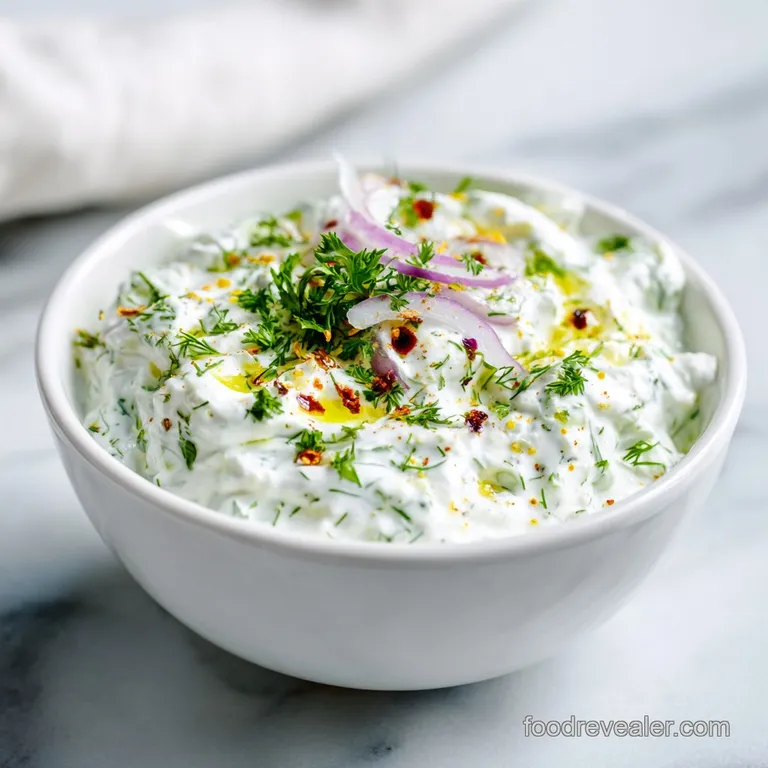
You don't need a kitchen full of gadgets for this sauce recipe, but a few specific tools make the job much cleaner. First, a box grater is non negotiable for the cucumber. You want those long, thin shreds that provide texture without being chunky.
A microplane or fine zester is my preferred tool for the garlic because it turns the cloves into a paste that disappears into the yogurt.
Finally, you’ll need a clean kitchen towel or a piece of high-quality cheesecloth. This is where the real work happens. You’ll be surprised at how much liquid an English cucumber can hold. I usually do this over the sink, and I twist until my knuckles turn white.
A sturdy glass or ceramic mixing bowl is better than metal for chilling, as it holds the cold temperature more effectively while the flavors marry.
Steps for a Velvety Texture
- Grate the cucumber. Use the large holes of your box grater for the 300g English cucumber. Note: Keeping the peel on adds a beautiful green speckle to the final dip.
- Salt the shreds. Toss the cucumber with 0.5 tsp sea salt in a small bowl. Let it sit for 5 minutes until the moisture begins to pool at the bottom.
- Wring it out. Transfer the cucumber to a clean towel and squeeze with maximal force. Wait until no more juice drips out to ensure a thick sauce.
- Macerate the garlic. Grate 3 cloves of garlic into a small bowl with 1 tbsp lemon juice and 1 tbsp olive oil. Let it sit for 3 minutes to soften the sharp bite.
- Combine the base. Place the 450g of Greek yogurt in a medium glass bowl and add the strained cucumber and the garlic oil mixture.
- Add the herbs. Fold in 2 tbsp of chopped fresh dill and 1 tsp of chopped mint. Note: Mint is optional but highly recommended for a refreshing finish.
- Season the mix. Add a pinch of black pepper and stir until the olive oil is fully incorporated. Look for a glossy, uniform sheen on the surface.
- Rest and chill. Cover the bowl and refrigerate for 30 minutes. This allows the flavors to marry and the yogurt to firm back up after stirring.
Fixing Textural or Flavor Flaws
The most common issue people face with their tzatziki sauce recipe is a watery consistency. Even if you squeeze the cucumber well, sometimes the yogurt itself can be the culprit. If you find your dip is too thin, you can try straining the yogurt through a coffee filter for an hour before starting.
This removes the whey and leaves you with an ultra thick "yogurt cheese" base.
Solving Watery Texture Issues
If you’ve already mixed everything and it looks runny, don't panic. You can often save it by folding in a little bit more Greek yogurt or even a tablespoon of labneh if you have it. The key is to avoid over stirring at this stage, as mechanical action can further break down the yogurt's structure.
Fixing Overly Intense Garlic
Did the garlic come out stronger than expected? This happens when the cloves are particularly fresh or large. To fix this, increase the volume of yogurt slightly or add a tiny pinch of sugar. The sugar doesn't make it sweet; it just rounds off the sharp edges of the sulfur.
Another trick is to add more chopped dill, as the herbal notes can help mask the intensity of the garlic.
| Problem | Root Cause | Solution |
|---|---|---|
| Thin/Watery | Improper cucumber draining | Squeeze cucumber again in a separate towel and fold back in. |
| Bitter Aftertaste | Garlic core or old herbs | Add a splash more lemon juice or a tiny pinch of salt. |
| Too Sharp | Raw garlic wasn't mellowed | Let the sauce sit for another hour in the fridge to soften. |
Common Mistakes Checklist
- ✓ Skipping the cucumber salting step (this is why it gets watery!)
- ✓ Using low-fat or "Greek style" yogurt instead of authentic strained Greek yogurt.
- ✓ Forgetting to let the sauce rest - the flavors need that 30 minute window.
- ✓ Using dried herbs instead of fresh (fresh dill is non negotiable for that bright aroma).
- ✓ Grating the garlic too far in advance without putting it in oil/acid.
Creative Modern Flavor Variations
While the traditional greek tzatziki dip is perfect as it is, I love playing with the boundaries of flavor. For a modern twist, try adding a teaspoon of toasted cumin seeds. The smokiness of the cumin plays incredibly well with the cooling yogurt.
Another favorite of mine is adding a drizzle of chili oil on top right before serving. It creates a beautiful visual contrast and adds a slow burn heat that balances the refreshing cucumber.
For an Asian fusion vibe, you can swap the lemon juice for lime juice and add a few drops of toasted sesame oil. This version is incredible when served with grilled shrimp or even as a dipping sauce for crispy spring rolls. If you're feeling adventurous, try using this fusion style sauce on my Smoky Shrimp Tacos — the cooling yogurt and charred shrimp are a match made in heaven.
- Roasted Garlic Twist: Swap raw garlic for 4 cloves of mashed roasted garlic for a sweet, caramelized depth.
- Spicy Jalapeño Version: Finely mince half a jalapeño (seeds removed) into the mix for a bright, vegetal heat.
- The dairy-free Alternative: Use a thick, unsweetened almond or cashew based yogurt. Just ensure it has a high fat content to mimic the richness of the original.
Smart Storage and Prep Advice
This sauce is actually better on the second day. As it sits in the fridge, the garlic continues to mellow and the herbs infuse the yogurt more deeply. You can store your tzatziki in an airtight container for up to 4 days.
I don't recommend freezing it, as the cellular structure of the cucumber will collapse upon thawing, leaving you with a grainy, watery mess.
Zero Waste Tip: Don't throw away that cucumber juice you squeezed out! It’s packed with electrolytes and flavor. I love adding it to a gin and tonic, stirring it into a green smoothie, or even using it as a base for a chilled gazpacho.
The discarded herb stems can also be tossed into a freezer bag and used later for flavoring vegetable stocks.
Best Pairings for Bold Flavors
This tzatziki sauce recipe for gyros is the ultimate companion for anything charred or spicy. It’s the perfect foil for heavily seasoned meats like lamb or chicken souvlaki. The acidity and creaminess reset your palate after every bite.
I also love serving it as part of a larger mezze platter with olives, feta cheese, and warm pita bread.
Classic Pita Meat Pairings
Nothing beats the combination of warm, toasted pita bread dipped into cold tzatziki. If you're hosting a party, try serving this alongside a variety of grilled vegetables like zucchini, bell peppers, and eggplant. The sauce acts as a bridge between the smoky char of the grill and the fresh crunch of a salad.
Modern Mezze Platter Ideas
If you want to create a truly impressive spread, place a bowl of this tzatziki in the center of a large board. Surround it with colorful elements like radishes, sliced cucumbers, and some toasted nuts. It’s a brilliant way to elevate a simple gathering.
For a truly global experience, I often serve this alongside other Mediterranean favorites, making sure there's plenty of bread to go around.
This recipe is all about the balance of simple, fresh ingredients handled with a bit of care. By taking the extra few minutes to properly drain your cucumber and mellow your garlic, you're ensuring a result that is leagues ahead of anything you can buy at the store.
It’s punchy, it’s velvety, and honestly, it’s the only dip recipe you’ll ever need for those warm summer nights. Enjoy the process of layering these flavors, and don't be afraid to make it your own!
Recipe FAQs
What are the ingredients for tzatziki?
You need eight core items. Combine one large English cucumber, 0.5 tsp fine sea salt, 2 cups full fat plain Greek yogurt, 3 cloves grated garlic, 1 tbsp extra virgin olive oil, 1 tbsp lemon juice, 2 tbsp fresh dill, and a pinch of black pepper, with optional fresh mint.
What's the secret to a great tzatziki sauce?
Maximal moisture removal is the key. If you enjoyed learning how to manage moisture here, the same principle of squeezing liquid applies to our roasted sweet potato casserole, where excess water ruins the texture.
How to make tzatziki quickly?
Grate your cucumber first and salt it immediately to start the five minute moisture release process while you measure your yogurt and grate the garlic.
What are common tzatziki mistakes?
Adding the cucumber without wringing it out is the most frequent error, as the excess water turns a thick dip into a watery soup. Skipping the 30-minute rest period in the refrigerator also prevents the garlic and lemon from mellowing into the yogurt properly.
Is it true I can skip the resting time for the garlic and lemon mixture?
No, this is a common misconception. Letting the grated garlic sit in the lemon juice and olive oil for three minutes is essential to mellow the harsh, pungent bite of raw garlic.
How to ensure the texture stays velvety?
Use full fat Greek yogurt and fold the ingredients gently rather than vigorously whipping them. Wringing the cucumber shreds with maximal force ensures the yogurt remains thick and creamy rather than diluted.
Is it necessary to peel the English cucumber?
No, keeping the peel on is recommended. The skin adds a beautiful green speckle to the final dip and provides a slight, pleasant crunch against the creamy yogurt base.
Authentic Tzatziki Sauce
Ingredients:
Instructions:
Nutrition Facts:
| Calories | 76 kcal |
|---|---|
| Protein | 5.3 g |
| Fat | 4.6 g |
| Carbs | 4.2 g |
| Fiber | 0.3 g |
| Sugar | 2.9 g |
| Sodium | 188 mg |
