Chipped Beef on Toast: Velvety and Savory

- Time: Active 10 minutes, Passive 15 minutes, Total 25 minutes
- Flavor/Texture Hook: Velvety white sauce meets salty, savory shatter crisp beef.
- Perfect for: Slow weekend mornings or a budget-friendly weeknight rescue.
- Rediscovering the Comfort of Classic Chipped Beef on Toast
- The Essential Science of a Smooth Roux
- Analyzing Our Core Flavor Components
- Selecting Your S.O.S. Essentials
- Essential Tools for Perfect Gravy
- Building Your Chipped Beef Gravy
- Fixing Common Creamy Sauce Mistakes
- Delicious Twists on the Original
- Keeping Leftovers Fresh and Tasty
- Completing Your Hearty Comfort Meal
- Common Culinary Myths
- Adjusting the Recipe Size
- Very High in Sodium
- Recipe FAQs
- 📝 Recipe Card
Rediscovering the Comfort of Classic Chipped Beef on Toast
The kitchen smells like browning butter and toasted sourdough, a scent that immediately pulls me back to my grandfather’s tiny breakfast nook. I remember watching the butter sizzle in his heavy cast iron skillet as he prepared what he affectionately called "S.O.S." It wasn’t a gourmet affair, but the way that thick, creamy gravy hit the crunchy bread was pure magic.
This isn't just a meal; it's a hug in a bowl that satisfies the soul when the world feels a bit too loud.
We’ve all had those mornings where we want something substantial without spending hours at the stove. This recipe is your secret weapon for those moments. I’ve spent years tweaking the ratios to ensure the sauce never turns into a gloopy mess, focusing instead on a texture that is light yet decadent.
We are going to build layers of flavor starting with the salty punch of the beef and finishing with a hint of warm nutmeg that ties everything together.
Expect a dish that balances the intense salinity of dried beef with a mellow, buttery base. It’s hearty, it’s reliable, and it’s surprisingly easy once you understand how the flour and fat play together.
Whether you’re a seasoned cook or just looking to master the comfort classics, this guide will show you exactly how to get that velvety finish every single time. Let’s get the pan heating.
The Essential Science of a Smooth Roux
Starch Gelatinization: When flour hits hot butter, the starch granules swell and burst, creating a web that traps milk molecules for a stable, thick sauce. This prevents the gravy from breaking or becoming oily as it sits on your toast.
Protein Tempering: Adding cold milk to a hot roux allows the temperature to rise gradually, which prevents the flour from clumping into stubborn, floury pockets. This creates a uniform, silky mouthfeel rather than a grainy one.
| Cooking Method | Time | Texture Outcome | Best For |
|---|---|---|---|
| Traditional Stovetop | 15 minutes | Silky, pourable gravy | Maximum creaminess and control |
| Oven Finished | 20 minutes | Thick, bubbly crust | Large batches for family brunch |
| Slow Cooker | 4 hours | Soft, tender beef | Busy mornings with zero prep |
Getting the right consistency is all about patience and whisking. If you rush the milk addition, you'll end up with a lumpy mess that even a blender can't fully save. I always keep my milk in the fridge until the very second the roux is golden blonde.
The temperature contrast is actually your friend here, helping the starch hydrate evenly.
Analyzing Our Core Flavor Components
To understand why this dish hits so many savory notes, we have to look at how the ingredients interact. We aren't just tossing things in a pan; we're creating a chemical bond that holds the salt and fat in a perfect, creamy suspension.
| Component | Science Role | Pro Secret |
|---|---|---|
| 8 oz Chipped Beef | Primary Umami Source | Soak in warm water for 2 minutes to temper the intense salt levels. |
| 4 tbsp Butter | Fat Emulsifier | Use unsalted to keep total control over the dish's final seasoning. |
| 3 cups Whole Milk | Liquid Hydration | Cold milk prevents the starch in the roux from clumping too fast. |
The butter provides the richness, but the beef is the real star. Chipped beef is essentially cured, dried meat that has been sliced paper thin. When it hits the butter, it releases those cured flavors into the fat, which then perfumes the entire gravy.
It's a classic example of using a small amount of a potent ingredient to flavor a large volume of sauce.
Selecting Your S.O.S. Essentials
I’ve made the mistake of using thin, flimsy white bread before, and let me tell you it’s a disaster. You need something with structural integrity to stand up to the weight of the creamed beef. Sourdough is my go to because the slight tang cuts through the richness of the whole milk.
- 8 oz dried chipped beef: Look for the jars or vacuum sealed packs near the canned meats.
- 4 tbsp unsalted butter: high-quality butter makes a noticeable difference in the "velvety" factor.
- 1/4 cup all purpose flour: This is our thickening engine.
- 3 cups whole milk: Why this? The fat content ensures a stable, rich sauce that won't turn watery.
- 1/4 tsp freshly grated nutmeg: Why this? It adds a subtle earthy warmth that balances the salty beef.
- 1/2 tsp coarsely ground black pepper: For a sharp, biting contrast to the cream.
- 5 thick slices sourdough loaf: Why this? Its open crumb traps the gravy while the crust stays crunchy.
- 1 tsp Worcestershire sauce: Adds a fermented depth that mimics aged cheese notes.
| Original Ingredient | Substitute | Why It Works |
|---|---|---|
| Chipped Beef | Deli Roast Beef | Lower salt, but add a pinch more salt to the gravy to compensate. |
| Whole Milk | Heavy Cream + Water | Creates an even richer base. Note: Use a 1:1 ratio for thickness. |
| Sourdough | Thick Texas Toast | Offers a soft, pillowy texture but less structural "shatter." |
If you find yourself out of sourdough, a thick cut brioche can work, but be warned that it will turn soft much faster. For a similar vibe to our Beanie Weenies Recipe, you could even serve this over biscuits if you want to lean into the Southern comfort side of things.
Essential Tools for Perfect Gravy
You don't need a kitchen full of gadgets, but a heavy bottomed skillet is non negotiable. I prefer cast iron or a heavy stainless steel pan like an All Clad. These pans distribute heat evenly, which is crucial when you're making a roux.
If your pan has "hot spots," your flour will burn in one corner while staying raw in another, leading to a bitter aftertaste.
A balloon whisk is also your best friend here. It incorporates air and breaks up flour clumps much better than a wooden spoon ever could. Make sure your whisk can reach the "corners" of your pan so no flour gets left behind to scorch.
Finally,, a good toaster or a broiler setting on your oven is needed to get that sourdough to a point where it can truly support the gravy.
Building Your Chipped Beef Gravy
1. The Beef Preparation
Rinse the 8 oz of chipped beef under cool water. Note: This removes the excess surface salt that can otherwise overwhelm the dish. Pat the beef completely dry with paper towels before slicing it into bite sized ribbons.
2. The Sauté and Roux
Melt 4 tbsp unsalted butter in your skillet over medium heat. Add the beef strips and sauté for 3 minutes until the edges begin to curl and slightly crisp.
Sprinkle the 1/4 cup flour over the beef and stir constantly for 2 minutes to cook out the "raw" flour taste.
3. The Gradual Tempering
Slowly pour in 1 cup of the cold milk while whisking vigorously. Note: Adding milk in stages prevents lumps from forming. Once the mixture looks like a thick paste, pour in the remaining 2 cups of milk.
4. The Thickening Phase
Simmer the mixture over medium low heat for about 8 minutes. Whisk occasionally until the sauce coats the back of a spoon and leaves a clear trail. If it gets too thick, just splash in a little extra milk.
5. The Finishing Toast
While the sauce simmers, toast your 5 slices of sourdough until they are dark golden and feel rigid. This ensures the bread doesn't turn into mush the moment the gravy hits it.
6. Final Seasoning
Stir in the 1/4 tsp nutmeg, 1/2 tsp black pepper, and 1 tsp Worcestershire sauce. Taste it before adding any extra salt; usually, the beef provides plenty. Pour the gravy generously over the toast and serve immediately.
Fixing Common Creamy Sauce Mistakes
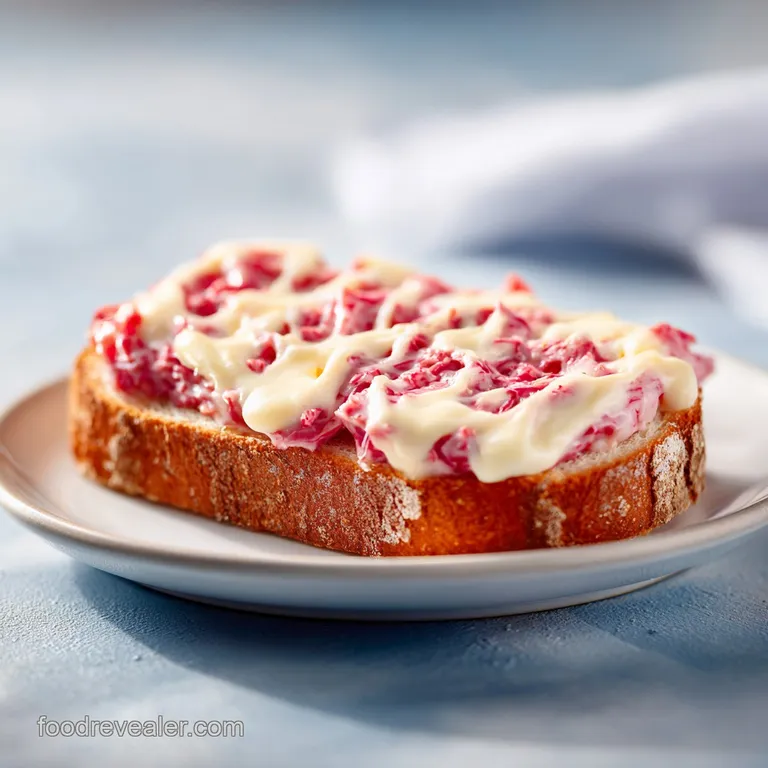
The biggest hurdle with this dish is usually the salt level or the texture of the gravy. Because dried beef is cured, it can vary wildly in saltiness depending on the brand. If you skip the rinsing step, you might find the final result nearly inedible.
But don't panic if things go south; most issues are easily fixed with a little kitchen chemistry.
Why Your Sauce is Lumpy
Lumps happen when the flour isn't fully incorporated into the fat before the liquid is added, or when the liquid is added too quickly. If you see white dots in your gravy, it means the flour has encapsulated dry pockets.
You can usually fix this by giving it a vigorous whisking or, in extreme cases, running the sauce through a fine mesh strainer.
| Problem | Root Cause | Solution |
|---|---|---|
| Too Salty | Beef wasn't rinsed | Stir in a splash more milk or a dollop of sour cream to dilute. |
| Too Thin | Flour didn't cook long enough | Simmer for 3 more minutes or add a tiny cornstarch slurry. |
| Broken Sauce | Heat was too high | Remove from heat and whisk in a tablespoon of cold milk. |
Common Mistakes Checklist
- ✓ Always rinse the beef; the brine used in curing is incredibly concentrated.
- ✓ Don't walk away from the roux; it can turn from golden to burnt in thirty seconds.
- ✓ Use cold milk; it actually helps the flour hydrate more slowly and smoothly.
- ✓ Toast the bread longer than you think; a "shatter" crunch is the best contrast to the sauce.
- ✓ Taste for salt last; the beef will release more salt as it simmers in the milk.
Delicious Twists on the Original
Once you’ve mastered the base recipe, you can start playing with the profile. I love adding a handful of frozen peas during the last three minutes of simmering. It adds a pop of sweetness and color that lightens the whole experience.
If you’re looking for a bit of heat, a dash of cayenne pepper or a spoonful of Dijon mustard stirred in at the end provides a lovely zing.
If you prefer a garden fresh variation, try topping the finished dish with chopped chives or parsley. The freshness of the herbs cuts right through the heavy cream. For those who want more bulk, adding sautéed mushrooms along with the beef during the first step creates a "forest" style gravy that is incredibly deep and earthy.
Chef's Tip: If you want a truly decadent version, grate some cold butter over the hot toast before pouring the gravy. It creates a fat barrier that keeps the toast crunchy for longer.
Keeping Leftovers Fresh and Tasty
Storage: You can keep the chipped beef gravy in an airtight container in the fridge for up to 3 days. However, do not store it on the toast! Keep the gravy and the bread separate until you are ready to eat, or you'll wake up to a soggy sponge.
Freezing: I don't recommend freezing this specific gravy. The milk and flour emulsion often "breaks" when thawed, resulting in a grainy, watery mess that loses its velvety appeal. It's so quick to make fresh that it's worth the 15 minutes of effort.
Reheating: The gravy will thicken significantly in the fridge. To reheat, place it in a small saucepan over low heat and add a tablespoon or two of milk to loosen it back up. Whisk constantly as it warms to maintain that smooth texture.
Zero Waste: If you have leftover gravy but no bread, it makes an incredible topping for a baked potato or can be stirred into cooked pasta for a quick "beef stroganoff" style lunch. Don't let those savory scraps go to waste!
Completing Your Hearty Comfort Meal
Since this dish is quite rich and heavy on the palate, I always suggest serving it with something bright and acidic. A simple side of sliced tomatoes with a pinch of sea pepper or a crisp fruit salad works wonders. To keep the meal feeling balanced, you might even pair it with my Zesty Black Bean recipe if you’re serving this for a brunch spread the citrus and beans offer a fantastic contrast to the creamy beef.
Common Culinary Myths
Myth: You must use room temperature milk for a roux. The truth is that cold milk is actually better for beginners. When cold milk hits a hot flour and butter mixture, it slows down the gelatinization process, giving you more time to whisk out any potential lumps before the sauce sets.
Myth: Searing the beef "seals in" the flavor. Searing actually creates new flavors through the Maillard reaction. By sautéing the dried beef in butter, you aren't sealing anything in; you're developing toasted, nutty notes that weren't there before.
This is why we don't just boil the beef in milk we want that fat rendered goodness.
Myth: Chipped beef is the same as deli corned beef. While they look similar, chipped beef is dried and cured much more intensely. Deli meats have a much higher water content and won't give you that specific "shatter crisp" texture or the concentrated salty punch that defines a true S.O.S. recipe.
Adjusting the Recipe Size
Scaling Down (1-2 Servings): Cut the ingredients exactly in half. Use a smaller skillet (8 inch) to ensure the milk doesn't evaporate too quickly. You might need to reduce the simmering time by about 2 minutes since a smaller volume heats faster.
Scaling Up (8+ Servings): You can easily double this, but be careful with the seasonings. I suggest only using 1.5x the amount of nutmeg and Worcestershire sauce at first, then tasting and adding more if needed.
When working with larger volumes of milk, use a flat bottomed whisk to ensure you're scraping the entire surface of the pan to prevent scorching.
If you're making this for a crowd, keep the toast in a warm oven (200°F) while you finish the gravy. This ensures everyone gets a hot, crispy plate at the same time. This dish is all about the contrast between hot, flowing gravy and the rigid crunch of the sourdough, so timing is everything!

Very High in Sodium
1080 mg mg of sodium per serving (47% of daily value)
The American Heart Association recommends limiting sodium intake to no more than 2,300mg per day for most adults. Aim for even less if you have high blood pressure.
Tips to Reduce Sodium in Your Creamed Chipped Beef Recipe
-
Choose Low-Sodium Beef-25%
The chipped beef is the biggest sodium contributor. Look for low-sodium or no-salt added chipped beef options. This can significantly reduce the sodium content.
-
Omit Worcestershire Sauce-20%
Worcestershire sauce contains a significant amount of sodium. Try omitting it entirely or replacing it with a sodium free seasoning blend.
-
Select Low-Sodium Bread-10%
Sourdough bread can vary in sodium content. Check nutrition labels and opt for a lower sodium sourdough option or consider using another type of bread with less sodium.
-
Consider Milk Alternative-5%
While whole milk is not very high in sodium, unsweetened milk alternatives like almond milk have less sodium. Look for a milk alternative that is low-sodium, and add to the recipe.
-
Enhance Flavor Naturally
Experiment with herbs and spices like garlic powder, onion powder, smoked paprika, and fresh herbs to boost flavor without adding sodium. Adjust pepper and nutmeg to taste.
Recipe FAQs
Why is chipped beef on toast called SOS?
Yes, it is traditionally called S.O.S. This military slang stands for "Shit On A Shingle," referring to the way the creamed mixture sits atop the toast slice.
Is chipped beef on toast good?
Yes, if prepared correctly with a good roux. When the sauce is velvety and balanced against the salty beef, it becomes the ultimate comfort food experience.
What is the sauce in chipped beef on toast?
It is a béchamel style white gravy. This sauce is made from a roux of butter and flour, thickened with whole milk, and seasoned to complement the strong saltiness of the dried beef.
What cut of meat is chipped beef?
It is usually low-grade beef that is cured, dried, and sliced thinly. The meat is intensely salted, which is why rinsing it before cooking is crucial to control the final flavor.
How do I prevent the gravy from being too salty?
Rinse the chipped beef thoroughly before cooking. Soak the beef ribbons in warm water for about two minutes, then drain and pat dry to wash away excess surface curing salt.
What should I use to keep the toast from getting soggy?
Toast the bread until it is very firm and dark golden. Using a structural bread like sourdough or Texas toast ensures the crunch holds up long enough to absorb the gravy without collapsing.
How do I fix a lumpy white sauce?
Remove the pan from the heat and whisk vigorously using a balloon whisk. For severe lumps, strain the sauce through a fine mesh sieve, then return it to the heat to finish thickening.
Chipped Beef On Toast
Ingredients:
Instructions:
Nutrition Facts:
| Calories | 512 kcal |
|---|---|
| Protein | 30.4 g |
| Fat | 21.1 g |
| Carbs | 47.4 g |
| Fiber | 2.1 g |
| Sugar | 9.2 g |
| Sodium | 1080 mg |
