Shrimp Cocktail: Tender and Zesty
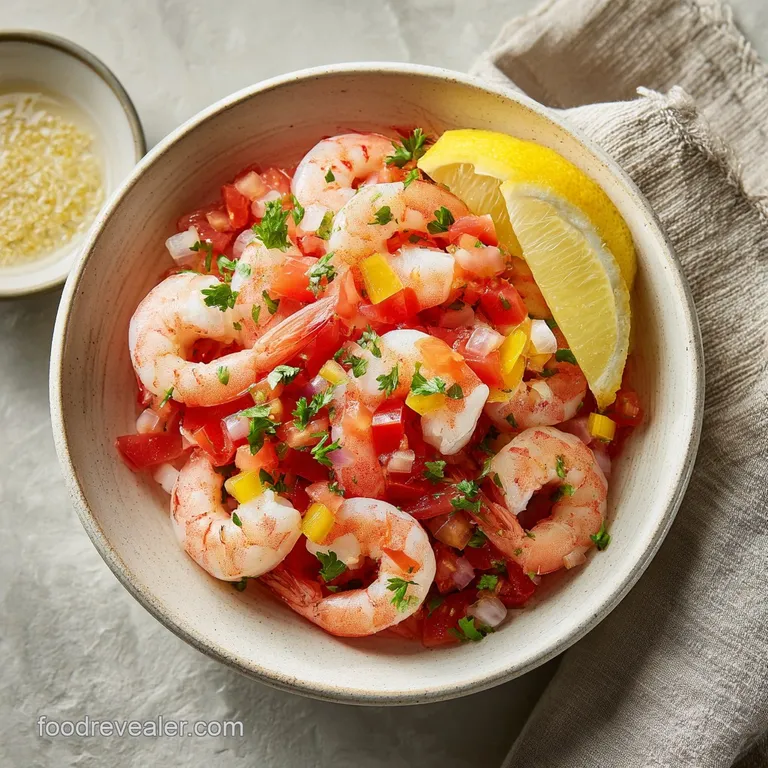
- Time: Active 15 minutes, Passive 10 minutes, Total 25 minutes
- Flavor/Texture Hook: Snappy, chilled shrimp with a velvety, horseradish spiked kick
- Perfect for: Festive weekend brunch or an elegant holiday starter
- Secrets To The Best Shrimp Cocktail Ever
- Thermal Physics Of Cold Poaching
- Crucial Specs For Perfect Results
- Selecting The Finest Seafood Components
- Essential Tools For Hosting Success
- Steps For Poaching Flawless Shrimp
- Fixing Common Shrimp Cooking Errors
- Healthy Swaps For Every Guest
- Preparation Tips For Easy Hosting
- Myths About Cooking Frozen Shrimp
- Best Storage And Waste Prevention
- Creative Ways To Serve Guests
- Very High in Sodium
- Recipe FAQs
- 📝 Recipe Card
Secrets To The Best Shrimp Cocktail Ever
The story of the shrimp cocktail is a fascinating trip through coastal history, beginning long before it became a staple of 1970s dinner parties. It actually traces back to the late 19th century in San Francisco, where miners would frequent bars that served "oyster cocktails" in shot glasses.
As shrimp became more readily available, the transition was natural, evolving into the iconic chilled appetizer we recognize today. In Mexico, the Coctel de Camarones took a different path, becoming a vibrant, sun drenched street food packed with avocado and lime, designed to be eaten by the ocean.
Whenever I host a weekend brunch, this dish is the centerpiece because it feels like a celebration without requiring me to be trapped in the kitchen. There is something so festive about the clinking of glasses and the bright, citrusy aroma of a fresh poaching liquid filling the air.
It sets a tone of easy luxury that guests absolutely love. We usually pair this with creative mimosas, perhaps using a splash of blood orange or pomegranate juice, to keep the celebratory vibes flowing.
Getting that signature "snap" when you bite into the shrimp is the ultimate goal here. I remember early attempts where I just boiled them until they curled into tight little O's, only to find they were as tough as pencil erasers. The trick, which we are going to master today, is all about the gentle bath.
We aren't boiling these shrimp, we are pampering them in a flavored infusion that respects their delicate structure.
Thermal Physics Of Cold Poaching
Understanding the movement of heat is the secret to avoiding that dreaded rubbery texture. When you drop cold shrimp into boiling water, the exterior overcooks instantly while the center struggles to catch up. By turning off the heat, we create a stable environment where the temperature gently evens out.
- Residual Thermal Energy: The large volume of water holds enough heat to cook the shrimp thoroughly even without a flame, preventing the proteins from tightening too quickly.
- Osmotic Balancing: Heavy seasoning in the poaching liquid ensures the shrimp don't lose their natural juices to the water, keeping them plump and hydrated.
- Aromatic Steep Time: Simmering the lemon, garlic, and peppercorns before adding the seafood allows the water to become a concentrated "tea" that flavors the shrimp in minutes.
- Cryo Shock Stabilization: Moving the shrimp immediately to salted ice water halts the internal cooking process at the exact moment of doneness, locking in that snappy texture.
| Method | Time | Texture | Best For |
|---|---|---|---|
| Gently Poached | 3-5 mins | Snappy and tender | Classic chilled presentation |
| oven-roasted | 8-10 mins | Firm and caramelized | Hot appetizers or salads |
| Traditional Boil | 2-3 mins | Frequently rubbery | Quick batch cooking |
It is worth noting that while roasting provides a deep flavor, it often dries out the exterior. For a chilled platter, poaching is the undisputed champion because it preserves the moisture that makes the shrimp feel velvety on the tongue.
Crucial Specs For Perfect Results
To achieve consistent results every time you host, you need to keep a few specific numbers in mind. These aren't just suggestions, they are the guardrails that keep your brunch on track.
| Component | Target Spec | Success Marker |
|---|---|---|
| Poaching Liquid | 165°F - 170°F | Steam rising but no bubbles |
| Internal Temp | 145°F | Opaque white with pink accents |
| Shrimp Size | 16/20 Count | Large enough to stay juicy |
Whether you are serving a small group or a large crowd, these checkpoints remain your North Star. If you are looking for other seafood inspiration for your next gathering, this Crab and Shrimp Bisque is another fantastic way to utilize similar flavor profiles in a warm, comforting format.
Selecting The Finest Seafood Components
The quality of your ingredients is the foundation of this dish. Since there are so few elements, each one needs to pull its weight.
| Ingredient | Science Role | Pro Secret |
|---|---|---|
| Extra Jumbo Shrimp | Structural Protein | Keep shells on during poaching for more flavor |
| Prepared Horseradish | Pungent Volatiles | Use "extra hot" and add it just before serving |
| Tomato Clam Juice | Savory Umami | Provides the thin, sippable base for Mexican style |
| Kosher Salt | Protein Solvent | Season the ice bath, not just the poaching pot |
For the shrimp, always look for "16/20" on the bag, which means there are 16 to 20 shrimp per pound. Anything smaller tends to overcook before you can even get them to the ice bath. If you can find shell on but deveined shrimp, you have hit the jackpot.
The shell acts as a protective buffer against the heat and adds a deeper "shrimpy" essence to the poaching liquid.
- 2 lbs Extra Jumbo Shrimp: The star of the show. Why this? Larger shrimp have a better ratio of exterior snap to interior creaminess.
- Dry White Wine: Adds acidity and floral notes to the water. (Sub: Extra lemon juice)
- Prepared Horseradish: The heat source for the sauce. (Sub: Grated fresh horseradish for a sharper bite)
- Tomato Clam Juice: Essential for the Mexican variation. (Sub: Plain tomato juice with a dash of fish sauce)
- Avocado: Adds a buttery contrast to the acidic sauce. (Sub: Cubed cucumber for crunch)
- Jalapeño: Provides a controlled glow of heat. (Sub: Serrano for more intensity)
Essential Tools For Hosting Success
You don't need a professional kitchen, but a few specific items make the process seamless. A 6 quart Dutch oven is my go to because the thick walls retain heat better than a thin stainless steel pot. This is vital when we turn the heat off, as we need that water to stay hot enough to finish the job.
A spider strainer or a large slotted spoon is also non negotiable. You need to be able to move all those shrimp from the hot water to the ice bath in a matter of seconds. If you fish them out one-by-one with tongs, the last ones will be overcooked by the time they hit the ice.
Finally, a high-quality instant read thermometer takes all the guesswork out of the equation. No more cutting a shrimp in half and hoping for the best.
Steps For Poaching Flawless Shrimp
- Prepare infusion. Combine 2 liters filtered water, 120 ml white wine, lemon rounds, 3 smashed garlic cloves, 2 bay leaves, 10 peppercorns, and 30g kosher salt in the Dutch oven.
- Steep aromatics. Bring to a rolling boil, then drop to a simmer for 10 minutes. Note: This creates the flavor base.
- Kill the heat. Turn off the stove completely and check that the liquid is between 165°F and 170°F.
- Submerge shrimp. Add the 2 lbs of raw shrimp and stir gently to ensure they aren't clumped together.
- Cover and poach. Place the lid on the pot and let them sit for 3 to 5 minutes until they are pink and opaque.
- Check doneness. Ensure the largest shrimp has reached an internal temperature of 145°F.
- Shock the protein. Use a spider strainer to move shrimp into a pre prepared salted ice bath until completely cold to the touch.
- Prepare classic sauce. Whisk together 240 ml chili sauce, 45g horseradish, 15 ml lemon juice, 5 ml Worcestershire, and Tabasco.
- Mix Mexican style. Combine 240 ml tomato clam juice, 120 ml ketchup, diced onion, minced jalapeño, and cilantro.
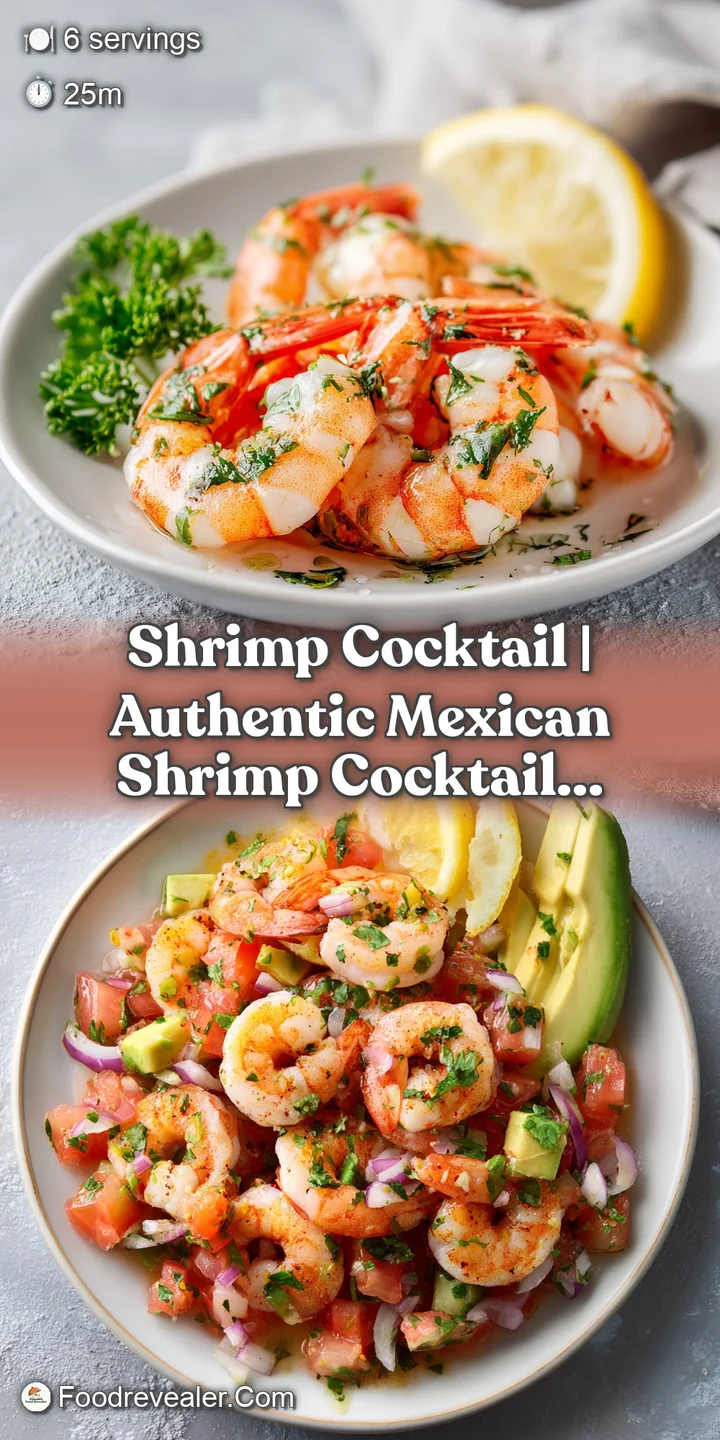
- Final assembly. Peel the chilled shrimp, leaving the tails attached, and fold the avocado into the Mexican sauce just before serving.
Fixing Common Shrimp Cooking Errors
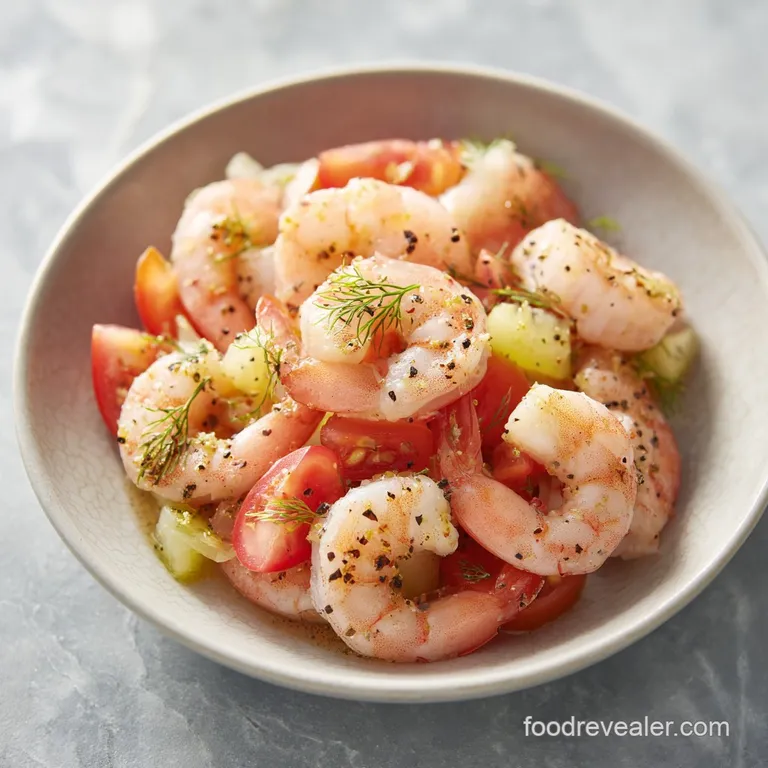
Even the best hosts run into trouble occasionally. The most common heartbreak is a "mushy" shrimp, which usually happens if the shrimp were frozen and thawed too slowly, or if they were "phosphated" (treated with chemicals to hold water).
Correcting Texture Issues
If your shrimp feel soft rather than snappy, it is often a sourcing issue. Always check the label for "Sodium Tripolyphosphate." This additive causes the shrimp to absorb excess water, which then leaks out during cooking, leaving the meat flabby.
If you have already cooked them and they feel a bit limp, a very cold, very salty ice bath can sometimes help firm up the exterior proteins, though it won't be a total cure.
Balancing The Sauce Heat
Horseradish strength varies wildly between brands. If your sauce is clearing your sinuses a bit too aggressively, don't panic. You can mellow it out by adding more chili sauce or a tiny pinch of sugar.
The sugar doesn't make it "sweet" in a dessert sense, but it acts as a chemical foil to the piquant heat of the horseradish.
| Problem | Root Cause | Solution |
|---|---|---|
| Rubbery Shrimp | Water was too hot for too long | Use the "off heat" poaching method exclusively |
| Bland Flavor | Water wasn't salted enough | Add 30g salt per 2 liters of poaching liquid |
| Watery Sauce | Shrimp weren't dried after the ice bath | Pat shrimp dry with paper towels before plating |
Common Mistakes Checklist
- ✓ Always peel and devein before poaching if you want the easiest eating experience for guests.
- ✓ Never skip the salt in the ice bath, otherwise, the water will leach the flavor out of the shrimp.
- ✓ Avoid using "pre cooked" frozen shrimp, as they are almost always double cooked and tough.
- ✓ Do not add the avocado to the Mexican sauce early, as it will oxidize and turn brown.
Healthy Swaps For Every Guest
Hosting brunch means accounting for various dietary needs, and the beauty of a Shrimp Cocktail is its natural adaptability. It is inherently high in protein and relatively low in calories, making it a dream for those watching their macros.
For a keto friendly version, the biggest hurdle is the sugar in the ketchup or chili sauce. You can easily find unsweetened ketchup alternatives or simply increase the amount of fresh lemon juice and hot sauce to create a "zesty" rather than "sweet" dip.
If you are serving someone with a shellfish allergy (but you still want that cocktail vibe), thick slices of hearts of palm or even blanched cauliflower florets work surprisingly well as a vehicle for the horseradish sauce.
If you find yourself with extra shrimp and want a different flavor profile for a later meal, this Garlic Butter Shrimp Pasta is a great way to pivot. It uses similar sizes of shrimp but moves into the territory of warm, comforting fats and garlic.
Preparation Tips For Easy Hosting
When you are planning a celebration, timing is everything. You want to be holding a mimosa, not a thermometer, when your guests arrive.
- Scaling Down: If you are just making a romantic brunch for two, halve all ingredients. Use a smaller 3 quart pot but keep the poaching time the same, as the thermal mass of the shrimp relative to the water will be similar.
- Scaling Up: For a big party (12+ people), do not double the water. Use 3 liters of water for 4 lbs of shrimp. Work in batches to ensure the water temperature doesn't drop too low when the cold shrimp hit the pot. Increase the salt and spices to 1.5x rather than 2x to avoid over seasoning.
- make-ahead Strategy: You can poach the shrimp and make the sauces a full 24 hours in advance. Keep the shrimp in a sealed container with a damp paper towel over them to prevent them from drying out in the fridge.
| Goal | Strategy | Outcome |
|---|---|---|
| Extra Spicy | Double the horseradish and Tabasco | A punchy, bold sauce for adventurous eaters |
| Kid Friendly | Increase ketchup, decrease horseradish | A milder, sweeter dip that kids actually enjoy |
| Ultra Fresh | Grate fresh horseradish root | A cleaner, more floral heat profile |
Myths About Cooking Frozen Shrimp
There is a persistent myth that "fresh" shrimp at the seafood counter is better than the bags in the freezer aisle. The truth is that unless you live on a shrimp boat, the "fresh" shrimp were likely frozen on the ship and thawed at the store. Buying them still frozen actually gives you more control over the quality.
Another common misconception is that you must boil the water the entire time the shrimp are in the pot. As we discussed in the science section, this is the fastest way to ruin your brunch. The carryover heat in the water is more than enough to safely cook the shrimp to 145°F.
Searing or boiling only serves to tighten the muscle fibers into a knot.
Best Storage And Waste Prevention
If you have leftovers (though in my house, that is rare), store the shrimp and sauce separately. The shrimp will stay vibrant in the fridge for up to 2 days. I don't recommend freezing them after they have been poached, as the ice crystals will break down the delicate cell walls, leaving you with a watery mess upon thawing.
For zero waste hosting, save those poaching aromatics! The lemon rounds and garlic can be tossed into a compost bin, but the liquid itself is basically a quick seafood stock. I often strain it and freeze it in ice cube trays to add a boost of flavor to future risottos or soups.
If you have leftover shrimp that are starting to look a bit sad on day three, chop them up and fold them into a creamy salad or use them as a topping for a quick afternoon snack.
Creative Ways To Serve Guests
Presentation is where you can really let your creativity shine for a brunch celebration. For a classic look, use chilled martini glasses with the shrimp hooked over the rim. It feels very "Mad Men" and keeps the sauce contained.
If you are going for the Mexican style, serve it in a large schooner or a tall glass with plenty of extra lime wedges and saltine crackers on the side.
- The Ice Platter: Fill a large shallow bowl with crushed ice and nestle a smaller bowl of sauce in the center. Arrange the shrimp in a circular pattern on the ice to keep them at the optimal temperature throughout the party.
- The Mimosa Pairing: Serve with a "Shrimp Cocktail Mimosa" (a joke we have, which is really just a very spicy Virgin Mary) or a classic sparkling wine with a twist of lemon to echo the poaching aromatics.
- Individual Servings: For a standing cocktail party, put one tablespoon of sauce in the bottom of a shot glass and place one jumbo shrimp inside. It is the ultimate "no mess" appetizer.
Hosting doesn't have to be stressful when you have a reliable method and a bit of festive spirit. This Shrimp Cocktail is a testament to the idea that simple ingredients, handled with a bit of scientific care, can create a truly exquisite experience. Enjoy your brunch, and don't forget to keep those mimosas flowing!
Very High in Sodium
980 mg 980 mg of sodium per serving (43% 43% of daily value)
The American Heart Association recommends limiting sodium intake to no more than 2,300mg per day, with an ideal limit of less than 1,500mg for most adults.
Tips to Reduce Sodium
-
Omit Kosher Salt-25%
The 30g of Kosher salt is a significant contributor. Omitting it entirely will drastically reduce sodium. You can add a pinch of salt at the table if needed, allowing individuals to control their intake.
-
Choose Low-Sodium Sauces-20%
Replace the standard chili sauce, Worcestershire sauce, and ketchup with low-sodium or no-salt added versions. These processed condiments are often very high in sodium.
-
Select Low-Sodium Tomato Clam Juice-15%
Tomato clam juice can be a hidden sodium source. Opt for a low-sodium or no-salt added variety to significantly cut down on sodium.
-
Boost Flavor with Herbs and Spices
Enhance the natural flavors of the shrimp and vegetables by generously using fresh herbs like cilantro, and aromatics like garlic and onion. Consider adding other spices like smoked paprika or cayenne for extra zest.
-
Rinse Shrimp-5%
While these are extra jumbo shrimp, if they were previously frozen, a quick rinse under cold water can help remove any residual brining agents that might contain sodium.
-
Control Celery Salt-10%
Celery salt is pure sodium chloride. Substitute it with celery seed or simply omit it and rely on other seasonings for flavor.
Recipe FAQs
What do you put in a shrimp cocktail?
Use a combination of chili sauce, horseradish, lemon juice, Worcestershire, hot sauce, and celery salt. For a Mexican style variation, combine tomato clam juice, ketchup, white onion, jalapeño, avocado, and fresh cilantro.
Is it better to steam or boil shrimp for shrimp cocktail?
Poaching in hot, aromatic liquid is the superior method. Boiling often results in rubbery, overcooked shrimp, whereas turning the heat off and poaching allows the meat to cook gently to an internal temperature of 145°F.
What is a Mexican shrimp cocktail called?
It is commonly known as a "Coctel de Camarones." This version highlights vibrant aromatics like diced onion, minced jalapeño, and fresh cilantro, which mirrors the fresh aromatics used in other classic Latin inspired dishes.
How to serve shrimp cocktail for a crowd?
Arrange the poached, chilled shrimp on a platter surrounding a central bowl of sauce. Keep the shrimp on a bed of crushed ice to ensure they remain at food safe temperatures throughout the event.
How to ensure shrimp aren't rubbery?
Remove the shrimp from the poaching liquid immediately upon reaching 145°F. Transfer them directly into a prepared salted ice water bath to halt the residual heat and preserve the delicate, firm texture.
How to develop the best flavor in the poaching liquid?
Steep the aromatics for 8 to 10 minutes before adding the shrimp. Allowing the water, wine, lemon, garlic, bay leaves, peppercorns, and salt to simmer first creates a concentrated flavor foundation.
Is it necessary to remove the shells before cooking?
No, it is a common misconception that you must peel them before poaching. Cooking the shrimp with the shells on but deveined helps protect the meat and adds superior depth to the final flavor.
Classic Mexican Shrimp Cocktail
Ingredients:
Instructions:
Nutrition Facts:
| Calories | 218 calories |
|---|---|
| Protein | 31.5 g |
| Fat | 2.9 g |
| Carbs | 13.8 g |
| Fiber | 1.8 g |
| Sugar | 7.2 g |
| Sodium | 980 mg |
