Crab and Shrimp Bisque: Velvety & Ocean Sweet
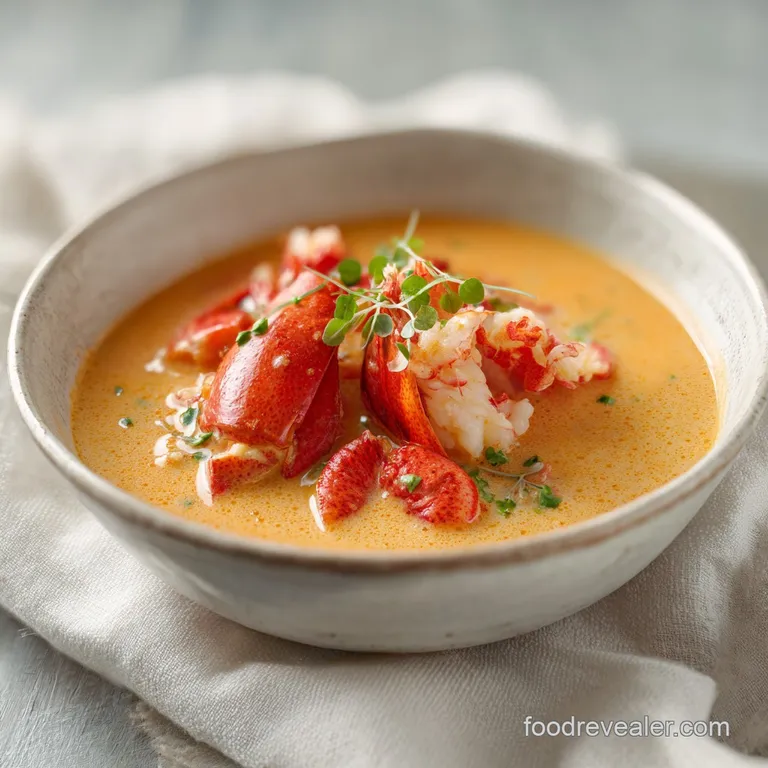
- Time: Active 20 minutes, Passive 40 minutes, Total 60 minutes
- Flavor/Texture Hook: Velvety, butter rich, and ocean sweet
- Perfect for: Special family Sunday dinners or impressive entertaining
- Mastering a Velvety Crab and Shrimp Bisque
- The Secrets of Shellfish Science
- Curating Premium Seafood Components
- Must Have Tools for Silky Textures
- Layering Flavors for Deep Depth
- Navigating Common Texture Hiccups
- Dietary Adjustments and Flavor Swaps
- Managing Leftovers and Freshness
- Pairing Sides for Hearty Meals
- Kitchen Myths Debunked
- Recipe FAQs
- 📝 Recipe Card
Mastering a Velvety Crab and Shrimp Bisque
The sizzle of shrimp shells hitting a hot pan with olive oil is a sound that instantly transports me back to my grandmother’s kitchen on rainy coastal afternoons. There is something primal about that aroma salty, sweet, and deeply toasted that signals a meal worth waiting for.
I used to think a bisque this complex was reserved for high end bistros, but after years of scorched pots and thin, watery disappointments, I realized the secret isn't a fancy chef's degree; it's simply how you treat the shells.
Trust me, if you’ve ever thrown away those shrimp tails and shells, we need to have a serious talk. That is where the soul of the soup lives. By toasting them until they turn a vibrant, sunset orange, you unlock a concentrated essence that no store-bought stock can replicate.
This recipe is all about that slow build from the initial shell sear to the final, gentle fold of jumbo lump crabmeat. It's the kind of dish that makes everyone at the table go quiet after the first spoonful.
We are going to skip the heavy, floury roux that often makes these soups feel like lead in your stomach. Instead, we’re using a combination of pureed aromatics and evaporated milk to achieve a texture that is impossibly smooth without being cloying.
It's comforting, reliable, and exactly what you need when you want to satisfy the soul with something truly special. Let’s get the stove going.
The Secrets of Shellfish Science
Maillard Reaction: Toasting the shrimp shells in olive oil creates new flavor compounds that add a savory, toasted depth impossible to achieve with liquid alone.
Alcohol Solubilization: Using white wine and sherry helps release flavor molecules from the tomato paste and aromatics that are only soluble in alcohol, not water or fat.
Proteolysis Management: Adding the crab and shrimp meat at the very end prevents the proteins from tightening and becoming rubbery, ensuring a tender, melt in-your mouth texture.
Emulsion Stability: Evaporated milk contains more protein than heavy cream, which helps stabilize the soup and prevents it from "breaking" or becoming greasy when reheated.
| Component | Target Temp | Visual Cue | Texture Goal |
|---|---|---|---|
| Shell Stock | Simmer (90°C) | Small bubbles | Deep Amber |
| Veggie Base | Soft (80°C) | Translucent | Fork tender |
| Final Seafood | 63°C | Opaque/Pink | Snap tender |
Cooking this Crab and Shrimp Bisque requires a bit of patience during the stock making phase, but it pays off in spades. If you are planning a full seafood feast, this soup pairs exceptionally well with my Southern Fried Catfish recipe for a true coastal experience. The contrast between the crispy fish and the silky soup is sheer brilliance.
Curating Premium Seafood Components
| Ingredient | Science Role | Pro Secret |
|---|---|---|
| Shrimp Shells | Flavor Base | Never skip the "dry sear" to maximize the toasted aroma. |
| Tomato Paste | Umami & Color | Sauté until it turns brick red to remove the raw metallic tang. |
| Sherry Wine | Acidic Balance | Use dry Amontillado or Oloroso; never "cooking sherry" which is too salty. |
| Evaporated Milk | Creamy Body | Provides a velvety finish without the high fat clogging risk of cream. |
For this recipe, you will need 1 lb raw shrimp (shells and tails removed and reserved), 1 lb jumbo lump crabmeat (picked over for shells), 1 tbsp olive oil, 1 cup dry white wine, 4 cups low sodium seafood stock, 2 tbsp unsalted butter, 1 large sweet onion (finely diced), 2 medium carrots (peeled and diced), 2 stalks celery (diced), 3 cloves garlic (minced), 2 tbsp tomato paste, 1 tsp smoked paprika, 1/2 cup sherry wine, 1 cup evaporated milk, and salt and white pepper to taste.
For the finishing touch, use fresh chives and a pinch of cayenne for garnish.
If you don't have seafood stock, a high-quality chicken bone broth works surprisingly well as a base, as the shrimp shells will provide the necessary ocean flavor. You can swap the evaporated milk for full fat coconut milk if you want a subtle tropical note, though it will slightly alter the classic profile.
Why this? Jumbo lump crab provides the most satisfying, meaty texture in every single spoonful.
Must Have Tools for Silky Textures
To get that restaurant quality finish, a high speed blender or a very reliable immersion blender is non negotiable. I personally prefer a stand blender for the smoothest results, but you have to be careful with hot liquids never fill it more than halfway, and always keep a kitchen towel over the lid.
You'll also need a fine mesh sieve (a chinois is even better) to strain out every last bit of shell and veggie fiber.
A heavy bottomed Dutch oven, like a Le Creuset, is my go to for this because it holds heat beautifully, ensuring the aromatics sweat evenly without scorching. If you find the soup is a bit too rich, serving a crisp California Roll Cucumber recipe on the side provides a refreshing palate cleanser between bites of the decadent bisque.
Layering Flavors for Deep Depth
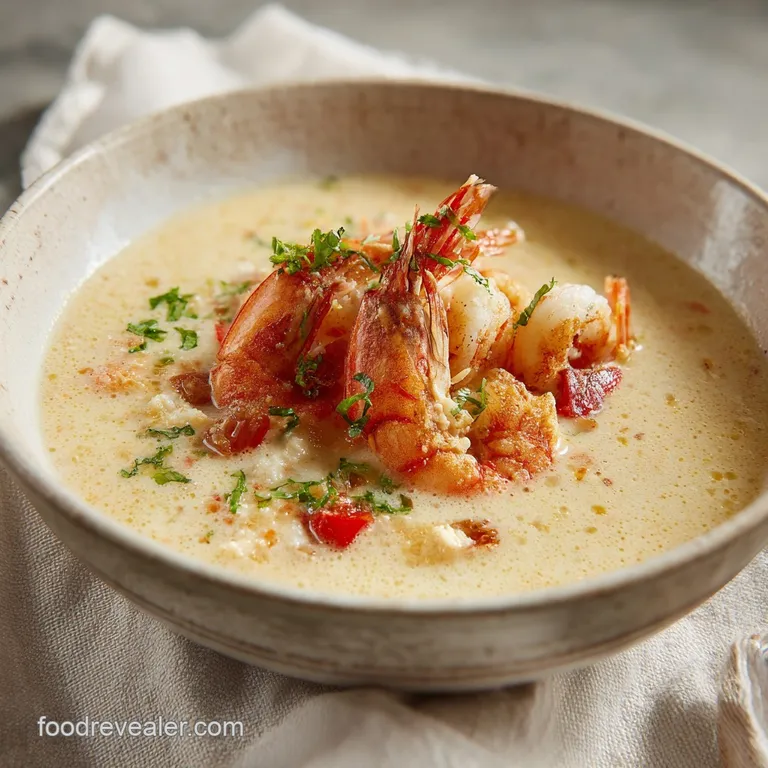
- Heat olive oil in the Dutch oven over medium high heat. Note: You want the oil shimmering but not smoking.
- Add reserved shrimp shells and tails to the pot. Sauté for 5 minutes until shells are bright pink and fragrant.
- Pour in white wine to deglaze. Scrap the bottom of the pan until all browned bits are dissolved.
- Add seafood stock and simmer for 15 minutes. Strain the liquid through a fine mesh sieve into a bowl, discarding the shells.
- Wipe out the pot and melt butter over medium heat. Add onion, carrots, and celery. Sauté for 8 minutes until softened and translucent.
- Stir in garlic, tomato paste, and smoked paprika. Cook for 3 minutes until the paste darkens and smells sweet.
- Deglaze with sherry wine. Simmer for 2 minutes until the liquid reduces by half.
- Pour the reserved shell stock back into the pot. Simmer for 10 minutes until the vegetables are very tender.
- Blend the mixture carefully (in batches if needed) until completely smooth. Return to the pot.
- Stir in evaporated milk and raw shrimp meat. Simmer for 3 minutes until shrimp are pink and curled.
- Fold in the lump crabmeat gently. Heat for 2 minutes until the seafood is warmed through. Season with salt and white pepper.
Chef's Tip: If you want an even deeper color, add the smoked paprika directly to the hot butter before the vegetables. The fat "blooms" the spice, releasing its vibrant oils and smoky aroma more effectively than adding it later.
Navigating Common Texture Hiccups
Why Your Bisque Separated
If the soup looks grainy or has a layer of oil on top, it usually means it boiled too hard after the dairy was added. High heat causes the proteins in the milk to clump together. To fix this, you can try a quick pulse with the immersion blender to re emulsify the fats, but the best cure is prevention: keep the heat at a gentle "shiver" once the evaporated milk is in the pot.
Why the Flavor Tastes Flat
Seafood needs salt and acid to shine. If it tastes dull, it’s likely lacking one of these. Before you reach for the salt shaker, try a tiny squeeze of fresh lemon juice or an extra teaspoon of sherry. You'll notice the flavors "pop" and the sweetness of the crab becomes much more apparent.
| Problem | Root Cause | Solution |
|---|---|---|
| Thin consistency | Veggies not fully pureed | Blend longer or whisk in a small cornstarch slurry. |
| Gritty texture | Poor straining | Use a double layer of cheesecloth in your sieve. |
| Rubbery shrimp | Overcooked | Add raw shrimp only in the last 3-4 mins of cooking. |
Common Mistakes Checklist
- ✓ Never boil the soup after adding the crab and evaporated milk.
- ✓ Pat the crabmeat dry before adding to prevent watering down the base.
- ✓ Don't skip straining the shell stock; even a small fragment of shell ruins the experience.
- ✓ Use white pepper instead of black pepper to maintain the clean, pale aesthetic of the bisque.
- ✓ Always pick through the crabmeat by hand to find hidden bits of cartilage.
Dietary Adjustments and Flavor Swaps
To make this a cajun crab and shrimp seafood bisque, swap the smoked paprika for a tablespoon of high-quality Cajun seasoning and add a finely diced green bell pepper to your aromatic base (the "holy trinity"). This adds a spicy, earthy kick that pairs perfectly with the sweetness of the seafood.
For a dairy-free version, use full fat canned coconut milk or a cashew based cream. The cashew cream is particularly good because it mimics the thickness of evaporated milk without adding a strong nutty flavor.
If you are looking to lower the carbs, you can replace the carrots with extra celery and use a bit of xanthan gum (just a pinch!) to thicken the base instead of relying on the vegetable puree. However, I find the carrots add a necessary sweetness that balances the salinity of the seafood stock.
Managing Leftovers and Freshness
Storage: This bisque keeps beautifully in the fridge for up to 2 days. In fact, the flavors often deepen overnight. Store it in an airtight glass container to prevent any "fridge smells" from tainting the delicate seafood.
Freezing: I generally don't recommend freezing this once the dairy and crab are added, as the texture of the crab can become mushy upon thawing. However, you can freeze the "base" (the stock and pureed vegetables) for up to 3 months. Just add the fresh seafood and milk when you're ready to serve.
Zero Waste: Don't throw away the veggie scraps! Onion skins, celery ends, and carrot peels can be tossed into your next batch of homemade vegetable stock. If you have leftover bisque that isn't quite enough for a full meal, use it as a decadent sauce over pan seared white fish or stirred into a seafood risotto.
Pairing Sides for Hearty Meals
Since this is such a rich, velvety soup, you want sides that offer texture and acidity. A crusty sourdough baguette is mandatory for swiping up every last drop from the bottom of the bowl.
If you want something more substantial, a simple green salad with a sharp lemon shallot vinaigrette cuts through the creaminess perfectly.
For a true "wow" factor at a dinner party, serve the bisque in warmed bowls and top with a few reserved chives and a tiny pinch of cayenne. The heat from the cayenne isn't meant to burn; it's there to provide a subtle "thrum" on the back of the palate that makes the sweet crabmeat taste even more vibrant.
It's a comfort classic that truly satisfies the soul.
Kitchen Myths Debunked
Many people believe that "seafood stock must boil for hours to get flavor," but this is a myth. Boiling shells for too long can actually extract bitter, calcium like notes. Twenty minutes is the sweet spot for a clean, oceanic essence.
Another common misconception is that you must use heavy cream for a "real" bisque. In reality, traditional French techniques often used rice as a thickener, and evaporated milk is a brilliant modern shortcut that provides the same silkiness with better stability and less fat masking of the delicate seafood.
Finally,, searing meat does not "seal in juices." When we sauté those shrimp shells, we aren't sealing anything; we are creating a Maillard reaction. This is purely about flavor development, not moisture retention, which is why the shells are discarded after they've given their all to the liquid.

Recipe FAQs
Is it necessary to sauté the shrimp shells before making the stock?
Yes, this step is crucial. Toasting the shells until they are bright pink unlocks concentrated, savory flavor compounds via the Maillard reaction, creating depth that plain simmering cannot achieve.
How to prevent the bisque from separating or becoming grainy?
Keep the heat very low after adding the dairy. Do not allow the soup to boil once the evaporated milk is incorporated, as high heat causes the proteins to seize and separate the fats.
What is the best way to achieve a perfectly smooth, restaurant quality texture?
Blend the soup completely using a high speed blender. Afterward, strain the entire mixture thoroughly through a fine mesh sieve or chinois to remove any remaining fibrous vegetable or shell matter.
How to ensure the crabmeat stays tender and doesn't become rubbery?
Add the lump crabmeat only in the very last two minutes of cooking. The seafood should only be warmed through until opaque, not simmered, to prevent protein toughening.
Can I substitute heavy cream for the evaporated milk mentioned in the recipe?
No, it is better to stick with evaporated milk for best stability. Evaporated milk has a higher protein content which helps emulsify the soup base better, reducing the risk of the final product breaking or becoming overly rich.
When is the ideal time to season the bisque with salt and pepper?
Season the bisque just before the final addition of the crabmeat. Since the seafood stock reduces, wait until this stage to accurately judge the salinity, using white pepper to maintain the aesthetic.
How should I adjust the recipe if I need a lower carb thickener?
Use a very small amount of xanthan gum or omit the carrots entirely. Rely on blending the remaining low-carb aromatics until they are completely smooth to provide the body instead of relying on natural sugars.
Crab Shrimp Bisque Recipe
Ingredients:
Instructions:
Nutrition Facts:
| Calories | 362 kcal |
|---|---|
| Protein | 31.8 g |
| Fat | 11.2 g |
| Carbs | 13.4 g |
| Fiber | 2.1 g |
| Sugar | 6.2 g |
| Sodium | 685 mg |
