Crockpot Potato Soup with Cream Cheese
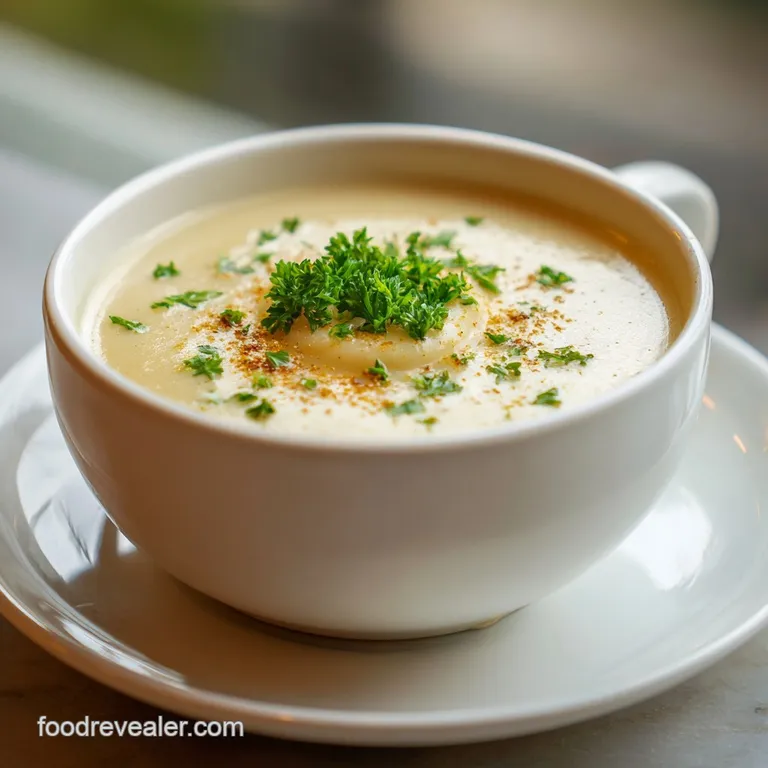
- Time: Active 15 minutes, Passive 4 hours, Total 4 hours 15 minutes
- Flavor/Texture Hook: A velvety, rich base punctuated by the salty shatter of bacon and sharp cheddar.
- Perfect for: Stress free family dinners, cold winter nights, and beginner friendly meal prep.
- Satisfy Your Soul with This Crockpot Potato Soup
- The Science of Velvety Soup
- Component Analysis for Hearty Soups
- The Core Flavor Elements
- The Tools You'll Need
- Step-by-Step Cooking Process
- Fixing Common Textural Issues
- Adjusting for Specific Diets
- Freezing and Reheating Tips
- Best Toppings and Pairings
- Myths Regarding Slow Cooker Soups
- High in Sodium
- Recipe FAQs
- 📝 Recipe Card
Satisfy Your Soul with This Crockpot Potato Soup
Imagine walking through your front door after a long, rainy afternoon and being hit by the scent of slow simmered onions, garlic, and earthy potatoes. There's a specific kind of magic in the way a slow cooker transforms humble root vegetables into a silk like broth that coats the back of your spoon.
I remember the first time I made this for my family; I'd spent years trying to get that pub style thickness using flour, but it always ended up tasting like cardboard paste.
The turning point was when I realized that the potatoes themselves are the secret weapon. By using a massive 5 lbs of Russet potatoes, we're letting their high starch content do the heavy lifting. This isn't just a meal; it's a comforting hug in a bowl that makes the whole house feel warmer.
Trust me, once you see that sharp cheddar melt into the hot broth, you'll never look at a canned soup again. We’re going for a texture that is substantial enough to feel like a meal but smooth enough to satisfy the soul.
Right then, let's get into why this method beats the stovetop every single time. While a pot on the stove requires constant stirring to prevent the bottom from scorching, the Crockpot Potato Soup benefits from gentle, even heat that coaxes the flavors out of the dried thyme and bone broth without any risk of burning.
You basically set it, forget it, and come back to a masterpiece.
The Science of Velvety Soup
Understanding the "how" behind the texture helps you avoid a watery mess or a gluey disaster. It all comes down to the behavior of starch molecules and the stability of your dairy fats.
- Starch Gelatinization: As the Russet potatoes cook, their starch granules swell and eventually burst, releasing amylopectin into the broth which naturally thickens the liquid.
- Emulsification Stability: The lactic acid in the cream cheese and sour cream acts as a natural stabilizer, preventing the heavy cream from curdling when it hits the hot soup.
- The Collagen Factor: Using low sodium chicken bone broth instead of standard stock adds a layer of gelatin that contributes to a richer, more luxurious mouthfeel.
- Controlled Evaporation: The heavy lid of the slow cooker traps steam, which eventually drips back down, intensifying the flavors of the onion and garlic without losing volume.
The choice of cooking method drastically changes the final result, especially when dealing with high starch ingredients like potatoes.
| Method | Time | Texture | Best For |
|---|---|---|---|
| Crockpot | 4 hours | Dense, deeply infused, velvety | Hands off meal prep |
| Stovetop | 45 minutes | Lighter, chunks more intact | Quick weeknight fix |
| Pressure Cooker | 15 mins | Very soft, can become watery | Emergency dinners |
While the stovetop is faster, it doesn't allow the aromatics to permeate the cell walls of the potatoes quite as thoroughly. The slow cooker method ensures every bite tastes like it’s been marinating for a lifetime.
Component Analysis for Hearty Soups
Selecting the right ingredients is half the battle when you want a soup that doesn't just taste good but feels professional. Not all potatoes or fats are created equal in the world of slow cooking.
| Ingredient | Science Role | Pro Secret |
|---|---|---|
| Russet Potatoes | High starch provider | Peeling is mandatory for the smoothest finish. |
| Cream Cheese | Fat based thickener | Soften to room temp to avoid white flecks in soup. |
| Bone Broth | Flavor/Protein base | Adds a "cooked all-day" depth that water lacks. |
| Sharp Cheddar | Flavor & Viscosity | Grate it yourself; pre shredded has waxy anti clumping agents. |
Chef Tip: Freeze your block of cream cheese for 10 minutes before dicing. It makes it much easier to cut into clean cubes that melt evenly into the hot liquid later on.
If you love a more structured potato side where the texture remains firm, try my Roasted Potatoes recipe. For this soup, however, we want those edges to break down slightly to create that signature body.
The Core Flavor Elements
This list is designed to balance the earthy tones of the potato with the brightness of the dairy and the saltiness of the bacon. Using high-quality fats is non negotiable here.
- 5 lbs Russet Potatoes: Peeled and cubed. Why this? Russets have the highest starch for natural thickening.
- Substitute: Yukon Gold (waxy but adds a buttery color).
- 1 large yellow onion: Finely diced. Why this? Provides the foundational savory sweetness.
- Substitute: Shallots for a more delicate, garlicky hum.
- 3 cloves garlic: Minced. Why this? Essential for aromatic depth.
- Substitute: 1 tsp garlic powder (less punchy but works).
- 4 cups low sodium chicken bone broth: Why this? Controls salt while adding body.
- Substitute: Vegetable broth for a meatless base.
- 1 tsp dried thyme: Why this? Adds a subtle woodsy note.
- Substitute: Fresh thyme (use 3x the amount).
- 8 oz cream cheese: Cubed and softened. Why this? Creates a tangy, stable emulsion.
- Substitute: Mascarpone for a sweeter, richer finish.
- 1 cup sharp cheddar cheese: Freshly shredded. Why this? Cuts through the richness of the potato.
- Substitute: Gruyère for a nuttier profile.
- 0.5 cup full fat sour cream: Why this? Adds essential acidity.
- Substitute: Plain Greek yogurt (may be slightly grainier).
- 0.5 cup heavy cream: Why this? Silky mouthfeel.
- Substitute: Half and half (lighter, less "velvety").
- 6 strips thick cut bacon: Cooked/crumbled. Why this? Provides a smoky, salty contrast.
- Substitute: Smoked paprika (vegetarian friendly smoke).
- 3 green onions: Sliced. Why this? Freshness and color.
- Substitute: Fresh chives.
For another cheese laden favorite that uses similar dairy techniques, look at my Creamy Scalloped Potatoes recipe. It’s a great way to use up extra heavy cream.
The Tools You'll Need
Having the right gear prevents unnecessary messes. You'll need a large 6 quart or 7 quart slow cooker (such as a Crock Pot or Hamilton Beach model) to accommodate the volume of the 5 lbs of potatoes and broth.
A sharp vegetable peeler is your best friend here. I prefer the Y shaped ones because they give you better leverage over large Russets. You’ll also need a heavy duty potato masher.
Don’t use an immersion blender unless you want a completely smooth, almost liquid soup; a hand masher allows you to leave some "rustic" chunks for better texture.
Finally,, grab a box grater. Seriously, don't buy the bagged cheese. The cellulose coating on pre shredded cheese prevents it from melting smoothly into your Crockpot Potato Soup, often resulting in a grainy texture that ruins the velvety finish we’re aiming for.
step-by-step Cooking Process
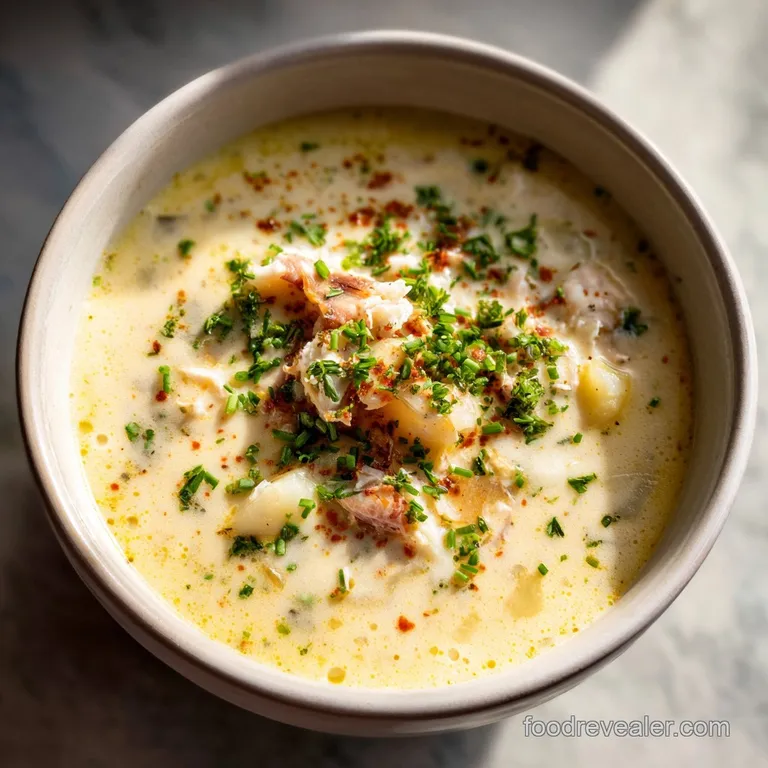
- Prep the potatoes. Peel the 5 lbs of Russets and cube them into 1 inch pieces. Note: Keep them uniform so they cook at the same rate.
- Combine aromatics. Place the potatoes, diced yellow onion, and minced garlic into the slow cooker.
- Season the base. Sprinkle the salt, pepper, and dried thyme over the vegetables.
- Add liquid. Pour in the 4 cups of chicken bone broth. until potatoes are mostly submerged.
- Slow simmer. Cover and cook on High for 4 hours. until potatoes are fork tender and starting to crumble.
- Texture adjustment. Use a potato masher to crush about half of the potatoes directly in the pot. Note: This releases the starch to thicken the soup naturally.
- Incorporate dairy. Stir in the cubed cream cheese, sour cream, and heavy cream.
- Melt the cheese. Add the shredded sharp cheddar and stir until the cheese is completely melted and the soup is silky.
- Garnish and serve. Fold in half of the crumbled bacon, then top individual bowls with the rest of the bacon and green onions.
Fixing Common Textural Issues
Sometimes things go sideways. Maybe your potatoes were extra starchy, or maybe you left the lid off too long. Don't panic; most potato soup issues are easily fixed with a little kitchen chemistry.
Why Your Soup Is Too Thin
If you open the lid and it looks like potato water, you probably haven't released enough starch. The "smash" step is vital. If it's still thin after mashing, you can temper 1 tablespoon of cornstarch with a bit of cold broth and stir it back in.
Why Your Soup Is Grainy
This usually happens if the dairy is added while the soup is at a rolling boil or if you used pre shredded cheese. The proteins in the cheese can clump. To fix this, you can try whisking in a splash more heavy cream to help emulsify the fats.
| Problem | Root Cause | Solution |
|---|---|---|
| Gluey Texture | Over working the starch | Switch to a hand masher; never use a food processor. |
| Bland Flavor | Lack of acidity | Add a teaspoon of lemon juice or apple cider vinegar. |
| White Flecks | Cold cream cheese | Whisk the cream cheese with a ladle of hot broth before adding. |
Common Mistakes Checklist
- ✓ Always peel your Russet potatoes to avoid tough skin bits in the broth.
- ✓ Don't skip the "resting" phase after adding dairy; let it sit for 5-10 mins to thicken.
- ✓ Use room temperature cream cheese to ensure it melts without clumping.
- ✓ Avoid the "Warm" setting for too long after adding dairy, as it can separate the fats.
- ✓ Season with salt at the very end to prevent the broth from becoming too salty as it reduces.
Adjusting for Specific Diets
If you need to feed a crowd with different needs, this recipe is surprisingly flexible. Because it relies on potato starch for body, it is naturally gluten-free as long as your broth is certified.
For a vegetarian version, swap the chicken bone broth for a rich vegetable stock. You can replace the bacon with smoked paprika or "facon" bits to keep that smoky profile.
To make it a lighter version, you can swap the heavy cream for whole milk and use low-fat sour cream, though the soup will be noticeably thinner.
When scaling this recipe DOWN (half batch), use a smaller 3 quart slow cooker. Reduce the cooking time by about 30 minutes, as smaller volumes tend to heat up faster. If scaling UP (double batch), ensure you have an 8 quart or larger crockpot.
Keep the spices at 1.5x the original amount and adjust salt to taste at the end to avoid over seasoning.
Freezing and Reheating Tips
Potato soup is a bit finicky in the freezer because potatoes can become grainy when thawed. However, because this recipe has a high fat content from the cream cheese and heavy cream, it actually holds up better than broth based versions.
- Storage
- Store leftovers in an airtight container in the fridge for up to 4 days. The soup will thicken significantly as it cools.
- Freezing
- Freeze for up to 2 months. To prevent the "grainy" texture, freeze it before adding the sour cream and fresh cheddar if you’re planning ahead.
- Reheating
- Reheat on the stovetop over low heat. You will likely need to add a splash of milk or broth to loosen it back up. Whisk vigorously as it heats to re emulsify the fats.
Zero Waste Tip: Don't toss those potato peels! Toss them with olive oil, salt, and pepper, then bake at 400°F (200°C) until crispy for a chef style "potato skin" snack to serve alongside the soup.
Best Toppings and Pairings
This soup is a canvas for textures. The contrast between the velvety base and crispy toppings is what makes it "loaded."
For the best experience, serve this in warmed bowls with a side of crusty sourdough bread. The acidity of the sourdough cuts through the richness of the cheddar and heavy cream beautifully.
If you want to go the extra mile, a simple green salad with a sharp vinaigrette provides a much needed palate cleanser between bites of the decadent soup.
- Richness
- Heavy cream and cream cheese.
- Sharpness
- Aged cheddar and green onions.
- Smoke
- Thick cut bacon.
- Earthiness
- Russet potatoes and dried thyme.
Whatever you do, don't skimp on the green onions they provide a "pop" of freshness that prevents the soup from feeling too heavy.
Myths Regarding Slow Cooker Soups
One common misconception is that you can't overcook potatoes in a slow cooker. While they won't burn, they can "disintegrate" to the point where the soup loses all structure and becomes grainy. Stick to the 4 hour mark on High for the best balance of tenderness and body.
Another myth is that you need a roux (butter and flour) to make a thick soup. In this Crockpot Potato Soup, the potatoes provide all the starch necessary. Adding flour often masks the clean flavor of the vegetables and can lead to a "pasty" mouthfeel that obscures the high-quality bone broth.
Trust the starch; it knows what it's doing.
Finally, many people believe that you should add the dairy at the beginning. This is a recipe for curdled disaster. Heat breaks down dairy proteins over long periods; adding your cream, sour cream, and cheeses at the very end ensures a smooth, glossy finish every time.

High in Sodium
890 mg mg of sodium per serving (39% % of daily value)
The American Heart Association recommends limiting sodium intake to about 2,300mg per day for most adults.
Tips to Reduce Sodium in Your Loaded Potato Soup
-
Broth Swap-30%
Replace the low-sodium chicken bone broth with no-sodium chicken broth. This simple swap can significantly cut down on the overall sodium content.
-
Cheese Control-15%
Reduce the amount of sharp cheddar cheese by half, or substitute with a lower sodium cheese alternative, such as Swiss or Monterey Jack, which naturally contain less sodium.
-
Bacon Bits Strategy-10%
Use half the amount of bacon or consider using turkey bacon, which generally contains less sodium than pork bacon. You can also add a touch of smoked paprika for a smoky flavor.
-
Salt Reduction-25%
Reduce the added salt by half, and taste before adding more. The broth and bacon already contribute saltiness to the dish, so you may not need as much.
-
Herb & Spice Boost
Enhance the flavor of the soup by increasing the amount of dried thyme, black pepper, and garlic. Experiment with other herbs and spices, such as parsley, rosemary, or onion powder, to boost flavor without adding sodium.
-
Sour Cream Sub-10%
Try using plain Greek yogurt instead of sour cream. It offers a similar tang and creaminess, but is naturally lower in sodium and higher in protein.
-
Onion Amplification-5%
Increase the amount of onion in the soup. As it cooks, the onion will add sweetness that helps balance the saltiness of the other ingredients.
Recipe FAQs
How do you cook potato soup in a slow cooker?
Combine ingredients and cook on High for 4 hours. Place peeled, cubed potatoes, onions, garlic, thyme, and broth into the slow cooker. Mash half the potatoes near the end, then stir in cream cheese, sour cream, and cheddar until smooth.
What is the secret to the best potato soup?
Letting the potatoes create the thickener naturally. The high starch content of Russet potatoes gelatinizes during the slow cook, creating a velvety body without needing a flour based roux.
What are some common mistakes to avoid when making potato soup?
Avoid adding dairy at the beginning and using pre-shredded cheese. Dairy proteins can curdle or separate under prolonged, direct heat, and the anti caking agents in bagged cheese prevent smooth melting.
Do you have to boil potatoes before putting in a slow cooker?
No, boiling beforehand is unnecessary. The slow cooker provides even, gentle heat over several hours, which is the ideal environment for the potatoes to soften completely and release their starches slowly.
How do I fix potato soup that turns out too thin?
Mash more cooked potatoes to release more starch. If it's still too watery after mashing, temper 1 tablespoon of cornstarch with a small amount of cold broth and stir it into the hot soup.
What is the ideal potato type for this recipe?
Use Russet potatoes for the smoothest consistency. Russets have the highest starch content, which is essential for the natural thickening process we rely on in this low-and-slow method.
When should I add the cream cheese and cheddar?
Add all dairy products in the final 10 minutes of cooking. This allows the cream cheese and cheddar to melt gently without overheating, preventing the fats from separating or the cheese from becoming grainy.
Crockpot Potato Soup Recipe

Ingredients:
Instructions:
Nutrition Facts:
| Calories | 508 kcal |
|---|---|
| Protein | 15g |
| Fat | 25g |
| Carbs | 54g |
| Fiber | 4g |
| Sugar | 4g |
| Sodium | 890mg |
