Hollandaise Sauce: Foolproof and Silky
- Time: Active 5 minutes, Passive 2 minutes, Total 7 minutes
- Flavor/Texture Hook: Velvety, buttery, and bright with citrus
- Perfect for: Festive weekend brunch hosting and elegant celebrations
- Mastering the Perfectly Golden Hollandaise Sauce
- Why This Silky Sauce Works
- Precision Stats for Success
- The Elements of Great Flavor
- Tools for a Smooth Emulsion
- Step-by-Step Blender Method Guide
- Fixing Common Sauce Struggles
- Flavor Twists and Smart Scaling
- Storage and Reheating Secrets
- Plating for a Festive Brunch
- Recipe FAQs
- 📝 Recipe Card
Mastering the Perfectly Golden Hollandaise Sauce
Imagine the soft morning light hitting a table set with fresh linens, the soft pop of a champagne cork, and the bright scent of fresh citrus. That is the setting where this Hollandaise Sauce truly belongs.
It is the undisputed crown jewel of the French "Mother Sauces," though it actually carries a bit of a travel story. Historically, this sauce was known as Sauce Isigny, named after a famous butter producing region in Normandy.
During World War I, when butter production shifted, the name changed to Hollandaise as a nod to the high-quality butter imported from Holland. It is a sauce born of tradition, meant to turn a simple poached egg into a celebratory event.
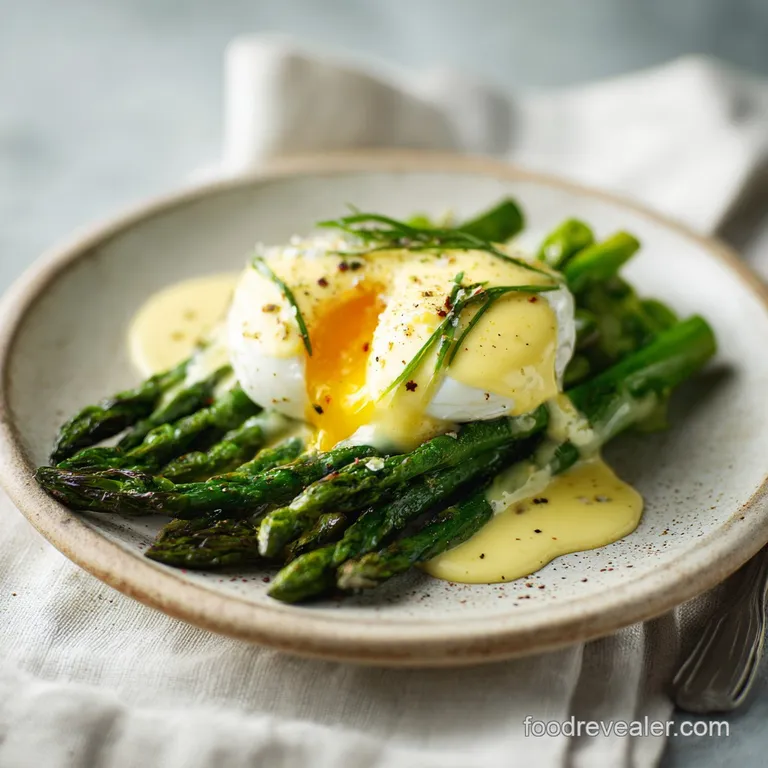
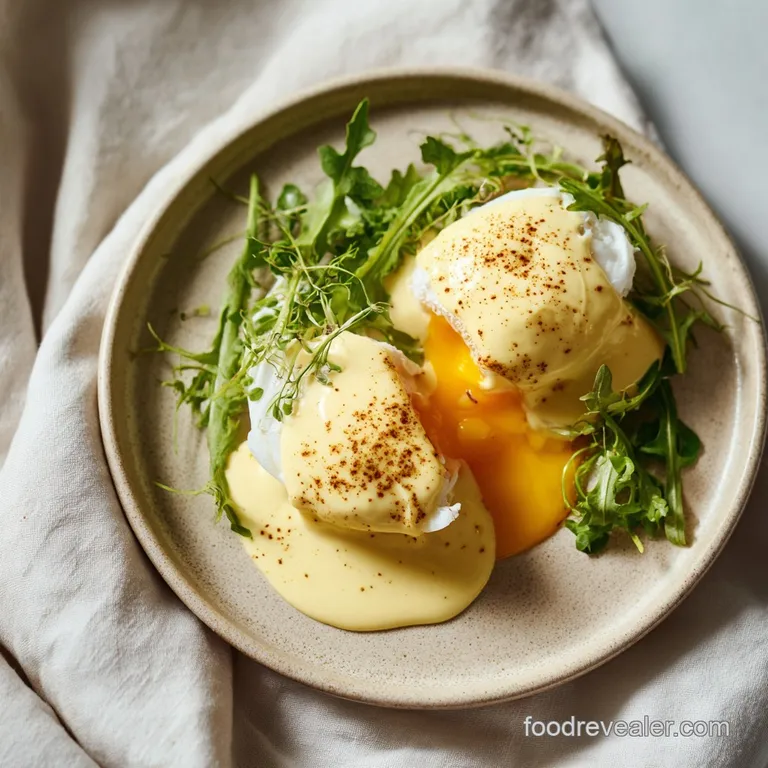
When you see that thick, pale yellow ribbons of sauce cascading over a stack of asparagus or a perfectly toasted English muffin, you know you are in for a treat. It is creamy, rich, and carries just enough acidity to wake up your palate.
For years, people were terrified of making this at home because the traditional method involves whisking over a pot of simmering water until your arm feels like it might fall off. One wrong move, and you have scrambled eggs. But we are leaving that stress behind.
We are focused on the celebration, the creative mimosas, and the joy of hosting our favorite people without being stuck over a stove for an hour.
The texture here should be nothing short of velvety. It is not just a topping; it is a luxurious blanket that brings everything together. If you have ever felt intimidated by the idea of an emulsion, think of it as a culinary handshake between fat and liquid.
We are going to make that handshake happen in a blender in about two minutes flat. This method is the secret of the world's best brunch hosts, allowing you to focus on filling glasses and laughing with friends rather than worrying about curdling.
Why This Silky Sauce Works
The magic of this sauce lies in the relationship between the proteins in the egg yolks and the fats in the butter. When we pulse the yolks with lemon juice, we are preparing the proteins to stretch and wrap around tiny droplets of fat.
This creates a stable structure that feels heavy on the tongue but light on the palate.
- Thermal Stability: Bubbling butter at 175°F provides exactly enough heat to pasteurize the yolks without scrambling them.
- Acid Interaction: Lemon juice lowers the pH, which helps the egg proteins denature more predictably for a smoother finish.
- Mechanical Force: The high speed of the blender blades breaks the butter into microscopic droplets, making the emulsion nearly unbreakable.
- Lecithin Power: Natural emulsifiers in the yolk act as a bridge, holding the water and fat together in a permanent bond.
How the Butter and Yolk Bond
The blender creates a vortex that forces the hot butter to integrate with the egg yolks at a cellular level. This rapid movement ensures that each fat molecule is immediately coated in yolk protein, preventing the sauce from separating or becoming greasy.
| Method | Time | Texture | Best For |
|---|---|---|---|
| Blender | 7 minutes | Perfectly smooth and airy | High speed brunch hosting |
| Double Boiler | 15 minutes | Dense and very rich | Traditional French technique |
| Stovetop | 12 minutes | Thick but risky | Experienced cooks only |
The blender method is clearly the winner for anyone who wants to actually enjoy their own party. It provides a level of consistency that is hard to replicate by hand, especially when you are on your second mimosa of the morning.
Precision Stats for Success
To get that restaurant quality finish every single time, we need to focus on three specific numbers. Cooking by feel is great for a stew, but Hollandaise is a game of temperature and timing. If your butter is too cold, the sauce won't thicken; if it is too hot, the eggs will cook too fast and turn chunky.
- Temperature:175°F (80°C) is the sweet spot for your melted butter to ensure the eggs are safely cooked but remain silky.
- Timing: A 5-10 second initial pulse for the yolks ensures they are frothy and ready to accept the fat.
- Drizzle Speed: Aim for a total drizzle time of about 60 seconds to allow the emulsion to build strength gradually.
The Elements of Great Flavor
For such a simple list of ingredients, quality is everything. Since butter is the primary flavor, using a high-quality unsalted version allows you to control the seasoning precisely. Fresh lemon juice is non negotiable, as the bottled stuff lacks the bright, floral notes that cut through the richness of the egg.
| Component | Science Role | Pro Secret |
|---|---|---|
| Egg Yolks | Primary Emulsifier | Use room temperature eggs for a faster, more stable bond |
| Unsalted Butter | Structural Fat | Melt until it stops foaming to ensure all water is evaporated |
| Lemon Juice | Protein Denaturant | Strain the juice to avoid pulp that can break the silky texture |
- 3 large egg yolks: Why this? Provides the fat and lecithin needed to bind the sauce together.
- Substitute: 4 tablespoons of pasteurized liquid egg yolks for convenience.
- 1 tablespoon fresh lemon juice: Why this? Provides necessary acidity to balance the heavy fats.
- Substitute: White wine vinegar if you want a sharper, more savory profile.
- 1/2 cup unsalted butter: Why this? The backbone of the sauce; unsalted allows for seasoning control.
- Substitute: Clarified butter (Ghee) for an even more stable, higher temperature sauce.
- 1/4 teaspoon fine sea salt: Why this? Enhances the flavor of the butter and yolk.
- Substitute: Kosher salt (adjust for larger grain size).
- 1 pinch cayenne pepper: Why this? Adds a subtle warmth without making the sauce spicy.
- Substitute: White pepper for a cleaner look with the same kick.
- 1 teaspoon warm water: Why this? Thins the sauce to a pourable consistency if it gets too thick.
- Substitute: Warm heavy cream for an ultra decadent variation.
Tools for a Smooth Emulsion
You don't need a professional kitchen, but a few specific tools make this process a breeze. A high speed blender (like a Vitamix or even a standard NutriBullet) is the best choice for this method. The narrow base of a smaller blender jar actually helps the blades catch the small volume of egg yolks more effectively.
You will also need a small, heavy bottomed saucepan to melt the butter. A heavy pan distributes heat more evenly, preventing the butter from browning too quickly unless that is the flavor profile you are going for.
An instant read thermometer is your best friend here, as it takes the guesswork out of the butter temperature. Finally, a small rubber spatula is essential for scraping every last drop of that liquid gold out of the blender jar.
step-by-step Blender Method Guide
- Prep the base. Place the 3 egg yolks, 1 tablespoon lemon juice, 1/4 teaspoon sea salt, and a pinch of cayenne pepper into the blender.
- Aerate the yolks. Pulse the mixture for 5-10 seconds until it is pale yellow and slightly frothy. Note: This incorporates air, making the final sauce lighter.
- Heat the butter. In a small saucepan over medium heat, melt the 1/2 cup unsalted butter until it is bubbling and reaching 175°F.
- Ready the motor. Turn the blender on its lowest constant setting.
- Start the stream. Slowly drizzle the hot butter through the hole in the blender lid in a thin, steady stream about the width of a toothpick.
- Build the emulsion. Continue drizzling for about 60 seconds until the sauce visibly thickens and becomes glossy.
- Check consistency. If the sauce is too thick to pour, add 1 teaspoon of warm water and pulse briefly.
- Final taste. Give it a quick taste and add another tiny pinch of salt or a drop of lemon if needed.
- Serve immediately. Pour the sauce over your dish until every crevice is filled with golden goodness.
Fixing Common Sauce Struggles
Even with the blender method, things can sometimes go sideways. The most common heartbreak is a "broken" sauce, where the butter separates and you are left with a greasy mess. This usually happens if the butter was added too fast or if the temperature was too high.
Why Your Sauce Separated
If the fat isn't properly suspended in the yolk, it will pool at the top. This happens when the emulsion is overwhelmed by the volume of oil. You can often save it by adding a teaspoon of boiling water and blending on high speed. The heat and moisture can help re establish the bond between the molecules.
Why Your Sauce Is Runny
If your sauce looks like yellow milk, the butter likely wasn't hot enough to "cook" the yolks and thicken them. You can try setting the blender jar in a bowl of warm water and blending again, or slowly adding more melted (and hotter) butter.
| Problem | Root Cause | Solution |
|---|---|---|
| Curdled/Grainy | Butter was too hot | Strain through a fine mesh sieve and blend with a fresh yolk |
| Greasy surface | Added butter too fast | Whisk in a teaspoon of hot water very vigorously |
| Tastes bland | Needs more acid | Add a tiny splash of lemon juice or a pinch of salt |
Common Mistakes Checklist
- ✓ Never use cold eggs; let them sit on the counter for 15 minutes first.
- ✓ Don't skip the pulse step; aerated yolks hold the fat much better.
- ✓ Avoid browning the butter; we want the clean taste of sweet cream.
- ✓ Keep the blender on the lowest setting to prevent over shearing the sauce.
- ✓ Use the sauce within 30 minutes; it does not hold its texture well for long periods.
Flavor Twists and Smart Scaling
This recipe is designed for a standard brunch of six, but you can easily scale it up for a larger celebration. If you are hosting a big crowd, double the ingredients, but be sure to use a larger blender.
For small batches (half recipe), use a tall, narrow container and an immersion blender to ensure the blades are fully submerged in the yolks.
If you are feeling creative, you can transform this classic into something entirely new. For a savory, herbaceous kick, try folding in some finely chopped tarragon and shallots to turn it into a Béarnaise style sauce. If you want something a bit more vibrant, a spoonful of homemade Basil Pesto swirled in at the end adds a beautiful green hue and an aromatic punch that pairs perfectly with roasted tomatoes.
- If you want a smokier flavor, add 1/2 teaspoon of smoked paprika.
- If you want it extra rich, replace the warm water with a teaspoon of heavy cream.
- If you want a citrus twist, use grapefruit juice instead of lemon for a "Sauce Maltaise" vibe.
Storage and Reheating Secrets
Hollandaise is notorious for being difficult to store because it is a delicate emulsion of egg and fat. If it gets too cold, the butter solidifies; if it gets too hot, the eggs scramble. For the best experience, I always recommend making it fresh.
However, if you have leftovers, store them in an airtight container in the fridge for up to 2 days.
To reuse your sauce, do not put it in the microwave! It will explode and separate. Instead, place the container in a bowl of warm (not boiling) water and stir gently until it reaches a pourable consistency.
If you have extra butter and yolks, you can use the leftover sauce as a base for a rich sandwich spread or whisk it into a quiche filling for extra luxury. Zero waste is all about finding creative ways to use those high-quality ingredients.
Plating for a Festive Brunch
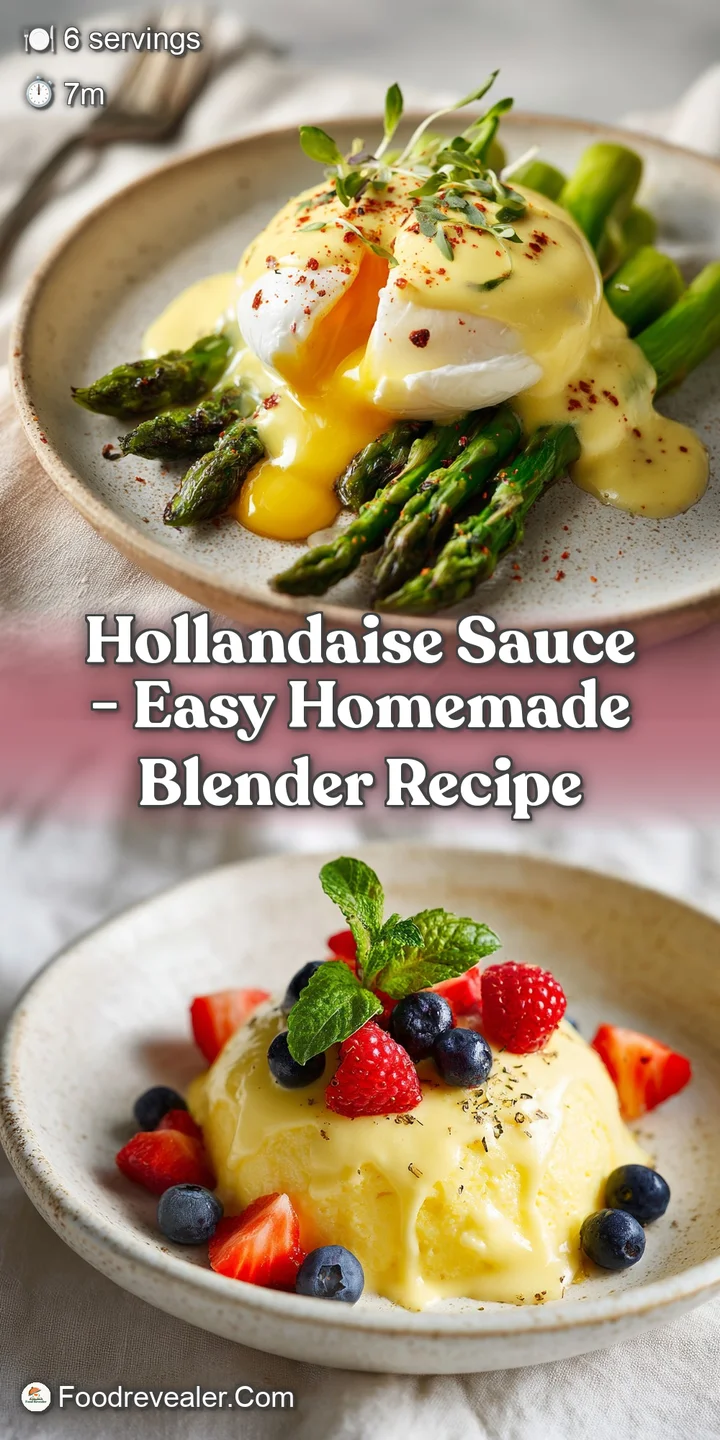
When it comes to hosting, the presentation is just as important as the taste. This sauce is a celebratory element, so give it the spotlight it deserves. Whether you are serving it over a classic Eggs Benedict or a side of steamed asparagus, the way you pour matters.
| Level | Plating Tweak | Visual Result |
|---|---|---|
| Simple | Single large ladle over the center | Homestyle and comforting |
| Polished | Ribbon like drizzle across the length | Elegant and structured |
| Restaurant | Small "pools" with herb garnish | Modern and sophisticated |
For a truly memorable spread, serve this alongside something sweet to balance the salt. A New Orleans Bread Pudding makes for a spectacular dessert after a savory Hollandaise heavy main course. When you are plating, remember that the sauce will thicken as it cools, so pour it while it is still warm and flowing. Add a sprinkle of fresh chives or a tiny dusting of smoked paprika on top to give it that festive, finished look.
| Feature | Stovetop | Oven (Butter Melt) |
|---|---|---|
| Temperature Control | Difficult to maintain | Very consistent |
| Risk of Burning | High if unattended | Low and slow |
| Speed | Fast but active | Passive and easy |
Melting your butter in the oven at a low temp (around 200°F) is a great hosting tip. It keeps the butter warm and ready without you having to watch a pot while you are busy making mimosas for your guests.
Enjoy the celebration, keep the bubbles flowing, and let the sauce be the star of your weekend!
Recipe FAQs
What are the ingredients of hollandaise sauce?
This sauce consists of only six ingredients. You will need 3 large egg yolks, 1 tablespoon of fresh lemon juice, 1/2 cup of unsalted butter, 1/4 teaspoon of fine sea salt, 1 pinch of cayenne pepper, and 1 teaspoon of warm water.
What is the most common mistake in hollandaise sauce?
Adding the butter too quickly is the primary cause of broken sauce. You must drizzle the hot butter in a slow, steady stream while the blender runs on its lowest setting to ensure a stable emulsion.
What is a good substitute for hollandaise sauce?
A lighter citrus cream reduction is your best alternative. If you enjoy this creamy profile, try the sauce from our coconut lemon cream cod for a similar tangy richness.
What is the difference between Benedict sauce and hollandaise sauce?
There is no difference, as they are the exact same thing. Hollandaise is simply the classic, rich emulsion traditionally served over Eggs Benedict.
How to fix a sauce that has separated?
Add a teaspoon of warm water to the blender and pulse again. If you enjoyed mastering the stable emulsion required here, use that same whisking control to perfect our smoky charred shrimp glaze later.
Is it true that I should reheat hollandaise in the microwave?
No, this is a common misconception. The microwave will cause the emulsion to break and the eggs to scramble instantly; always use a warm water bath to gently bring the sauce back to a pourable consistency.
How to ensure the butter is the right temperature?
Heat the butter in a saucepan until it is bubbling and reaches 175°F. Using a thermometer is the safest way to guarantee it is hot enough to cook the yolks slightly without curdling them.
Easy Blender Hollandaise Sauce
Ingredients:
Instructions:
Nutrition Facts:
| Calories | 163 kcal |
|---|---|
| Protein | 1.4 g |
| Fat | 17.4 g |
| Carbs | 0.5 g |
| Fiber | 0 g |
| Sugar | 0.1 g |
| Sodium | 102 mg |
