Sourdough Cinnamon Rolls: Fluffy and Tangy
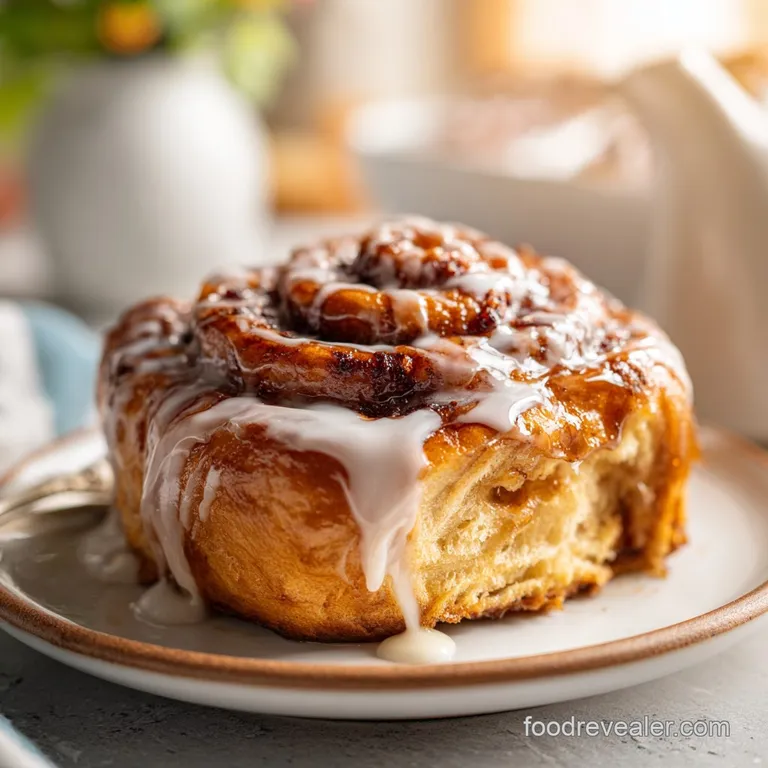
- Time: Active 45 minutes, Passive 30 minutes, Total 75 minutes
- Flavor/Texture Hook: Silky, gooey, and tangy
- Perfect for: Festive weekend brunch hosting
- The Secret to Making Soft Sourdough Cinnamon Rolls
- Vital Statistics for Your Weekend Brunch Sourdough Cinnamon Rolls
- Gathering the Best Ingredients for Sourdough Cinnamon Rolls
- Tools Required for the Sourdough Cinnamon Rolls Project
- Master the Method for Crafting Sourdough Cinnamon Rolls
- Avoiding the Most Common Sourdough Cinnamon Rolls Pitfalls
- Creative Flavor Twists for Your Sourdough Cinnamon Rolls
- Best Methods for Storage and Freshness
- Festive Beverage Pairings and Brunch Ideas
- Recipe FAQs
- 📝 Recipe Card
The Secret to Making Soft Sourdough Cinnamon Rolls
Nothing ruins a festive morning faster than biting into a cinnamon roll only to find it has the structural integrity of a hockey puck. I remember one specific Christmas brunch where I tried to rush the rise.
I ended up serving what my brother affectionately called "cinnamon flavored stones." They were dense, dry, and frankly, an insult to the cream cheese frosting I’d spent twenty minutes whipping. The problem wasn't the ingredients; it was my lack of respect for the fermentation.
We want a crumb that is light, airy, and yields to the slightest pressure of a fork.
To get that velvety, pull apart texture, we have to treat the dough like a living thing. Sourdough isn't just a flavoring agent; it's the engine that creates those tiny air pockets we crave. When we combine that wild yeast with the richness of whole milk and butter, something magical happens.
The crumb becomes tender and almost custard like in the center. This recipe is your targeted fix for the "dense dough" syndrome that plagues so many home bakers. We are going for a celebration on a plate, something that pairs perfectly with a round of creative mimosas and the laughter of friends gathered around the table.
Hosting a brunch should feel breezy, not like a chore. That’s why these Sourdough Cinnamon Rolls are designed to be the star of the show while you focus on the people. The tangy sourdough starter cuts through the sugar of the filling, making these rolls surprisingly sophisticated.
It’s not just a sugar bomb; it’s a balanced, fermented pastry that feels like it came from a high end bakery. Trust me, once you see that first batch emerge from the oven, golden and fragrant, you'll never go back to the canned stuff or even standard yeast recipes.
Vital Statistics for Your Weekend Brunch Sourdough Cinnamon Rolls
Success in baking is often about the little details that happen before the oven even gets turned on. Sourdough is a game of patience and precision. We aren't just tossing things in a bowl; we are building a structure. The sourdough starter provides the lift, but the bread flour provides the strength.
If you use all purpose flour here, the rolls might be soft, but they won't have that iconic "shatter" on the outer edges and the chewy pull in the middle. Bread flour has a higher protein content, which is essential for trapping the gases produced by our wild yeast.
The temperature of your ingredients is the second most important factor. If your milk is too hot, you'll kill the starter. If your egg is straight from the fridge, it will seize up the melted butter. We want everything at a happy, room temperature baseline. This ensures the dough stays supple and easy to work with.
When we talk about a "shaggy dough," we mean a mixture that has just come together it looks messy, but it's full of potential. That's the foundation for our masterpiece.
Managing Dough Hydration for Loft
The hydration of this dough is carefully balanced to ensure it’s tacky enough to rise but strong enough to hold those heavy layers of cinnamon and sugar. If the dough is too dry, the yeast struggles to move and expand. If it’s too wet, the rolls will collapse into a puddle in your pan.
We are looking for a dough that cleans the sides of the mixer bowl but still sticks slightly to your finger if you poke it.
Harnessing Long Fermentation for Flavor
Unlike commercial yeast, sourdough needs time to break down the starches in the flour. This process, known as fermentation, creates organic acids that give the rolls their characteristic tang. This acidity also helps to soften the gluten, leading to a crumb that is incredibly tender.
It’s a natural dough conditioner that no store-bought packet can replicate.
| Method | Time | Texture | Best For |
|---|---|---|---|
| Standard Oven | 30 minutes | Golden crust, soft center | Classic weekend brunch |
| Stovetop (Cast Iron) | 40 minutes | Crispy bottom, steamed top | Rustic camping or small batches |
| Convection Bake | 25 minutes | Uniformly brown, slightly drier | When you're in a time crunch |
When choosing your method, the oven is the gold standard for a reason. It provides the dry, even heat needed to caramelize the sugars in the filling while keeping the dough fluffy.
However, if you're feeling creative, a cast iron skillet on the stovetop with a tight fitting lid can produce a roll with a "fried" bottom that is absolutely addictive. Just be sure to keep the heat low to avoid burning the sugar before the center is cooked through.
Gathering the Best Ingredients for Sourdough Cinnamon Rolls
Selecting your elements is where the celebration begins. For the starter, ensure it is active and bubbly ideally fed 4 to 6 hours before you start. This is your primary leavening agent, so it needs to be at its peak. For the butter, I always recommend unsalted.
This allows us to control the salt content precisely with our fine sea salt. high-quality butter with a high fat content will result in a flakier, more flavorful roll.
The cinnamon is another place where you can really let your creativity shine. While standard grocery store cinnamon is fine, a Vietnamese or Ceylon cinnamon offers a much more intense, spicy sweet profile. Since the filling is the heart of the roll, don't skimp here.
The brown sugar should be packed tight to ensure we get that gooey, molten interior that characterizes a world class cinnamon roll.
| Ingredient | Science Role | Pro Secret |
|---|---|---|
| Bread Flour | Provides gluten structure | Use a scale for exactly 500g |
| Sourdough Starter | Natural leavening and acid | Use at "peak" bubbly state |
| Whole Milk | Fat and sugar for browning | Warm to exactly 90°F (32°C) |
| Cream Cheese | Adds acidity to frosting | Whip until twice its volume |
Using a scale for your flour is non negotiable in my kitchen. A "cup" of flour can vary by as much as 20 grams depending on how you scoop it, and in a recipe like this, that's the difference between a silky dough and a dry one. If you're interested in how different flours behave in festive bakes, you might find my Pumpkin Bread recipe helpful for understanding moisture ratios in enriched batters.
For the Enriched Dough
- 1/2 cup (100g) active sourdough starter: The heart of the rise. Why this? Provides natural lift and complex tangy flavor profile. (Sub: 1 tsp instant yeast + 50g flour/50g water)
- 1 cup (240g) whole milk: Adds richness. Why this? The fats in whole milk create a tender, soft crumb. (Sub: Oat milk for a nuttier undertone)
- 1 large egg: For structure and color. Why this? Acts as an emulsifier for a smooth, uniform dough. (Sub: Flax egg, though the rise will be denser)
- 1/2 cup (113g) unsalted butter, softened: For that melt in-your mouth feel. Why this? Softened butter incorporates easier into the gluten strands. (Sub: Vegan butter sticks)
- 1/4 cup (50g) granulated sugar: Feeds the yeast. Why this? Provides a light sweetness without weighing down the dough. (Sub: Honey or maple syrup)
- 4 cups (500g) bread flour: The structural foundation. Why this? High protein ensures the rolls don't collapse. (Sub: All purpose flour for a softer, less chewy roll)
- 1 tsp fine sea salt: To balance the sugars. Why this? Enhances the flavor of the wheat and the cinnamon. (Sub: Kosher salt)
For the Gooey Cinnamon Filling
- 1 cup (200g) brown sugar, packed: The base of the caramel.
- 2 tbsp ground cinnamon: Use the good stuff for the best aroma.
- 1/2 cup (113g) unsalted butter, softened: To hold the sugar in place.
For the Velvet Cream Cheese Frosting
- 4 oz (115g) cream cheese, softened: The tangy crown.
- 1/4 cup (56g) unsalted butter, softened: For sheen and stability.
- 1 1/2 cups (180g) powdered sugar: For sweetness and structure.
- 1 tsp vanilla extract: To round out the flavors.
- 2 tbsp heavy cream: For that pourable, silky consistency.
Tools Required for the Sourdough Cinnamon Rolls Project
You don't need a professional bakery to pull these off, but a few specific tools make the process much more enjoyable. A stand mixer is your best friend here. While you can knead this by hand, the high fat content of the dough makes it quite sticky at first.
The mixer does the heavy lifting of developing the gluten without you having to add extra flour to your countertop, which would dry out the rolls.
A heavy duty 9x13 inch (23x33 cm) baking pan is ideal. Metal pans conduct heat better than glass, giving you those slightly crispy edges while keeping the centers soft. You'll also want a sharp bench scraper it’s the most underrated tool for handling sourdough.
It helps you clean the counter and cut the dough into perfectly even portions without squishing the delicate air bubbles we've worked so hard to create.
Chef Tip: Use unflavored dental floss to cut your rolls. Slide the floss under the log, cross it over the top, and pull quickly. This gives you a clean, "shatter free" cut that keeps the swirls perfectly round and beautiful for presentation.
Master the Method for Crafting Sourdough Cinnamon Rolls

- In a stand mixer bowl, whisk the warm milk, sugar, and sourdough starter until dissolved and slightly foamy. Note: This ensures the yeast is distributed evenly throughout the liquid.
- Add the egg and half the bread flour, mixing until a thick, smooth paste forms.
- Add the remaining flour and salt. Use the dough hook to knead until a shaggy dough forms and no dry flour remains.
- Incorporate the softened butter one tablespoon at a time until the dough is glossy and elastic. Note: This takes about 5 to 7 minutes on medium low speed.
- Place the dough in a greased bowl and cover. Let it sit until it has nearly doubled in size.
- On a lightly floured surface, roll the dough into a large rectangle (about 12x18 inches). Spread the softened butter for the filling until the entire surface is covered, leaving a small margin at the top.
- Sprinkle the cinnamon and brown sugar mixture evenly over the butter. Roll the dough tightly into a log, starting from the long edge until you reach the top seam.
- Cut into 12 even pieces and place in a greased 9x13 pan. Let rise for 30 to 45 minutes until the rolls are touching and look puffy.
- Bake at 180°C (350°F) for 30 minutes until the tops are golden brown and the sugar is bubbling.
- Whisk the frosting ingredients together and spread over the rolls while they are still warm and steaming.
Mixing the Shaggy Dough
The transition from a mess of flour and milk to a cohesive "shaggy dough" is one of the most satisfying parts of baking. Don't be tempted to add more flour during this stage. The dough will look lumpy and unpromising, but the gluten is just starting to wake up.
As the mixer works, you'll hear the sound change from a splashing noise to a rhythmic thud against the side of the bowl. That’s the sound of success.
Shaping the Perfect Swirls
When you roll your dough log, the tension is key. You want it tight enough to hold the filling in place, but not so tight that the center pops up like a volcano during baking. I like to gently tug the dough towards me as I roll it away, creating a firm, even cylinder.
This ensures that every bite, from the crispy outer ring to the gooey center, has the perfect ratio of dough to cinnamon.
Avoiding the Most Common Sourdough Cinnamon Rolls Pitfalls
Sourdough can be temperamental, especially when you're used to the predictable nature of commercial yeast. The most common issue people face is the "Cinnamon Leak," where all that beautiful sugar melts and runs out the bottom of the roll, leaving the top dry.
This usually happens because the rolls weren't tucked tightly enough in the pan, or the butter in the filling was melted rather than softened. We want that sugar to stay suspended in the butter so it creates a syrup that clings to the dough.
Another frequent complaint is that the rolls didn't rise enough. Sourdough depends heavily on the ambient temperature of your kitchen. If your house is chilly, the rise could take twice as long. Don't watch the clock; watch the dough.
It should look "pillowy" if you poke it gently, the indentation should fill back in slowly. If it springs back instantly, it needs more time. If the poke stays as a hole, you've over proofed it, and you should get it in the oven immediately!
| Problem | Root Cause | Solution |
|---|---|---|
| Gummy Texture | Underbaked center | Use a thermometer; internal temp should be 88°C (190°F) |
| Dry/Crumbly | Too much flour added | Weigh ingredients and avoid excess flour during rolling |
| No Tangy Flavor | Short fermentation | Let the dough rest in the fridge overnight for flavor |
Why are my rolls dense and heavy?
If your rolls feel like lead, it's almost always a fermentation issue. Either your starter wasn't active enough, or you didn't allow for a long enough bulk rise. Enriched doughs (doughs with milk, eggs, and butter) are heavier for the yeast to lift.
Think of it like a hiker carrying a heavy backpack they need more breaks and a bit more time to reach the summit. Give your dough the time it needs to feel light and full of air before you roll it out.
Preventing the "Cinnamon Leak"
To keep the filling where it belongs, make sure your brown sugar is mixed thoroughly with the cinnamon before you sprinkle it. Some bakers even like to add a teaspoon of flour to the filling mixture.
The starch in the flour acts as a thickener for the melting butter and sugar, turning it into a thick paste that stays put inside the swirls.
- ✓ Always use a room temperature egg to prevent the butter from curdling in the dough.
- ✓ Pat your workspace with just a "breath" of flour too much will toughen the outer layer.
- ✓ Let the rolls cool for at least 10 minutes before frosting, or the icing will just melt into a puddle.
- ✓ Check your oven temperature with a separate thermometer to ensure it's truly at 180°C (350°F).
Creative Flavor Twists for Your Sourdough Cinnamon Rolls
Once you've mastered the classic, the world is your oyster. For a celebration brunch, I love to add a bit of orange zest to the filling. The citrus oils cut through the richness of the butter and play beautifully with the sourdough tang.
You could also try a "Swedish style" roll by adding ground cardamom to the dough it gives a sophisticated, floral aroma that makes the whole house smell like a high end cafe.
If you're looking for other ways to use your sourdough starter, you might enjoy experimenting with Southern Homemade Biscuits which use a similar principle of fat to flour ratios to achieve loft. The versatility of sourdough discard is honestly one of my favorite parts of being a home cook. You can take that "waste" and turn it into something that feels like a complete indulgence.
| Original Ingredient | Substitute | Why It Works |
|---|---|---|
| Brown Sugar | Maple Sugar | Deepens the earthy notes; slightly less sweet |
| Cream Cheese | Mascarpone | Creates a much richer, "velvety" frosting |
| Bread Flour | Spelt Flour | Adds a nutty flavor. Note: Result will be denser |
Using Sourdough Discard (The Quick Hybrid Method)
If you don't have time for a full sourdough rise, you can use your discard primarily for flavor and add a half teaspoon of commercial yeast to speed things up. This gives you the best of both worlds: that sourdough complexity and the reliability of a quick bake.
It's a great "cheat code" for when you're hosting and realize you started the process a few hours too late.
Best Methods for Storage and Freshness
Sourdough Cinnamon Rolls are surprisingly resilient compared to yeast rolls. The natural acidity from the starter acts as a preservative, keeping the crumb moist for a bit longer. However, they are still best enjoyed within 24 hours of baking.
If you have leftovers, store them in an airtight container at room temperature. Don't put them in the fridge, as the cold air will actually accelerate the staling process by recrystallizing the starches.
For long term storage, the freezer is your best friend. You can freeze the rolls either before the final rise or after they are baked. If you freeze them baked, wait until they are completely cool but do not frost them. Wrap each roll individually in plastic wrap and then place them in a freezer bag.
They will stay fresh for up to 3 months. To reheat, just pop a frozen roll in the oven at 150°C (300°F) for 10 minutes until it feels soft again, then apply the frosting.
Zero Waste Kitchen Tips
Don't toss those dough scraps from the ends of the log! I like to tuck them into a small ramekin and bake them as "mini rolls." They make for a great "chef's snack" while you're waiting for the main pan to cool.
Also, if you find yourself with rolls that have finally gone stale after a few days, they make the most incredible French toast or bread pudding you've ever had. The cinnamon and sugar are already built in!
Festive Beverage Pairings and Brunch Ideas
Since we are framing this for an occasion, we have to talk about the drinks. A classic cinnamon roll deserves a drink that can stand up to its richness. Coffee is the obvious choice, but for a festive hosting vibe, I love to serve creative mimosas. Instead of just orange juice, try a pomegranate and rosemary mimosa.
The tartness of the pomegranate echoes the sourdough's tang, and the herbal note of the rosemary smells like a celebration.
If you're going for a non alcoholic option, a hot spiced apple cider is a "shatter proof" pairing. The acidity in the cider cuts right through the cream cheese frosting, cleansing your palate for the next gooey bite.
When hosting, I like to set out a "frosting station" where guests can add extra icing or even toppings like toasted pecans or a sprinkle of flaky sea salt. It makes the meal feel interactive and special.
- Pomegranate Mimosas: 1 part pomegranate juice, 3 parts chilled Prosecco.
- Peach Bellinis: Pureed peaches topped with sparkling wine and a dash of vanilla.
- Cold Brew Coffee: Served with a splash of heavy cream to match the rolls' decadence.
Hosting doesn't have to be stressful if you have a plan. These rolls are the ultimate "wow factor" because they look and taste like they took days of effort, but with this method, you'll be the most relaxed person at the table.
Just remember to breathe, enjoy the aroma filling your home, and savor that first, perfect bite. You've earned it!
Recipe FAQs
What is the difference between sourdough cinnamon rolls and regular cinnamon rolls?
The primary difference is the leavening agent and flavor complexity. Regular rolls rely on commercial yeast for a quick rise, whereas sourdough rolls use wild yeast, which adds a distinct tang and a deeper, more custard like crumb structure.
Can I turn my sourdough into cinnamon rolls?
Yes, by incorporating your starter into an enriched dough. You combine 100g of active starter with whole milk, sugar, egg, bread flour, and salt to create the base before layering in your butter and cinnamon sugar filling.
Why aren't my sourdough cinnamon rolls fluffy?
Your dough likely lacked sufficient proofing time or your starter was inactive. If you enjoyed learning how to manage the fermentation process here, you will find the same patience pays off when making our fudgy sourdough brownies, where proper aeration is also key to success.
What is the best flour for sourdough cinnamon rolls?
Bread flour is the best choice. It contains a higher protein content than all-purpose flour, providing the structural strength needed to hold the buttery cinnamon filling without the rolls collapsing.
How to ensure the dough reaches the right consistency?
Mix the ingredients in stages to build the structure. Begin by whisking your warm milk, sugar, and sourdough starter until dissolved, then add the egg and half the bread flour to form a paste before adding the remaining flour and salt to finish the knead.
Is it true I should bake these at high heat for a crusty exterior?
No, this is a common misconception. These rolls are designed to be soft and tender, so sticking to the specific baking temperature and duration is vital to prevent the exterior from drying out before the center is cooked through.
How to make the cream cheese frosting smooth?
Beat the softened cream cheese and butter together thoroughly before adding the powdered sugar. Gradually incorporating the sugar, vanilla extract, and heavy cream ensures a velvety, spreadable consistency that melts perfectly into the warm rolls.
Fluffy Sourdough Cinnamon Rolls

Ingredients:
Instructions:
Nutrition Facts:
| Calories | 529 kcal |
|---|---|
| Protein | 7.7 g |
| Fat | 23.8 g |
| Carbs | 72.5 g |
| Fiber | 2.2 g |
| Sugar | 41.4 g |
| Sodium | 212 mg |
