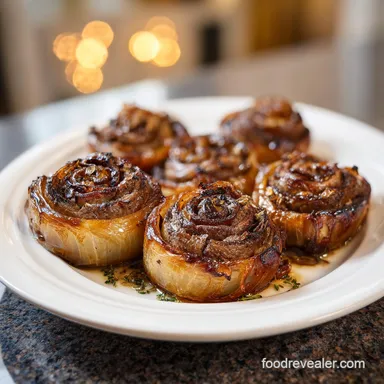
French Onion Steak Pinwheels: Tender and Savory

- Time: 25 min active + 30 min cook = 55 min total
- Flavor/Texture Hook: Velvety melted cheese and a dark, savory crust
- Perfect for: Date nights or a cozy Sunday dinner
- The Best French Onion Steak Pinwheels Recipe
- Why Most Recipes Fail
- Essential Recipe Specs
- The Ingredient List
- Must Have Kitchen Gear
- Component Analysis
- Step-by-Step Cooking Guide
- Avoiding Common Kitchen Disasters
- Troubleshooting Common Issues
- Ways to Mix It Up
- Beef Myths Debunked
- Storage and Reheating Guide
- The Best Pairing Ideas
- Recipe FAQs
- 📝 Recipe Card
The Best French Onion Steak Pinwheels Recipe
The smell of butter and yellow onions browning in a skillet is, in my opinion, the best scent in the world. It starts as a sharp, pungent aroma and slowly shifts into something sweet, jammy, and rich. I remember the first time I tried to recreate this in a main course.
I was tired of the soggy bread that usually comes with French onion soup and wanted those same deep flavors but with something I could actually slice and serve.
I spent one particular Tuesday night experimenting with different cuts of beef, trying to figure out how to get that classic soup taste into a roll. I realized that the secret isn't just the onions, but how you treat the steak. If you just roll up a thick piece of meat, the center stays raw while the outside burns.
Once I started butterflying the beef, everything changed.
This french onion steak pinwheels recipe is all about that balance. You get the sizzle of the cast iron, the gooey stretch of the Gruyère, and a hit of acidity from the wine that stops the whole thing from feeling too heavy.
It's a total win for anyone who wants a fancy looking dinner without spending four hours in the kitchen.
Why Most Recipes Fail
Most people treat these like a roast, but they are actually more like a hybrid between a steak and a stuffed roll. The biggest mistake is using a steak that is too thick. If you don't pound the meat, the cheese will leak out before the beef ever hits a safe temperature.
Another common slip up is rushing the onions. You can't just sauté them for five minutes and call it a day. They need time to break down and release their natural sugars. If you skip the patience here, you lose the "French Onion" part of the dish and it just tastes like beef and raw onions.
Finally,, many recipes forget the resting period. If you slice into these immediately, all that velvety cheese and beef juice will run across your cutting board, leaving the meat dry. Give it a few minutes to settle, and the juices stay where they belong.
- Surface Area
- Pounding the steak to 1/4 inch ensures the meat cooks evenly and fast.
- Sugar Concentration
- Slow cooking onions transforms sharp flavors into a sweet, jammy glaze.
- Acid Balance
- Adding wine or vinegar cuts through the heavy fats of butter and cheese.
- Carryover Heat
- Removing the meat at 130°F allows it to reach a perfect medium rare while resting.
| Method | Time | Texture | Best For |
|---|---|---|---|
| Fresh Caramelized | 20 mins | Jammy & Deep | Maximum Flavor |
| Shortcut (Jarred) | 2 mins | Syrupy & Sweet | Weeknight Speed |
| Quick Sauté | 8 mins | Soft & Pungent | Lighter Taste |
Essential Recipe Specs
When it comes to the beef, not all cuts are created equal. I usually stick to flank or skirt steak because they have the long fibers needed for rolling. According to the USDA FoodData, these cuts are lean but flavorful, making them ideal for over high heat searing.
The goal here is to get a dark brown crust on the outside while keeping the inside juicy. Using a cast iron skillet is non negotiable for me. It holds heat better than any other pan, which means you get that consistent sizzle on every single side of the pinwheel.
If you're worried about the doneness, I always recommend a digital thermometer. To get a reliable medium rare, you want to pull the meat when it hits exactly 130°F. If you wait until it's 135°F in the oven, it'll climb to medium by the time you eat it.
The Ingredient List
For the beef base, I use 1.5 lbs of flank steak or skirt steak. Why this? Long grains make it easier to roll tightly. You'll need 1 tsp salt, 1 tsp black pepper, and 1 tsp garlic powder for the seasoning.
For the filling, grab 2 large yellow onions, thinly sliced. Why this? Yellow onions have the best balance of sugar and sulfur. You'll also need 3 tbsp unsalted butter and 1 tbsp olive oil for the sauté. To deglaze, I use 2 tbsp dry white wine or balsamic vinegar.
Why this? Acid cuts through the richness. Add 1 tsp fresh thyme leaves for that earthy, classic aroma.
Finally, use 6 oz Gruyère cheese, thinly sliced or shredded. Why this? High meltability and nutty flavor. For the sear, have 2 tbsp neutral oil (like canola) and 2 tbsp cold butter ready.
| Original Ingredient | Substitute | Why It Works |
|---|---|---|
| Gruyère Cheese | Swiss or Emmental | Similar melt and nuttiness. Note: Slightly less pungent |
| Flank Steak | Sirloin Tip | Lean and rollable. Note: Needs more pounding to tenderize |
| White Wine | Apple Cider Vinegar | Provides necessary acidity. Note: Adds a fruity tang |
| Fresh Thyme | Dried Thyme (1/3 tsp) | Same herbal profile. Note: Less aromatic than fresh |
I've found that using a neutral oil for the sear is key. Don't use extra virgin olive oil for the over high heat part, as it can smoke and turn bitter. Stick to something with a higher smoke point so the beef can get that dark, crusty exterior.
Must Have Kitchen Gear
You'll definitely want a meat mallet. If you don't have one, a heavy rolling pin or the bottom of a cast iron skillet works too. The goal is to get that steak consistent in thickness so you don't have "hot spots" that overcook.
A cast iron skillet is the star here. It gives you that restaurant style sear. If you only have non stick, it'll work, but you won't get that same depth of color. Also, make sure you have some kitchen twine or toothpicks. Without them, the pinwheels will unfurl the second they hit the pan.
Finally,, parchment paper is a lifesaver. Placing the steak between two sheets of parchment before pounding prevents the meat from tearing or sticking to your tools. It keeps the process clean and professional.
Component Analysis
| Ingredient | Science Role | Pro Secret |
|---|---|---|
| Flank Steak | Structural Base | Slice against the grain for maximum tenderness |
| Yellow Onion | Natural Sugars | Cook low and slow to avoid bitterness |
| Gruyère | Binding Agent | Use cold cheese to prevent early leaking |
| Cold Butter | Basting Medium | Spoon over meat at the end for a velvety finish |
Right then, let's get into the actual cooking. The most important part of this french onion steak pinwheels recipe is the assembly. If you roll them too loose, the cheese escapes. If you roll them too tight, the meat can bunch up and cook unevenly.
Step-by-step Cooking Guide

Phase 1: Preparing the Beef
- Butterfly the steak by slicing horizontally through the center, stopping 1 inch from the edge. Place between parchment paper and pound with a meat mallet to 1/4 inch thickness. Note: This ensures the meat doesn't curl during searing.
- Season the entire surface of the beef evenly with salt, black pepper, and garlic powder.
Phase 2: The Caramelization
- Heat olive oil and 3 tbsp butter in a skillet over medium heat. Add sliced onions and cook for 15–20 minutes until deep golden brown and smelling like candy.
- Deglaze the onion pan with white wine or balsamic vinegar, stirring for 2 minutes until reduced to a thick glaze. Stir in fresh thyme and remove from heat.
Phase 3: Rolling and Securing
- Spread a thin layer of caramelized onions over the steak, leaving a 1/2 inch border. Top with Gruyère cheese.
- Roll the steak tightly from the narrow end into a cylinder and secure with kitchen twine or toothpicks. Note: A tight roll keeps the cheese inside.
Phase 4: The Perfect Sear and Bake
- Heat neutral oil in a cast iron skillet over medium high heat. Sear pinwheels for 2–3 minutes per side until dark brown and sizzling loudly.
- Add cold butter to the pan and spoon the melted butter over the steak for 1 minute.
- Transfer the skillet to a 375°F (190°C) oven for 8–12 minutes until internal temperature reaches 130°F (54°C) for medium rare.
- Let the meat rest for 5 minutes before slicing. Note: This redistributes the juices for a tender bite.
Avoiding Common Kitchen Disasters
Troubleshooting Common Issues
| Issue | Solution |
|---|---|
| Why Your Beef Toughens | Overcooking is the enemy of the pinwheel. Because the beef is rolled, it holds onto heat. If you leave it in the oven too long, it goes from medium rare to rubbery in a matter of two minutes. Always p |
| Why Cheese Leaks | This usually happens because the filling was too thick or the roll was too loose. Keep your onion layer thin. If you pile on the onions, they push the cheese out the sides as the meat contracts during |
| Why Onions Burn | If your heat is too high, the onions will char instead of caramelizing. You want a steady medium heat. If they start looking black instead of brown, add a splash of water to the pan to bring the tempe |
Ways to Mix It Up
If you want a different vibe, try a mushroom twist. Sauté some cremini mushrooms with the onions for an even deeper, earthier flavor. This turns the dish into something almost like a Beef Wellington but much simpler to make.
For a different cheese profile, swap the Gruyère for a sharp Provolone or a creamy Fontina. Provolone gives a saltier kick, while Fontina is more buttery. Just make sure the cheese you choose has a low melting point so it gets that velvety texture.
If you're looking for a lighter side to balance this hearty dish, my Grilled Shrimp Bowl recipe is a great contrast. The fresh avocado and citrus cut right through the richness of the steak and cheese.
Beef Myths Debunked
One big myth is that searing meat "seals in the juices." It doesn't. Moisture loss happens throughout the cooking process regardless of the sear. The reason we sear is for the flavor, creating a complex, savory crust that makes the meat taste better.
Another common misconception is that flank steak is inherently tough. It's not tough; it just has very strong fibers. As long as you pound it thin and slice it against the grain, it can be incredibly tender.
Some people think you need an expensive French pan to get the "French" taste. Honestly, a standard cast iron skillet is actually better because it provides more even heat distribution for the sear.
Storage and Reheating Guide
These pinwheels stay great in the fridge for 3-4 days. Store them in an airtight container. When you're ready to eat, don't microwave them on high, or the steak will turn into leather. Instead, heat them in a 300°F oven for 10 minutes or use a skillet on low heat with a lid.
For the freezer, wrap the seared but-unbaked pinwheels tightly in plastic wrap and then foil. They'll last about 2 months. Thaw them in the fridge overnight before finishing them in the oven.
To avoid waste, save your onion skins and any steak trimmings. Toss them into a pot with some water and herbs to make a quick beef stock. If you have leftover caramelized onions, they are incredible on a burger or as a topping for a grilled cheese sandwich. If you're planning a full party menu, you could also serve these alongside some Vegetable Tortilla Roll Ups for a variety of textures.
The Best Pairing Ideas
Since this dish is so rich, you need sides that provide a bit of brightness or crunch. A crisp arugula salad with a lemon vinaigrette is my go to. The bitterness of the greens and the zing of the lemon balance the heavy cheese perfectly.
Roasted asparagus or sautéed garlic spinach also work well. Keep the vegetables simple so they don't compete with the complex flavors of the caramelized onions. If you want a starch, a creamy mashed potato or a light quinoa pilaf would be a great fit.
For drinks, a bold red wine like a Cabernet Sauvignon or a Syrah is the traditional choice. The tannins in the wine help break down the fats in the beef and Gruyère. If you prefer something non alcoholic, a sparkling pomegranate juice provides a tart contrast that cleanses the palate between bites.
Recipe FAQs
What is the best cut of beef for these pinwheels?
Flank steak or skirt steak. These cuts are ideal because they can be butterflied and pounded thin, making them easy to roll without tearing.
How to prevent the cheese from leaking during cooking?
Keep the onion layer thin and roll the steak tightly. Overfilling the center pushes the cheese out the sides as the meat contracts during the searing process.
Why did my steak pinwheels turn out rubbery?
They were likely overcooked. Because the rolled shape retains heat, the beef can move from medium-rare to rubbery in just a few minutes if left in the oven too long.
How to reheat leftover pinwheels?
Heat in a 300°F oven for 10 minutes. You can also use a skillet on low heat with a lid to keep the steak moist.
Is it true that microwaving is the best way to reheat these?
No, this is a common misconception. Microwaving on high will turn the steak into leather; using an oven or skillet preserves the texture.
How to prepare the steak for rolling?
Butterfly the meat by slicing horizontally through the center. Stop 1 inch from the edge and pound to 1/4 inch thickness between parchment paper.
What side dishes pair well with these steak pinwheels?
A fresh, acidic salad balances the richness. If you enjoyed balancing flavors here, see how the same principle works in this cucumber tomato onion salad.
French Onion Steak Pinwheels: Pan-Seared