Garlic Butter Shrimp Pasta: Pan-Seared & Silky
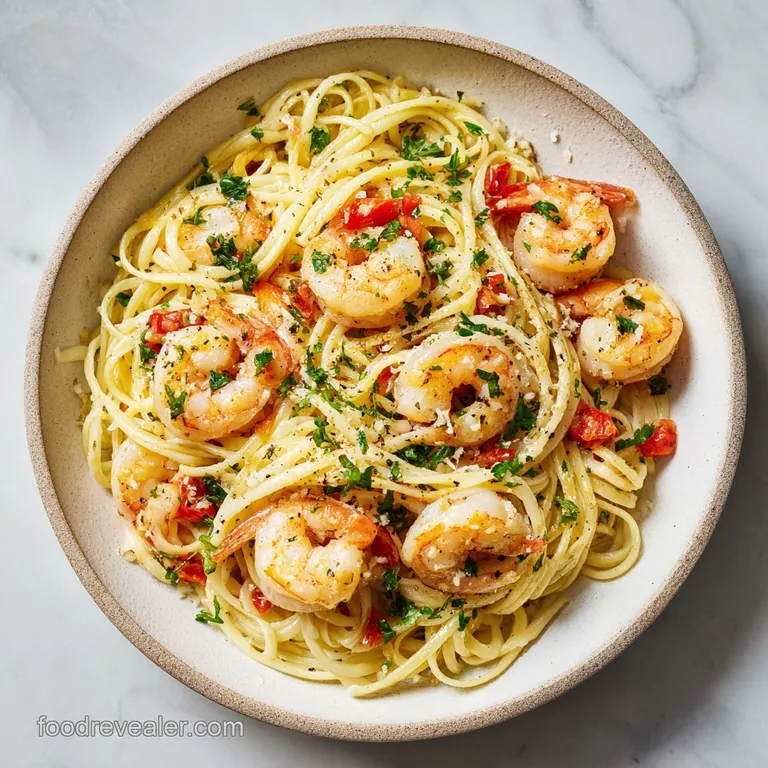
- Time: Active 10 mins, Passive 10 mins, Total 20 mins
- Flavor/Texture Hook: Zesty garlic with a buttery, citrus kissed finish
- Perfect for: Busy weeknights where you want a 5 star meal in minutes
- Mastering the Quickest Garlic Butter Shrimp Pasta
- The Logic Behind This Recipe Success
- Recipe Specifications and Strategic Timing
- Required Pantry Staples and Fresh Additions
- Essential Kitchen Tools for Seamless Cooking
- The Methodical Path from Prep to Plate
- Strategic Solutions for Common Cooking Hurdles
- Creative Variations for Your Signature Dish
- Scaling the Recipe for Any Crowd
- Debunking Garlic Butter Shrimp Myths
- Preserving Freshness and Repurposing Your Leftovers
- Visual Finishing for a Professional Presentation
- Recipe FAQs
- 📝 Recipe Card
Mastering the Quickest Garlic Butter Shrimp Pasta
The second those 1 lb of large shrimp hit the hot olive oil, the kitchen fills with a sharp, savory crackle that immediately wakes up the senses. I still remember the first time I got this right - the steam rising from the pan carried the scent of toasted garlic and sweet smoked paprika, promising a meal that felt far more expensive than it actually was.
There is something truly therapeutic about watching the shrimp curl into perfect, opaque "C" shapes while the butter foams and bubbles around them.
We have all been there, staring at a box of 12 oz linguine and wondering how to make it special without spending an hour at the stove. This dish is my answer to that kitchen chaos. It is a fast paced dance of heat and timing, where the reward is a plate of pasta that feels light yet indulgent.
We are skipping the heavy creams today because the magic happens when the dry white wine hits the pan, lifting all those browned bits of flavor into a bright, cohesive sauce.
Trust me on this, once you hear that first sizzle and smell the lemon juice hitting the garlic, you will realize why this is my go to for guests. It's about efficiency and precision, turning basic pantry staples into a meal that feels intentional.
We aren't just boiling noodles; we're building layers of flavor that snap, pop, and melt in your mouth. Right then, let's get the water boiling and talk about why this technique actually works every single time.
The Logic Behind This Recipe Success
The Emulsion Engine
Starch Binding: The 0.5 cup of reserved pasta water contains dissolved starches that act as a bridge between the watery lemon juice/wine and the fats in the butter. This creates a stable, silky coating rather than a greasy puddle at the bottom of your bowl.
The Maillard Reaction
over High heat Protein: Searing the shrimp quickly at a high temperature browns the exterior proteins, creating deep savory notes that contrast perfectly with the bright 1 tbsp lemon juice.
Aromatics and Infusion
Fat Soluble Flavor: Garlic and 1 tsp smoked paprika release their essential oils more effectively when toasted in the 1 tbsp olive oil and 4 tbsp butter, distributing flavor evenly throughout the entire dish.
| Prep Stage | Goal | Visual/Temp Cue |
|---|---|---|
| Pasta Boil | Al Dente | Slight resistance in the center |
| Shrimp Sear | Doneness | Opaque coral with 145°F internal |
| Sauce Finish | Emulsion | Liquid turns creamy and coats spoon |
Cooking shrimp is a game of seconds, and the difference between succulent and rubbery is often just one minute of heat. If you are serving this for a cozy dinner, it pairs beautifully with a warm side like this Homemade Garlic Knots recipe to soak up every last drop of that liquid gold sauce.
Recipe Specifications and Strategic Timing
Getting the timing right is the secret to avoiding cold pasta or overcooked seafood. We want the pasta to finish boiling exactly when the sauce is ready for its final toss. Use these checkpoints to stay on track.
| Specification | Target | Note |
|---|---|---|
| Pasta Weight | 12 oz | Measured dry for 4 servings |
| Shrimp Count | ~16-20 per lb | Large size provides the best texture |
| Internal Temp | 145°F | Pull shrimp slightly before they hit this |
Chef's Tip: Use a "sacrificial" shrimp. Toss one shrimp into the pan 30 seconds before the rest. If it doesn't sizzle instantly, your pan isn't hot enough. This prevents the shrimp from steaming in their own juices.
Required Pantry Staples and Fresh Additions
Each component plays a specific role in the architecture of this Garlic Butter Shrimp Pasta. Using 6 cloves garlic might seem like a lot, but thinly slicing them rather than mincing allows them to mellow out and become sweet rather than pungent and sharp.
- 12 oz linguine or spaghetti: Provides the structural base for the sauce.
- 1 lb large shrimp: The star protein, peeled and deveined for ease of eating.
- 6 cloves garlic: Thinly sliced to provide a sweet, nutty foundation.
- 4 tbsp unsalted butter: Added in cold cubes at the end to create a velvety emulsion.
- 1 tbsp extra virgin olive oil: High smoke point for the initial shrimp sear.
- 0.5 cup dry white wine: Deglazes the pan and adds necessary acidity.
- 1 tsp smoked paprika: Why this? Adds a subtle earthiness and vibrant color that plain paprika lacks.
- 2 cups baby spinach: Why this? Adds a pop of color and iron without changing the flavor profile.
- 1 tbsp fresh lemon juice: The final hit of acid that "wakes up" the heavy butter.
| Component | Component Analysis | Pro Secret |
|---|---|---|
| Pasta Water | Liquid Gold | Use it to adjust sauce thickness at the very end. |
| Dry White Wine | Acidity | Use a Pinot Grigio; the crispness cuts through the butter. |
| Cold Butter | Fat Emulsifier | Never use room temp butter; cold butter melts slower for a better bind. |
If you find yourself missing the wine, a splash of chicken stock with an extra teaspoon of lemon juice works wonders. If you want a different side to round out the meal, the light notes in this Focaccia Bread Recipe provide the perfect crunch to contrast the velvety pasta.
Essential Kitchen Tools for Seamless Cooking
You don't need a professional kitchen to make world class Shrimp Pasta, but a few specific tools make the process much smoother. A large 12 inch stainless steel or cast iron skillet is non negotiable here. You need enough surface area so the 1 lb of shrimp can sear without crowding, which leads to unwanted steaming.
- 12 inch Skillet: Provides the surface area needed for the Maillard reaction.
- Large Pasta Pot: At least 6 quart capacity to allow the linguine to move freely.
- Tongs: The best tool for flipping individual shrimp and tossing the long pasta strands.
- Microplane or Slicer: For getting those 6 cloves garlic perfectly thin and uniform.
| Method | Time | Texture | Best For |
|---|---|---|---|
| Fresh Garlic | 2 mins | Sweet, nutty, soft | Traditional deep flavor |
| Jarred Garlic | 1 min | Milder, slightly acidic | Ultra fast weeknight prep |
The Methodical Path from Prep to Plate
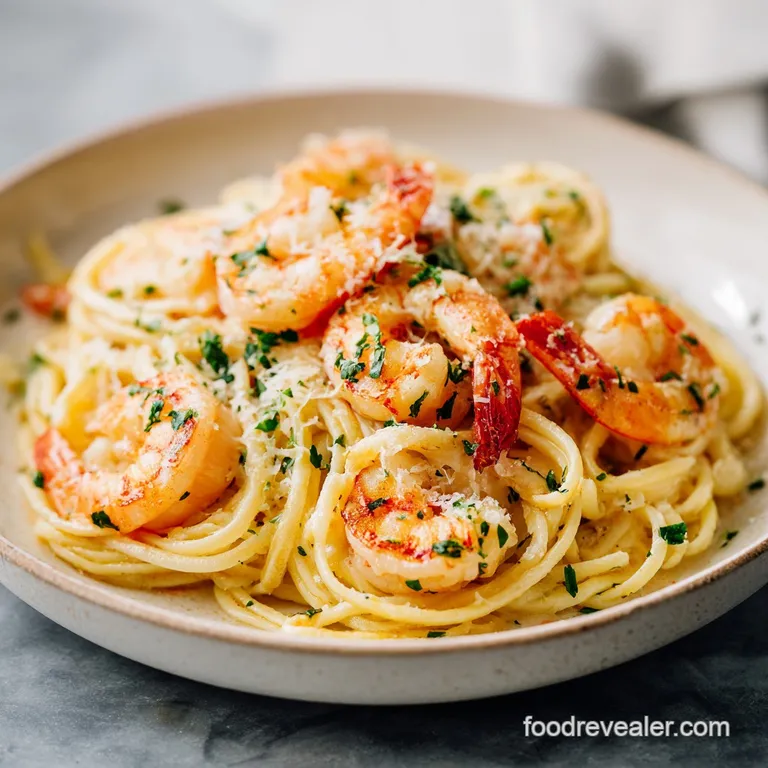
Success with this Garlic Butter Shrimp Pasta recipe comes down to your "mise en place." Since the cooking happens in under 10 minutes, you cannot be chopping garlic while the shrimp are already in the pan. Have everything measured and ready to go.
Phase 1: Boiling the Pasta
Boil the 12 oz linguine in water salted with 1 tbsp sea salt. Cook for 1-2 minutes less than the package directions. Note: The pasta finishes cooking in the sauce later.
Phase 2: Searing the Shrimp
Pat the 1 lb shrimp bone dry. Season with 1 tsp smoked paprika, 0.5 tsp kosher salt, and 0.5 tsp pepper. Sear in 1 tbsp olive oil over high heat for 90 seconds per side until they turn opaque and pink. Remove from pan.
Phase 3: The Pan Sauce
Reduce heat to medium. Add 1 tbsp of the butter and the 6 cloves sliced garlic. Sauté for 1 minute until the edges turn golden. Pour in 0.5 cup white wine to deglaze, scraping the bottom of the pan.
Phase 4: The Final Marriage
Add the 2 cups baby spinach and the remaining 3 tbsp cold butter. Once melted, toss in the undercooked pasta and a splash of reserved pasta water.
Phase 5: The Finishing Touches
Add the 1 tbsp lemon juice and 0.25 cup parsley. Toss vigorously for 1 minute until the sauce looks glossy and clings to the pasta. Return the shrimp to the pan just to warm through.
Phase 6: Adjusting Consistency
If the pasta looks dry, add another splash of pasta water. If it is too thin, keep tossing over medium heat.
Phase 7: Seasoning Check
Taste a strand of pasta. Add a pinch more salt or pepper if the flavors don't "pop" yet.
Phase 8: Final Plating
Twirl the pasta into mounds and nestle the shrimp on top. Serve immediately while the emulsion is at its peak.
Strategic Solutions for Common Cooking Hurdles
Fixing a Broken Emulsion
If your sauce looks oily or separated, it is likely because the pan was too hot when the butter was added, or there wasn't enough starch. To fix this, add 2 tablespoons of hot pasta water and whisk vigorously. The starch will act as an emulsifier and pull the fat back into the liquid.
Avoiding Burnt Garlic Bitterness
Garlic turns bitter the second it crosses from golden to dark brown. Because we are using sliced garlic, it is more resilient than minced, but you still need to be careful. If the garlic browns too quickly, pull the pan off the heat immediately and add the wine to drop the temperature.
| Problem | Root Cause | Solution |
|---|---|---|
| Rubbery Shrimp | Overcooking | Pull from heat at 140°F; carryover heat finishes them. |
| Bland Sauce | Lack of acidity | Add an extra squeeze of lemon or a pinch of salt. |
| Dry Pasta | No reserved water | Always save 1 cup of pasta water before draining. |
Common Mistakes Checklist
- ✓ Never skip patting the shrimp dry; moisture prevents a good sear.
- ✓ Don't add the lemon juice too early, or it can turn bitter under high heat.
- ✓ Avoid over salting the shrimp; remember the pasta water is already salty.
- ✓ Use cold butter for the sauce finish to ensure a velvety, thick texture.
- ✓ Work in batches if your pan is small to avoid crowding the shrimp.
Creative Variations for Your Signature Dish
For a Spicy Mediterranean Twist
Swap the smoked paprika for red pepper flakes and add half a cup of halved cherry tomatoes during the garlic sauté phase. The tomatoes will burst and create a jammy, acidic base that pairs beautifully with the shrimp.
For a Low Carb Swap
You can easily replace the 12 oz linguine with zucchini noodles or spaghetti squash. Since these vegetables release water, skip the reserved pasta water step and reduce the white wine by half to keep the sauce from becoming a soup.
If you want X, do Y
- If you want a deeper flavor, sear the shrimp shells in the oil first, then discard them before adding the shrimp.
- If you want a crunchier texture, toss 1/4 cup of toasted panko breadcrumbs on top just before serving.
- If you want it creamier, whisk in 2 tablespoons of mascarpone or heavy cream at the very end.
Scaling the Recipe for Any Crowd
When scaling down for two, use a smaller pan to ensure the wine doesn't evaporate too quickly. You can use half a box of pasta and half a pound of shrimp, but keep the garlic count at 3-4 cloves because nobody ever complained about too much garlic.
When scaling up for 8 people, do not try to cook all the shrimp at once. Work in three batches to maintain the pan temperature. For the pasta, use two separate pots of boiling water so the noodles have room to move without clumping. If you're prepping this for a large gathering, you might also like this Pasta Salad for recipe as a cold, make-ahead side option.
Debunking Garlic Butter Shrimp Myths
Myth: You must devein shrimp for safety. Truth: The "vein" is actually the digestive tract. While it is perfectly safe to eat, it can sometimes contain grit or sand, which ruins the texture. We devein for the "mouthfeel," not for health reasons.
Myth: Adding oil to pasta water prevents sticking. Truth: Oil just floats on top and makes the pasta greasy, which prevents the sauce from sticking to the noodles later. The only way to prevent sticking is to use a large enough pot and stir frequently during the first two minutes of boiling.
Preserving Freshness and Repurposing Your Leftovers
Storage: Store any leftover Garlic Butter Shrimp Pasta in an airtight container in the fridge for up to 2 days. Because shrimp can become rubbery when reheated, I recommend eating this fresh if possible.
Reheating: Do not use the microwave! It will turn the shrimp into erasers. Instead, place the pasta in a skillet with a splash of water or chicken broth over medium low heat. Cover with a lid for 2 minutes to steam heat the shrimp gently.
Zero Waste: If you have extra parsley stems, don't toss them! Finely mince them and add them to the garlic sauté for an extra punch of herbal flavor. Leftover sauce at the bottom of the pan can be frozen in an ice cube tray and tossed into your next risotto or sautéed vegetable dish for an instant flavor boost.
Visual Finishing for a Professional Presentation
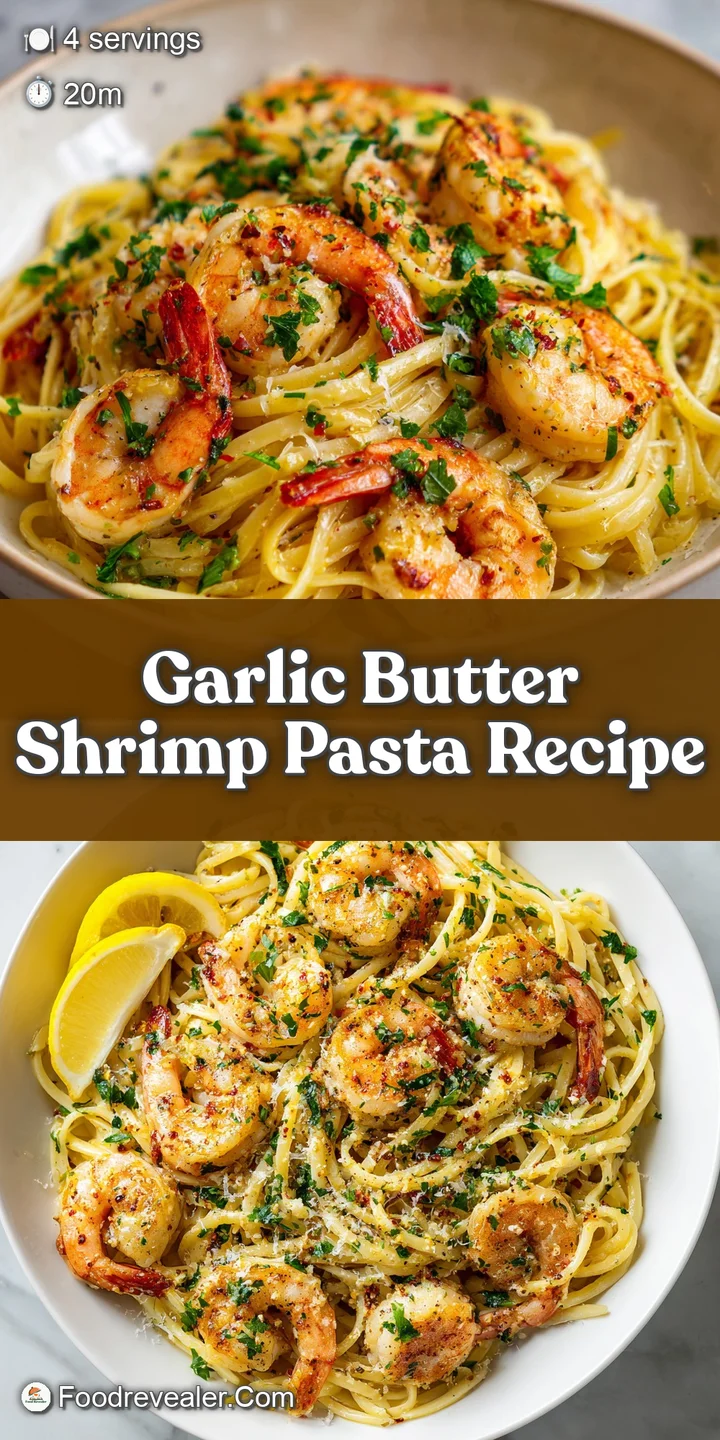
To get that restaurant quality height, use a carving fork to twirl a large portion of linguine inside a ladle, then slide the nest onto the plate. This creates a neat "mound" that stays hot longer than pasta spread flat across a dish.
Place the shrimp on the top and sides of the pasta nest rather than mixing them in completely. This keeps them the focal point of the dish. A final dusting of freshly cracked black pepper and a few whole parsley leaves provides the visual contrast needed to make the colors of the shrimp and spinach pop.
Serve with a lemon wedge on the side so guests can adjust the acidity to their liking right at the table.
Recipe FAQs
What's the secret to flavorful shrimp pasta?
Searing the shrimp hard and fast over high heat. This creates a deep, savory crust via the Maillard reaction before the shrimp is overcooked.
What are the ingredients in garlic shrimp pasta?
Linguine, large shrimp, garlic, olive oil, butter, dry white wine, smoked paprika, lemon juice, and spinach. These balance fat, acidity, and starch for a cohesive sauce.
Can garlic butter go in pasta?
Yes, if properly emulsified with starchy pasta water. Adding cold butter cubes off-heat, while tossing with reserved water, creates a stable, glossy sauce that clings to the noodles.
Do you cook shrimp before or after pasta?
Sear the shrimp first, remove it, and then cook the pasta. The shrimp cooks very quickly and should be added back only at the very end to warm through.
How do you achieve a silky sauce without heavy cream?
Use cold butter emulsified with starchy pasta water and wine deglaze. The starch from the water binds the fat and liquid together, creating a velvety texture naturally.
Is it true that the pasta should be slightly undercooked before draining?
Yes, always undercook pasta by 1-2 minutes. The pasta finishes cooking while tossing in the hot sauce base, absorbing flavor without becoming mushy.
What happens if my sauce separates and looks oily?
The emulsion has broken, usually due to high heat or not enough starch. Fix it by adding two tablespoons of hot reserved pasta water while whisking vigorously off the heat.
Garlic Butter Shrimp Pasta
Ingredients:
Instructions:
Nutrition Facts:
| Calories | 577 kcal |
|---|---|
| Protein | 34g |
| Fat | 17g |
| Carbs | 67g |
| Fiber | 4g |
| Sugar | 2g |
| Sodium | 620mg |
