Roasted Cauliflower: Nutty and Tender
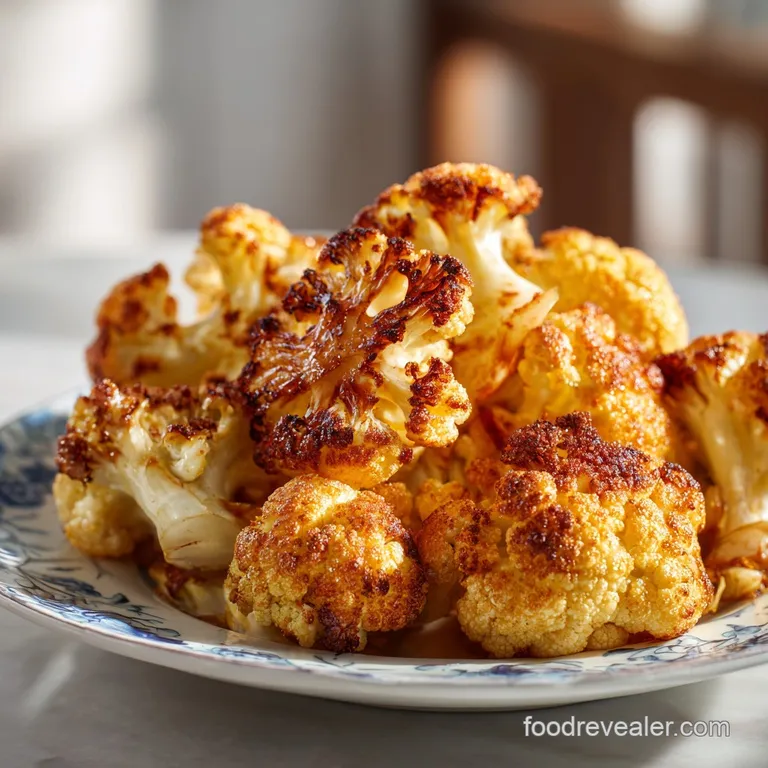
- Time: Active 10 minutes, Passive 20 minutes, Total 30 minutes
- Flavor/Texture Hook: Nutty mahogany crust with a buttery, tender core
- Perfect for: Holiday dinner spreads, quick weeknight sides, or meal prep bowls
- Achieving the Most Savory Caramelization with Roasted Cauliflower
- What Nobody Tells You About High Heat Roasting
- Component Analysis for Optimal Flavor
- The Building Blocks for the Ultimate Side
- Equipment Needed for a Perfect Sear
- Key Steps for Maximum Caramelization
- Solving Common Texture Issues
- Scaling for Different Crowds
- Kitchen Myths Debunked
- Make-Ahead and Leftover Tips
- How to Serve and Enjoy
- Recipe FAQs
- 📝 Recipe Card
Achieving the Most Savory Caramelization with Roasted Cauliflower
The kitchen is humming with the low glow of the oven light, and that distinctive, nutty aroma starts to drift past the island. You know that specific scent it’s not just cooked vegetables; it’s the smell of sugars intensifying and edges turning into crispy, salty bits of gold.
I remember the first time I served this at a Sunday roast. Everyone ignored the prime rib for a good five minutes because they couldn't stop reaching for the charred, garlic scented florets that looked more like savory candy than health food.
It was the moment I realized that veggie sides shouldn't just sit there; they should demand attention with bold textures and vibrant spices.
We’re moving away from the soft, steamed, or uninspired vegetables of the past. This version is about over high heat theater. When that tray hits the table, you want to hear the faint hiss of the edges still sizzling.
It’s the perfect companion for a heavy main, providing a bright, smoky counterpoint that cuts through richness. Whether it’s a casual Tuesday or a high stakes Thanksgiving, this dish fits because it’s fast, incredibly reliable, and honestly, a bit addictive once you master the crunch.
You might be used to throwing veggies in a cold pan and hoping for the best, but we're going to change that today. We are looking for that specific shatter on the outside while keeping the inside silky. It’s all about how you prep the head and how you treat the heat.
We’ll talk about the "flat face" technique and why your spice drawer holds the secret to that deep, mahogany color we all crave. Let’s get that oven cranked up.
What Nobody Tells You About High Heat Roasting
Understanding the interaction between the vegetable's natural sugars and the dry heat of the oven is the difference between a soggy mess and a restaurant quality side. Most people treat all vegetables the same, but this specific brassica requires a bit of a "tough love" approach to really shine.
- Forced Evaporation: High heat at 425°F (220°C) drives moisture out of the florets rapidly, allowing the exterior to crisp before the interior turns to mush.
- Contact Seating: Using a preheated heavy duty sheet pan creates an immediate sear upon contact, mimicking the effect of a cast iron skillet for better browning.
- Maillard Intensity: The combination of smoked paprika and garlic powder provides a protein like depth, interacting with the vegetable's fibers to create a savory crust.
- Oil Saturation: Ensuring every crevice is coated prevents the dry oven air from leathery ing the skin; instead, the oil fries the surface as it roasts.
| Servings | Ingredient Adjustments | Pan Size | Cook Time |
|---|---|---|---|
| 2 People | 0.5 head cauliflower, 1.5 tbsp oil | Quarter sheet | 18 minutes |
| 4 People | 1 large head (2 lbs), 3 tbsp oil | 13x18 rimmed sheet | 20 minutes |
| 8 People | 2 large heads, 6 tbsp oil | Two 13x18 sheets | 25 minutes |
Since we are talking about perfecting the texture of your veggies, you might find that this technique works wonders alongside a Rosemary Roasted Potatoes recipe. The two different textures starchy potato and fibrous cauliflower create a fantastic contrast on the plate.
Component Analysis for Optimal Flavor
Every spice and fat choice in this recipe serves a specific structural or flavor driven purpose. We aren't just adding "seasoning"; we are building a profile that balances the earthy sweetness of the brassica with sharp, smoky, and salty notes.
| Ingredient | Science Role | Pro Secret |
|---|---|---|
| Extra Virgin Olive Oil | Heat conductor | Use a robust oil to add peppery notes |
| Smoked Paprika | Color and depth | Provides a "charred" flavor without burning |
| Garlic Powder | Umami builder | Sticks to the oil better than fresh garlic |
| Sea Salt | Moisture extractor | Draws out water to help the surface crisp |
The Building Blocks for the Ultimate Side
When selecting your produce, look for a head that feels heavy for its size and has tightly closed florets. Any brown spots can be shaved off, but freshness is key for that "snap" in the final texture.
- 1 large head of cauliflower: (approx. 2 lbs / 900g). Why this? Provides enough mass to stay tender inside while the outside browns.
- 3 tbsp extra virgin olive oil: Why this? Higher smoke point than butter, perfect for 425°F roasting.
- 1 tsp sea salt: Why this? Fine grains distribute evenly into the craggy florets.
- 1/2 tsp freshly cracked black pepper: Why this? Large cracks provide bursts of heat.
- 1 tsp garlic powder: Why this? Prevents the bitter burning often found with minced fresh garlic.
- 1/2 tsp smoked paprika: Why this? Gives the dish a "grilled" aroma and beautiful mahogany hue.
- 1/4 tsp onion powder: Why this? Adds a subtle savory sweetness that rounds out the spices.
Substitutions Table
| Original Ingredient | Substitute | Why It Works |
|---|---|---|
| Olive Oil | Avocado Oil | High smoke point, neutral flavor profile. |
| Smoked Paprika | Chili Powder | Adds heat and color. Note: Lacks the smoky depth. |
| Garlic Powder | Granulated Onion | Maintains the savory base without the garlic bite. |
Choosing the right fat is vital. If you’re leaning into a more Mediterranean vibe, sticking with olive oil is best, but for a modern Asian fusion twist, you could even use a bit of sesame oil blended with the olive oil for a toasted finish.
Equipment Needed for a Perfect Sear
You don't need a pantry full of gadgets, but the quality of your pan changes everything. A thin, flimsy cookie sheet will warp under the 425°F heat, causing your oil to pool in the corners and leaving your cauliflower to steam rather than sear.
- Heavy duty rimmed baking sheet: Look for half sheet pans (13x18 inches). The weight helps retain heat for that initial sear.
- Large mixing bowl: You need plenty of space to toss the florets vigorously without losing them over the sides.
- Sharp Chef's knife: Crucial for getting those flat "steak like" faces on each floret.
- Sturdy spatula: Metal is best for scraping up the caramelized bits that stick to the pan.
Key Steps for Maximum Caramelization
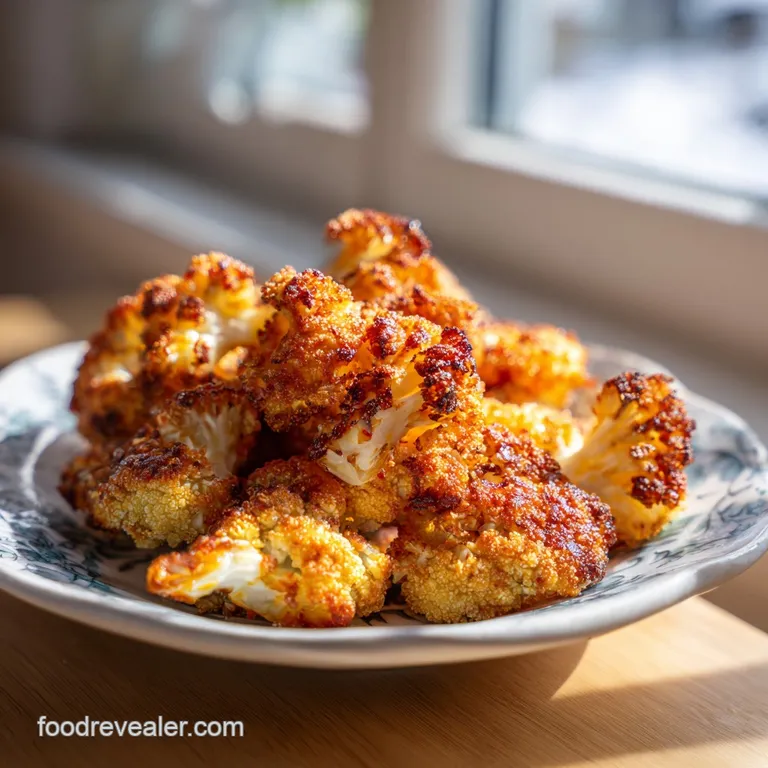
Follow these steps closely to ensure you don't end up with the dreaded "gray" boiled looking vegetable. Timing and temperature are your best friends here.
- Preheat the equipment. Set your oven to 425°F (220°C) and slide your empty baking sheet inside. Note: This creates a "frying" effect the moment the cauliflower hits the pan.
- Prep the vegetable. Remove green leaves and the core. Slice the head into 1/2 inch thick 'steaks' or large florets. Ensure you create at least one flat face on every piece.
- Coat thoroughly. Combine the cauliflower with 3 tbsp olive oil, 1 tsp salt, pepper, garlic powder, smoked paprika, and onion powder in your large bowl. Toss until every crevice is saturated.
- Listen for the sizzle. Carefully pull the hot pan from the oven. Immediately tip the cauliflower onto it.
- Arrange for success. Spread the pieces into a single layer. Use your fingers or tongs to flip the flat sides down so they touch the hot metal.
- Roast for 20 minutes. Set your timer. You are looking for edges that are dark mahogany and a tender center.
- Optional cheese. If you want a salty kick, sprinkle on some Parmesan during the final 5 minutes of roasting until it forms a lacy crust.
- Rest and release. Let the pan sit for 2 minutes before using a spatula to scrape the florets off. This helps the crust stay attached to the vegetable.
Solving Common Texture Issues
Even with the best intentions, things can go sideways. Usually, the culprit is either moisture management or crowding. If you see liquid pooling on your pan, your oven temperature might be too low or you’ve put too much on one tray.
Rescuing Soggy Cauliflower
If your cauliflower looks pale and limp after 15 minutes, it’s likely because the pan was overcrowded, creating a steam sauna. To fix this, immediately move half the cauliflower to a second preheated pan and crank the oven up another 25 degrees.
This extra blast of heat helps evaporate the surface moisture before the inside becomes too soft.
Preventing Burned Spices
Smoked paprika and garlic powder can turn bitter if they burn. If you notice the spices darkening too fast but the cauliflower is still hard, move your rack to the lower third of the oven. This protects the tops of the florets from the direct heat of the top element while continuing to sear the bottoms.
| Problem | Root Cause | Solution |
|---|---|---|
| Mushy texture | Overcrowded pan | Use two pans or a larger sheet. |
| Burnt spices | Rack too high | Move to the middle or lower rack. |
| No browning | Pan wasn't preheated | Always put the pan in during preheat. |
Common Mistakes Checklist
- ✓ Pat the cauliflower dry after washing to prevent steaming.
- ✓ Ensure the oven reaches 425°F fully before the tray goes in.
- ✓ Never line the pan with parchment if you want maximum char (metal contact is better).
- ✓ Don't skip the "flat face" cut; surface area equals flavor.
- ✓ Use a heavy duty pan; thin pans lose heat too quickly when cold food is added.
Scaling for Different Crowds
If you are cooking for a larger party, simply doubling the ingredients isn't enough; you have to manage the physics of the oven.
- Scaling Down (1-2 People): You can use a toaster oven or a small quarter sheet pan. Reduce the roasting time by about 3-5 minutes since smaller pans often heat up faster and have better air circulation.
- Scaling Up (6-8 People): You must use two separate baking sheets. If you pile two heads of cauliflower onto one tray, it will never get crispy. Rotate the pans top to bottom halfway through the 20 minutes to ensure even browning.
- For Meal Prep: Cook as directed, but pull the cauliflower out 2 minutes early. It will finish "cooking" slightly when you reheat it later in the week, preventing it from getting mushy.
| Method | Time | Texture | Best For |
|---|---|---|---|
| Oven (Standard) | 20 minutes | Balanced crisp/tender | Classic dinners |
| Stovetop Searing | 15 minutes | Very charred/uneven | Quick single servings |
| Air Fryer | 12 minutes | Super crispy edges | Small batches |
For those looking for a different vibe, this flavor profile actually pairs beautifully with a Broccoli Casserole recipe. The roasted cauliflower provides the crunch while a casserole offers that creamy, comforting element that everyone loves at a potluck.
Kitchen Myths Debunked
There’s a lot of misinformation about roasting vegetables that leads to mediocre results. Let's clear up a few things so you can cook with confidence.
"Soaking cauliflower in cold water makes it crunchier." This is actually counterproductive. While it hydrates the cells, it introduces excess moisture that must be evaporated before browning can occur. Dry cauliflower roasts better.
"You need to par boil cauliflower before roasting." Please don't. Par boiling breaks down the cell walls and fills them with water. Roasted cauliflower should be started from raw to preserve its structural integrity and allow for that deep, nutty caramelization.
"Parchment paper is necessary for easy cleanup." While it helps with cleanup, it acts as an insulator. For the absolute best "shatter crisp" edges, the vegetable needs direct contact with the hot metal of the pan.
make-ahead and Leftover Tips
Storing and reheating Roasted Cauliflower requires a bit of care to maintain that texture you worked so hard for.
- Storage: Keep in an airtight glass container in the fridge for up to 4 days. Avoid plastic bags, which trap moisture and make the cauliflower soggy.
- Freezing: You can freeze roasted cauliflower for up to 2 months. Spread them on a tray to freeze individually before bagging them so they don't turn into a giant block.
- Reheating: Never use the microwave; it will turn your beautiful roast into a limp sponge. Use a toaster oven or the air fryer at 350°F for 5 minutes to restore the crispness.
- Zero Waste: Don't toss the core or the green leaves! The core can be diced small and roasted right along with the florets (it tastes like a mild radish). The leaves, when tossed in a little oil and salt, turn into crispy "chips" in the oven that are better than kale chips.
How to Serve and Enjoy
This dish is a chameleon in the kitchen. While it’s a powerhouse on its own, it really shines when you think about flavor pairings.
Chef's Tip: If you want to lean into that modern Asian fusion style I love, whisk together 1 tbsp of white miso, 1 tbsp of tahini, and a splash of lemon juice. Drizzle this over the hot cauliflower the moment it comes out of the oven.
If you are keeping it simple, a squeeze of fresh lemon and a dusting of fresh parsley is all you need. The acidity of the lemon cuts through the oil and the earthiness of the smoked paprika, making the whole dish feel lighter and brighter.
This also works incredibly well as a base for a bowl top it with a soft boiled egg and some pickled onions for a lunch that will make your coworkers jealous.
- Sweet
- Caramelized natural sugars
- Savory
- Garlic and onion powder depth
- Rich
- Extra virgin olive oil mouthfeel
- Bright
- Optional lemon zest or fresh herbs
Whether you're serving this alongside a juicy steak or as the star of a vegetarian feast, the key is the contrast. That dark, smoky exterior against the creamy, pale interior is what makes Roasted Cauliflower a permanent fixture in my rotation.
Once you see those mahogany edges, you'll never go back to any other way of cooking this veggie.
Recipe FAQs
Is cooked cauliflower good for diabetics?
Yes, it is an excellent choice. Cauliflower is naturally low in carbohydrates and high in fiber, which helps prevent sharp spikes in blood glucose levels.
How to prepare cauliflower for diabetics?
Slice the cauliflower into 1/2 inch thick steaks or large florets to maximize surface area contact. Toss the pieces in olive oil, sea salt, black pepper, garlic powder, smoked paprika, and onion powder to add flavor without adding sugar or unhealthy fats.
Is it true that I should line my baking sheet with parchment paper?
No, this is a common misconception. For the best results, place the cauliflower directly on a hot, heavy duty rimmed baking sheet; direct metal contact is essential for achieving a deep, dark mahogany char.
How to ensure the cauliflower roasts rather than steams?
Pat the cauliflower completely dry after washing and ensure your oven is preheated to 425°F before adding the tray. Moisture is the enemy of a good sear, so keeping the pieces in a single layer with flat sides facing down ensures the heat caramelizes the vegetable properly.
How to achieve the perfect golden crust on roasted vegetables?
Place an empty baking sheet in the oven while it preheats to 425°F so it is already searing hot when you add the cauliflower. If you enjoyed mastering this high heat surface contact here, see how the same principle works for a perfect golden crust in our Salisbury Steak recipe.
Can I use different spices if I run out of smoked paprika?
Yes, you can substitute chili powder if needed. While it will lack the specific smoky depth of the original, it will still provide a nice color and a subtle kick of heat.
How long does it take for the cauliflower to reach doneness?
Roast the cauliflower for exactly 20 minutes. Watch for the edges to turn a dark mahogany color, which indicates the vegetable has softened and developed the desired savory profile.
Roasted Cauliflower Side Dish
Ingredients:
Instructions:
Nutrition Facts:
| Calories | 149 kcal |
|---|---|
| Protein | 4.3 g |
| Fat | 10.8 g |
| Carbs | 11.8 g |
| Fiber | 4.5 g |
| Sugar | 4.3 g |
| Sodium | 575 mg |
