Classic Southern Fried Catfish
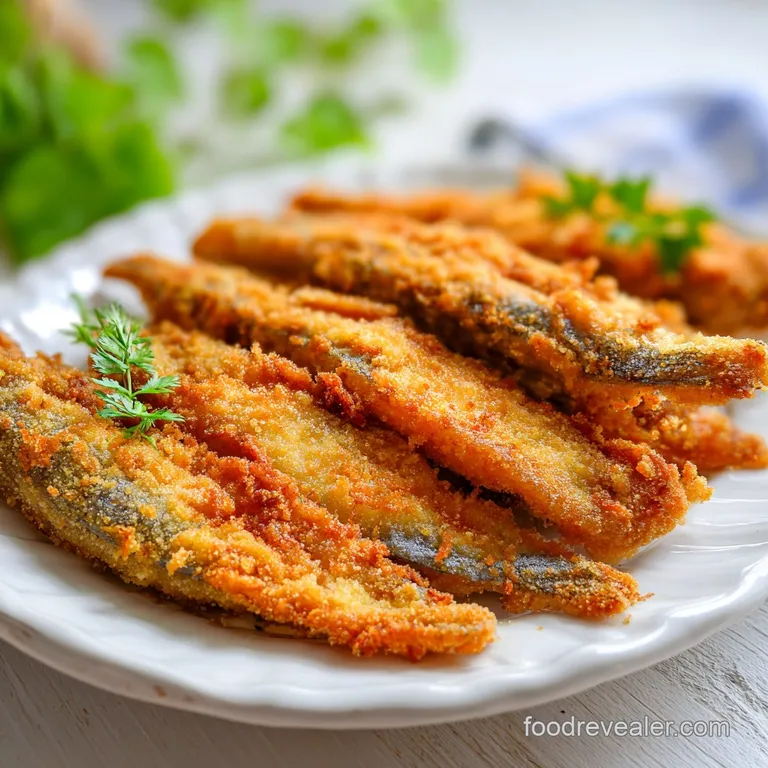
- Time: Active 20 minutes, Passive 42 minutes, Total 62 minutes
- Flavor/Texture Hook: Golden cornmeal crunch with a buttery, moist interior
- Perfect for: Family Sunday dinners or a classic backyard fish fry
- Authentic Southern Fried Catfish Secrets
- The Physics of the Crunch
- Essential Recipe Measurements and Times
- The Perfect Breading and Fish
- Best Tools for Frying Success
- Step-by-Step Southern Frying Method
- Fixing Common Frying Mistakes Fast
- Fun Flavor Twists to Try
- Storing and Reusing Your Leftovers
- Serving Your Catfish with Style
- Very High in Sodium
- Recipe FAQs
- 📝 Recipe Card
Authentic Southern Fried Catfish Secrets
There is a specific sound that lives in my kitchen every time I pull out my heavy cast iron skillet. It is that rhythmic, aggressive sizzle that happens the moment a cold, cornmeal dusted fillet meets a pool of shimmering peanut oil.
For years, I struggled to get that perfect crust, the kind that doesn't just flake off the second your fork touches it. I used to just toss the fish in some flour and hope for the best, only to end up with a soggy, sad mess that tasted more like the river than a home cooked meal.
Everything changed when I realized that Southern Fried Catfish isn't just about the heat, it's about the prep. I started experimenting with different soaks and spice blends until I found the sweet spot.
Now, when I fry up a batch, the aroma of toasted corn and smoky paprika fills the house, bringing everyone into the kitchen before the first batch is even drained. It’s the ultimate comfort classic that reminds me of long summer evenings and the kind of hospitality that requires a big stack of napkins.
We are going to walk through the exact steps to make sure your fish comes out golden, crunchy, and never greasy. Whether you grew up eating this every Friday or you're just trying it for the first time, this method is foolproof.
We'll talk about why buttermilk is your best friend and why the oil temperature is the one thing you can't afford to guestimate. Trust me, once you hear that first crunch, you’ll never go back to store-bought breaded fish again.
The Physics of the Crunch
Protein Adhesion: The lactic acid in buttermilk slightly denatures the surface proteins of the catfish, creating a "sticky" landscape for the cornmeal to grab onto. This prevents the breading from separating and steaming the fish from the inside out.
Starch Dehydration: Using fine cornmeal provides a larger surface area than coarse grits, allowing the oil to rapidly dehydrate the exterior for a glass like shatter. The small amount of all purpose flour fills the gaps between corn kernels, creating a reinforced, continuous shield.
| Fillet Thickness | Internal Temp | Rest Time | Visual Cue |
|---|---|---|---|
| 0.5 inch | 145°F (63°C) | 2 minutes | Opaque throughout, flakes easily |
| 0.75 inch | 145°F (63°C) | 3 minutes | Crust is deep golden brown |
| 1 inch | 145°F (63°C) | 4 minutes | Bubbles around fish slow down |
Selecting the right thickness is vital for even cooking. If you have fillets of varying sizes, I recommend cutting the larger ones into "nuggets" or strips so they finish at the same time as the smaller pieces. This ensures no one is left waiting for their dinner while the first batch gets cold.
Essential Recipe Measurements and Times
When we talk about classic Southern cooking, many people assume it’s all about "eyeballing" the ingredients. While that works for some things, frying requires a bit more precision if you want consistent results. For another comfort classic that relies on great technique, my Creamy Chicken Adobo recipe uses a similar soaking technique to tenderize the meat before cooking.
1. The Buttermilk Neutralizer
Catfish can sometimes have a "bottom feeder" aftertaste due to a compound called geosmin. The buttermilk soak isn't just for flavor, it's a chemical necessity. The acidity helps neutralize those earthy tones, leaving you with a clean, mild flavor that lets the spices shine.
Don't skip the 45 minute soak, it's the difference between "okay" fish and "the best I've ever had."
2. The Cornmeal Flour Hybrid Ratio
I've tried 100% cornmeal, and it can be a bit gritty. I've tried 100% flour, and it's basically just a chicken fry. The 3:1 ratio of yellow cornmeal to all purpose flour is the golden ticket. It gives you that signature Southern grit but with enough "glue" to keep the crust light and airy.
3. Convection in the Skillet
Using peanut oil is non negotiable for me because of its high smoke point and neutral flavor. When the fish hits the 350°F (180°C) oil, the moisture on the surface evaporates instantly.
This creates a steam barrier that prevents the oil from soaking into the fish, keeping it light rather than heavy.
| Component | Science Role | Pro Secret |
|---|---|---|
| Buttermilk | Acidic Tenderizer | Keep it ice cold to help the breading stick better |
| Cornmeal | Structural Crunch | Use "fine" grind to avoid a sandy mouthfeel |
| Peanut Oil | Heat Transfer | Don't crowd the pan or the temp drops too fast |
The temperature of your ingredients matters just as much as the heat of your stove. If your fish is too warm when it hits the oil, the exterior will cook before the interior is safe to eat. Keep the catfish in the fridge right up until you are ready to dredge and fry.
The Perfect Breading and Fish
Selecting the right fish is the first step toward success. You want 1.5 lbs of fresh catfish fillets that look firm and moist. If you're buying frozen, make sure they are completely thawed and patted dry before they hit the buttermilk soak.
- 1.5 lbs Fresh Catfish Fillets: The star of the show. Why this? Firm white fish that holds its shape perfectly during the over high heat frying process.
- Substitute: Tilapia or Swai (similar mild flavor, though slightly thinner).
- 1.5 cups Whole Buttermilk: Our acidic marinade. Why this? Neutralizes "muddy" flavors and helps the breading adhere to the slippery fish.
- Substitute: 1.5 cups milk mixed with 1.5 tbsp lemon juice.
- 2 tbsp Hot Sauce: I usually go for Crystal or Texas Pete. Why this? Adds a subtle tang and back end heat without making the fish "spicy."
- Substitute: 1 tsp Cayenne pepper added to the soak.
- 1.5 cups Fine Yellow Cornmeal: For that classic Southern texture. Why this? Provides the signature crunch that defines authentic fried catfish.
- Substitute: White cornmeal (slightly sweeter, less "toasty" flavor).
- 0.5 cup All Purpose Flour: The binder. Why this? Fills the gaps in the cornmeal to create a solid, crisp shell.
- Substitute: Cornstarch (results in an even crispier, thinner crust).
- 1 tbsp Old Bay Seasoning: The flavor powerhouse. Why this? A complex blend of celery salt, paprika, and herbs that screams "seafood."
- Substitute: Cajun seasoning or a mix of celery salt and paprika.
- 1 quart Peanut Oil: For frying. Why this? High smoke point means it won't burn at the required 350°F (180°C).
- Substitute: Canola or vegetable oil.
| Original Ingredient | Substitute | Why It Works |
|---|---|---|
| Whole Buttermilk | Plain Yogurt (thinned) | Provides the same acidity. Note: Thin with a little water for better flow. |
| Old Bay Seasoning | Lemon Pepper | Offers a bright, citrusy alternative to the savory herb blend. |
| All Purpose Flour | Rice Flour | Makes the crust even lighter. Note: Great for a gluten-free option if using GF cornmeal. |
While these substitutes work in a pinch, I highly recommend sticking to the original list for your first attempt. The combination of buttermilk and Old Bay is what gives this dish its soul. If you're managing a busy schedule, you might find that my Rotisserie Chicken Tostadas recipe is a great alternative for those nights when you just don't have time for a 45 minute marinade.
Best Tools for Frying Success
You don't need a professional kitchen to make world class Southern Fried Catfish, but a few specific tools will make your life much easier. The most important is a heavy bottomed pan. A 12 inch cast iron skillet (like a Lodge) is the gold standard because it holds heat like a champ.
When you add cold fish to the oil, a thinner pan will lose its temperature instantly, resulting in greasy fish.
You'll also need a reliable kitchen thermometer. Frying by "eye" is a skill that takes years to master, and even then, pros use thermometers. You want to maintain that oil at 350°F (180°C). If it dips below 325°F, you're basically boiling the fish in fat.
If it goes over 375°F, you'll burn the cornmeal before the fish is cooked through.
Finally, grab a wire cooling rack set over a baking sheet. Never, ever drain fried fish on paper towels. The steam gets trapped between the fish and the paper, turning your beautiful crispy crust into a soggy mess within seconds.
The wire rack allows air to circulate around the entire fillet, keeping it crunchy on all sides.
Chef's Tip: Put your dry cornmeal mix into a large brown paper bag or a gallon sized Ziploc. Adding the fish to the bag and shaking it vigorously ensures every nook and cranny is coated without making a massive mess on your counters.
step-by-step Southern Frying Method
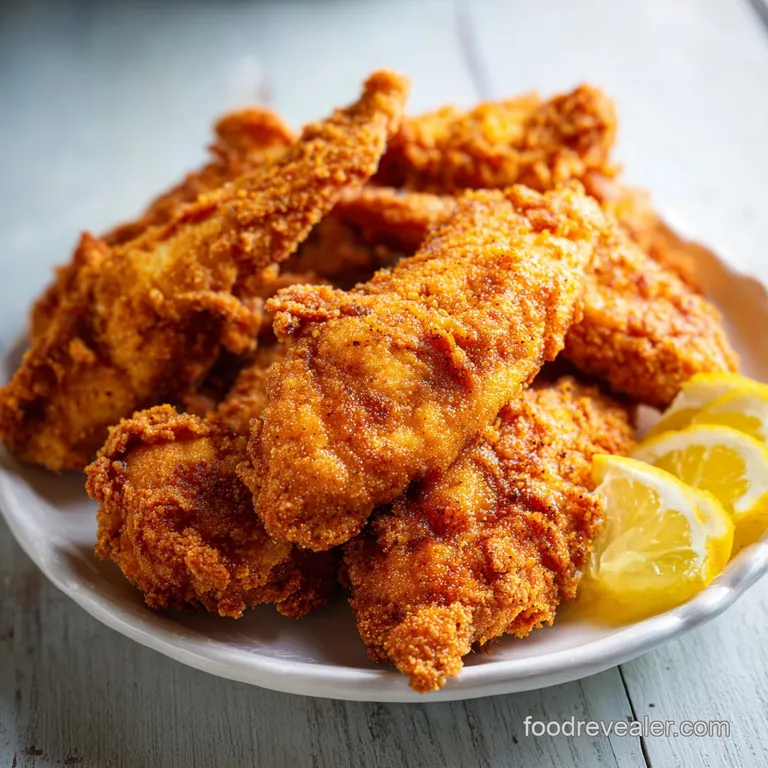
- Prep the fish. Rinse the 1.5 lbs catfish fillets under cold water and pat them thoroughly dry. Note: Dry fish allows the buttermilk to coat the meat rather than sliding off.
- Marinate. Whisk 1.5 cups buttermilk, 2 tbsp hot sauce, and 1 tsp kosher salt in a large bowl. Submerge the fish and refrigerate for 45 minutes.
- Mix the dredge. In a shallow dish (or bag), combine 1.5 cups cornmeal, 0.5 cup flour, 1 tbsp Old Bay, 1 tsp smoked paprika, 1 tsp garlic powder, 1 tsp black pepper, and 0.5 tsp cayenne.
- Heat the oil. Pour 1 quart peanut oil into your skillet until it's about 1.5 inches deep. Heat over medium high until a thermometer reads 350°F (180°C).
- Dredge the fillets. Lift one fillet from the buttermilk, let the excess drip off, and coat it thoroughly in the cornmeal mixture. Press the breading firmly into the fish with your hands.
- The first fry. Carefully lay 2-3 fillets into the hot oil, laying them away from you to avoid splashes. Note: Don't crowd the pan; work in batches to keep the oil temperature steady.
- Monitor the sizzle. Fry for 3-4 minutes on the first side until the edges are visibly dark golden and "set." You should smell a rich, toasted corn aroma.
- The flip. Use a fish spatula or tongs to flip the fillets gently. Fry for another 3-4 minutes until the fish is opaque and the internal temp reaches 145°F (63°C).
- The proper drain. Transfer the fish to a wire cooling rack. Immediately hit them with a tiny pinch of extra salt while the oil is still wet on the surface.
- Repeat. Allow the oil to come back up to 350°F (180°C) before starting the next batch. Note: This usually takes 1-2 minutes between rounds.
Fixing Common Frying Mistakes Fast
Frying can be intimidating, but most issues come down to temperature control or moisture. If you notice your oil is starting to smoke, it's too hot! Pull it off the burner for a minute to let it calm down.
Why Your Catfish is Sinking
If your fish drops to the bottom and stays there without a vigorous sizzle, your oil isn't hot enough. This causes the breading to absorb oil like a sponge. Always wait for that 350°F (180°C) mark.
If it happens mid batch, take the fish out, wait for the oil to reheat, and try again.
Why the Breading is Falling Off
This usually happens because the fish wasn't dried before the buttermilk soak, or the dredged fish sat too long before hitting the oil. The moisture from the fish starts to hydrate the cornmeal, turning it into a paste rather than a dry coating. Only dredge your fish right before it goes into the skillet.
| Problem | Root Cause | Solution |
|---|---|---|
| Soggy/Oily Crust | Oil temperature too low | Use a thermometer; maintain 350°F (180°C) consistently. |
| Burnt Coating | Oil temperature too high | Lower heat; add a splash of room temp oil to cool it. |
| Raw Middle | Fillets are too thick | Cut thick fillets into smaller strips or finish in 350°F oven for 5 mins. |
Common Mistakes Checklist:
- ✓ Never crowd the pan - the temperature will plumment and lead to grease soaked fish.
- ✓ Pat the fish dry before the buttermilk soak to ensure the "glue" actually sticks.
- ✓ Use a wire rack for draining instead of paper towels to prevent steaming the crust.
- ✓ Don't skip the resting period; the residual heat finishes the cooking process perfectly.
- ✓ Always wait for the oil to return to temperature between batches.
Fun Flavor Twists to Try
Once you've mastered the classic Southern Fried Catfish, you can start playing with the profile. I love adding a bit of lemon zest directly into the cornmeal for a bright, citrusy finish.
If you want something truly decadent, you could even try a "cornflake" crust by crushing some unsweetened cereal into the mix for extra crunch.
Nashville Hot Catfish
If you're a fan of heat, take a half cup of your hot frying oil and whisk it with 2 tablespoons of cayenne, 1 tablespoon of brown sugar, and a teaspoon of chili powder. Brush this "hot oil" over your fried fillets as soon as they come out of the pan. It creates a spicy, glistening coating that is absolutely addictive.
Lemon Pepper Cornmeal
For a more modern take, omit the Old Bay and smoked paprika. Instead, add 2 tablespoons of cracked black pepper and the zest of two large lemons to your dredge. This version is incredible when served with a side of creamy tartar sauce or even a simple squeeze of fresh lemon.
| Method | Time | Texture | Best For |
|---|---|---|---|
| Classic Skillet | 8-10 mins | Deeply crunchy, traditional | Authentic flavor seekers |
| Deep Fryer | 5-7 mins | Uniformly crisp, light | Feeding a large crowd fast |
| Oven "Fried" | 15-20 mins | Firmer, less oily | Health conscious weeknights |
Storing and Reusing Your Leftovers
Fried fish is always best the moment it leaves the pan, but leftovers don't have to be a disappointment. You can store fried catfish in an airtight container in the fridge for up to 3 days. To reheat, avoid the microwave at all costs it will turn your beautiful crust into rubber.
Instead, place the fillets on a baking sheet in a 375°F (190°C) oven for about 8-10 minutes until they are heated through and the crust crisps back up.
For zero waste, don't throw out those little crunchy bits left in the pan! Filter the oil once it cools and save it for your next fry. If you have extra catfish that wasn't fried, you can freeze the raw, buttermilk soaked fillets for up to 2 months. Just thaw them overnight in the fridge before dredging.
If you have leftover fried fish that you don't want to eat plain, flake the meat into "catfish cakes" by mixing it with an egg, some breadcrumbs, and herbs, then pan searing them like crab cakes.
Serving Your Catfish with Style
Presentation might seem secondary to flavor, but we eat with our eyes first. I love serving these fillets on a large wooden board or a platter lined with brown butcher paper. It gives it that authentic fish shack vibe.
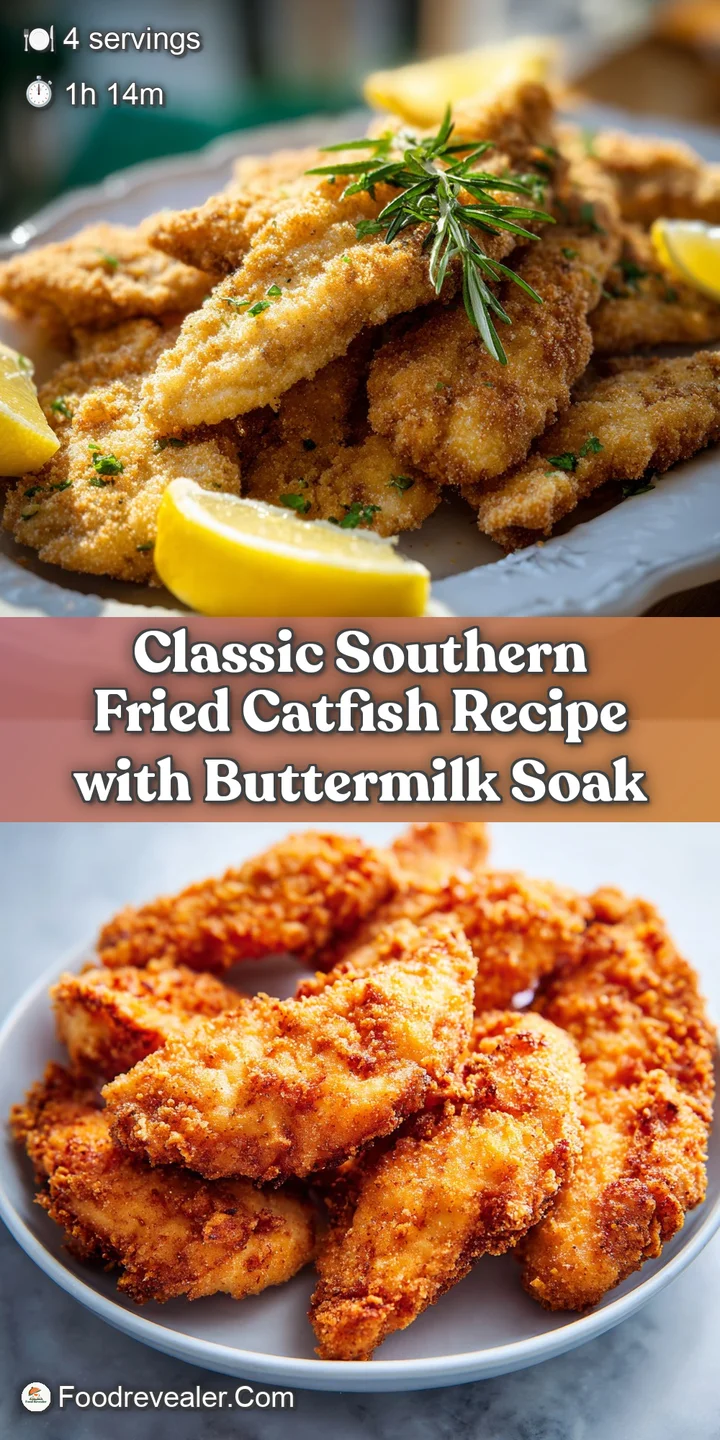
Scatter some fresh lemon wedges and sprigs of parsley around the fish to add a pop of color against the golden brown crust.
Standard sides include creamy coleslaw, hushpuppies, and maybe some pickled red onions for acidity. If you're feeling adventurous, try serving it with a spicy remoulade instead of standard tartar sauce.
The contrast of the hot, crunchy fish against a cold, tangy sauce is what makes this meal a true soul satisfying experience.
Frying Truths Debunked
"Soaking fish in milk removes the fishy smell." This is actually true! The trimethylamine in fish binds to the milk proteins, which are then rinsed away or neutralized by the buttermilk's acidity. It's not just an old wives' tale; it's basic chemistry.
"You need a deep fryer for restaurant quality results." Absolutely false. A heavy cast iron skillet actually provides better heat retention and allows you to use less oil. The shallow fry method gives you more control over the flip and ensures a more localized, intense crunch.
"Fried food is always unhealthy." While it's not a salad, if you fry at the correct temperature (350°F), the oil creates a barrier and very little actually penetrates the food.
Most of the "greasiness" people associate with fried food comes from improper temperature management where the food sits in lukewarm oil. Keep it hot, and it stays light!
Very High in Sodium
1245 mg mg of sodium per serving (54% of daily value)
The American Heart Association recommends limiting sodium intake to no more than 2,300mg per day for most adults. Aim for even less if you have high blood pressure.
Tips to Reduce Sodium in Fried Catfish:
-
Reduce or Omit Added Salt-20%
This recipe uses 1 tsp of kosher salt, which contributes significantly to the sodium content. Try reducing the amount by half or eliminating it entirely, and taste as you go. You can always add more at the end if needed, but you can't take it away! This could reduce 10-25% of the sodium per serving.
-
Lower Sodium Hot Sauce-12%
Many hot sauces contain a significant amount of sodium. Check the nutrition label of your hot sauce and opt for a lower sodium variety, or consider using other flavor enhancers like more cayenne pepper or black pepper for spice instead. This will reduce sodium by up to 10-15%.
-
Reduce Old Bay Seasoning-8%
Old Bay seasoning contributes sodium. Reduce the amount used by half, or make your own salt free blend by combining other spices like paprika, celery seed, mustard powder, and black pepper. This will reduce sodium by 5-10%.
-
Low Sodium Buttermilk Substitute-5%
Although buttermilk does not have as much sodium as other ingredients, you can lower the sodium content further by making your own buttermilk substitute. Combine 1.5 tbsp of lemon juice or white vinegar with whole milk to equal 1.5 cups. Let sit for 5-10 minutes to curdle before using.
-
Explore Herbs & Spices
Enhance the flavor profile with fresh or dried herbs and spices like parsley, dill, or lemon pepper (salt free versions) to compensate for the reduced salt content. This will boost flavor without adding sodium.
Recipe FAQs
What is the secret to crispy fried catfish?
Maintaining oil temperature is the secret. You must keep the peanut oil consistently at 350°F (180°C); if it drops too low, the coating absorbs grease, leading to sogginess.
What should I soak catfish in before frying?
Use buttermilk mixed with hot sauce. The acidity in the buttermilk neutralizes any earthy, muddy flavor notes in the fish while tenderizing the protein.
Should I marinate my catfish before frying?
Yes, soak the fillets for at least 45 minutes in buttermilk. This time allows the acid to work chemically to clean the flavor profile, which is a key step for authentic taste.
What are the common mistakes when frying catfish?
The most common mistakes are crowding the pan and skipping the drying step. Crowding drops the oil temperature, and failing to pat the fish dry before the soak causes the breading to slide off during frying.
Is it true that using only cornmeal makes the crust too gritty?
No, this is a common misconception if you use the right ratio. A blend of 3 parts fine cornmeal to 1 part all-purpose flour gives the signature crunch without feeling sandy, similar to the balance we achieve when creating a crisp coating for our Fluffy Air Fryer recipe.
How do I get a crust that stays stuck to the fish?
Press the breading firmly onto the damp fillet after the buttermilk dip. This physical pressure ensures maximum adhesion between the dairy proteins and the cornmeal matrix before it hits the hot oil.
What is the best way to keep fried catfish crispy after cooking?
Drain the cooked fish immediately on a wire rack set over a baking sheet. This prevents steam from being trapped underneath the fillet, which is what causes the bottom side to turn soggy.
Southern Fried Catfish Recipe
Ingredients:
Instructions:
Nutrition Facts:
| Calories | 537 kcal |
|---|---|
| Protein | 29.6 g |
| Fat | 29.4 g |
| Carbs | 36.1 g |
| Fiber | 3.2 g |
| Sugar | 1.8 g |
| Sodium | 1245 mg |
