Delicious Spinach Tomato Pasta (25 Min)
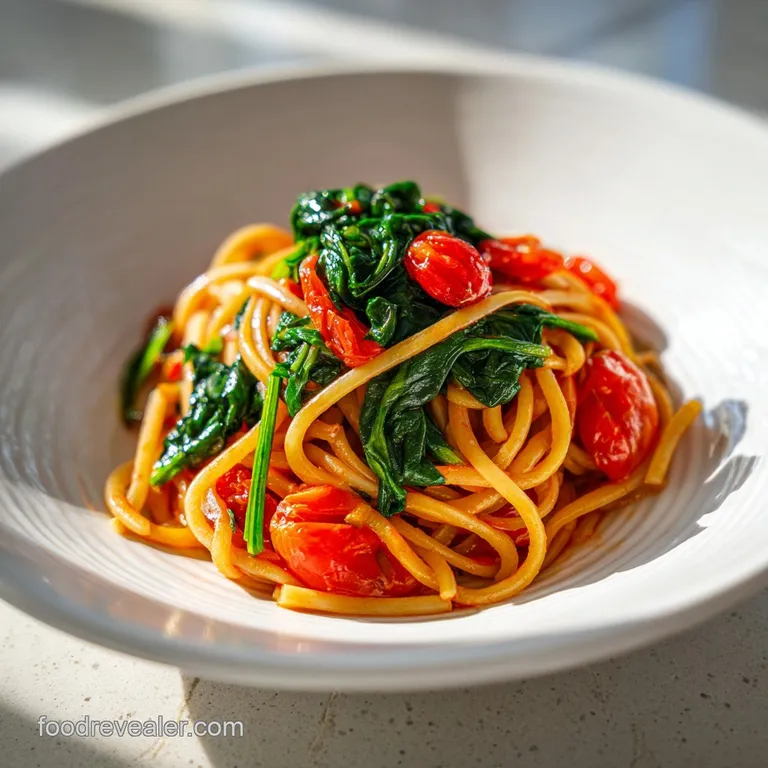
- Time: Active 10 mins, Passive 15 mins, Total 25 mins
- Flavor/Texture Hook: Velvety cream sauce with smoky fire roasted tomatoes
- Perfect for: Busy weeknight dinners or beginner friendly meal prep
Making a Delicious Spinach Tomato Pasta
Imagine the sharp, pungent aroma of four cloves of garlic hitting warm olive oil, creating a rhythmic sizzle that fills your kitchen. That was the exact moment last Tuesday when I realized I didn't need a takeout menu to survive a long workday.
I was exhausted, the fridge looked bare, and I had exactly twenty five minutes before my favorite show started. This spinach and tomato pasta dinner was born from that kitchen chaos, turning a few humble ingredients into something that feels intentional and indulgent.
I used to think that a truly "creamy" sauce required a messy roux or hours of simmering. I’ve since learned that the secret to a velvety finish is much simpler and far more reliable for a home cook.
By using the residual heat of the pasta and a splash of starchy water, we can melt cream cheese into a sauce that clings to every ridge of the penne. This recipe isn't about complex techniques; it’s about understanding how a few smart choices can lead to a tasty result every single time.
This dish has become my ultimate backup plan because it relies on items I almost always have in my pantry. Whether you are using fire roasted tomatoes for that extra smoky depth or just standard diced ones, the result is a balanced, comforting meal.
It’s the kind of recipe I text to friends when they ask for something "easy but impressive." Trust me, once you see how the fresh greens wilt into the hot sauce, you’ll never go back to the jarred stuff.
Why This Pasta Works
- Starch Emulsification: Reserved pasta water contains high levels of starch that act as a natural binding agent, allowing the fats from the cream cheese to meld with the tomato juices without separating.
- Acidic Balancing: The citric acid in canned tomatoes cuts through the heavy lipids of the cheese, providing a bright finish that prevents the dish from feeling overly heavy on the palate.
- Flash Wilting: Adding fresh baby spinach at the very end uses carryover heat to soften the leaves to a tender texture while preserving their vibrant chlorophyll and nutritional integrity.
| Method | Time | Texture | Best For |
|---|---|---|---|
| Stovetop | 25 minutes | Silky and saucy | Quick weeknight meals |
| Baked Version | 40 minutes | Crispy edges, bubbly | Potlucks or meal prep |
| Instant Pot | 20 minutes | Soft, unified flavors | One pot cleanup fans |
Choosing the stovetop method ensures you have total control over the sauce consistency. While the oven provides those lovely "shatter crisp" cheese edges, the stovetop version keeps the spinach bright and the creaminess at its peak. If you're looking for a similar flavor profile but with a protein boost, you might enjoy my Creamy Tuscan Chicken recipe.
Component Analysis
| Ingredient | Science Role | Pro Secret |
|---|---|---|
| Pasta Water | Primary Emulsifier | Never toss it; it's the "liquid gold" that fixes a dry sauce. |
| Cream Cheese | Fat & Stability | Use full fat blocks; low-fat versions contain stabilizers that can grain. |
| Fire Roasted Tomatoes | Flavor Complexity | The charring process adds Maillard reaction depth that regular tomatoes lack. |
The magic of this delicious spinach tomato pasta lies in these three pillars. When the starch meets the fat, you get a sauce that isn't just sitting in the bottom of the bowl it's actually coating the noodles.
Ingredients and Substitutes
- 12 oz penne or fusilli pasta: Why this? The ridges trap the creamy tomato sauce perfectly.
- Substitute: Whole wheat penne or gluten-free rotini.
- 1 tbsp sea salt: Why this? Essential for seasoning the pasta from the inside out.
- Substitute: 1.5 tbsp Kosher salt.
- 0.5 cup reserved pasta water: Why this? Glues the sauce to the pasta noodles.
- Substitute: Vegetable broth (though starch is lost).
- 2 tbsp extra virgin olive oil: Why this? Provides a fruity fat base for aromatics.
- Substitute: Unsalted butter for a richer flavor.
- 4 cloves garlic, minced: Why this? The foundational aromatic for Italian style dishes.
- Substitute: 1 tsp garlic powder in a pinch.
- 5 oz fresh baby spinach: Why this? Adds color, texture, and a mild earthy flavor.
- Substitute: Chopped kale (sauté 3 mins longer).
- 1 tsp Italian seasoning: Why this? A balanced blend of oregano, basil, and thyme.
- Substitute: Dried oregano and dried basil mixed.
- 0.5 tsp red pepper flakes: Why this? Provides a subtle back of-the throat heat.
- Substitute: A pinch of cayenne pepper.
- 14.5 oz canned fire roasted diced tomatoes: Why this? Instant smoky flavor without extra cooking time.
- Substitute: Standard diced tomatoes with 0.5 tsp smoked paprika.
- 4 oz cream cheese, softened and cubed: Why this? Creates a luxurious, tangy cream base quickly.
- Substitute: 0.5 cup heavy cream plus 2 tbsp Greek yogurt.
- 0.25 cup grated parmesan cheese: Why this? Adds a salty, umami kick to finish.
- Substitute: Pecorino Romano for a sharper bite.
- Salt and Black pepper: Why this? To fine tune the final flavor profile.
Chef Tip: Freeze your block of parmesan for 10 minutes before grating. This makes the cheese firmer and prevents it from clumping or melting into a blob before it hits the pan.
step-by-step Instructions
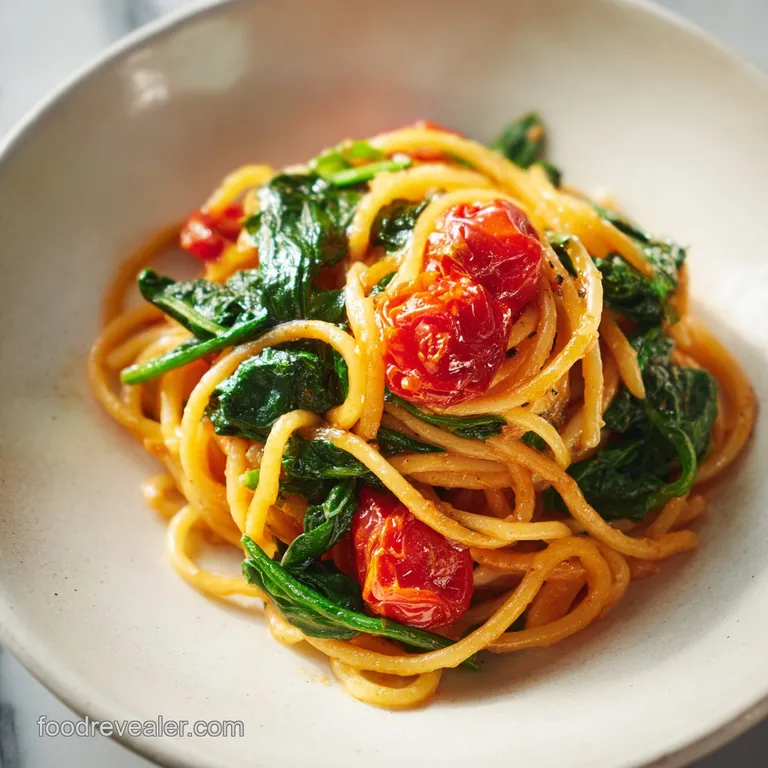
- Boil the pasta. Fill a large pot with water and 1 tbsp sea salt. Cook 12 oz penne until it reaches an al dente texture (usually 1 minute less than the box instructions).
- Save the liquid. Dip a measuring cup into the pot to grab 0.5 cup reserved pasta water before draining the noodles. Note: This starch is crucial for the sauce.
- Sauté the aromatics. Heat 2 tbsp extra virgin olive oil in a large skillet over medium heat. Add 4 cloves minced garlic and 0.5 tsp red pepper flakes, cooking for 1 minute until fragrant but not browned.
- Deglaze with tomatoes. Pour in 14.5 oz fire roasted diced tomatoes and 1 tsp Italian seasoning. Stir well, scraping the bottom of the pan to release any garlic bits.
- Simmer the base. Let the tomato mixture bubble gently for 5 minutes. This reduces the moisture and concentrates the flavor.
- Incorporate the cream. Add 4 oz cubed cream cheese to the skillet. Use a whisk or wooden spoon to stir until the cheese has melted into a velvety pink sauce.
- Emulsify the sauce. Slowly pour in the reserved pasta water while stirring. The sauce should look glossy and slightly thin it will thicken once the pasta is added.
- Wilt the spinach. Fold in 5 oz fresh baby spinach. Stir for about 30 seconds until the leaves just begin to collapse and turn bright green.
- The final toss. Add the cooked pasta back into the skillet. Toss vigorously to ensure every piece of penne is submerged in the tomato pasta sauce.
- Finishing touches. Sprinkle with 0.25 cup grated parmesan. Season with salt and black pepper to taste and serve immediately while the sauce is still fluid.
Solving Common Pasta Problems
Why Your Sauce Separates
If you see oil pooling at the edges or the cheese looking grainy, it’s usually because the heat was too high when the dairy was added. High heat causes the proteins in cream cheese to tighten and squeeze out the fat.
Always turn the heat down to low before adding your cheese, and ensure it is softened at room temperature first to help it integrate smoothly.
Fixing Dry Pasta
Sometimes the pasta absorbs the sauce faster than you can serve it. If the dish looks "sticky" or dry, don't add more oil. Instead, add a tablespoon of hot water or milk. This re hydrates the starch and loosens the sauce without making the dish greasy.
| Problem | Root Cause | Solution |
|---|---|---|
| Bland Flavor | Lack of acidity or salt | Add a squeeze of lemon or more Parmesan. |
| Slimy Spinach | Overcooking the greens | Stir in spinach only at the very end. |
| Grainy Sauce | Using cold cream cheese | Cubing and softening cheese before adding. |
Common Mistakes Checklist:
- ✓ Never rinse your pasta after draining; you want that surface starch to help the sauce stick.
- ✓ Ensure the garlic is minced finely so it melts into the oil rather than leaving crunchy bits.
- ✓ Don't skip the fire roasted tomatoes; they provide a depth that regular canned tomatoes can't match.
- ✓ Always taste for salt before serving, as different brands of canned tomatoes have varying sodium levels.
- ✓ Use a large enough skillet so the pasta isn't overcrowded during the final tossing phase.
Scaling Your Meal Up
To make a larger batch of this spinach tomato pasta for a crowd (doubling the recipe), you’ll want to use a large Dutch oven instead of a skillet. When doubling, don't double the red pepper flakes immediately; start with 1.5 times the amount and adjust, as spice can build quickly.
You will also find that you need slightly less pasta water around 0.75 cups should suffice for a double batch to maintain the right consistency.
If you are cooking for one or two, this recipe halves beautifully. Use a small 8 inch skillet and reduce the simmering time for the tomatoes by 2 minutes, as the smaller volume will reduce faster. For a different flavor profile, you can swap the tomatoes for the base used in my Garlic Butter Shrimp recipe, which is another fantastic option for a smaller serving.
Flavor and Texture Options
- If you want a high protein punch, add 8 oz of grilled chicken breast or sautéed shrimp after the spinach has wilted.
- If you want a dairy-free experience, swap the cream cheese for a thick cashew cream and use nutritional yeast instead of parmesan.
- If you want more crunch, top the finished dish with toasted panko breadcrumbs or toasted pine nuts just before serving.
Debunking Kitchen Myths
A common misconception is that you must add olive oil to the pasta boiling water to prevent sticking. In reality, the oil just floats on top and eventually coats the pasta as you drain it, which actually prevents your sauce from sticking to the noodles later!
The only way to prevent sticking is to use a large pot with plenty of water and stir the pasta during the first two minutes of cooking.
Another myth is that "fresh is always better" when it comes to tomatoes. For a sauce like this, high-quality canned fire roasted tomatoes are often superior to fresh supermarket tomatoes, which can be watery and flavorless out of season.
Canned tomatoes are processed at their peak ripeness, providing a consistent and tasty result for your delicious spinach tomato pasta regardless of the time of year.
Storage and Zero Waste
Storage: This pasta keeps surprisingly well in the fridge for up to 3 days. When reheating, the sauce will naturally thicken and may look "clumpy." To fix this, add a splash of milk or water before microwaving or heating on the stovetop. This brings that velvety texture back to life.
I don't recommend freezing this dish, as the cream cheese can change texture and become slightly gritty once thawed.
Zero Waste: Don't throw away those spinach stems! If you have extra spinach that's looking a bit wilty, blend it with a little olive oil and garlic to make a quick "green oil" to drizzle over eggs or toast the next morning.
If you have leftover parmesan rinds, toss them into a freezer bag; they are incredible for adding deep umami flavor to soups and broths later on. Using every part of your ingredients is the hallmark of a smart, efficient home cook.
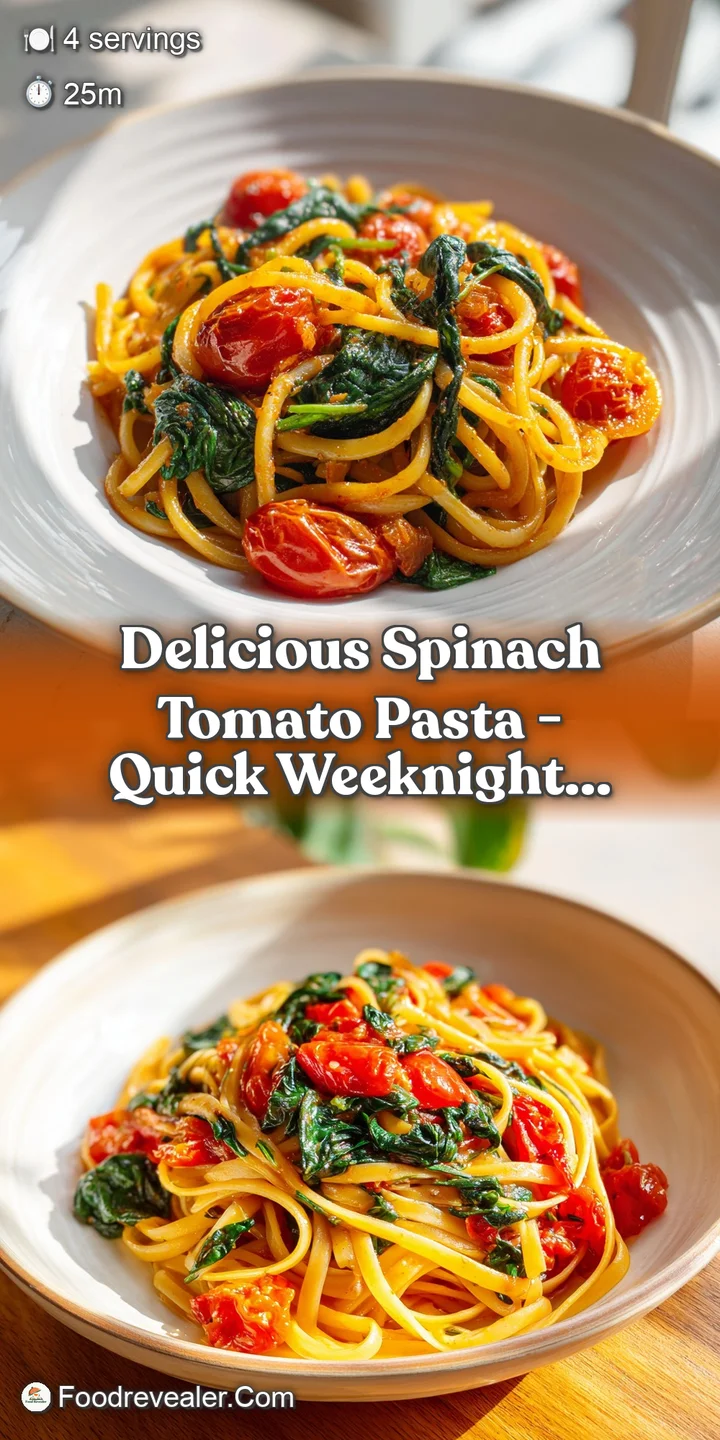
Recipe FAQs
Can I substitute heavy cream for the cream cheese in this pasta sauce?
No, this is not an ideal substitute. Cream cheese is essential because it contains stabilizers that ensure the sauce emulsifies perfectly with the starchy water; heavy cream alone can separate more easily under high heat.
How to prevent the sauce from becoming grainy after reheating?
Add a liquid before reheating. When the sauce separates upon cooling, the fat solidifies; reheating on low with a splash of milk or water helps re-incorporate the starch and restore the velvety texture.
Is it true that rinsing the pasta after draining improves sauce adhesion?
False. Rinsing washes away the starch coating clinging to the noodles, which is the key ingredient that helps the creamy tomato sauce adhere properly to the penne.
How to increase the smoky flavor profile of the tomatoes?
Use smoked paprika or concentrate the tomatoes longer. If you are out of fire roasted canned tomatoes, stir in half a teaspoon of smoked paprika with the Italian seasoning to mimic that deep char flavor.
What is the best way to ensure the garlic does not burn while sautéing?
Sauté minced garlic over medium low heat for one minute. You should cook the garlic just until it becomes fragrant, pulling it off the heat immediately if you see it begin to turn brown, which signals bitterness is imminent.
How to make this recipe dairy-free while keeping the creamy texture?
Substitute cashew cream for the cheese and use nutritional yeast. For a similar tangy depth achieved by the cheese, consider replacing the parmesan with nutritional yeast, a technique also used effectively in our Low Carb Chicken recipe.
How to quickly wilt the spinach without overcooking it?
Add spinach in the final 30 seconds off the heat. Toss the fresh baby spinach into the warm sauce and pasta mixture just before serving, relying on the carryover heat to soften the leaves while keeping them bright green.
Spinach Tomato Pasta In 25 Min
Ingredients:
Instructions:
Nutrition Facts:
| Calories | 509 kcal |
|---|---|
| Protein | 16.5 g |
| Fat | 19.2 g |
| Carbs | 69.8 g |
| Fiber | 3.5 g |
| Sugar | 6.1 g |
| Sodium | 418 mg |
