Chicken Chow Mein: Silky and Smoky Stir-Fry
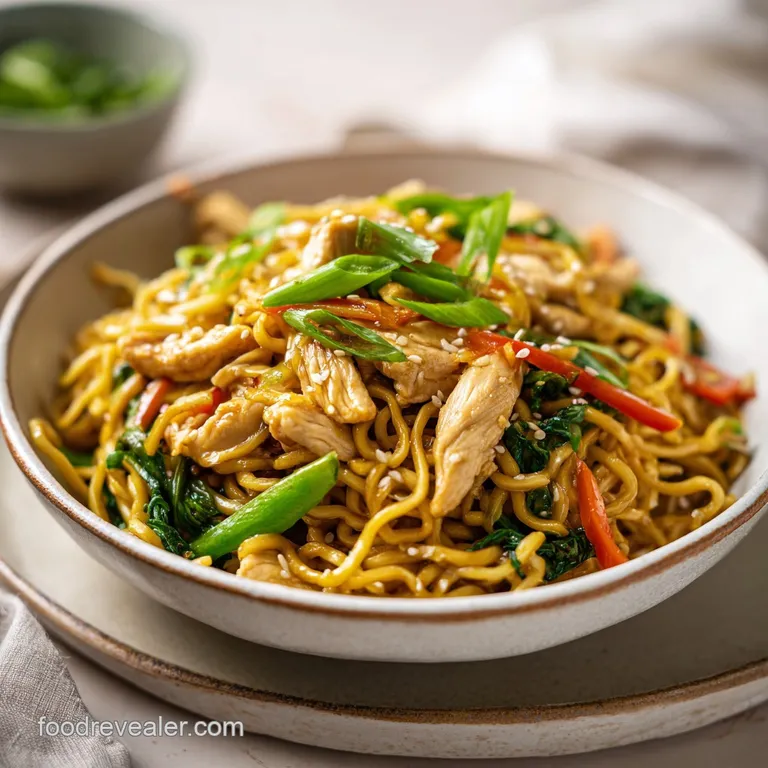
- Time: Active 20 minutes, Passive 10 minutes, Total 30 minutes
- Flavor/Texture Hook: Silky chicken and charred noodles
- Perfect for: High speed weeknight dinner cravings
- Making The Most Authentic Chicken Chow Mein
- Flavor Benefits Of This Recipe
- Essential Metrics For Cooking Success
- Sourcing Components For The Sauce
- Vital Tools For Better Sizzling
- Executing The High Heat Stir Fry
- Solutions For Common Kitchen Mistakes
- Exploring Modern Asian Fusion Variations
- Guidelines For Adjusting Recipe Size
- Debunking Noodle Cooking Myths
- Guidelines For Storage And Waste
- Pairings To Complement Your Meal
- High in Sodium
- Recipe FAQs
- 📝 Recipe Card
Making The Most Authentic Chicken Chow Mein
The smell of a professional stir fry is something you never forget once you've smelled it properly. It’s that hit of scorched soy sauce, toasted sesame, and the sharp, bright zing of ginger hitting a screaming hot pan.
I used to think I could never recreate that at home because my kitchen always ended up smelling like steamed cabbage and my noodles were a gluey, sad mess that clumped together the second they hit the plate.
The problem wasn't my stove or my pan, it was the water. I was letting too much moisture stay on my vegetables and my noodles were straight out of the pot, still damp and starchy. That extra liquid turns a stir fry into a braise, and that's how you get that rubbery texture we all hate.
This Chicken Chow Mein is the fix for that, focusing on surface dryness and a specific way of prepping the meat that feels like magic.
You're going to see a transformation in your kitchen today. We aren't just tossing things in a pan and hoping for the best. We are building layers of flavor and texture that actually hold up, even if you have leftovers the next day.
This is about that classic, mahogany colored glaze and noodles that have just enough "bite" to keep things interesting.
Flavor Benefits Of This Recipe
The Alkaline Advantage: Using egg noodles provides a specific springy texture that stands up to the intense heat of a wok without turning to mush.
Protein Surface Protection: A light coating of cornstarch creates a microscopic barrier that prevents the meat fibers from tightening up and becoming tough.
Residual Heat Management: Adding the bean sprouts at the very end ensures they stay crunchy rather than weeping water into your carefully built sauce.
Sugar Caramelization Control: The small amount of sugar in the sauce reacts with the soy at high heat to create a complex, savory depth rather than just sweetness.
| Noodle Type | Prep Time | Texture Result | Best Use |
|---|---|---|---|
| Fresh Egg Noodles | 1 minute | Springy and charred | Authentic Stir Fry |
| Dried Egg Noodles | 5 minutes | Softer, less bite | Budget Friendly |
| Pre cooked Packets | 0 minutes | Often oily or limp | Emergency Meals |
Choosing the right noodle is the foundation of the entire dish. Fresh noodles contain more moisture and protein, allowing them to brown quickly while keeping their structural integrity.
If you use dried noodles, ensure they are cooked "al dente" before they ever touch the wok, as they will continue to soften once the sauce is added.
Essential Metrics For Cooking Success
| Component | Target Metric | Importance | Visual Cue |
|---|---|---|---|
| Chicken Strips | 1/4 inch thick | Even cooking | Opaque and white |
| Wok Temperature | 400°F (200°C) | Wok Hei flavor | Wisps of blue smoke |
| Noodle Blanch | 60 seconds | Texture control | Flexible but firm |
Getting the thickness of your chicken right is non negotiable for success. If the strips are too thick, the outside will burn before the inside finishes. If they are too thin, they'll overcook in seconds and lose that velvety feel we've worked so hard to create with the marinade.
Sourcing Components For The Sauce
| Ingredient | Science Role | Pro Secret |
|---|---|---|
| Baking Soda | pH Alteration | Breaks down tough fibers for a silky, tender bite. |
| Dark Soy Sauce | Color Saturation | Provides the deep mahogany hue without adding excessive salt. |
| Cornstarch | Moisture Binding | Creates a light slurry that helps the marinade cling to the meat. |
The sauce is a balance of salt, sugar, and fat. Dark soy sauce is the secret weapon for that professional look. It’s thicker and less salty than the light version, acting almost like a dye for the noodles. Without it, your Chow Mein will look pale and unappetizing, no matter how good it tastes.
- 1 lb chicken breast, thinly sliced into strips Why this? Lean protein absorbs the velvet marinade perfectly.
- 1 tbsp light soy sauce (for marinade)
- 1 tbsp Shaoxing wine or dry sherry Why this? Cuts through fat and adds fermented depth.
- 1 tsp cornstarch
- 1/2 tsp baking soda
- 2 tbsp oyster sauce
- 1 tbsp dark soy sauce Why this? Essential for that deep, rich brown color.
- 1 tbsp light soy sauce (for sauce)
- 1 tsp toasted sesame oil
- 1 tsp sugar
- 1/4 tsp white pepper
- 12 oz fresh chow mein egg noodles
- 2 cups green cabbage, shredded
- 1 large carrot, julienned
- 3 cups fresh mung bean sprouts
- 4 scallions, cut into 2 inch pieces
- 3 cloves garlic, minced
- 1 tsp fresh ginger, grated
- 3 tbsp neutral oil (grapeseed or vegetable)
For the chicken, you can swap in thighs if you prefer a juicier, fattier meat, though you'll need to trim the excess fat to keep the stir fry from getting greasy. If you can't find Shaoxing wine, a dry Pale Sherry is the closest match in terms of acidity and flavor profile.
| Original Ingredient | Substitute | Why It Works |
|---|---|---|
| Shaoxing Wine | Dry Sherry | Similar acidity and fermented notes. |
| Oyster Sauce | Vegetarian Mushroom Sauce | Provides the same thick texture and earthy umami. |
| Mung Bean Sprouts | Shredded Bok Choy | Adds a similar crunch and high water content. |
Don't skip the white pepper if you can help it. It has a different heat profile than black pepper more floral and sharp which is a hallmark of Cantonese style cooking. It lingers on the back of the tongue and cuts through the richness of the soy and oyster sauce perfectly.
Vital Tools For Better Sizzling
A carbon steel wok is your best friend here because it responds to heat changes instantly. If you use a heavy cast iron skillet, it holds heat so well that it can actually overcook the vegetables while you're trying to toss the noodles.
You want a pan that gets hot fast and cools down just as quickly when you pull it off the burner.
If you don't have a wok, a large stainless steel frying pan is your next best bet. Avoid non stick pans if possible; they can't handle the high heat required for that signature char, and the coating can actually degrade at the temperatures we need.
You want the food to catch just a little bit on the metal to develop those browned, flavorful bits.
The Logic Of Velveting Meat
Velveting is the technique that separates "home cooked" chicken from the stuff you get at a high end Chinese restaurant. By using a small amount of baking soda and cornstarch, we are physically changing the structure of the meat.
The baking soda raises the pH level on the surface of the chicken, which prevents the proteins from bonding too tightly when heated.
This means the meat stays tender and "silky" even under the intense heat of the wok. Most people skip this and end up with dry, stringy chicken. It only takes 15 minutes, but the difference is massive.
It creates a texture that is so soft it almost melts, providing a perfect contrast to the bite of the noodles and the crunch of the carrots.
Executing The High Heat Stir Fry
- Combine the sliced chicken with 1 tbsp light soy sauce, Shaoxing wine, cornstarch, and baking soda. Note: This creates the velvet texture.
- Let the chicken marinate for 15 minutes until the liquid is fully absorbed.
- Whisk the oyster sauce, dark soy sauce, remaining light soy sauce, sesame oil, sugar, and white pepper in a bowl.
- Blanch the noodles in boiling water for 1 minute until they just become flexible.
- Drain the noodles and spread them on a tray to air dry. Note: Dry noodles are the secret to a good char.
- Heat 1 tbsp oil in a wok until it starts to shimmer.
- Sear the chicken strips until the edges are golden and crispy, then remove.
- Add the remaining oil and sauté garlic and ginger for 10 seconds until the aroma fills the room.
- Toss in cabbage and carrots, stir frying for 2 minutes until they look bright and slightly softened.
- Add the dried noodles and toss at high heat until you hear a faint crackling sound.
- Return the chicken, bean sprouts, and scallions to the pan.
- Pour the sauce over everything and toss vigorously for 2 minutes until the noodles are glossy and dark.
The air drying step for the noodles is where most people fail. If you put wet noodles into a hot pan, the water turns to steam and you've essentially boiled your stir fry. By letting them sit on a tray for even 5 or 10 minutes, the surface moisture evaporates, allowing the oil to actually fry the exterior of the noodle.
That is how you get those little charred bits that taste so incredible.
Solutions For Common Kitchen Mistakes
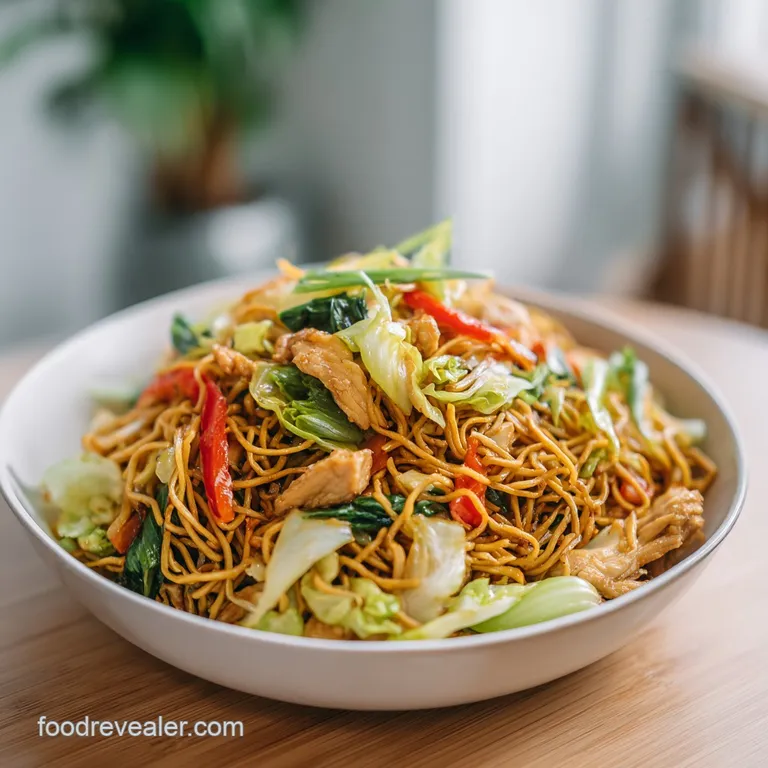
If your noodles are sticking together in a giant clump, it's usually because they weren't rinsed well enough after blanching. Rinsing them under cold water stops the cooking process and washes away the excess starch that acts like glue.
A little drizzle of oil over the noodles while they air dry can also help keep them separate.
Preventing Soggy Noodles
Sogginess is usually the result of overloading the pan. If you double the recipe, you must cook in batches. When you put too much cold food into a hot wok, the temperature drops instantly, and the vegetables start to release their juices instead of searing.
| Problem | Root Cause | Solution |
|---|---|---|
| Dry Chicken | No velveting | Use baking soda and cornstarch in the marinade. |
| Pale Noodles | No dark soy | Use dark soy sauce for color and light soy for salt. |
| Watery Sauce | Wet vegetables | Dry your veggies thoroughly after washing. |
If you notice a pool of liquid forming at the bottom of your wok, your heat isn't high enough or your pan is too crowded. In that case, the best fix is to push the ingredients to the sides and let the liquid evaporate in the center for a few seconds before continuing to toss.
- ✓ Pat the chicken dry before adding the marinade to ensure it sticks.
- ✓ Ensure the wok is smoking hot before adding the first drop of oil.
- ✓ Cut all vegetables to a similar size so they cook at the same rate.
- ✓ Don't overcook the bean sprouts; they should only be in the pan for 60 seconds.
- ✓ Use a neutral oil with a high smoke point like grapeseed or peanut oil.
Avoiding Bitter Garlic
Garlic burns much faster than ginger or onions. If you toss it into a dry, hot pan and let it sit, it will turn black and bitter in seconds. The trick is to have your oil ready and your vegetables waiting.
As soon as you smell that first hit of garlic aroma, the cabbage and carrots should go in immediately to lower the temperature and stop the garlic from burning.
Exploring Modern Asian Fusion Variations
If you want to take this in a different direction, try adding a tablespoon of chili crisp or Szechuan peppercorns at the garlic stage. This adds a "ma la" numbing heat that works beautifully with the savory oyster sauce. It transforms the classic Cantonese flavor into something much more aggressive and modern.
You can also experiment with the protein. While this is a Chicken Chow Mein, the same techniques apply to shrimp or thinly sliced flank steak. If you're looking for a comforting side to go with it, something like a Cheesy Chicken Casserole might seem like an odd pairing, but the creaminess of a casserole can actually balance the sharp saltiness of the soy sauce if you're serving a big family meal.
| Premium | Budget | Flavor Impact | Savings |
|---|---|---|---|
| Fresh Ginger | Ginger Paste | Slightly less pungent | $1-2 |
| Shaoxing Wine | Dry Sherry | Nearly identical | $5-8 |
| Fresh Bean Sprouts | Canned Sprouts | Significant loss of crunch | $1 |
For another cozy option, you might consider serving this alongside a bowl of Creamy Chicken Pot Pie filling used as a thick sauce. It’s a total fusion move, but the savory gravy of the pot pie mixed with the charred noodles is a "secret menu" style comfort food that I absolutely love.
Guidelines For Adjusting Recipe Size
When you're cooking for one or two, don't just cut the ingredients in half and call it a day. Stir frying relies on the ratio of food to surface area in the pan. With a smaller amount of food, your ingredients will cook much faster because they aren't competing for heat.
You may need to reduce your cook times by about 20% to avoid burning the garlic and ginger.
If you are scaling up for a party of eight, do not try to cook it all at once. Even the biggest home woks can't handle that much volume. Cook the chicken in two batches, then the vegetables in two batches. Combine everything at the very end with the noodles and sauce.
This ensures every piece of chicken gets that golden sear and every noodle gets its moment against the hot metal.
Adjusting Salt Levels
If you find the final dish too salty, a splash of rice vinegar or a squeeze of lime can help balance it out. The acidity cuts through the sodium and brightens the whole dish. On the other hand, if it tastes flat, don't just add more salt add another teaspoon of oyster sauce or a pinch more sugar to bring out the existing flavors.
Debunking Noodle Cooking Myths
One common myth is that you need an industrial strength burner to get "wok hei" or that smoky flavor. While a high output burner helps, you can achieve a similar effect on a standard stove by letting the noodles sit undisturbed in the hot oil for 30 seconds before tossing.
This allows them to develop those charred, crispy spots that mimic the professional equipment.
Another misconception is that sesame oil should be used for frying. Sesame oil has a very low smoke point and will turn bitter and acrid if heated too much. It should always be used as a finishing oil or included in the cold sauce mixture.
For the actual frying, stick to high smoke point oils like vegetable, canola, or peanut oil.
Guidelines For Storage And Waste
Leftover Chicken Chow Mein stays good in the fridge for up to 3 days. To reheat it, avoid the microwave if you can. A quick toss in a hot skillet with a teaspoon of water will revive the noodles and keep them from getting rubbery. The water creates steam that helps separate the clumps and moisturizes the chicken.
For zero waste, save your cabbage cores and carrot peels. You can toss them into a freezer bag and use them to make a rich vegetable stock later. The ends of the scallions (the white parts) can also be placed in a jar of water on your windowsill they will literally regrow in a week, giving you an endless supply of fresh greens for your next stir fry.
Pairings To Complement Your Meal
This dish is a powerhouse on its own, but it loves a crunchy, fresh side. A simple smashed cucumber salad with plenty of garlic and black vinegar is the perfect foil to the rich, oily noodles. The cold, crisp cucumbers refresh your palate between bites of the savory chicken.
If you're hosting a larger dinner, I often serve this alongside a big tray of roasted broccoli or even a Broccoli Casserole recipe. The cheese and cream in a casserole might feel "Western," but the charred broccoli florets actually pick up the smoky notes of the Chow Mein beautifully. It’s all about finding that balance of textures crunchy, silky, and charred.
Another great pairing is a simple egg drop soup. The delicate, velvet texture of the egg wisps mirrors the silkiness of our marinated chicken. It provides a warm, liquid contrast to the dry style stir fry, making the whole meal feel like a complete restaurant experience right at your own dining table.
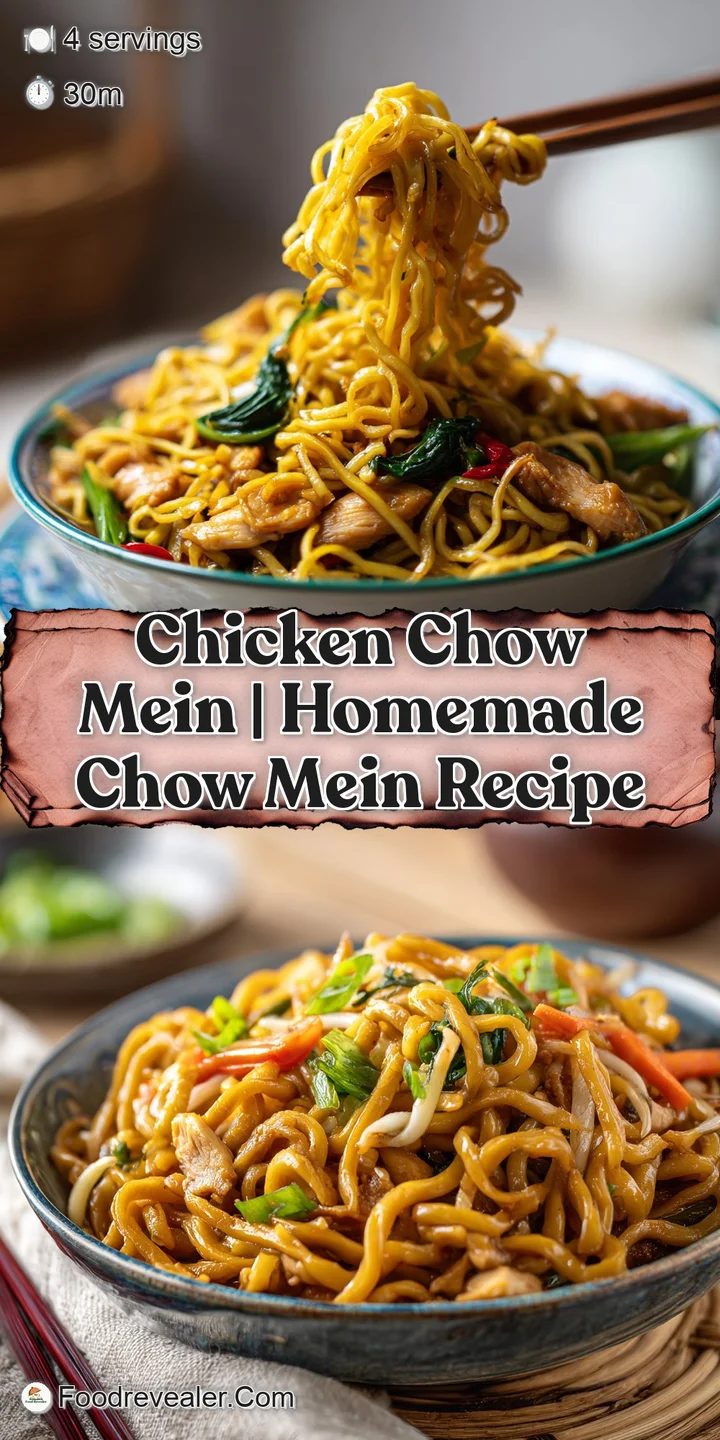
High in Sodium
1120 mg 1120 mg of sodium (49% 49% of daily value)
The American Heart Association recommends limiting sodium intake to no more than 2,300mg per day, aiming for an ideal limit of about 1,500mg for most adults.
Tips to Reduce Sodium
-
Dilute Soy Sauces-30%
Reduce the amount of both light and dark soy sauce used in the marinade and sauce. You can also dilute them with water or a low-sodium alternative to significantly cut sodium.
-
Choose Low-Sodium Soy Sauce-25%
When preparing the marinade and sauce, opt for low-sodium soy sauce. This single swap can drastically lower the overall sodium content without a huge sacrifice in flavor.
-
Boost Aromatics and Herbs
Increase the amounts of garlic, ginger, and scallions. Fresh herbs like cilantro can also be added to enhance flavor without adding sodium. Focus on natural flavor builders.
-
Use Low-Sodium Broth (if applicable)
If any part of the sauce preparation typically involves broth (though not listed here), always choose low-sodium or no-salt added broth.
-
Omit Baking Soda for Chicken-5%
Baking soda is often used to tenderize chicken, but it can add a small amount of sodium. While its direct sodium contribution might be minor, omitting it is an option if you're seeking every possible reduction.
Recipe FAQs
What does chicken chow mein contain?
It combines thinly sliced chicken breast, fresh egg noodles, and crisp vegetables. The flavor profile relies on a blend of oyster sauce, light and dark soy sauce, Shaoxing wine, sesame oil, sugar, and white pepper.
Can diabetics have chow mein?
Consult with your healthcare provider to determine if this fits your dietary needs. While this recipe features lean chicken and fresh vegetables, the noodle content may impact blood glucose levels significantly.
What is the difference between chicken lo mein and chow mein?
The preparation method of the noodles is the primary difference. Chow mein noodles are blanched, air-dried, and stir fried at high heat to achieve a charred texture, whereas lo mein noodles are typically tossed with sauce after cooking without the high heat searing step.
What ingredients are in chow mein?
The core ingredients include chicken breast, fresh chow mein egg noodles, cabbage, carrots, bean sprouts, and scallions. Aromatics like garlic and ginger provide the base, while a sauce of oyster sauce, soy sauces, sesame oil, sugar, and white pepper finishes the dish.
How to keep noodles from becoming soggy?
Blanch the noodles for exactly one minute, then rinse under cold water and air-dry them completely before stir frying. Removing surface moisture prevents the noodles from steaming instead of searing, ensuring they stay firm and separate.
How to achieve the restaurant style silky texture on the chicken?
Marinate the chicken slices in a mixture of light soy sauce, Shaoxing wine, cornstarch, and baking soda for 15 minutes. If you enjoyed mastering this velveting technique, see how we apply similar protein tendering principles in our classic chicken parmesan recipe.
Is it true that I should add sauce while the vegetables are still raw?
No, this is a common misconception. You should sauté the cabbage and carrots until crisp tender first, then add the sauce only at the end to ensure the noodles and chicken are evenly coated without overcooking the vegetables.
Classic Chicken Chow Mein
Ingredients:
Instructions:
Nutrition Facts:
| Calories | 605 kcal |
|---|---|
| Protein | 47 g |
| Fat | 18 g |
| Carbs | 59 g |
| Fiber | 3.5 g |
| Sugar | 4.2 g |
| Sodium | 1120 mg |
