Easy Caprese Pasta Salad Recipe
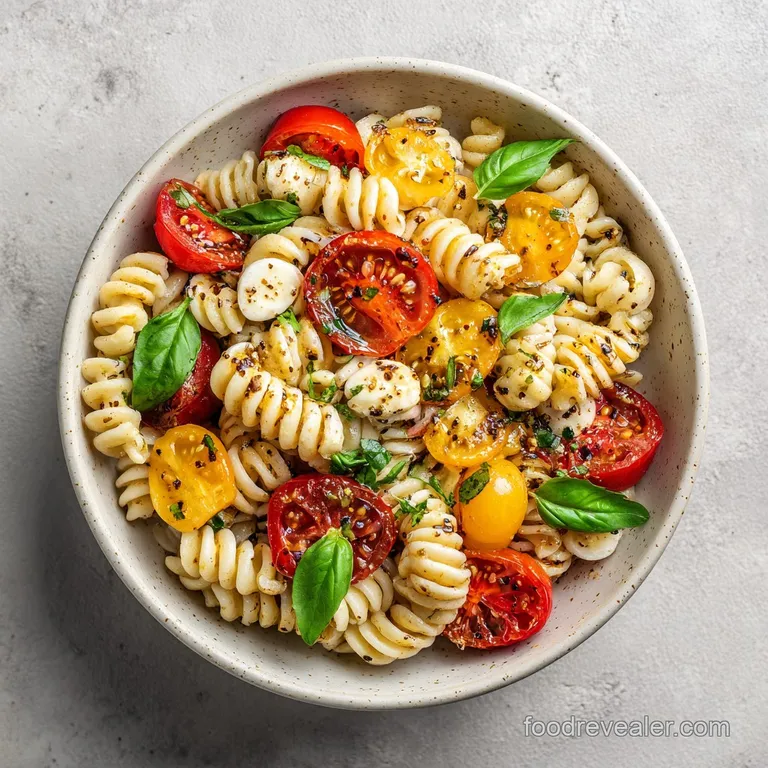
- Time: Active 15 minutes, Passive 10 minutes, Total 25 minutes
- Flavor/Texture Hook: Zesty, herbaceous, and silky
- Perfect for: Backyard BBQs, meal prep, and warm summer evenings
- Master This Easy Caprese Pasta Salad
- Why Homemade Beats The Deli Tub
- Essential Recipe Success Metrics
- Key Components For Flavor Impact
- Tools For Stress Free Prep
- Simple Steps For Better Results
- Solving Your Pasta Salad Struggles
- Tasty Variations To Try Now
- Keep Your Leftovers Fresh
- Tricks For Restaurant Level Style
- Recipe FAQs
- 📝 Recipe Card
Master This Easy Caprese Pasta Salad
Picture this: it's a humid Tuesday, and you've just spent $15 on a tiny plastic tub of pasta salad from the deli down the street. You take a bite, and it’s... fine. The pasta is a bit mushy, the tomatoes are mealy, and the "dressing" is mostly just oil and regret.
Honestly, we've all been there, but your kitchen deserves so much better than that.
That’s exactly why I started making my own version of this Easy Caprese Pasta Salad at home. There is something truly therapeutic about the smell of fresh basil being torn by hand and the sharp, spicy sting of grated garlic hitting a bowl of olive oil.
When you make it yourself, you get that satisfying pop from the cherry tomatoes and the velvety richness of real mozzarella pearls that haven't been sitting in a preservative bath for three weeks.
This recipe isn't about being fancy; it's about making something that actually tastes like summer. We're going to use a few simple tricks to make sure the noodles don't turn into a block of glue and the basil stays bright green instead of turning into sad, brown confetti.
Let’s get stuck in and make a bowl that will actually have people asking you for the recipe.
Why Homemade Beats The Deli Tub
Most people think a salad is just throwing things in a bowl, but there is some actual logic to why this specific combination works so well. It’s all about managing moisture and making sure the pasta is primed to absorb the vinaigrette without losing its structure.
The Science of the Starch
Starch Retrogradation: Cooling the pasta quickly after cooking prevents the starches from bonding into a sticky mess, ensuring each noodle remains distinct. This allows the oil based dressing to create a silky coating rather than getting absorbed into a gummy center.
- Emulsification: By whisking the vinegar into the oil with garlic and oregano, we create a temporary emulsion that clings to the ridges of the Cavatappi.
- Osmotic Balance: Salting the pasta water heavily (like the sea!) seasons the noodle from the inside out, so you don't need to over salt the final dish.
- Acid Interaction: The red wine vinegar cuts through the high fat content of the mozzarella, keeping the palate refreshed with every bite.
| Method | Time | Texture | Best For |
|---|---|---|---|
| Stovetop (Classic) | 10 mins | Firm and bouncy | Traditional pasta salad feel |
| Roasted Tomatoes | 15 mins | Jammy and sweet | Adding a deep, smoky undertone |
| One Pot Method | 12 mins | Creamier/Starchier | Quick cleanup but less "clean" bite |
If you are looking for something with a bit more of a kick, you might enjoy my Healthy Street Corn recipe, which uses a similar pasta base but with a totally different flavor profile. But for today, we are sticking with the Italian inspired classic that never fails to please a crowd.
Essential Recipe Success Metrics
When you're in the middle of a kitchen whirlwind, having clear targets helps keep everything on track. I’ve found that consistency comes down to these three specific checkpoints.
| Component Analysis | Science Role | Pro Secret |
|---|---|---|
| Cavatappi Pasta | Surface Area | Use the corkscrew shape to trap the mozzarella pearls and dressing in its spirals. |
| Fresh Mozzarella | Fat Content | Drain the pearls well and pat dry to prevent excess water from thinning your vinaigrette. |
| Balsamic Glaze | Viscosity | Add this at the very end so it stays thick and dark instead of bleeding into the oil. |
Getting the pasta right is about 80% of the battle here. If you cook it too long, it’s a disaster. If you don't cook it enough, it’s like eating cardboard. I usually pull my noodles about 60 seconds before the package says they're "al dente" because they will continue to soften slightly as they marinate in the dressing.
Key Components For Flavor Impact
You don't need a massive grocery list for this, but the quality of what you buy matters. Since there are so few ingredients, there's nowhere for poor quality oil or rubbery cheese to hide. Trust me, spending the extra two dollars on the "good" olive oil makes a world of difference here.
- 16 oz Cavatappi or Fusilli: These shapes are the kings of pasta salad. Why this? The ridges and holes are built in flavor traps for the vinaigrette.
- 1 pint Cherry tomatoes: Halve these so the juices mingle with the dressing. Why this? They are sweeter and more consistent than large vine tomatoes.
- 8 oz Fresh Mozzarella pearls (Ciliegine): These are the perfect bite sized pops of creaminess. Why this? No chopping required, and they match the scale of the pasta.
- 1 cup Fresh basil leaves: Cut into a chiffonade (thin ribbons). Why this? Provides that signature aromatic punch that defines Caprese.
- 1/2 cup Extra virgin olive oil: The backbone of your dressing. Why this? Adds a fruity, peppery finish that ties everything together.
- 1/4 cup Red wine vinegar: Provides the necessary "zing." Why this? It's punchier than balsamic vinegar for the base dressing.
| Original Ingredient | Substitute | Why It Works |
|---|---|---|
| Red Wine Vinegar | Lemon Juice | Same acidity levels but adds a brighter, citrusy note. |
| Mozzarella Pearls | Feta Cheese | Adds a salty, tangy kick. Note: Changes the dish from Caprese to Mediterranean. |
| Cavatappi | Penne | Similar size and texture, though it holds slightly less dressing. |
If you happen to have leftovers of the dressing, it’s actually fantastic on a simple green salad the next day. I often double the vinaigrette portion just to keep a jar in the fridge for emergencies.
Tools For Stress Free Prep
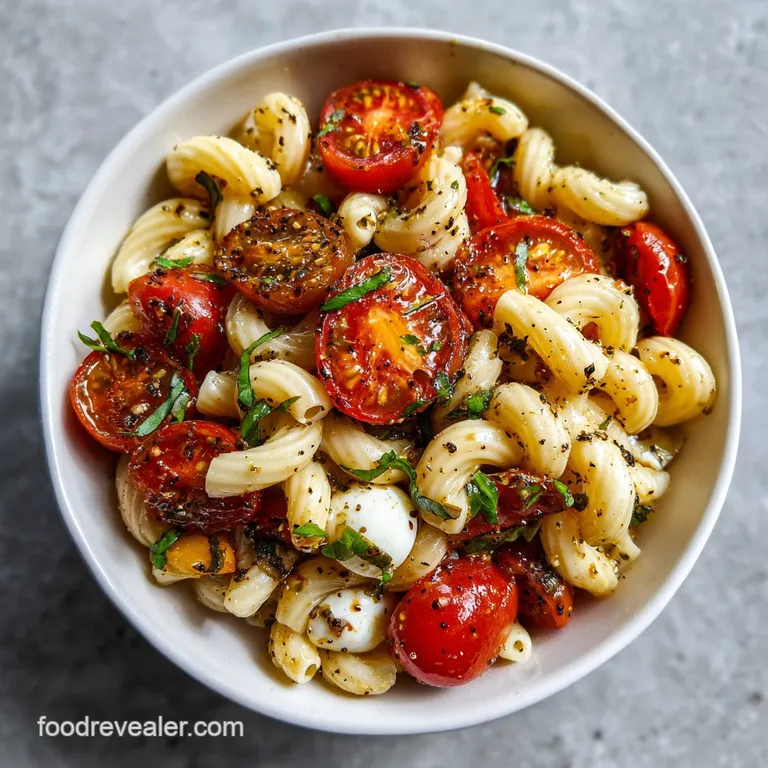
You don't need a high tech kitchen to pull this off, but a couple of specific items will make your life significantly easier. I used to try and mince garlic with a dull knife, but once I switched to a proper grater, I never looked back.
- Large Stockpot: You need plenty of water (at least 4-6 quarts) so the pasta can dance around without sticking.
- Microplane or Fine Grater: Perfect for the garlic cloves. It turns them into a paste that melts into the oil.
- Large Colander: For that crucial rinse and drain step.
- Whisk: To properly emulsify the oil and vinegar.
- Wide Mixing Bowl: Gives you enough room to toss the salad without flying noodles hitting the floor.
Chef's Tip: Freeze your block of mozzarella for 10 minutes before slicing if you aren't using pearls; it makes the cheese much easier to cut into clean cubes without it squishing under the knife.
Simple Steps For Better Results
Follow this flow and you’ll have a professional grade salad in under half an hour. The key is in the timing don't let the pasta sit around getting warm while you're still chopping tomatoes.
- Boil the water. Fill a large pot with water and add the 1 tbsp sea salt. Note: It should taste like seawater.
- Cook the pasta. Add 16 oz Cavatappi and cook for about 8-9 minutes until firm to the bite (al dente).
- Shock and drain. Drain the pasta and immediately rinse with cold water until the noodles feel cool to the touch.
- Prep the aromatics. Grate 2 cloves of garlic into a small bowl and chiffonade 1 cup of basil. Note: To chiffonade, stack leaves, roll like a cigar, and slice thin.
- Whisk the vinaigrette. Combine 1/2 cup olive oil, 1/4 cup red wine vinegar, 1 tsp oregano, 1/2 tsp kosher salt, pepper, and the garlic. Whisk until the oil and vinegar no longer separate.
- Combine the base. In a large bowl, toss the cooled pasta with the halved cherry tomatoes and 8 oz mozzarella pearls.
- Dress the salad. Pour the vinaigrette over the pasta and toss thoroughly until every noodle is glistening.
- Add the herbs. Fold in the fresh basil gently. Note: Adding basil last prevents it from bruising or wilting too much.
- The final glaze. Drizzle 1/4 cup balsamic glaze over the top just before serving until dark ribbons are visible.
Solving Your Pasta Salad Struggles
Sometimes things don't go exactly to plan. Maybe you got distracted by a text and overcooked the noodles, or perhaps your basil looks a little sad. Don't panic; most of these issues are easily fixed.
Why Your Pasta Is Sticky
If your noodles are clumping together, it’s usually because they weren't rinsed well enough. The residual starch on the surface of the pasta acts like glue as it cools. Always rinse with cold water until the water runs clear and the pasta is cold. This stops the cooking process instantly.
Why Your Salad Tastes Bland
Pasta can soak up a lot of salt. If it tastes "flat," you likely didn't salt the boiling water enough, or the dressing needs more acid. Try adding a tiny squeeze of fresh lemon juice or an extra pinch of kosher salt right before serving to wake up the flavors.
| Problem | Root Cause | Solution |
|---|---|---|
| Mushy pasta | Overcooking in hot water | Boil for 1-2 minutes less than the box instructions. |
| Oily residue | Undermixed dressing | Whisk vigorously or shake in a mason jar to emulsify properly. |
| Brown basil | Oxidation or heat | Tear by hand or slice with a very sharp knife; add only to cooled pasta. |
Common Mistakes Checklist
- ✓ Never skip the cold water rinse; it’s the only way to keep the noodles bouncy.
- ✓ Don't add the basil to hot pasta, or it will turn black and bitter.
- ✓ Taste the pasta before draining; "al dente" is a requirement, not a suggestion.
- ✓ Let the salad sit for at least 15 minutes after dressing so the flavors can marry.
- ✓ Use a high-quality balsamic glaze regular balsamic vinegar is too thin for the finish.
Tasty Variations To Try Now
Once you've nailed the basic Easy Caprese Pasta Salad, you can start playing around with the ingredients. It’s a very forgiving template that welcomes a bit of experimentation.
For an Easy Pesto Caprese Pasta Salad
If you want a more intense herb flavor, swap half of the olive oil for a high-quality store-bought or homemade pesto. This gives the salad a beautiful green hue and a nutty depth from the parmesan and pine nuts. It’s a great shortcut if you’re short on fresh basil.
For a Creamy Caprese Pasta Salad
To get a more indulgent texture, you can whisk 2 tablespoons of Greek yogurt or mayo into the vinaigrette. This creates a Creamy Caprese Pasta recipe style dish that feels a bit more like a traditional picnic salad but keeps the fresh Italian flavors.
- Add Protein: Grilled chicken, shrimp, or even chickpeas work beautifully here.
- Veggie Boost: Throw in some baby spinach or marinated artichoke hearts.
- Crunch Factor: Toasted pine nuts or sunflower seeds add a lovely textural contrast to the soft cheese and pasta.
If you’re catering for a larger crowd, check out this Pasta Salad for recipe for more ideas on how to scale these flavors for big summer parties.
Keep Your Leftovers Fresh
One of the best things about this dish is that it actually tastes better the next day. The garlic mellows out, and the pasta has time to absorb the herbs.
- Storage: Keep in an airtight container in the fridge for up to 4 days.
- Freezing: Honestly, don't do it. Cooked pasta and fresh tomatoes don't survive the freezer well; they’ll turn into a watery mess once thawed.
- Zero Waste: If you have leftover tomatoes that are getting a bit soft, roast them with a little oil and salt before adding them to the salad. For basil stems, don't toss them! Throw them into your next pot of tomato sauce or soup for extra aroma.
If the salad seems a bit dry after being in the fridge overnight, just add a tiny splash of olive oil and a teaspoon of vinegar to loosen everything back up before serving.
Tricks For Restaurant Level Style
We eat with our eyes first, right? If you're bringing this to a party, a few little visual touches can make it look like it came from a high end bistro rather than your kitchen counter.
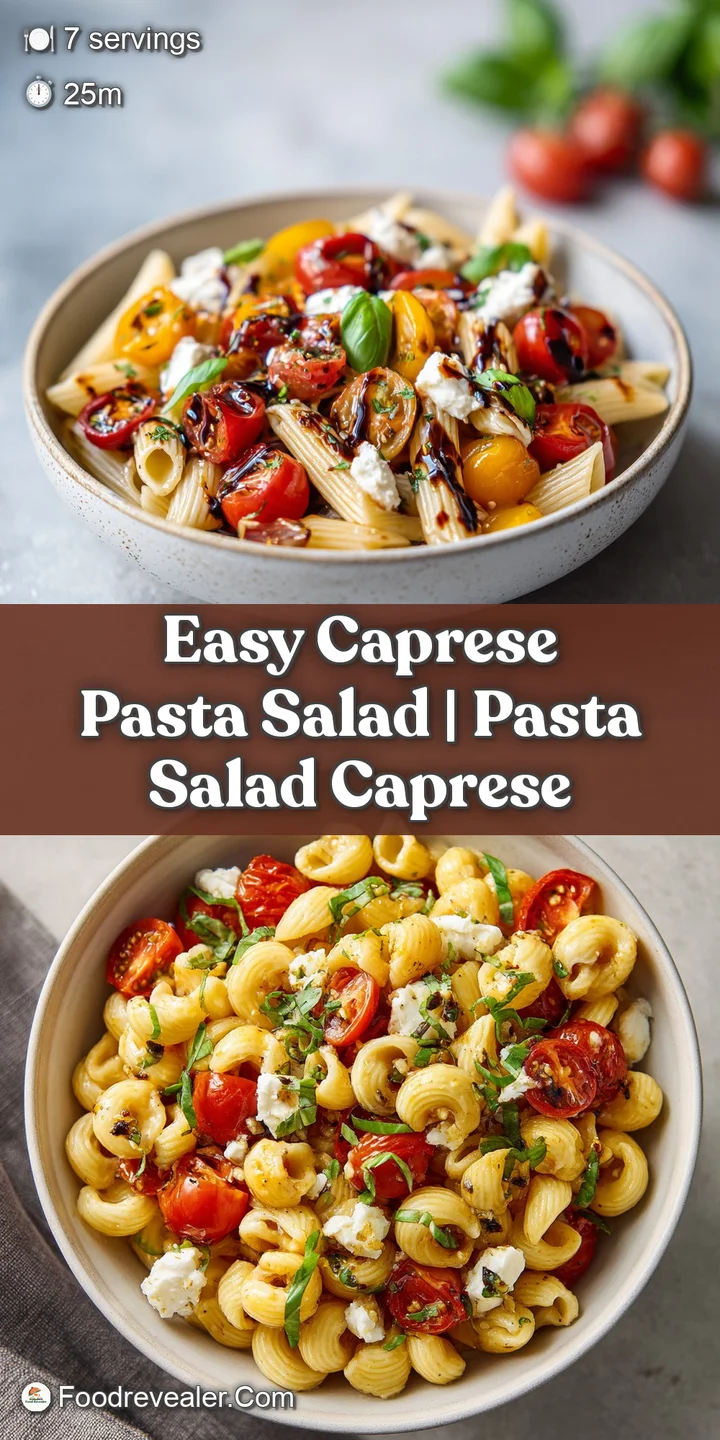
- The Vessel: Use a wide, shallow bowl rather than a deep one. This allows the tomatoes and mozzarella to stay on top instead of burying them under a mountain of pasta.
- The Garnish: Save a few whole basil leaves to tuck into the top. It signals "freshness" immediately.
- The Glaze Pattern: Don't just pour the balsamic glaze on. Use a zig zag motion or a spiral to create a deliberate, artistic look.
- Color Balance: Try to find a mix of red and yellow cherry tomatoes if you can. The contrast against the white cheese and green basil is stunning.
The Ultimate Pairing
This salad is a superstar on its own, but it plays very well with others. If you're doing a full Italian spread, it goes perfectly alongside a Spinach Tomato Pasta recipe or even just some simple grilled balsamic chicken. It’s light enough to be a side but satisfying enough to be the main event on a hot day.
Searing meat does not "seal in juices." Moisture loss occurs regardless. The crust adds flavor through the Maillard reaction, but the resting period is what actually keeps the meat juicy. In the world of pasta, "rinsing removes nutrients" is a common myth.
While true for hot dishes, for cold salads, the structural integrity and texture gained by removing excess starch are far more important for a quality result.
Now, grab your biggest bowl and get to work your future self will thank you for having this in the fridge!
Recipe FAQs
What kind of dressing goes on Caprese salad?
A classic vinaigrette based on olive oil and red wine vinegar. You should whisk the oil and vinegar with fresh garlic, oregano, salt, and pepper until it emulsifies. If you nailed the stable emulsion in this dressing, use the same whisking method in our Best Pesto Grilled Cheese recipe for a quick topping.
What is the best cheese for Caprese pasta?
Fresh mozzarella pearls (ciliegine) are the best option for pasta salad. They offer the perfect bite sized pop of creaminess that doesn't require any extra chopping. Ensure you drain them well so the excess water doesn't dilute your vinaigrette.
What are some common mistakes to avoid when making Caprese salad?
The biggest mistakes are overcooking the pasta and adding basil too early. Overcooking leads to mushy, sticky noodles, and hot pasta wilts and browns the fresh basil instantly. Always rinse your pasta well with cold water immediately after draining.
What are the five mistakes to avoid pasta salad?
Avoid these five pitfalls: 1) Not salting the pasta water heavily. 2) Skipping the cold water rinse. 3) Using low-quality olive oil. 4) Adding basil before cooling. 5) Skipping the 15-minute rest period. Skipping the cold rinse removes surface starch, which is crucial for texture, similar to how we manage hydration in our Cucumber Tomato Onion recipe for a better final bite.
How do I keep the basil vibrant green in the pasta salad?
Wait until the very last step to gently fold in the chiffonaded basil. The pasta and dressing must be completely cooled before you introduce the fresh herb. Adding it while warm will cause oxidation, turning the basil dark brown almost immediately.
Should I use balsamic vinegar or balsamic glaze?
Use both: vinegar for the base dressing and glaze for the finish. The red wine vinegar provides necessary acidity in the oil emulsion, whereas the thick balsamic glaze is used as a final drizzle for sweetness and visual appeal.
Is it true that rinsing pasta for cold salad removes too many nutrients?
No, this is a common misconception when applied to cold salads. While rinsing pasta for hot dishes is discouraged, for a cold salad, the rinse is vital because it washes away surface starch. Removing that starch prevents the noodles from becoming a gummy, sticky mass in the refrigerator.
Easy Caprese Pasta Salad
Ingredients:
Instructions:
Nutrition Facts:
| Calories | 490 calories |
|---|---|
| Protein | 15.7g |
| Fat | 23.3g |
| Carbs | 56.0g |
| Fiber | 2.3g |
| Sugar | 7.8g |
| Sodium | 428mg |
