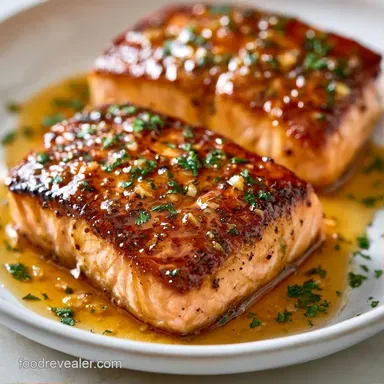
Pan-Seared Honey Garlic Butter Salmon
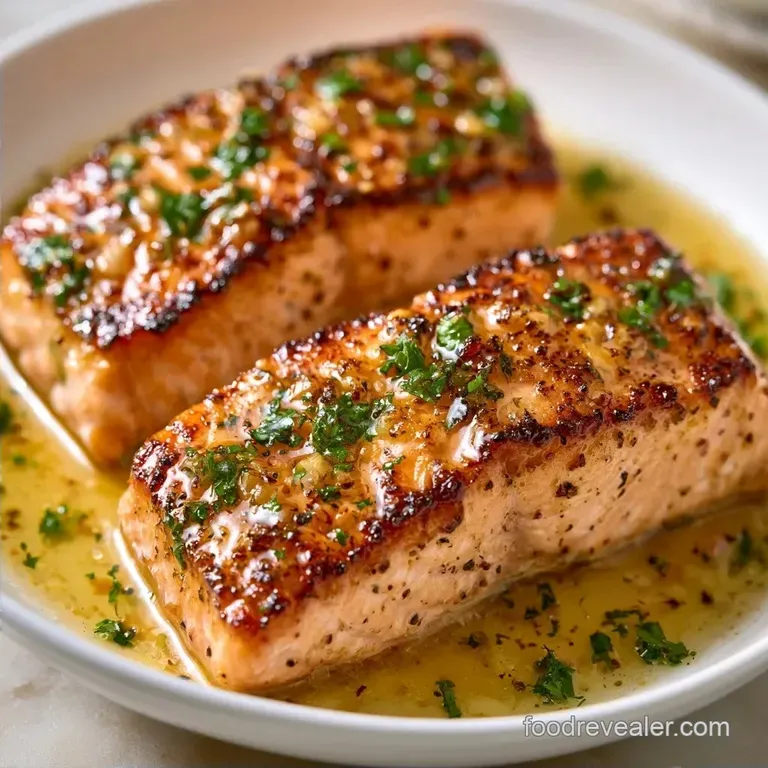
- Time: 10 min active + 15 min cook
- Flavor/Texture Hook: Crispy skin with a sticky, glossy glaze
- Perfect for: Fast weeknight dinners or an impressive date night meal
Honey Garlic Butter Salmon
Imagine the sound of a salmon fillet hitting a hot pan - that immediate, aggressive sizzle that tells you the skin is about to get perfectly crisp. The smell of garlic hitting foaming butter is honestly one of the best things you can experience in a kitchen.
It’s a scent that makes everyone in the house walk toward the stove.
This flavor profile has roots in the Pacific Rim, where the fatty, cold water fish of the North meets the honey and soy staples of East Asian cooking. It’s more than just a meal; it's a study in contrast. You get the salt from the soy, the sweetness from the honey, and the bright punch of lemon.
You can expect a dish that feels fancy but takes less than 30 minutes. I've spent a lot of time playing with the ratios here to make sure the sauce doesn't just slide off the fish. We want a glaze that actually clings to the protein, creating a rich, savory coating.
Why the Glaze Works
- Honey and Soy: These two create a thick syrup when heated, which helps the sauce stick to the salmon instead of pooling in the pan.
- Butter Base: The fat in the butter carries the garlic flavor and keeps the fish moist during the final baste.
- Lemon Acidity: A splash of citrus cuts through the heavy fats of the salmon and butter, keeping the flavor balanced.
| Ingredient Type | Fresh | Shortcut | Texture Impact | Cost |
|---|---|---|---|---|
| Salmon | Fresh Fillets | Frozen/Thawed | Fresh is firmer; frozen can be softer | Fresh is pricier |
| Garlic | Fresh Cloves | Garlic Powder | Fresh is pungent; powder is mellow | Powder is cheaper |
| Lemon | Fresh Squeezed | Bottled Juice | Fresh is bright; bottled is sharper | Fresh is slightly more |
What Each Ingredient Does
| Ingredient | What It Does | Best Swap |
|---|---|---|
| Honey | Thickens glaze and adds sweetness | Maple syrup |
| Soy Sauce | Adds salt and savory depth (umami) | Tamari or Coconut Aminos |
| Unsalted Butter | Creates a rich, creamy emulsion | Ghee |
| Paprika | Adds a mild earthiness and color | Smoked paprika for a woodsy hit |
Your Shopping List
- 4 (6 oz / 170g) salmon fillets, skin on Why this? Skin on prevents the fish from drying out.
- 1 tbsp (15ml) olive oil
- ½ tsp (3g) salt
- ¼ tsp (1g) black pepper
- 2 tbsp (28g) unsalted butter Why this? Adds richness to the pan sauce.
- 3 cloves (9g) garlic, minced
- 2 tbsp (42g) honey Why this? Natural thickener and sweetener.
- 1 tbsp (15ml) fresh lemon juice
- 1 tbsp (15ml) low sodium soy sauce
- 1 tsp (2g) paprika
Necessary Kitchen Gear
You'll need a large, oven safe skillet. I prefer stainless steel or cast iron because they hold heat better than non stick, which is how you get that golden crust. A fish spatula is also a lifesaver here - it's thin and flexible, so you won't break the fillets when you flip them. Finally, keep a meat thermometer handy.
Step by step Guide
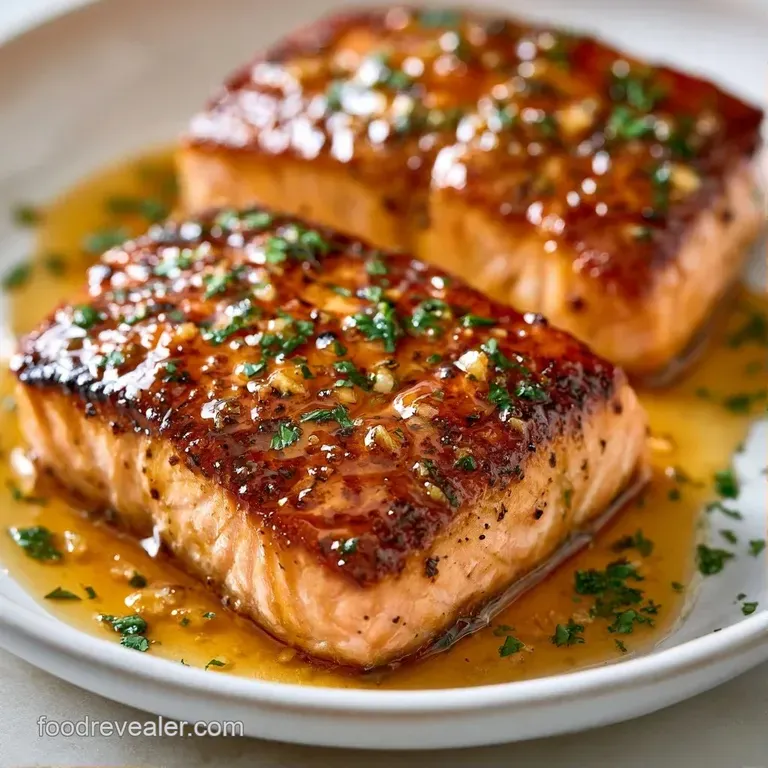
- Pat the salmon fillets completely dry using paper towels. Note: Moisture on the skin prevents it from crisping.
- Season both sides with salt, pepper, and paprika.
- Heat olive oil in a large oven safe skillet over medium high heat.
- Place salmon skin side down, pressing gently for 10 seconds. Sear for 4-5 minutes until the skin is crispy and golden, then flip the fillets.
- Reduce heat to medium.
- Move the salmon to the side of the pan and add the butter.
- Stir in the minced garlic for 30 seconds until it smells fragrant.
- Whisk in the honey, lemon juice, and soy sauce.
- Spoon the bubbling sauce over the fillets continuously for 2-3 minutes until the sauce reduces into a velvety glaze.
- Remove from heat once the salmon reaches an internal temperature of 135°F (57°C).
Troubleshooting Your Salmon
One common issue is the sauce burning. Because honey has a high sugar content, it can go from a sticky glaze to a burnt mess in seconds if the heat is too high. If you see the sauce turning a dark brown too quickly, pull the pan off the heat immediately.
Another frustration is the fish sticking to the pan. This usually happens if you put the salmon in before the oil is shimmering. Patience is the trick here; let the pan get hot.
Finally, overcooking is the biggest enemy. Salmon continues to cook after you take it off the pan, which is why pulling it at 135°F is a non negotiable.
| Problem | Root Cause | Solution |
|---|---|---|
| Sauce is too thin | Not enough reduction time | Spoon sauce over fish for 1 more minute |
| Salmon is dry | Cooked past 140°F | Use a thermometer; pull at 135°F |
| Garlic tastes bitter | Garlic burned in the butter | Add butter first, then garlic at lower heat |
Adjusting the Portion
When cooking for just one or two, use a smaller skillet. If you use a huge pan for two fillets, the butter and honey will spread too thin and evaporate before they can glaze the fish. Reduce your cook time by about 20% for smaller cuts.
If you're feeding a crowd and doubling the recipe, don't crowd the pan. If the fillets are touching, they'll steam instead of sear. Work in batches. For the sauce, you can increase the honey and soy to 1.5x, but don't double the garlic or it might overpower the fish.
Salmon Cooking Myths
You've probably heard that searing "seals in the juices." This isn't actually true. Searing creates a crust for flavor and texture, but moisture loss happens throughout the entire cooking process regardless of how you start.
Another myth is that salmon must be cooked until it's opaque all the way through. In reality, leaving the center slightly translucent (medium rare) preserves the omega-3 fats and keeps the texture tender.
Storage and Scraps
Store leftovers in an airtight container in the fridge for up to 3 days. To reheat, I recommend a low temp oven (275°F) for 10 minutes. Avoid the microwave if you can, as it often makes the fish rubbery and destroys the glaze.
Don't toss the lemon rinds or the garlic skins. You can toss the rinds into a freezer bag for future homemade citrus infusions, and the garlic skins can be added to a veggie stock for a bit of extra depth.
Twist the Flavor
If you want a different vibe, try Honey Garlic Butter Salmon Bites. Just cube the fish into 1 inch pieces and sear them for 2 minutes per side. This increases the surface area for the glaze, making it even stickier. For a healthier version, you can use a Honey Garlic Butter Salmon Air Fryer method by rubbing the fish with the marinade and air frying at 400°F for 8-10 minutes.
If you're looking for other fish recipes with rich sauces, my baked cod in coconut lemon sauce is a great alternative for those who prefer a white fish. You could also swap the honey for maple syrup for a more autumnal, woody flavor.
Best Pairing Options
This dish is rich, so you need something to cut through that weight. A simple bed of steamed bok choy or garlicky sautéed spinach works wonders. For a carb, jasmine rice or quinoa absorbs the extra glaze from the pan beautifully.
If you're serving this as part of a larger spread, I'd pair it with some garlic knots to soak up any remaining butter sauce. A crisp cucumber salad with rice vinegar and sesame oil also provides a refreshing contrast to the sweetness of the Honey Garlic Butter Salmon.
Recipe FAQs
How do you make honey garlic butter salmon?
Sear salmon skin side down in olive oil for 4-5 minutes, then flip. Add butter, garlic, honey, lemon juice, and soy sauce to the pan, spooning the glaze over the fish for 2-3 minutes until it reaches 135°F.
Do you put honey on salmon before or after cooking?
Add it toward the end of the process. Whisking honey into the butter and garlic sauce during the final few minutes prevents the sugars from burning while creating a velvety glaze.
How to cook salmon so it stays moist?
Pull the fillets off the heat at 135°F (57°C). Salmon continues to cook after removal, and hitting this specific temperature prevents the fish from becoming dry or rubbery.
Is it true that you must cook salmon to 145°F for safety?
No, this is a common misconception. Cooking to 135°F maintains a moist, tender texture while remaining safe for most home cooks.
How do you cook salmon for diabetics?
Reduce or omit the honey from the glaze. Stick to the garlic, lemon juice, and soy sauce to maintain flavor while lowering the sugar content.
What are some other ways to cook salmon besides baking it?
Sear it in an oven safe skillet to get a crispy golden skin. This method is superior for texture and pairs perfectly with crusty bread for dipping in the glaze.
How long does it take to cook salmon fillets?
Allow about 8-10 minutes of total cooking time. Sear the skin side for 4-5 minutes and glaze the flipped side for another 2-3 minutes.
Honey Garlic Butter Salmon