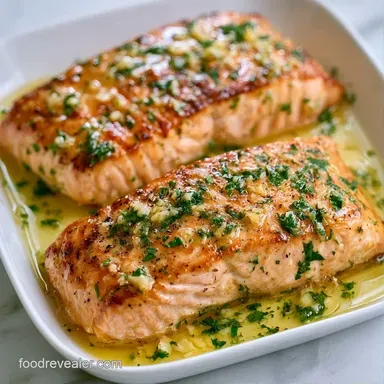
Easy Garlic Roasted Salmon with Melted Butter
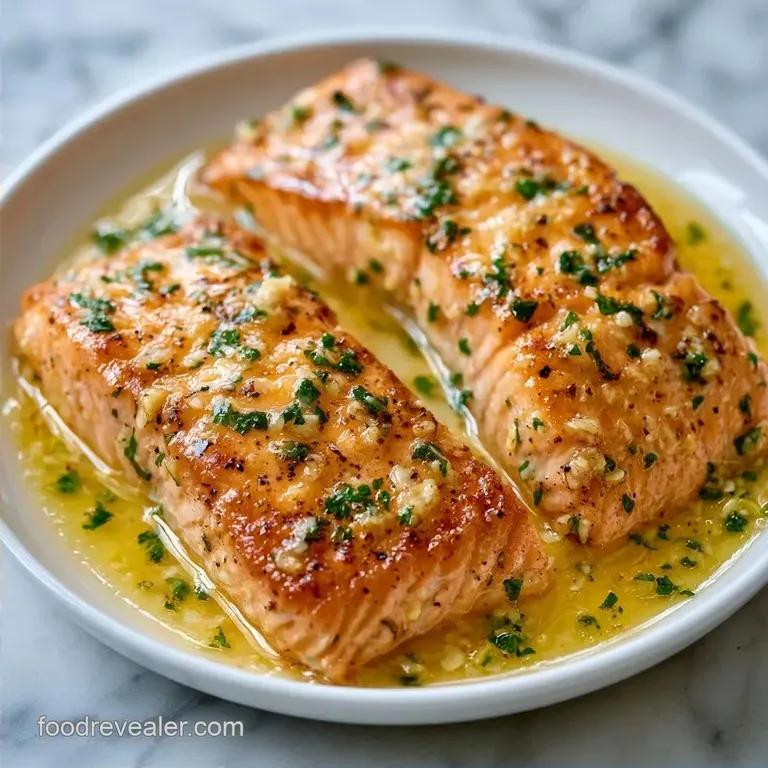
- Time: 5 min active + 15 min cooking
- Flavor/Texture Hook: Buttery, garlic rich crust with flaky, tender centers
- Perfect for: A fast weeknight dinner that feels fancy
Easy Garlic Roasted Salmon
That smell of garlic hitting hot butter is enough to make anyone hungry. I remember the first few times I tried roasting fish, I always ended up with something that felt like a pencil eraser. It was either dry as a bone or weirdly rubbery because I was terrified of undercooking it.
The trick is stopping the heat before the fish is actually "done." I learned that salmon keeps cooking after you pull it out of the oven. If you wait until it looks done in the pan, you've already overshot the mark.
This Easy Garlic Roasted Salmon fixes that. By using a specific internal temperature and a five minute rest, you get that tender, flaky texture every single time. It's simple, fast, and doesn't require a lot of cleanup.
Prep and Timing Details
The flow of this meal is built for speed. You spend five minutes prepping the glaze and seasoning the fish, then fifteen minutes in the oven. The total time is 25 minutes, which is faster than ordering takeout.
I usually start by prepping the garlic and lemon first. Having those ready means you can slide the fillets into the oven the second they're seasoned. This keeps the fish from sitting out too long, which helps with the final texture.
Trust me on the resting period. Those five minutes on the counter allow the juices to redistribute. If you cut into it immediately, the moisture leaks out, and you lose that richness.
The Pantry List
For this Easy Garlic Roasted Salmon, you want fillets that are roughly the same thickness. This ensures they all finish at the same time. I prefer skin on fillets because the skin acts as a shield, preventing the bottom from overcooking.
For the Salmon
- 2 (170g) salmon fillets, skin on Why this? Skin prevents sticking and overcooking.
- 1/2 tsp (3g) sea salt Why this? Draws out moisture for better searing.
- 1/4 tsp (1g) cracked black pepper Why this? Adds a subtle, sharp bite.
For the Butter Glaze
- 2 tbsp (28g) unsalted butter, melted Why this? Carries the garlic flavor deep into the meat.
- 3 cloves (9g) garlic, minced Why this? Fresh is non negotiable for a pungent kick.
- 1 tbsp (15ml) fresh lemon juice Why this? Cuts through the richness of the fat.
- 1 tsp (2g) lemon zest Why this? Adds a bright, citrusy aroma.
- 1 tbsp (3g) fresh parsley, finely chopped Why this? Freshness to balance the butter.
- 1/4 tsp (1g) paprika Why this? Gives the fillets a golden hue.
| Original Ingredient | Substitute | Why It Works |
|---|---|---|
| Unsalted Butter | Olive Oil | Similar fat content. Note: Lacks the creamy richness of butter |
| Fresh Parsley | Dried Dill | Earthy flavor. Note: Use 1/3 the amount of dried herbs |
| Lemon Juice | Lime Juice | Similar acidity. Note: Changes the profile to something more zesty |
Essential Kitchen Tools
You don't need a fancy setup for this. A standard baking sheet and some parchment paper do the trick. I always use parchment because scrubbing baked on butter and garlic off a pan is the worst part of the process.
If you have a digital meat thermometer, use it. It's the only way to be 100% sure you aren't overcooking the fish. I use a basic instant read probe to check the thickest part of the fillet.
A small whisk or fork is all you need for the glaze. Mixing it in a small bowl keeps the process tidy. Right then, you're ready to hit the oven.
Step-by-step Cooking Flow
The goal here is precision. We want a high heat to brown the garlic without drying out the center of the salmon.
- Preheat your oven to 400°F (200°C) and line a baking sheet with parchment paper.
- Pat the salmon fillets bone dry with a paper towel and season both sides with salt and black pepper. Note: Dry skin equals a better roast.
- In a small bowl, whisk together melted butter, minced garlic, lemon juice, lemon zest, chopped parsley, and paprika.
- Coat the top and sides of each fillet generously with the garlic butter mixture.
- Roast in the oven for 12–15 minutes, until the thickest part reaches 135°F (57°C).
- Remove from the oven and let the fish rest for 5 minutes before serving. Note: The temp will rise to 145°F (63°C) while resting.
Chef's Tip: If your garlic is minced too finely, it can burn in the oven. I prefer a rough mince to keep the pieces intact, which protects the flavor.
Fixing Salmon Texture Issues
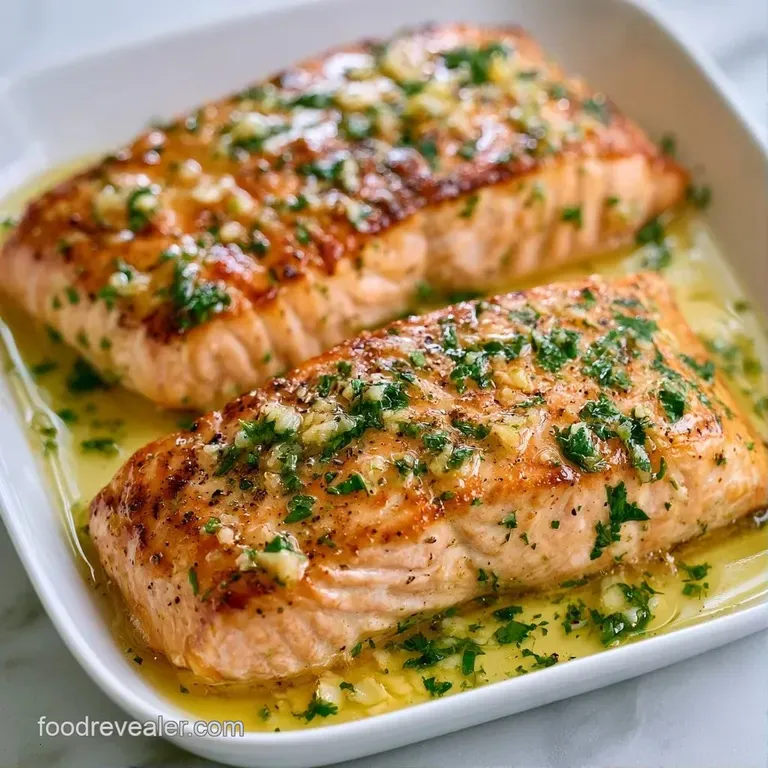
The most common problem is the "white stuff" (albumin) that leaks out of the salmon. This happens when the proteins contract too quickly from high heat. While it's safe to eat, it doesn't look great.
Troubleshooting Common Issues
| Issue | Solution |
|---|---|
| Why Your Salmon is Rubbery | This usually happens because the fish stayed in the oven too long. Even an extra two minutes can move the texture from flaky to chewy. Use a thermometer to avoid the guesswork. |
| Why Your Garlic Burnt | Garlic has a low burn point. If your oven runs hot, the minced bits can turn bitter and black. To stop this, ensure the butter fully coats the garlic before it hits the heat. |
| Why the Salmon is Soggy | If you don't pat the fish dry, the moisture creates steam. Steam prevents the butter from sticking and stops the fillets from browning. |
Flavor Variations to Try
Once you have the base for this Easy Garlic Roasted Salmon down, you can change the vibe by swapping a few ingredients. I often experiment with different acids or sweeteners depending on what's in the fridge.
For a Sweet Twist
Try a Honey Garlic Baked Salmon. Just add one tablespoon of honey to the butter mixture. The sugars caramelize in the oven, giving you a sticky, sweet crust that kids usually love.
For a Mediterranean Profile
For Easy Mediterranean Salmon Recipes, swap the parsley for fresh oregano and add a few halved kalamata olives on top of the fillets. This goes great with a side of roasted zucchini.
For a Lower Calorie Option
Replace the butter with a high-quality extra virgin olive oil. You lose some of the creaminess, but you still get the punchy garlic and lemon flavors. If you're looking for other light seafood, my Baked Cod recipe is another great option.
For an Herb Forward Punch
Make a Garlic Herb Baked Salmon by adding fresh dill and chives to the mix. These herbs pair naturally with the oils in the fish and add a bright, grassy note.
Storage and Leftover Ideas
If you happen to have leftovers, store them in an airtight container in the fridge for up to 2 days. I don't recommend freezing cooked salmon, as the texture becomes grainy when thawed.
To reheat, avoid the microwave. It will turn the fish into rubber in seconds. Instead, put the fillet in a 275°F (135°C) oven for about 10 minutes or until just warmed through.
For a zero waste approach, use the leftover garlic butter from the pan to sauté some spinach or kale. The browned butter bits are packed with flavor and make a simple side dish taste much better.
What to Serve Beside It
Since this dish is rich and buttery, you need sides that provide contrast. Something acidic or fresh works best to balance the fats.
The Low Carb Pairing
I love serving this with roasted asparagus or a simple arugula salad with a lemon vinaigrette. The bitterness of the greens cuts right through the butter.
The Hearty Pairing
For something more filling, try fluffy quinoa or wild rice. The grains soak up the extra garlic butter from the pan, so none of that flavor goes to waste.
The Fresh Pairing
A dollop of Tzatziki Sauce on the side adds a cool, creamy contrast to the warm, roasted fish. It's a combination that works every time.
The Temperature Trick
The most important part of this recipe is how we handle the heat. Many people think the oven does all the work, but the resting phase is where the magic happens.
Fat as a Thermal Barrier: The butter glaze doesn't just add flavor. It creates a thin layer of fat that protects the delicate proteins from the direct heat of the oven. This prevents the surface from drying out while the center reaches the safe temperature.
Precision Temperature Control: The FDA recommends an internal temperature of 145°F, but pulling the fish at 135°F is the only way to hit that target without overshooting. Because the fillets are dense, the heat continues to move toward the center after you remove them from the oven.
This "carryover cooking" is what brings the fish up to the safe 145°F mark while keeping the center moist.
| Method | Time | Texture | Best For |
|---|---|---|---|
| Oven Roast | 15 min | Flaky & Even | Beginners / Meal Prep |
| Stovetop | 8-10 min | Crispy Skin | Single Fillets |
By sticking to these numbers, you take the gamble out of cooking fish. You'll stop worrying about whether it's raw or overdone and just enjoy the meal.
Recipe FAQs
How long does it take to bake salmon fillets in an oven?
12 to 15 minutes. Roast at 400°F until the thickest part of the fillet reaches an internal temperature of 135°F.
How to bake salmon so it's moist?
Pull the fish from the oven at 135°F. Let it rest for 5 minutes to reach 145°F, which prevents the texture from becoming rubbery.
How do you cook king salmon in the oven?
Follow the same roasting steps. Bake at 400°F for 12-15 minutes, though you may need a few extra minutes if the cuts are significantly thicker.
How to bake salmon steaks in an oven?
Coat the steaks in the garlic butter mixture. Roast at 400°F until the internal temperature hits 135°F.
What are some other ways to cook salmon besides baking it?
Searing or poaching are excellent alternatives. If you enjoy this style of quick preparation, you might also like our pot pie pasta.
What are some good salmon recipes without lemon?
Omit the lemon juice and zest. The combination of butter, garlic, paprika, and parsley still creates a rich, savory flavor profile.
Is it true that salmon must be cooked to 145°F inside the oven to be safe?
No, this is a common misconception. Removing the fish at 135°F and allowing it to carry over cook while resting ensures it reaches 145°F without drying out.
Easy Garlic Roasted Salmon