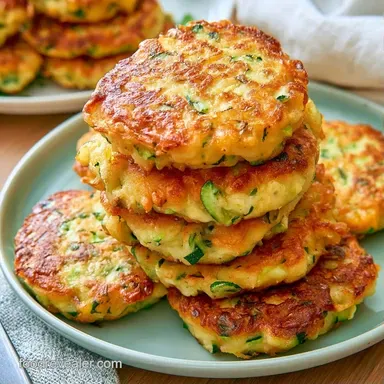
Crispy Korean Zucchini Pancakes
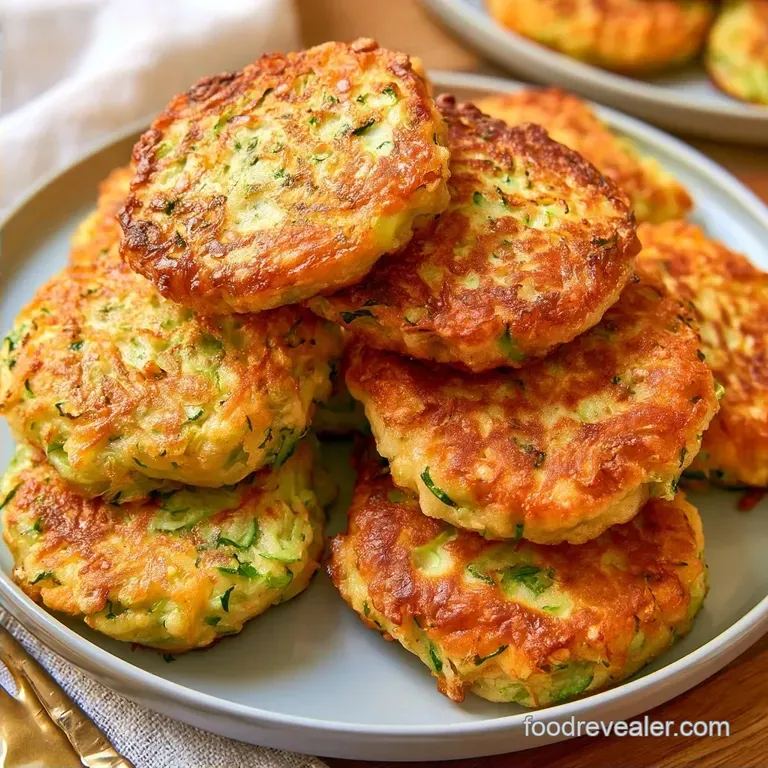
- Time: 10 min active + 10 min resting + 10 min cook
- Flavor/Texture Hook: Mahogany colored crispness with a tangy, spicy dip
- Perfect for: Quick weeknight banchan or a savory snack
The experience starts with the nutty scent of toasted sesame oil heating in the pan, permeating the room. Then comes that intense, loud hiss the moment the batter hits the hot grease. I once served these to a friend who insisted she loathed zucchini.
I kept the main ingredient a secret, calling them "savory crisps" instead; she had eaten four of them before the table was even set.
The beauty of Korean Zucchini Pancakes is that they avoid that typical steamed-vegetable taste, opting instead for the profile of a fried indulgence. The zucchini develops a hint of sweetness while the edges turn brown and lacy, all balanced by a sharp, vinegary dip. It demonstrates exactly how much a little salt and ice-cold water can transform a simple vegetable.
Expect a result that is light yet fulfilling. We're avoiding any thick or cakey consistency. Instead, we're aiming for a texture that mimics a cracker on the exterior while remaining tender within. For anyone who has suffered through a soggy vegetable pancake, this recipe is the perfect solution.
Why These Pancakes Work
- The Salt Squeeze: Salt draws water out of the zucchini through osmosis, which stops the pancake from steaming. This is the only way to get a crisp exterior.
- The Ice Cold Water: Using freezing water keeps the starch from hydrating too quickly, which results in a lighter, crispier fry.
- Starch Balance: Mixing flour with potato starch creates a structural snap that flour alone can't manage.
Gathering Your Essentials
The zucchini is the star, but the dipping sauce is where the flavor pairings really come together. I love using a bit of gochugaru to add a smokiness that balances the sweetness of the onion.
| Ingredient | What It Does | Best Swap |
|---|---|---|
| Korean Zucchini | Provides mild sweetness | Regular zucchini (squeeze more water) |
| Potato Starch | Creates the shattering crust | Cornstarch (slightly less crisp) |
| Ice cold water | Keeps batter light | Sparkling water (adds tiny bubbles) |
| Gochugaru | Adds smoky heat | Red chili flakes (more pungent) |
For the Zucchini Base
- 1 lb (450g) Korean zucchini (aehobak) or regular zucchini Why this? Less seeds and firmer than standard zucchini
- 1 tsp (6g) kosher salt
- 1 small (50g) yellow onion, thinly sliced
For the Batter
- 1/3 cup (40g) all purpose flour
- 2 tbsp (16g) potato starch or cornstarch Why this? Essential for the crunch
- 1/4 cup (60ml) ice cold water
- 1/2 tsp (3g) garlic powder
- 1/4 tsp (1.5g) black pepper
- 2 tbsp (30ml) neutral oil
For the Dipping Sauce
- 2 tbsp (30ml) soy sauce
- 1 tbsp (15ml) rice vinegar
- 1 tsp (5ml) toasted sesame oil
- 1 tsp (5g) sugar
- 1 tsp (2g) toasted sesame seeds
- 1/2 tsp (2g) gochugaru (Korean red chili flakes)
Recipe Specs
If you're planning your meal, this Zucchini Pancake Korean is fast. It's a great side dish that doesn't take over the kitchen.
- Prep time: 10 minutes
- Cook time: 10 minutes
- Total time: 31 minutes
- Yield: 2 servings
- Calories: 263 kcal per serving
Equipment Needed
You don't need much, but a wire rack is a huge help. If you put a hot pancake directly on a plate, the bottom steams and goes soft in seconds.
- Large mixing bowl
- Non stick or cast iron skillet
- Paper towels (for squeezing zucchini)
- Wire cooling rack
- Small whisk or fork
Key Steps
Before you start, make sure your oil is the right kind. Use something with a high smoke point, like canola or grapeseed.
- Julienne the zucchini into matchsticks. Toss the zucchini with salt in a bowl and let it sit for 10 minutes. Note: You'll see water pool at the bottom; that's exactly what we want.
- Use paper towels to firmly squeeze out the excess water from the zucchini. Squeeze until the zucchini feels tacky, not wet.
- In a large bowl, whisk together the flour, potato starch, garlic powder, and black pepper.
- Gradually stir in the ice cold water until a smooth, thick paste forms. Note: Avoid overmixing, or the pancake will be tough.
- Fold in the salted zucchini and sliced onions until lightly coated.
- Heat 2 tbsp of neutral oil over medium high heat. Wait until the oil shimmers but isn't smoking.
- Spread the mixture into the pan to form one large circle. Sear undisturbed for 3-4 minutes until mahogany colored and the edges look lacy.
- Flip the Zucchini Pancake Korean carefully and cook for another 3 minutes.
- Remove and set on a wire rack for 60 seconds before slicing into wedges. Note: This short rest lets the steam escape.
- Mix soy sauce, rice vinegar, toasted sesame oil, sugar, toasted sesame seeds, and gochugaru in a small bowl for the dip.
Common Mistakes & Troubleshooting
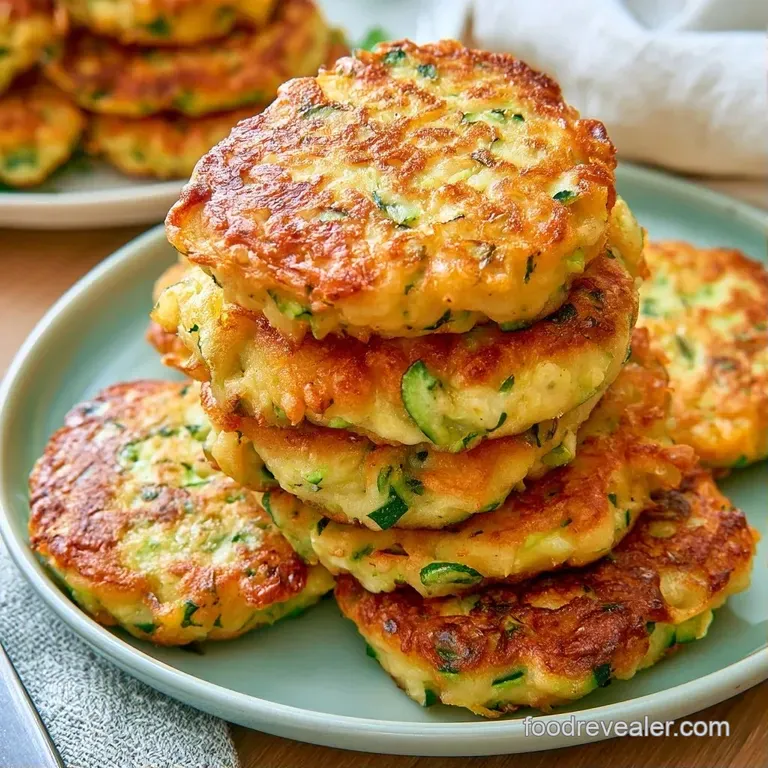
Making Korean zucchini pancakes is straightforward, but mistakes can still happen, often due to excess moisture.
Soggy Pancake Centers
This occurs if the zucchini wasn't squeezed dry enough. If the batter resembles soup before hitting the pan, stir in one more tablespoon of potato starch. For another way to prepare this vegetable, you might enjoy this Asian zucchini recipe, which takes a different approach to texture.
Breaking on the Flip
If the pancake splits when flipped, you likely moved it too early. Wait until those mahogany edges start pulling away from the center. If you're still having trouble, try frying smaller, individual cakes instead of one large one.
Batter Too Thin
The batter can thin out if the zucchini releases more water while mixing. Simply whisk in a pinch more flour. Aim for a thick paste that barely coats the vegetables, rather than a liquid consistency.
Burnt Exterior Raw Inside
This means your heat is too high. Medium high is the ideal setting. If the oil starts smoking, remove the pan from the heat for a minute before adding the batter.
How to Store and Keep Fresh
These are most delicious when served immediately. If you have leftovers, keep them in a sealed container in the fridge for approximately 72 hours.
To reheat, avoid using a microwave, which can make the texture rubbery. Instead, air fry them at 200°C for 3-4 minutes or warm them in a dry pan over medium heat to restore that exterior crunch.
To make the most of your ingredients, save the zucchini peels and ends. I keep mine in a freezer bag to create a homemade vegetable broth, adding onion skins to the mix as well.
Serving Suggestions
A Zucchini Pancake Korean is a traditional banchan, but it works in a lot of modern settings.
The Classic Banchan Spread Serve this alongside steamed rice and a bowl of spicy kimchi. The acidity of the kimchi pairs perfectly with the fried nature of the pancake.
The Light Brunch Option Try serving these with a poached egg on top and a drizzle of sriracha mayo. It turns a side dish into a full meal.
Modern Asian Fusion I've found that these pair well with a side of smashed cucumber salad. If you want something even lighter, you can try a Korean zucchini side dish instead of the fried version.
Dietary Adaptations
You can tweak this Zucchini Pancake Korean to fit different diets without losing the crunch.
Vegan Version This recipe is already naturally vegan, as it uses no eggs. To keep it that way, just ensure your sugar is vegan certified.
Gluten-free Option Replace the all purpose flour with a 1:1 gluten-free flour blend. Since we already use potato starch, the texture remains very similar. You might find the gluten-free version is slightly more fragile, so make smaller pancakes.
More Flavor Depth Fold in some finely chopped scallions or a pinch of smoked paprika. If you want a punchier dip, add a teaspoon of grated fresh ginger to the soy sauce mixture.
Comparison: Stovetop vs Oven
| Method | Texture | Time | Oil Use |
|---|---|---|---|
| Stovetop | Shattering crisp | 10 mins | Higher |
| Oven | Uniformly golden | 20 mins | Lower |
Quick Decision Shortcut
- Extra heat? → double the gochugaru.
- More crunch? → use 1 extra tbsp potato starch.
- Thinner pancake? → add 1 tbsp cold water.
Common Misconceptions
You might be tempted to swap the starch for more flour, but I wouldn't recommend it. Using only flour leads to a soft, bready consistency, whereas potato starch is the secret to that signature brittle crispness found in these Korean Zucchini Pancakes.
Another common misconception is that high heat "seals" the vegetables. In reality, searing only browns the surface; it doesn't lock in moisture. If the pan is too hot, you'll end up with a burnt exterior and a raw, watery center. Medium-high heat is the ideal setting.
Now you're ready to start. Just be sure to squeeze the zucchini thoroughly to remove every bit of excess water. As soon as you hear the sizzle and catch the scent of sesame oil, you'll know it's working. Dig into your Korean Zucchini Pancakes!
Very High in Sodium
2550 mg 2,550 mg of sodium per serving (111% 111% of daily value)
The American Heart Association recommends a daily sodium limit of 2,300 mg, with an ideal limit of 1,500 mg for most adults to reduce the risk of cardiovascular disease.
Tips to Reduce Sodium
-
Reduce Added Salt-25%
Cut the 1 tsp of kosher salt in half or omit it entirely, as the soy sauce already provides a significant amount of saltiness.
-
Swap Soy Sauce-20%
Replace regular soy sauce with low-sodium soy sauce or coconut aminos to drastically lower the sodium content of the glaze.
-
Increase Acidity-10%
Add an extra teaspoon of rice vinegar or a squeeze of fresh lime juice to brighten the flavor, which reduces the need for salt.
-
Enhance Aromatics
Use fresh minced garlic and ginger instead of garlic powder to add depth and complexity without adding sodium.
Recipe FAQs
How to make Korean zucchini pancakes?
Julienne the zucchini and salt them for 10 minutes before squeezing out the water. Mix a batter of flour, potato starch, garlic powder, pepper, and ice water, then fry the mixture in neutral oil until mahogany-colored.
Why salt the zucchini before mixing?
Salting draws out excess moisture so the pancakes stay crispy instead of soggy. This ensures the batter adheres properly to the vegetable matchsticks.
Is it true I can skip the potato starch without losing crispiness?
Actually, no. Potato starch provides the signature crunch and prevents the pancake from becoming too doughy.
What should I do if the batter feels too wet?
Stir in a small amount of extra flour or potato starch until it reaches a thick paste consistency. If you enjoy working with crispy textures, you will recognize when the batter is thick enough to coat the zucchini lightly.
Korean Zucchini Pancakes in 30 Minutes