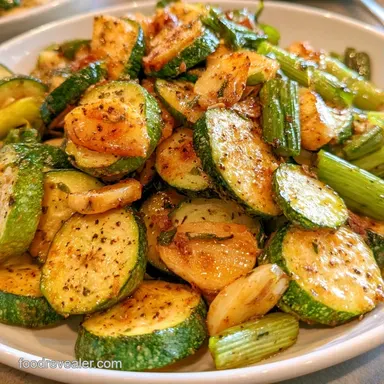
Korean Zucchini Banchan: Quick and Healthy
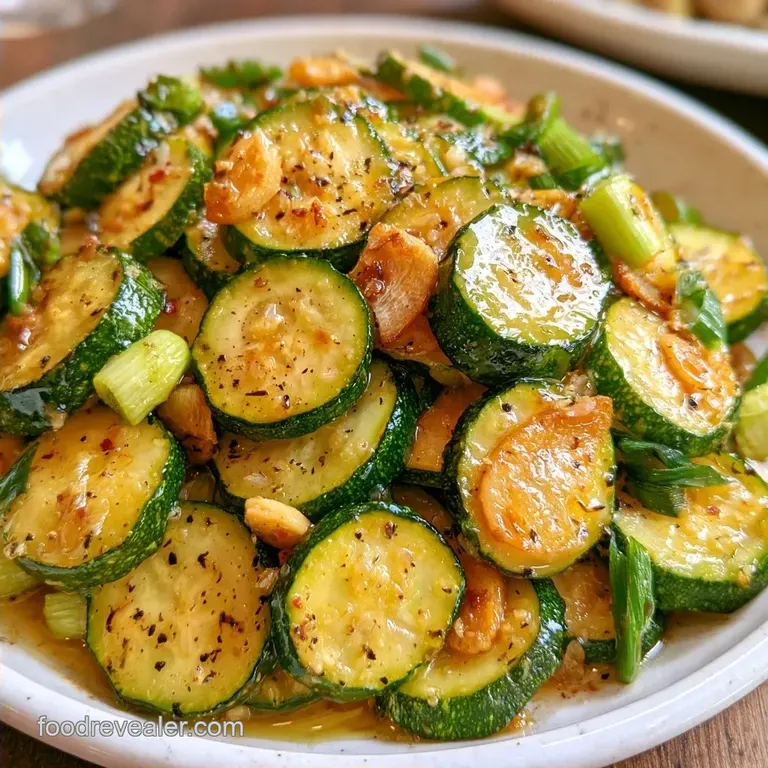
- Time: 5 min active + 5 min cooking
- Flavor/Texture Hook: Savory, crisp tender, and aromatic
- Perfect for: A fast weeknight banchan or healthy side
Korean Zucchini Recipe
That smell of garlic hitting hot avocado oil is where it all starts. It's a nutty, sharp aroma that fills the kitchen in seconds. I used to just throw any zucchini in a pan, but then I tried the actual Korean variety. It's thinner and more delicate, which changes everything about how it handles heat.
If you've ever had a side dish that turned into a soggy mess, this is the fix. We're going for a vibrant green color with just a hint of brown on the edges. This Korean Zucchini Recipe isn't about slow cooking; it's about speed and temperature.
You'll get a dish that's salty, slightly sweet from the zucchini itself, and deeply fragrant. It's the kind of side that makes a simple bowl of rice feel like a complete meal.
Why This Dish Works
- Pre salting: Salt draws out excess water from the cells, so the slices sear instead of steaming.
- High Heat: A hot pan evaporates surface moisture instantly, which locks in the bright green color.
| Method | Time | Texture | Best For |
|---|---|---|---|
| Stovetop | 10 mins | Crisp tender | Fast weeknights |
| oven roasted | 25 mins | Soft/Caramelized | Large batches |
| Air Fryer | 12 mins | Slightly charred | Small portions |
The Core Ingredients
| Ingredient | What It Does | Best Swap |
|---|---|---|
| Korean Zucchini | Provides a crisp, mild base | Japanese zucchini or baby zucchini |
| Sesame Oil | Adds a toasted, nutty finish | Perilla oil (for a deeper herbal note) |
| Soy Sauce | Delivers salt and umami | Tamari or coconut aminos |
| Garlic | Creates the aromatic base | Garlic powder (though less punchy) |
I really suggest sticking with the Korean variety here. It has a thinner skin and fewer seeds than the giant ones you find in most grocery stores. If you use the chunky Italian ones, they often release too much water, which can ruin the texture of this Korean Zucchini Recipe.
- 1 lb (450g) Korean zucchini, sliced into 1/4 inch half moons Why this? Thinner skin prevents sogginess
- 1 tsp (6g) sea salt Why this? Pulls out moisture for a better sear
- 2 tbsp (30ml) avocado oil Why this? High smoke point for high heat
- 3 cloves (9g) garlic, thinly sliced Why this? Slices brown more evenly than minced
- 2 stalks (10g) green onion, chopped into 1 inch pieces Why this? Adds a fresh, sharp bite
- 1 tbsp (15ml) soy sauce Why this? Essential savory depth
- 1 tsp (5ml) toasted sesame oil Why this? Classic nutty aroma
- 1 tsp (3g) toasted sesame seeds Why this? Adds a tiny bit of crunch
- 1/4 tsp (1g) cracked black pepper Why this? Subtle heat to balance the oil
Gear for the Kitchen
You don't need much, but a wide pan is non negotiable. If the pan is too small, the zucchini will crowd together. When that happens, they release steam, and you lose that charred edge we're looking for.
A non stick skillet or a carbon steel wok works best. I personally use a wide T fal skillet because it lets the zucchini spread out. A sharp chef's knife is also key to getting those consistent half moons so they all cook at the same rate.
Making the Stir Fry
Prepping the Zucchini
Cut the zucchini into uniform half moons. Combine them with sea salt in a bowl and let them rest for 5 minutes. After water droplets form on the surface, pat them completely dry using a paper towel.
Sautéing the Aromatics
Get the avocado oil hot in a pan over medium high heat. Once it shimmers, add the garlic slices and the white parts of the scallions. Cook for 30-60 seconds until the garlic smells nutty and turns a pale gold.
Completing the Stir Fry
Crank the heat to high. Add the dried zucchini slices. Stir fry rapidly for 2-3 minutes until the edges are slightly browned but the centers remain vibrant green.
Stir in the soy sauce, black pepper, and sesame oil. Quickly remove the pan from the heat to ensure the soy sauce doesn't burn. Mix in the sesame seeds and green onion tops for the final touch.
Fixing Common Issues
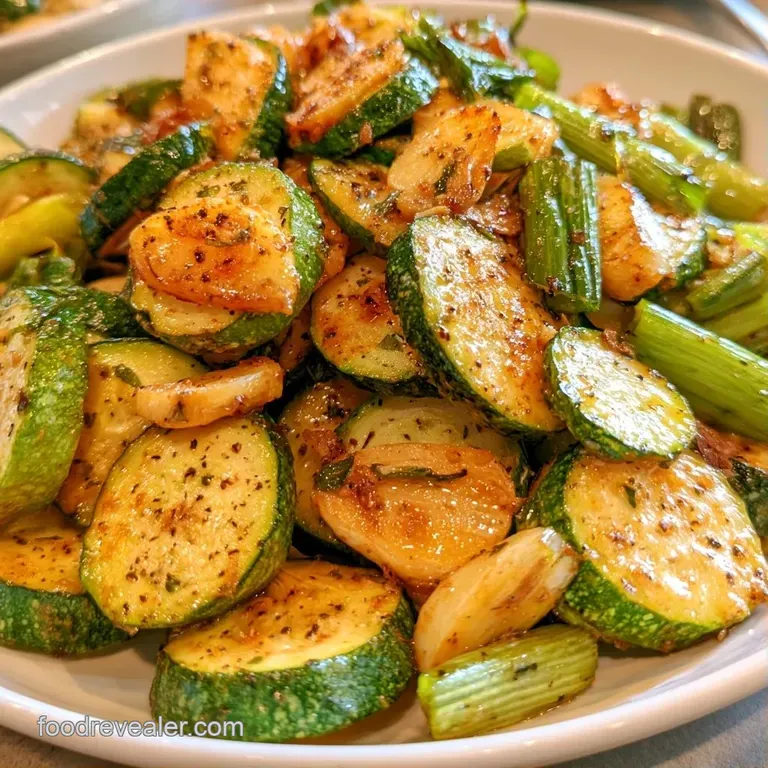
The most frequent complaint with this Korean Zucchini Recipe is the texture. If your zucchini comes out limp, it's usually a heat issue. Most home cooks are afraid to use "high" heat, but that's where the magic happens.
Another issue is the garlic. Garlic burns fast, and once it turns dark brown, it gets bitter. That's why we sauté it first and then add the vegetables to drop the temperature slightly before cranking it back up.
Fixing Soggy Slices
When the pan is too full, the zucchini steams. Use a wider pan or cook in two batches to keep the temperature high.
Avoiding Bitter Garlic
Don't let the garlic sit in the oil too long before adding the zucchini. 30 to 60 seconds is all you need for that golden color.
Managing Salt Levels
If the soy sauce makes it too salty, add a tiny pinch of sugar or a teaspoon of water to balance the brine.
| Problem | Root Cause | Solution |
|---|---|---|
| Watery Pan | Skipped salting or patting dry | Salt for 5 mins and pat with towels |
| Burnt Garlic | Heat too high during sauté | Add zucchini immediately after garlic goldens |
| Dull Color | Cooked too long | Remove from heat as soon as edges brown |
Make It Your Own
To customize the flavor, simply tweak the seasonings. For more heat, stir in a teaspoon of Gochugaru (Korean red pepper flakes) when adding the soy sauce; it provides a smoky, medium spice that complements the sesame.
If you're looking for extra protein, consider adding tofu cubes or thinly sliced pork belly. Sauté the protein first, set it aside, and then proceed with the zucchini instructions. Stir the protein back in just before serving.
This side also works well as a building block for a larger meal. It's a perfect addition to bibimbap. For a complete, nutritious dinner, try pairing it with oven baked salmon.
Quick adjustments: Extra tang? → add 1 tsp rice vinegar More depth? → add 1/2 tsp grated ginger Nuttier flavor? → double the sesame seeds
| Variation | Swap/Addition | Result |
|---|---|---|
| Spicy | 1 tsp Gochugaru | Smoky, red heat |
| Vegan | Coconut Aminos | Soy free, slightly sweeter |
| Umami Bomb | 1 tsp Oyster Sauce | Richer, saltier glaze |
Adjusting the Batch Size
For a single serving, you can easily cut the ingredients in half. Use half a pound of zucchini and 1.5 cloves of garlic. A smaller skillet is recommended to prevent the oil from spreading too thin, and you can shorten the cooking time by about 20%.
Increasing the portion for a party requires a different strategy. Do not simply triple the ingredients in one pan; putting 3 lbs of zucchini into a standard skillet will create a zucchini soup. It is better to work in batches.
Sauté the zucchini in 3 or 4 separate rounds, then mix them all in a large bowl with the seasonings. This ensures each slice achieves a high heat sear. When scaling up, only use 1.5x the original quantity of salt and spices to keep the flavor balanced.
Keeping it Fresh
Serve this dish immediately to enjoy the crisp zucchini. Leftovers can be refrigerated in a glass jar for 2 days, though the soy sauce will eventually soften the zucchini.
Avoid the microwave for reheating if you can. Simply toss the slices back into a hot pan for 60 seconds to restore the texture.
For a zero waste approach, save your zucchini stems and green onion ends. I keep my veggie scraps in a freezer bag and, once it's full, simmer them with water and a bay leaf to make a quick vegetable stock.
Ideas for Serving
This Korean Zucchini dish is a traditional "banchan," meaning it serves as one of several small sides accompanying a bowl of rice. Its salty flavor profile helps balance out the richness of grilled meats.
For another refreshing accompaniment, my creamy coleslaw offers a cool, creamy counterpoint to the savory heat of the zucchini.
If you prefer a low carb meal, try serving this over cauliflower rice or alongside a piece of seared tofu. The sesame oil adds plenty of depth, so a heavy sauce isn't necessary.
Common Beliefs
Some believe that zucchini needs to be peeled, but that isn't the case. The skin provides essential nutrients and vibrant color, while also helping the slices maintain their structure during a high heat sear.
Others assume that searing "locks in" nutrients. In reality, high temperatures can actually reduce certain vitamins, but the improvement in flavor and texture makes this a worthwhile trade off.
Final Tips
To check for doneness, taste a single slice. It should still have a slight "snap" in the center; if it has become completely soft, it is overcooked.
For the best results, ensure your avocado oil is shimmering. Adding garlic to cold oil causes it to absorb the fat rather than browning properly. Trust the heat and keep the zucchini moving in the pan.
High in Sodium
806 mg 806 mg of sodium per serving (35% 35% of daily value)
The American Heart Association recommends a daily limit of 2,300mg of sodium to help maintain healthy blood pressure and heart health.
Tips to Reduce Sodium
-
Reduce Sea Salt-25%
Cut the 1 tsp of sea salt in half or omit it entirely when prepping the zucchini to remove the largest source of sodium.
-
Swap Soy Sauce-20%
Replace the regular soy sauce with low-sodium soy sauce or coconut aminos for a similar savory flavor with less salt.
-
Add Citrus or Vinegar-10%
Use a squeeze of fresh lemon juice or a splash of rice vinegar to provide a tangy brightness that reduces the craving for salt.
-
Enhance Aromatics
Increase the amount of fresh garlic and cracked black pepper to build a bolder flavor profile without adding any sodium.
Recipe FAQs
How to cook zucchini Korean style?
Slice into half moons, toss with sea salt for 5 minutes, and sear over high heat.
Tip: Pat the slices dry with a paper towel after salting to ensure they sear instead of steaming.
What differentiates Korean zucchini from American varieties?
Korean zucchini is thinner and more delicate with a milder taste.
Tip: Use a sharp knife to maintain clean edges for more consistent cooking across all slices.
Is it true that zucchini always turns mushy when sautéed?
That's a myth.
Tip: Limit the high heat toss to 2-3 minutes to keep the center vibrant green and crisp.
Which vegetables substitute well for Korean zucchini?
Japanese zucchini or baby zucchini are the best alternatives.
Tip: If you enjoyed managing moisture levels here, see how the same principle of ingredient balance works in our traditional banana bread.
Korean Zucchini Recipe in 10 Minutes