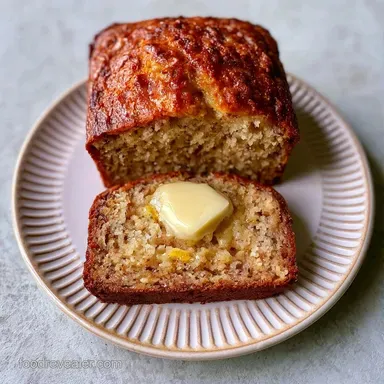
Easy Moist Banana Bread: Velvety Crumb

- Time: 10 min active + 60 min baking = Total 70 mins
- Flavor/Texture Hook: Velvety crumb with a syrupy, caramelized crust
- Perfect for: Quick weekend breakfasts or using up those black bananas
- Easy Moist Banana Bread That Actually Stays Moist
- The Secret to Velvety Texture
- Breaking Down Each Component
- The Essentials and Swaps
- Step-by-Step Baking Guide
- Fixing Common Loaf Issues
- Troubleshooting Common Issues
- Changing Up the Flavor
- Freshness and Zero Waste
- The Bakery Style Finish
- Recipe FAQs
- 📝 Recipe Card
Easy Moist Banana Bread That Actually Stays Moist
That heavy, sweet scent of caramelized sugar and cinnamon hitting you the moment you open the oven door is just unmatched. I remember the first time I tried to "wing it" with banana bread.
I used bananas that were just barely spotted, thinking they were fresher, and the result was a dense, bland brick that tasted more like raw flour than a treat. I actually tried to save it by soaking slices in syrup, which only made it soggier.
Forget everything you've heard about needing a professional stand mixer or a fancy recipe to get that bakery style texture. Honestly, the biggest mistake most people make is overthinking the process. You don't need complex equipment, and you definitely don't need to be a pro.
All you need is a fork, a bowl, and some bananas that look like they've seen better days.
This Easy Moist Banana Bread is all about the balance of moisture and lift. We're talking about a loaf that's tender enough to melt in your mouth but sturdy enough to hold a mountain of chocolate chips and walnuts. It's a reliable, one bowl wonder that turns kitchen chaos into something comforting and fragrant.
The Secret to Velvety Texture
Instead of a textbook, let's just talk about why this actually works in your kitchen. It comes down to how we handle the moisture and the air.
The Sour Cream Trick: The acid in the sour cream breaks down the gluten in the flour, which keeps the bread from getting tough or "bready". It creates a velvety crumb that stays fresh for days.
Brown Sugar Magic: Using brown sugar instead of white adds molasses, which is a humectant. This means it actually pulls moisture from the air into the bread, keeping it from drying out.
Low Agitation Mixing: When we fold the flour in gently, we avoid creating too many gluten bonds. Too much stirring leads to a rubbery texture, while a gentle fold keeps it tender.
Banana Ripeness: Overripe bananas have more sugar and less starch, which means they liquefy better and blend into the batter for a uniform, syrupy consistency.
| Method | Time | Texture | Best For |
|---|---|---|---|
| Classic Loaf | 70 mins | Dense & Velvety | Traditional slices |
| Muffin Tins | 25 mins | Lighter & Airy | Individual portions |
| Sheet Pan | 30 mins | Thin & Fudgy | Quick snacking |
Breaking Down Each Component
Understanding what each ingredient is actually doing helps you make better choices if you're missing something in your pantry.
| Ingredient | Science Role | Pro Secret |
|---|---|---|
| Overripe Bananas | Natural sweetener & binder | Mash them until almost liquid for better distribution |
| Sour Cream | Tenderizer & acid | Adds a slight tang that balances the sugar |
| Brown Sugar | Moisture lock & flavor | Pack it tight for a deeper caramel note |
| Baking Soda | Leavening agent | Reacts with sour cream to create lift |
The Essentials and Swaps
Right then, let's look at what you need. I've listed the exact amounts from my tried and true version, but I've added some swaps just in case your pantry is looking a bit bare.
The Wet Base
- 3 large overripe bananas, mashed (approx. 1 cup/225g)Why this? Essential for the base flavor and moisture
- 1/2 cup melted unsalted butter (115g)Why this? Provides a rich, savory depth
- 3/4 cup brown sugar, packed (150g)Why this? Adds molasses for a moist crumb
- 1 large egg (50g)Why this? Binds everything together
- 1 tsp vanilla extract (5ml)Why this? Enhances the banana aroma
- 1/4 cup sour cream (60g)Why this? Ensures a velvety texture
The Dry Blend
- 1 1/2 cups all purpose flour (190g)Why this? Standard structure. See King Arthur Baking for weighing tips
- 1 tsp baking soda (5g)Why this? Creates the rise
- 1/2 tsp salt (3g)Why this? Cuts through the sweetness
- 1 tsp ground cinnamon (2g)Why this? Adds warmth and spice
Optional Mix ins - 1/2 cup semi sweet chocolate chips (85g) - 1/2 cup chopped walnuts (60g)
| Original Ingredient | Substitute | Why It Works |
|---|---|---|
| Unsalted Butter | Coconut Oil | Similar fat content. Note: Adds a slight coconut flavor |
| Sour Cream | Greek Yogurt | Same acidity and thickness. Note: Slightly tangier |
| Brown Sugar | White Sugar | Still sweet, but less moist. Note: Lighter color, less caramel flavor |
| Walnuts | Pecans | Similar crunch and nuttiness. Note: Slightly sweeter profile |
Step-by-step Baking Guide

Let's crack on with the actual baking. Trust me on this, the "folding" part is where the magic happens.
Phase 1: Preparation & Priming
- Preheat your oven to 350°F (175°C).
- Grease a 9x5 inch loaf pan and line it with parchment paper, leaving an overhang on the sides. Note: The overhang makes it so much easier to lift the loaf out without it breaking
Phase 2: The Wet Emulsion
- In a large mixing bowl, mash the overripe bananas with a fork until mostly smooth.
- Whisk in the melted butter and brown sugar until the mixture reaches a thick syrup consistency.
- Stir in the egg, vanilla extract, and sour cream until the batter is glossy and uniform.
Phase 3: The Gentle Fold
- Sift the all purpose flour, baking soda, salt, and cinnamon directly into the wet ingredients.
- Using a spatula, gently fold the dry ingredients into the wet just until combined. Note: Stop as soon as you see no more white flour streaks
- Fold in the semi sweet chocolate chips and chopped walnuts with three or four final strokes.
Phase 4: The Bake & Set
- Pour the batter into the prepared pan and bake for 50–60 minutes until a toothpick inserted into the center comes out clean or with a few moist crumbs.
- Remove from the oven and allow to cool on a wire rack before slicing. Note: Slicing it while piping hot can cause the steam to escape too quickly, making the rest of the loaf dry
Chef's Note: For a truly professional finish, try freezing your butter for 10 minutes before melting it. This prevents it from overheating and ensures it emulsifies more smoothly with the sugar.
Fixing Common Loaf Issues
Even the best of us have days where the oven behaves strangely. If your Easy Moist Banana Bread isn't looking quite right, it's usually a quick fix.
Troubleshooting Common Issues
| Issue | Solution |
|---|---|
| Why Your Bread is Gummy in the Middle | This usually happens if you underbake the center or use bananas that were too watery. The outer edges look done, but the middle stays raw. |
| Why Your Loaf Sank in the Center | A sunken top is almost always caused by over mixing. When you beat the batter too much, you incorporate too much air, which rises rapidly and then collapses. |
| How to Stop the Top from Burning | If the top is getting too dark but the middle is still raw, you've got a temperature imbalance. A simple foil tent solves this. |
Common Mistakes Checklist
- ✓ Did you mash the bananas until they were a syrupy paste?
- ✓ Did you stop mixing the moment the flour disappeared?
- ✓ Is your baking soda fresh (less than 6 months old)?
- ✓ Did you wait at least 20 minutes before slicing?
- ✓ Did you grease the pan AND use parchment paper?
Changing Up the Flavor
Once you've got the base down, you can really play around with this recipe. This Easy Moist Banana Bread is basically a canvas for whatever you have in the cupboard.
The Healthy Route To make a Healthy Banana Bread Recipe, you can swap the melted butter for unsweetened applesauce or a neutral oil like avocado oil. While the flavor will be less rich, the texture stays surprisingly tender.
You can also replace the brown sugar with maple syrup, though you'll need to reduce the other liquids by about 2 tablespoons to keep the balance.
Muffin Variations If you're in a rush, you can definitely make Moist Banana Bread Muffins. Just divide the batter into a lined muffin tin. Bake them at the same temperature but reduce the time to about 20-25 minutes. They're a bit lighter and more airy than the loaf.
Chocolate Overload For a chocolate version, replace 1/4 cup of the flour with high-quality cocoa powder. Keep the chocolate chips, obviously. This creates a deep, fudgy contrast with the banana that's honestly better than a brownie. If you're craving something else with banana, you might enjoy my Homemade Banana Pancakes for a weekend brunch.
Freshness and Zero Waste
Keeping your bread moist long after the bake is the real goal here. Because of the sour cream and brown sugar, this loaf holds up better than most, but a few tricks help.
Storage Guidelines At room temperature, keep the slices in an airtight container or wrap the whole loaf in foil for up to 3 days. In the fridge, it will stay fresh for about 5-7 days, but it will firm up. I recommend a quick 10 second zap in the microwave to bring back that velvety feel.
Freezing for Later This bread freezes brilliantly. Slice it first, then wrap each slice individually in parchment paper and place them in a freezer bag. They'll stay great for up to 3 months. To reheat, just pop a frozen slice straight into the toaster.
Zero Waste Tips Don't toss those banana peels! You can freeze them to make banana peel tea (which some say helps with garden soil) or compost them. If you have leftover mashed bananas that didn't fit in the recipe, freeze them in 1/2 cup portions in ice cube trays for your next batch of smoothies. If you want a different take on the classic, check out my Bread for 1 Loaf recipe for a streamlined version.
The Bakery Style Finish
The difference between a home loaf and a bakery loaf is often just in the presentation. It's the little things that make it feel special.
The "Bakery Style" Slice Instead of just cutting it, try the "toast and butter" method. Slice a thick piece and sear it in a pan with a tiny bit of butter until the edges are crispy and golden. Top it with a smear of salted butter or a drizzle of honey.
The Gourmet Pairing If you're serving this for guests, pair it with a dollop of whipped mascarpone or a side of fresh berries. The acidity of the berries cuts through the richness of the butter and chocolate, making the whole experience feel a bit more balanced.
The Finishing Touch For a beautiful top, slice a banana lengthwise and lay the two halves on top of the batter before baking. Dust them with a bit of cinnamon sugar.
As they bake, the bananas caramelize and create a stunning, professional look that makes the Easy Moist Banana Bread look like it came from a high end cafe.
Recipe FAQs
What is the secret to moist banana bread?
Using overripe bananas and sour cream. These ingredients provide high moisture content and essential acidity that keep the crumb tender and soft.
How do you make banana bread?
Mash overripe bananas and whisk in melted butter and brown sugar. Stir in the egg, vanilla, and sour cream, then fold in the sifted dry ingredients and bake at 350°F for 50–60 minutes.
How to make the banana bread top moist?
Prevent overbaking the loaf. Remove the bread from the oven as soon as a toothpick comes out with a few moist crumbs to ensure the crust does not dry out.
What can I add to make banana bread more moist?
Include sour cream in the batter. This adds a rich fat content and acidity that preserves moisture more effectively than traditional milk.
How to make a quick and easy banana nut bread?
Combine all wet ingredients first, then fold in the dry components and walnuts. This streamlined approach keeps your total prep time to just 10 minutes.
Is it true that beating the batter until smooth ensures a better texture?
No, this is a common misconception. Overmixing incorporates too much air and develops excess gluten, which often causes the loaf to sink in the center. If you enjoyed mastering the gentle folding technique here, see how the same principle prevents toughness in our southern homemade biscuits.
How do I stop the center from becoming gummy?
Bake for the full 50–60 minutes at 350°F. Ensure the center is completely cooked through, as a gummy middle is typically a sign of underbaking.
Easy Moist Banana Bread: Velvety Crumb