Moist Cornbread Recipe: Buttermilk & Creamed Corn
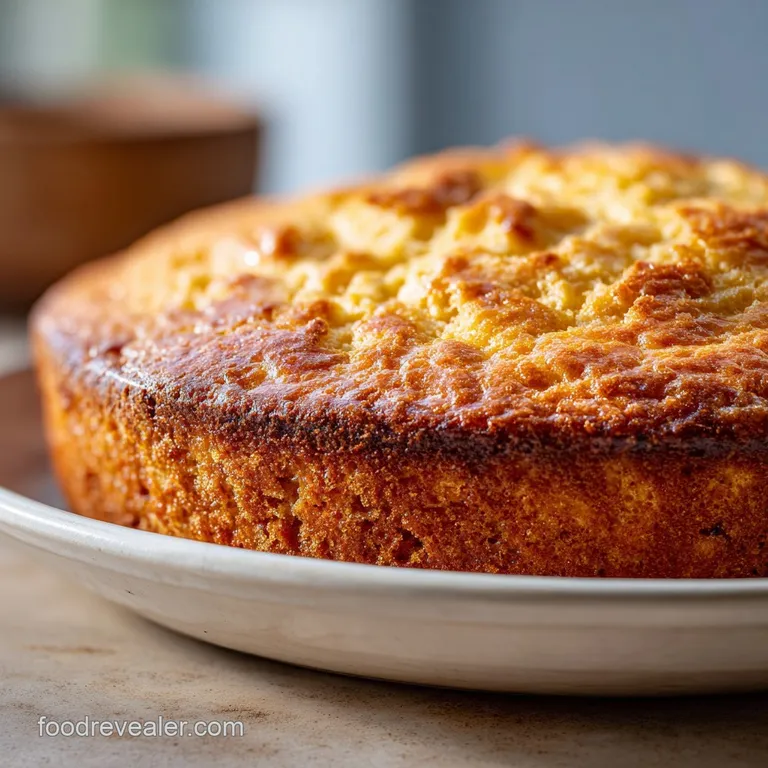
- Time: Active 15 minutes, Passive 25 minutes, Total 40 minutes
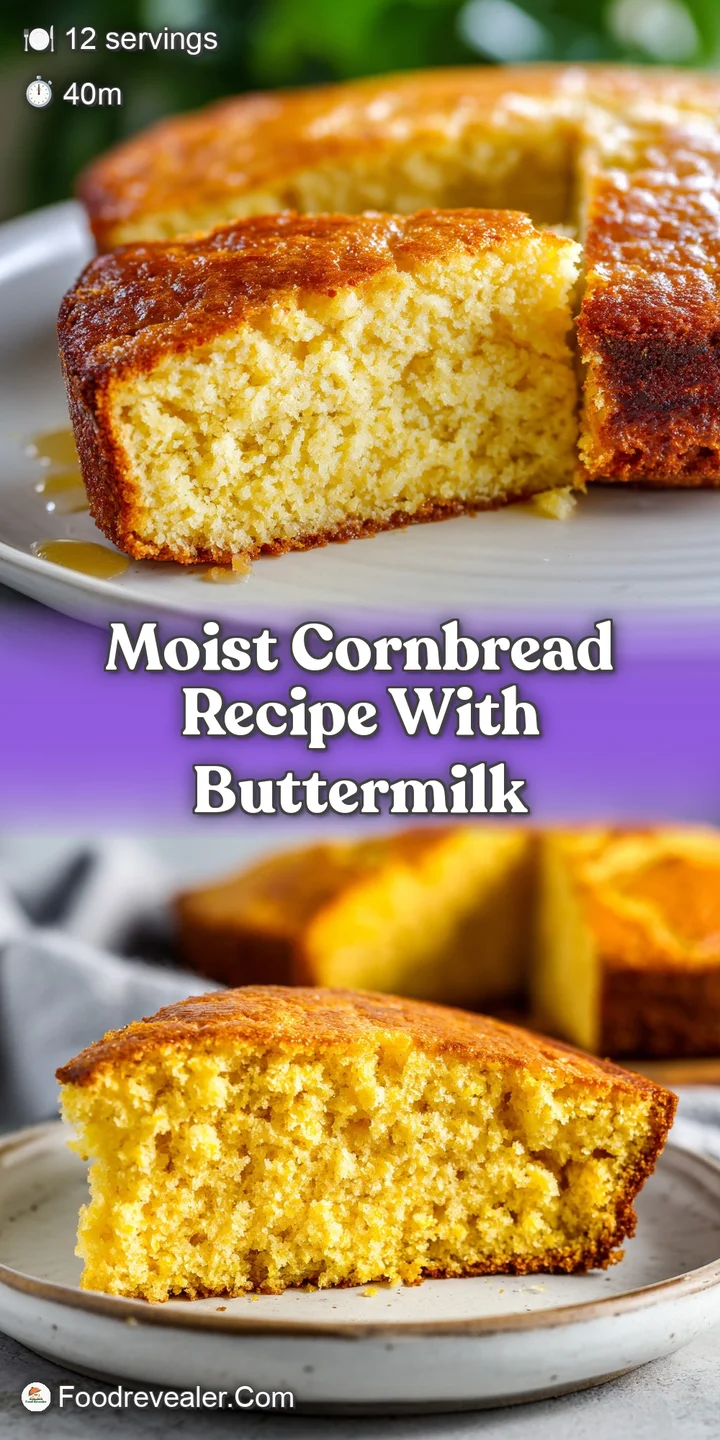
- Flavor/Texture Hook: A velvety, honey kissed crumb with a buttery, crackling crust.
- Perfect for: Cozy family dinners, backyard barbecues, or beginner bakers.
- The Secret to My Favorite Moist Cornbread Recipe
- The Science Behind This Velvety Crumb
- Precise Specs for This Skillet Bake
- A Complete Ingredient List Breakdown
- Tools Required for This Savory Crust
- Bringing This Golden Loaf Together
- Practical Solutions for Common Baking Errors
- Adjusting Quantities for Different Crowds
- Flavor Variations for Any Occasion
- Debunking Common Cornbread Misconceptions
- Storage and Zero Waste Methods
- Pairing Ideas for the Best Experience
- Recipe FAQs
- 📝 Recipe Card
The Secret to My Favorite Moist Cornbread Recipe
Nothing beats the sound of cold batter hitting a scorching hot cast iron skillet. That immediate sizzle is the promise of a golden, buttery crust that actually shatters when you bite into it.
I remember the first time I got this right - I had spent years choking down dry wedges that required a gallon of chili just to swallow. Then, I tried adding Greek yogurt and creamed corn. The kitchen filled with a sweet, toasted aroma that brought everyone running before the timer even buzzed.
We've all been there with a recipe that looks great but ends up feeling like a desert in your mouth. This version is different because it focuses on a dense, hydrated crumb that stays tender even the next day.
It's not just a side dish, it's the kind of bread you find yourself snacking on directly from the pan at midnight. We're going for a balance of Southern grit and a soft, modern texture that feels substantial without being heavy.
The Science Behind This Velvety Crumb
Moisture Retention: The inclusion of invert sugar from honey and the pectin in creamed corn prevents the starch from recrystallizing, which keeps the bread soft for days.
Acidic Leavening: Buttermilk and Greek yogurt react with the 0.5 tsp of baking soda to create immediate carbon dioxide bubbles, ensuring the dense cornmeal doesn't turn into a brick.
Cornmeal Hydration: Letting the yellow cornmeal sit with the wet ingredients briefly allows the grains to soften, removing that unpleasant "raw sand" texture often found in quick bakes.
Maillard Reaction: The combination of honey and high heat in the skillet creates a deep mahogany crust through sugar browning that provides a savory contrast to the sweet interior.
| Method | Time | Texture | Best For |
|---|---|---|---|
| Cast Iron Skillet | 25 minutes | Ultra crispy, buttery edges | Achieving a traditional Southern crust |
| Standard Cake Pan | 28 minutes | Uniformly soft and tender | Uniform slices for sandwiches or cubes |
| Muffin Tin | 18 minutes | High crust to crumb ratio | Individual servings and meal prep |
Choosing the right vessel changes the experience. A skillet provides that iconic sizzle and a dark bottom, while a glass baking dish results in a more delicate, cake like finish. Both are excellent, but the skillet is my go to for that signature crunch.
| Component | Science Role | Pro Secret |
|---|---|---|
| Yellow Cornmeal (180g) | Structural base | Use stone ground for a more distinct, nutty flavor profile. |
| Plain Greek Yogurt | Protein and acidity | High protein content strengthens the crumb while acidity tenderizes gluten. |
| Creamed Corn | Continuous hydration | The "sauce" in the corn provides moisture that doesn't evaporate during baking. |
| Large Eggs (2) | Emulsification | Room temperature eggs incorporate better, leading to a more even rise. |
Precise Specs for This Skillet Bake
To get this right every single time, you need to hit a few specific marks. First, your oven must be at a true 400°F (200°C) before the pan goes in. If you use a cast iron skillet, preheat it in the oven for at least 10 minutes so it's screaming hot.
This recipe yields 12 servings, which is exactly one 10 inch skillet or a 9 inch square pan. The internal temperature of the bread should reach 200°F (93°C) when measured with a probe thermometer. This ensures the center is set without being overbaked.
If you're weighing ingredients, which I highly recommend for this moist cornbread recipe, aim for exactly 180g of cornmeal.
| Original Ingredient | Substitute | Why It Works |
|---|---|---|
| low-fat Buttermilk | Whole milk + 1 tbsp Lemon juice | Mimics the acidity needed to react with baking soda. Note: Slightly less thick than real buttermilk. |
| Plain Greek Yogurt | Sour Cream | Similar fat and acid content. Note: Makes the bread slightly richer and denser. |
| Honey | Maple Syrup | Provides sweetness and moisture. Note: Adds a distinct woody flavor to the bread. |
| Unsalted Butter | Salted Butter | Adds fat for flavor. Note: Reduce the added kosher salt by half if using salted butter. |
A Complete Ingredient List Breakdown
- 1.5 cups (180g) Yellow Cornmeal: This provides the classic flavor and grit. Why this? Stone ground varieties offer better texture than highly processed corn flour.
- 1 cup (125g) All Purpose Flour: This creates the necessary structure so the bread doesn't fall apart.
- 1 tbsp Baking Powder: The primary lifting agent for a fluffy result.
- 0.5 tsp Baking Soda: Neutralizes the acid in the yogurt and buttermilk.
- 1 tsp Kosher Salt: Enhances all the other flavors, especially the honey.
- 1 cup (240ml) low-fat Buttermilk: Provides a tangy depth and moisture.
- 0.5 cup (120g) Plain Greek Yogurt: The secret weapon for a velvety, thick texture.
- 0.5 cup (125g) Canned Creamed Corn: Adds bursts of sweetness and prevents drying.
- 2 Large Eggs: Binds the ingredients together and adds richness.
- 0.33 cup (115g) Honey: A natural humectant that keeps the bread moist.
- 0.25 cup (56g) Unsalted Butter, melted: For a rich, buttery mouthfeel.
- 1 tbsp Unsalted Butter: Reserved for the skillet to create the crust.
Tools Required for This Savory Crust
You don't need a pantry full of gadgets to nail this moist cornbread recipe, but a few basics make a world of difference. A 10 inch cast iron skillet is the gold standard because it holds heat like nothing else, giving you that dark, savory bottom.
If you don't have one, a heavy bottomed 9 inch cake pan or a ceramic baking dish will do the trick.
You'll also need two mixing bowls one for dry and one for wet. A sturdy whisk is essential for getting the lumps out of the batter without overworking the gluten. If you're a fan of accuracy, a digital kitchen scale helps ensure your flour and cornmeal measurements are spot on, which prevents the bread from turning out too heavy or too dry.
Bringing This Golden Loaf Together
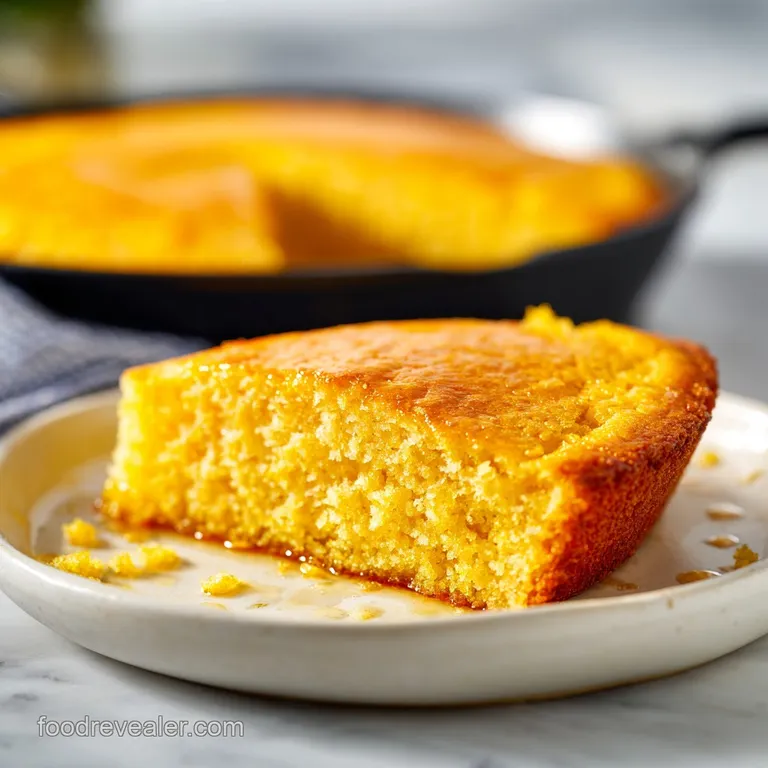
- Preheat the oven to 400°F (200°C). Place your 10 inch cast iron skillet inside to get it hot. Note: A hot pan is the only way to get a truly crispy crust.
- Whisk the dry ingredients. In a large bowl, combine the 1.5 cups yellow cornmeal, 1 cup flour, baking powder, baking soda, and kosher salt.
- Mix the wet components. In a separate bowl, whisk together the 1 cup buttermilk, 0.5 cup yogurt, 0.5 cup creamed corn, 2 eggs, 0.33 cup honey, and 0.25 cup melted butter.
- Combine the mixtures. Pour the wet ingredients into the dry ingredients. Note: Stir until just combined; a few small lumps are perfectly fine.
- Rest the batter. Let the mixture sit for 5 to 10 minutes. Until the cornmeal starts to absorb the liquid and the batter thickens slightly.
- Sizzle the butter. Carefully remove the hot skillet from the oven and drop in the remaining 1 tbsp of butter. Until it melts and starts to foam.
- Fill the skillet. Quickly pour the batter into the hot skillet, spreading it evenly.
- Bake the bread. Place the skillet back in the oven and bake for 20 to 25 minutes. Until the edges are dark brown and a toothpick comes out clean.
- Cool slightly. Let the bread rest in the pan for 10 minutes before slicing. Note: This allows the internal steam to set the crumb.
- Serve warm. Cut into wedges and serve with extra honey or butter.
Practical Solutions for Common Baking Errors
My Cornbread is Crumbly
This usually happens when there isn't enough moisture or the ratio of cornmeal to flour is too high. If you skipped the Greek yogurt or used a low-fat milk substitute without enough body, the structure won't hold. Another culprit is over measuring the cornmeal; always spoon and level your measuring cups or use a scale.
The Center is Still Gooey
If the outside is dark but the middle is wet, your oven might be running too hot, or you used a pan that is too small/deep. This often happens in ceramic dishes which take longer to heat through than metal. Check the internal temperature with a probe; it should be 200°F (93°C).
| Problem | Root Cause | Solution |
|---|---|---|
| Dry, sandy texture | Under hydrated cornmeal | Let the batter rest for 10 minutes before baking to soften the grains. |
| No crispy crust | Pan wasn't preheated | Always place your skillet or pan in the oven while it preheats. |
| Metallic or bitter taste | Too much baking soda | Ensure you use level measurements; don't eye ball the leavening agents. |
Common Mistakes Checklist
- ✓ Never skip preheating the skillet; the temperature difference creates the crust.
- ✓ Don't over mix the batter once the flour is added, or it will become tough.
- ✓ Check your baking powder's expiration date; old powder leads to a flat loaf.
- ✓ Avoid using "self rising" cornmeal unless you adjust the other leavening agents.
- ✓ Let the bread rest after baking; cutting it too soon releases too much steam.
Adjusting Quantities for Different Crowds
If you're cooking for a big family gathering, you'll want to double this recipe. Use two 10 inch skillets rather than one giant pan to ensure the center cooks through before the edges burn.
When doubling, keep the spices and leavening agents at about 1.5 times the original amount to avoid a chemical aftertaste, but keep the liquids and cornmeal at a true 2x ratio.
For a smaller household, you can easily halve the ingredients. Use an 8 inch skillet or a small loaf pan. Since the batter will be shallower, start checking for doneness about 5 minutes earlier than the recipe suggests. If you're halving the eggs, simply whisk one egg in a small bowl and use about 2 tablespoons of the liquid. Similar to the method for our Beanie Weenies Recipe, this bread is very forgiving when scaled down for a quick lunch.
Flavor Variations for Any Occasion
The beauty of this base is how well it takes to additions. If you want a savory, spicy kick, fold in 1/4 cup of diced jalapeños and 1/2 cup of sharp cheddar cheese. The fats from the cheese will melt into the crumb, creating little pockets of richness that pair perfectly with a bowl of spicy soup or stew.
For a more breakfast oriented version, try adding 1/2 cup of fresh blueberries and an extra tablespoon of honey. The berries will burst during baking, swirled through the golden crumb like a muffin but in sliceable form. If you're serving this alongside a fancy holiday meal, like our Creamy Scalloped Potatoes recipe, consider adding a teaspoon of chopped fresh rosemary to the batter for a sophisticated, herbal aroma.
Debunking Common Cornbread Misconceptions
One major myth is that "true" cornbread never contains sugar or honey. While that's a staple of some traditional Southern styles, adding a humectant like honey is actually a functional choice, not just a flavor one. Honey helps retain moisture, which is the whole point of this specific recipe.
Without a little sugar, the bread dries out significantly faster.
Another misconception is that you need a specialized "cornbread mix" to get the right texture. Homemade versions are actually superior because you control the quality of the fats and the hydration levels.
Using fresh Greek yogurt and creamed corn provides a level of moisture that boxed mixes simply cannot replicate with just an egg and some milk.
Storage and Zero Waste Methods
To keep your leftovers in top shape, wrap the cooled bread tightly in plastic wrap or store it in an airtight container at room temperature for up to 2 days. For longer storage, the fridge will keep it safe for about 5 days, though it may firm up a bit.
To revive it, simply wrap a slice in a damp paper towel and microwave for 15 seconds, or toast it in a pan with a little butter.
If you find yourself with extra bread that’s starting to go stale, don't toss it. Cornbread makes the world's best croutons for a kale salad or a base for a savory dressing. You can also crumble it up and toast it in the oven to create "cornbread crumbs" which are an exceptional coating for fried chicken or a crunchy topping for a mac and cheese bake.
For long term zero waste, slice the bread and freeze it in a single layer before bagging; it stays fresh in the freezer for up to 3 months.
Pairing Ideas for the Best Experience
This bread is designed to be the ultimate supporting actor. It shines brightest when paired with something saucy or acidic. A bowl of slow cooked pinto beans or a hearty beef chili is the classic choice, where the honey sweetness of the bread cuts through the spice of the main dish.
I personally love it alongside smoky barbecue ribs or pulled pork, where the crumb can soak up any extra vinegar based sauce.
For a simpler meal, try it for breakfast. Split a wedge in half, toast it until the edges are dark and crackling, and top it with a fried egg and a dash of hot sauce. The creamy yolk mingling with the sweet cornmeal is a revelation.
It also works beautifully as a side for a light summer salad, providing enough substance to make a plate of greens feel like a full, satisfying meal. No matter how you serve it, just make sure there's plenty of butter on the table.
Recipe FAQs
What makes cornbread super moist?
The combination of high moisture ingredients and fat. Incorporating ingredients like Greek yogurt, buttermilk, and creamed corn adds substantial water and fat content, which prevents the cornmeal structure from drying out during baking.
What is the secret to good cornbread?
Preheating your cooking vessel until it's screaming hot. This is crucial, especially when using cast iron, as the immediate heat transfer creates a tender interior and a superior, crackling, caramelized crust.
What moistens cornbread?
Acidic dairy and invert sugars are key moisteners. Buttermilk and yogurt tenderize the starches while honey acts as a humectant, meaning it attracts and locks in moisture, keeping the bread soft longer.
How do you keep cornbread from being so dry?
Let the batter rest for 5 to 10 minutes before baking. This rest period allows the coarse cornmeal grains to fully hydrate with the wet ingredients, eliminating the "sandy" texture common in dry quick breads.
Is it true that using oil instead of melted butter makes the bread wetter?
No, this is a common misconception when aiming for flavor and texture. While oil provides moisture, melted butter contributes crucial flavor compounds and better mouthfeel, leading to a richer taste profile that complements the cornmeal better.
How do I ensure my cornbread has a tender crumb instead of a dense texture?
Stir the batter only until the dry ingredients are just incorporated. Overmixing develops gluten in the flour, which leads to toughness; think of it like making light pancakes minimal agitation is best for tenderness.
Can I add savory ingredients like cheese or jalapeños to this recipe?
Yes, adding mix-ins works beautifully if you account for potential weight changes. Fold in about 1/2 cup of cheese or diced peppers right at the end, but if you were to adapt this base for a lighter bake, remember the moisture control principles apply to our Zesty Black Bean recipe, where ingredient balance is key.
Moist Cornbread Recipe From Scratch
Ingredients:
Instructions:
Nutrition Facts:
| Calories | 196 kcal |
|---|---|
| Protein | 5.3 g |
| Fat | 6.2 g |
| Carbs | 30.6 g |
| Fiber | 1.5 g |
| Sugar | 9.2 g |
| Sodium | 412 mg |
