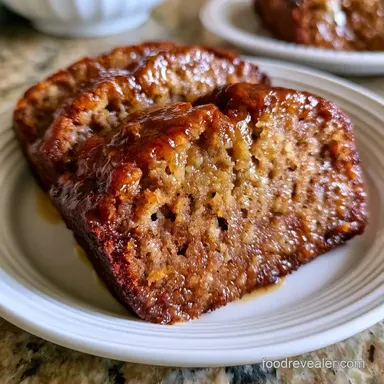
Oil Based Banana Bread: Ultra-Moist

- Time: 10 min active + 50 min baking = Total 60 mins
- Flavor/Texture Hook: Velvety crumb with a shatter crisp turbinado crust
- Perfect for: Easy weekday breakfasts or a cozy afternoon snack
- The Best Oil Based Banana Bread
- The Secret to Moist Crumb
- Your Essential Baking List
- Necessary Kitchen Tools
- Step by Step Baking Guide
- Common Baking Mishaps
- Troubleshooting Common Issues
- Ways to Customize This
- Busted Baking Beliefs
- Storage and Keeping Fresh
- Serving Your Banana Loaf
- Recipe FAQs
- 📝 Recipe Card
Last October, I found three bananas that looked like they'd seen better days, sitting at the bottom of my fruit bowl. The skin was entirely black, and the smell was like heavy syrup, which is exactly what you want.
I didn't have a stick of butter in the fridge, so I reached for my neutral oil, thinking it might actually keep the bread softer.
It turns out that using oil makes a world of difference in how the bread feels the next morning. Most butter based loaves get a bit firm or "stale" once they hit the fridge, but this version stays springy and moist. It’s the kind of treat that makes the whole house smell like caramelized sugar and cinnamon.
You can expect a loaf that's deeply fragrant and incredibly tender. This Oil Based Banana Bread isn't trying to be a fancy cake, it's just honest, comforting food that works every single time. Right then, let's get into how to make it happen.
The Best Oil Based Banana Bread
The real magic of this recipe is the balance between the heavy, mashed fruit and the lightness of the oil. When you use a neutral oil, you're not adding the milky flavor of butter, which actually lets the banana taste shine through much more clearly.
Trust me on this, once you try the oil method, you'll struggle to go back to the old way.
But what about the texture? Some people worry that oil makes things "greasy." In a quick bread like this, the opposite happens. The oil coats the flour proteins more effectively than butter does, which means less gluten develops. The result is a crumb that feels velvety rather than bready or tough.
I've found that the addition of brown sugar is non negotiable here. While white sugar works, the molasses in brown sugar adds a depth of flavor that mimics the natural caramelization of the bananas as they bake. It gives the loaf a darker, richer color that looks stunning when sliced.
The Secret to Moist Crumb
I've always wondered why some loaves feel like sponges and others feel like cake. It comes down to how the fats and liquids interact. Here is what's actually happening in your oven:
- Liquid Fat Distribution: Oil is liquid at room temperature, unlike butter. This means it stays evenly distributed throughout the crumb, preventing that "dry" feeling when the bread cools.
- Moisture Retention: Bananas are full of natural sugars and pectin. These bind with the oil to create a barrier that locks moisture inside the loaf, according to King Arthur Baking, which helps maintain a soft texture.
- Leavening Boost: The baking soda reacts with the acidity in the brown sugar and the bananas. This creates tiny bubbles that lift the heavy batter, ensuring it isn't a dense brick.
- Surface Caramelization: The turbinado sugar on top doesn't melt completely. It creates a crystalline crust that provides a sharp contrast to the soft interior.
| Method | Time | Texture | Best For |
|---|---|---|---|
| Fresh Bananas | 10 min prep | Velvety & Uniform | Classic daily loaf |
| Frozen/Thawed | 15 min prep | Extra Moist/Dense | Deep banana flavor |
| Banana Puree | 5 min prep | Cake like/Consistent | Quick meal prep |
I've noticed that using frozen bananas often results in a slightly denser loaf because they release more liquid when they thaw. If you go that route, just make sure to drain a tablespoon of the excess liquid before mixing.
Your Essential Baking List
Let's look at what's actually doing the work in this batter. I don't believe in over complicating things, so we're sticking to the basics.
| Ingredient | Science Role | Pro Secret |
|---|---|---|
| Overripe Bananas | Moisture & Flavor | Use bananas with 100% black skins for max sweetness |
| Neutral Oil | Tenderizer | Use avocado or canola oil for zero aftertaste |
| Brown Sugar | Humectant | Pack it tightly into the cup for a richer color |
| Baking Soda | Lift | Ensure it's fresh so the loaf doesn't sink |
For the Batter
- 3 large overripe bananas, mashed Why this? Provides the base flavor and essential moisture
- 1/2 cup neutral oil Why this? Keeps the crumb tender and soft for days
- 3/4 cup light brown sugar, packed Why this? Adds molasses notes and keeps it moist
- 1 large egg Why this? Binds the ingredients and provides structure
- 1 tsp vanilla extract Why this? Rounds out the sweetness with aromatic warmth
- 1 1/2 cups all purpose flour Why this? Standard protein level for a steady rise
- 1 tsp baking soda Why this? Reacts with sugar/fruit to create lift
- 1/2 tsp salt Why this? Balances the sugar and enhances banana flavor
- 1/2 tsp ground cinnamon Why this? Adds a cozy, spicy undertone
For the Optional Topping
- 1 sliced banana Why this? Visual appeal and concentrated sweetness
- 1 tbsp turbinado sugar Why this? Creates a crunch that shatters when you bite
| Original Ingredient | Substitute | Why It Works |
|---|---|---|
| Neutral Oil (1/2 cup) | Melted Coconut Oil (1/2 cup) | Similar fat content. Note: Adds a slight coconut scent |
| All Purpose Flour | White Whole Wheat Flour | Adds nuttiness. Note: Results in a denser, heartier crumb |
| Brown Sugar | Coconut Sugar | Similar color and depth. Note: Slightly less moisture than brown sugar |
| Egg (1 large) | Flax Egg (1 tbsp flax + 3 tbsp water) | Vegan alternative. Note: Loaf will be slightly less fluffy |
Honestly, don't even bother with low-fat oil substitutes. You need that fat to carry the flavor of the cinnamon and vanilla through the bread.
Necessary Kitchen Tools
You don't need a professional setup for this. I usually just use a couple of bowls and a whisk. If you have a stand mixer such as KitchenAid, you can use it, but it's honestly overkill for this recipe. A simple spatula is your best friend here to avoid overworking the batter.
Keep your 9x5-inch loaf pan ready. I prefer greasing it with a bit of oil and then lining the bottom with parchment paper. This makes it so much easier to lift the loaf out without it sticking to the corners.
Step by step Baking Guide
Let's crack on with the actual baking. Remember, the key here is to be gentle with the flour.
- Preheat your oven to 325°F (165°C) and grease a 9x5-inch loaf pan. Note: Low temp prevents the outside from burning before the center cooks.
- In a large bowl, mash the overripe bananas until mostly smooth. until a few small lumps remain
- Whisk in the neutral oil, light brown sugar, egg, and vanilla extract until the mixture is emulsified and the sugar has mostly dissolved. Note: You want a smooth, glossy liquid.
- Sift the all purpose flour, baking soda, salt, and ground cinnamon directly into the wet ingredients.
- Using a spatula, gently fold the mixture together until no more streaks of white flour are visible, being careful not to overmix. until just combined
- Pour the batter into the prepared loaf pan.
- Place the sliced banana on top of the batter and sprinkle with turbinado sugar.
- Bake for 50–60 minutes, until a toothpick inserted into the center comes out clean or with a few moist crumbs.
Chef's Note: If you see the top browning too quickly around the 30 minute mark, just tent a piece of foil over the top. This protects the sliced banana from scorching.
Common Baking Mishaps

Even for a simple Oil Based Banana Bread, things can go sideways. Usually, it's because of the bananas or the mixing technique.
Troubleshooting Common Issues
| Issue | Solution |
|---|---|
| Why Your Loaf Sinks in the Middle | This usually happens because the oven door was opened too early or the baking soda has expired. When the structure hasn't set yet, a rush of cold air can collapse the air bubbles. |
| Why the Edges Are Burnt | If your oven runs hot, the edges will set and burn before the heat reaches the center. This is why I recommend 325°F instead of 350°F, giving the middle time to catch up. |
| Why the Bread is Too Dense | Overmixing is the culprit here. If you whisk the flour in too vigorously, you develop too much gluten, which turns your tender bread into a rubbery loaf. |
Checklist for Success:
- ✓ Bananas are completely soft and spotted/black.
- ✓ Flour is folded, not beaten.
- ✓ Toothpick test is done in the dead center of the loaf.
- ✓ Oven is fully preheated before the pan goes in.
Ways to Customize This
The beauty of this recipe is how well it takes to mix ins. I often add a handful of toasted walnuts or dark chocolate chips. If you're feeling adventurous, try adding a pinch of nutmeg or cardamom to the dry ingredients for a more complex aroma.
For those who like a bit of a savory contrast, I recommend serving a slice of this bread alongside some Sourdough Discard Crackers and a sharp cheddar cheese. The sweet and salty combo is a total winner.
If you want to swap the neutral oil for olive oil, you can. It will give the Oil Based Banana Bread a slightly fruity, peppery note that works surprisingly well with the cinnamon. Just use a light tasting olive oil so it doesn't overpower the bananas.
Adjusting for Different Sizes
If you only have two bananas instead of three, you can scale this down to a half batch. Use a smaller 8x4-inch pan and reduce the baking time by about 20%. For the egg, beat one large egg in a cup and use exactly half of it.
For a double batch, I suggest baking two separate loaves rather than one giant one. If you must use a larger pan, lower the temperature to 300°F (150°C) and extend the time. This ensures the middle cooks through without the outside becoming a charcoal brick.
Busted Baking Beliefs
There are a few things people tell you about banana bread that just aren't true. Let's clear those up.
Myth: You must use butter for a rich flavor. The truth is that oil provides a more consistent moisture level. While butter adds a specific dairy flavor, oil allows the natural banana and brown sugar notes to dominate.
Myth: Searing the bananas in a pan first adds more flavor. While it smells great, it actually removes moisture from the fruit. For this specific recipe, you want the raw, mashed moisture to keep the crumb velvety.
Myth: You need a stand mixer for a smooth batter. Actually, a hand whisk and a spatula are better. Over mixing with a machine is the fastest way to make your bread tough.
Storage and Keeping Fresh
Since we're using oil, this loaf stays fresh much longer than butter based versions. Store it in an airtight container at room temperature for up to 3 days. If you live in a very humid place, the fridge is better, but you'll want to toast the slices before eating.
For long-term storage, this bread freezes beautifully. Slice the loaf first, then wrap each slice individually in parchment paper and place them in a freezer bag. They'll stay fresh for up to 3 months. To reheat, just pop a frozen slice directly into the toaster.
As for zero waste, don't just toss those banana peels. If you're into gardening, they make incredible compost. Some people even steep the peels in water to make a nutrient rich "tea" for their indoor plants.
Serving Your Banana Loaf
The absolute best way to enjoy this is slightly warm with a thick slab of salted butter. The salt cuts through the sweetness and makes the cinnamon pop. If you're hosting a weekend brunch, this pairs perfectly with a plate of Glazed Donuts and a big pot of coffee.
If you want to get a bit fancy, try slicing the bread and searing it in a pan with a tiny bit of butter until the edges are caramelized. Top it with a dollop of Greek yogurt and a drizzle of honey.
This Oil Based Banana Bread is more than just a way to save old fruit, it's a reliable kitchen staple. Whether you're making it for the kids or just because it's raining outside, it's the kind of recipe that brings a bit of warmth to the table. Enjoy every bite!
Recipe FAQs
Can you use oil instead of butter in banana bread?
Yes, oil creates a moister crumb. Oil-based loaves stay soft longer than butter versions. If you like the tender texture of our banana pancakes, you will appreciate the consistency here.
What oil is best to use for banana bread?
Use a neutral oil. Vegetable or canola oils are ideal because they don't compete with the flavors of the overripe bananas and cinnamon.
What is the number one mistake made when making banana bread?
Overmixing the batter. Whisking the flour too much develops excess gluten, which results in a dense, tough loaf instead of a tender one.
How do you make banana bread?
Mash overripe bananas and whisk in oil, brown sugar, egg, and vanilla. Fold in the sifted dry ingredients and bake in a greased 9x5-inch pan at 325°F for 50–60 minutes.
Is it true that only vegetable oil can be used in this recipe?
No, this is a common misconception. Any neutral oil works well, though highly flavored oils like extra-virgin olive oil may noticeably change the flavor profile.
Why did my banana bread sink in the middle?
The oven door was likely opened too early. A rush of cold air can collapse the air bubbles before the internal structure has had time to set.
How should I store this banana bread to keep it fresh?
Keep it in an airtight container at room temperature. It stays fresh for 3 days, or you can freeze individual slices for up to 3 months.
Oil Based Banana Bread with Brown Sugar