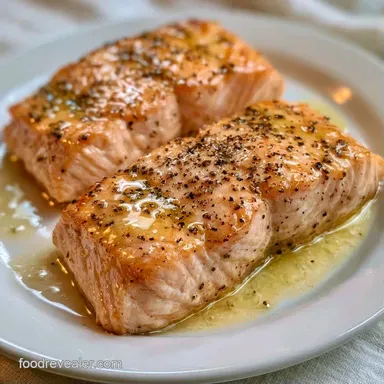
Quick Baked Salmon Recipe with Lemon
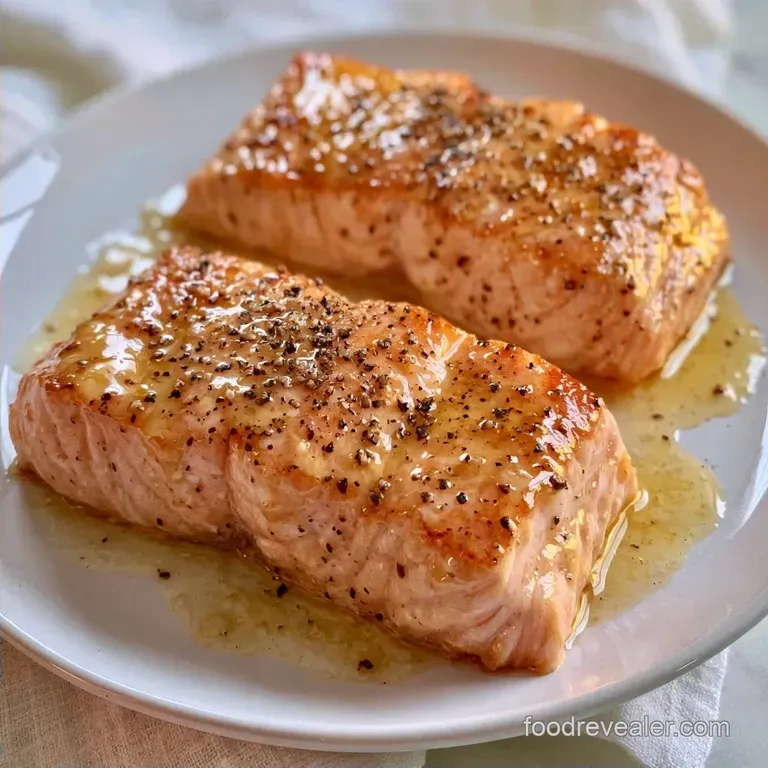
- Time: 5 min active + 15 min cook
- Flavor/Texture Hook: Tacky, sweet savory glaze with a flaky center
- Perfect for: Stress free weeknight dinner or a healthy meal prep
- A Quick Baked Salmon Recipe That Works
- What Each Ingredient Does
- Gear For This Bake
- Cooking the Salmon
- Fixing Common Salmon Issues
- Flavor Variations and Swaps
- Adjusting the Portion Size
- Truth About Salmon Baking
- Storage and Zero Waste
- Serving the Dish
- Common Baking Mistakes
- Recipe FAQs
- 📝 Recipe Card
That smell of garlic and lemon hitting a hot oven is one of my favorite things in the world. It's the kind of aroma that makes everyone in the house wander into the kitchen asking what's for dinner. But for a long time, I struggled with the actual result.
I'd pull salmon out of the oven and it would be rubbery, dry, or topped with that weird white foam.
The problem usually comes down to temperature and timing. Most people overbake fish because they're afraid of it being raw, but salmon continues to cook after you take it out. If you wait until it looks "done" in the oven, you've already gone too far.
That's why I developed this Quick Baked Salmon Recipe. It's designed to be a comfort classic that doesn't stress you out. We're using a high heat for a short time, which gives you those deep orange pink edges without drying out the middle. It's a reliable way to get a hearty meal on the table in under half an hour.
A Quick Baked Salmon Recipe That Works
The goal here is a balance between the brightness of the lemon and the richness of the butter. When the honey hits the oven heat, it caramelizes, creating a sticky layer that locks in moisture.
Trust me, once you see that glaze start to bubble and turn golden, you'll realize why this method beats slow roasting every time.
One thing I've learned is that the skin is your best friend. Even if you don't plan on eating it, the skin acts as a barrier, protecting the delicate flesh from the direct heat of the baking sheet. It keeps the bottom of the fillet from overcooking while the top gets that beautiful, tacky finish.
If you're looking for other seafood options, this is a bit more rustic than my baked cod in coconut lemon sauce, but it satisfies that craving for a simple, home cooked protein.
Why the Honey Butter Glaze WorksSugar Caramelization: The honey creates a syrup that thickens as water evaporates, forming a seal over the fish. Fat Buffer: Melted butter prevents the lean parts of the salmon from drying out during the over high heat blast.
Fresh vs. Frozen Options
| Feature | Fresh Salmon | Frozen (Thawed) | Impact |
|---|---|---|---|
| Flavor | Brighter, cleaner taste | Slightly more muted | Minimal if flash frozen |
| Texture | Firmer flake | Softer, more prone to leaking | Frozen can be "wetter" |
| Price | Higher | More budget-friendly | Frozen is better for meal prep |
What Each Ingredient Does
I don't believe in adding ingredients just for the sake of it. Every bit of this recipe has a job to do, from the salt that draws out moisture to the oregano that adds an earthy baseline.
| Ingredient | What It Does | Best Swap |
|---|---|---|
| Honey | Adds sweetness and creates the sticky glaze | Maple syrup |
| Lemon Juice | Cuts through the fat and brightens the flavor | Lime juice |
| Unsalted Butter | Adds richness and helps the glaze stick | Ghee or melted coconut oil |
| Dried Oregano | Adds an herbal, savory note | Dried thyme or parsley |
You might wonder why I use both olive oil and butter. The oil is for the initial rub to ensure the salt and pepper adhere and the fish doesn't stick, while the butter is part of the glaze for that classic, rich flavor. According to USDA FoodData, salmon is naturally high in healthy fats, so the butter doesn't overpower it; it just complements the natural oils of the fish.
Gear For This Bake
You don't need any fancy gadgets here. A standard rimmed baking sheet is the way to go. I always use parchment paper because scrubbing baked on honey and garlic off a pan is a nightmare I wouldn't wish on anyone.
I also recommend using a small whisk or even a fork to combine the glaze. You want the honey and butter to be fully emulsified so you don't end up with one fillet that's all honey and another that's all butter. If you have a digital meat thermometer, that's the only "pro" tool that really matters.
Aim for an internal temperature of 135°F to 140°F for a medium finish.
Cooking the Salmon
Right then, let's get into the actual process. The key is to move quickly once the oven is hot so you don't lose that initial blast of heat.
- Preheat your oven to 400°F (200°C) and line a baking sheet with parchment paper. Note: Preheating is non negotiable for the sear.
- Pat the salmon fillets bone dry with a paper towel, then rub each fillet with olive oil, salt, and pepper. Note: Wet fish steams instead of roasting.
- In a small bowl, whisk together the lemon juice, melted butter, honey, minced garlic, and oregano.
- Spoon the glaze evenly over the top of each fillet. Note: Make sure to cover the edges so they don't dry out.
- Bake for 12–15 minutes until edges are deep orange pink and the glaze is tacky.
- Remove from oven and let the fillets rest on a plate for 5 minutes to allow juices to redistribute.
The smell at step 5 is the biggest indicator. You'll smell the garlic browning and the honey turning into a toasted syrup. If it smells like burnt sugar, pull them out immediately.
Fixing Common Salmon Issues
Most people panic when they see white stuff on their salmon, but it's actually totally normal. That's albumin, a protein that pushes out of the muscle fibers when the fish cooks too quickly or gets too hot. It doesn't taste like anything, but it's not the prettiest thing to look at.
Why Your Salmon Is Rubbery
This usually happens because of "over shooting" the temperature. When the proteins tighten too much, they squeeze out all the moisture, leaving you with a texture like a pencil eraser.
| Problem | Root Cause | Solution |
|---|---|---|
| Rubbery Texture | Overcooked/Too high heat | Pull at 135°F internal temp |
| White Foam (Albumin) | Fast temperature rise | Pat dry and don't overbake |
| Glaze is too runny | Butter wasn't melted well | Whisk glaze more thoroughly |
Why the Bottom Is Soggy
If you don't pat the fish dry, the moisture creates a layer of steam between the salmon and the pan. This prevents the skin from crisping and makes the bottom of the fillet mushy.
Flavor Variations and Swaps
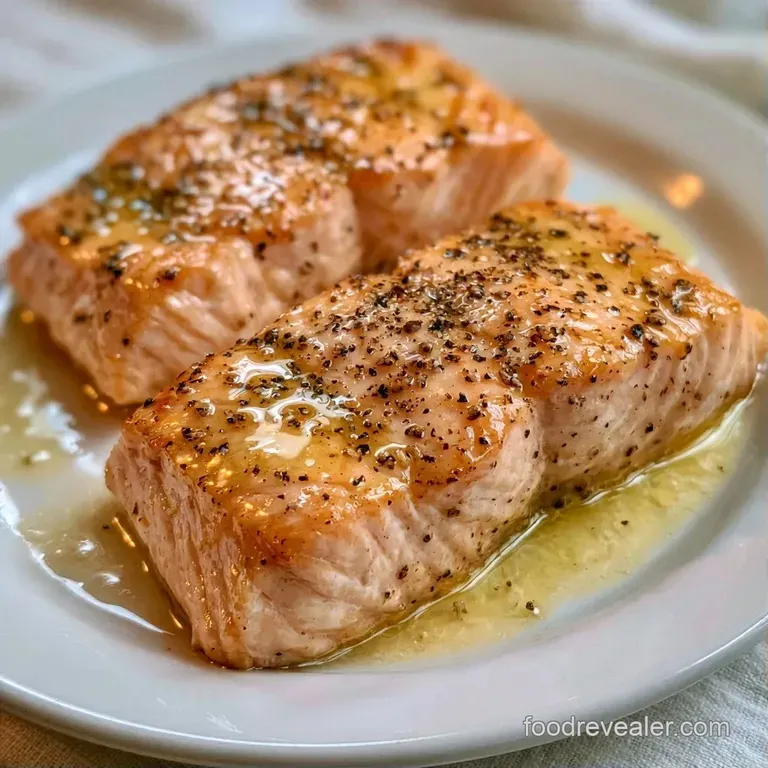
One of the things I love about this Quick Baked Salmon Recipe is how easy it is to tweak. If you're not in the mood for honey, you can swap it for brown sugar or maple syrup for a different kind of sweetness.
Dietary Adjustments - dairy-free: Swap the butter for melted coconut oil or a vegan butter alternative. The flavor remains rich, but it becomes plant based. - Lower Sugar: Reduce the honey to 1 teaspoon and increase the lemon juice.
You'll lose some of the "tackiness" of the glaze, but the brightness will be more prominent.
Flavor Twists - Spicy: Add a pinch of cayenne pepper or a teaspoon of Sriracha to the glaze. - Asian Inspired: Use soy sauce instead of salt and swap the oregano for ground ginger.
If you enjoy these kinds of flavor profiles, you might also like my classic coleslaw, which provides a cool, crunchy contrast to the rich, glazed fish.
Adjusting the Portion Size
If you're cooking for just yourself or a whole crowd, you can't just multiply everything linearly.
Scaling Down (1-2 Fillets) Use a smaller baking dish to keep the heat concentrated. Reduce the bake time by about 2 minutes, as smaller batches often cook faster due to better air circulation in the oven.
Scaling Up (8+ Fillets) Don't crowd the pan. If the fillets are touching, they'll steam rather than roast. Use two separate baking sheets and rotate them halfway through the cooking time. Only increase the salt and spices to 1.5x, as too much salt can draw out too much moisture in large batches.
Truth About Salmon Baking
There are a few things people tell you about cooking fish that just aren't true. I've spent way too much time in my own kitchen figuring these out so you don't have to.
Searing Seals in Juices You'll hear that you need to sear salmon in a pan first to "lock in" the moisture. This is a myth. Searing adds flavor through browning, but it doesn't stop moisture from leaving the fish. A over high heat bake does the same job without the mess of oil splatter on your stove.
The Higher the Heat, the Better Some people blast their fish at 450°F. While this gives a great crust, it often leaves the center raw and the outside overdone. 400°F is the sweet spot for a Quick Baked Salmon Recipe because it cooks the fillet evenly from edge to center.
Storage and Zero Waste
Salmon is best fresh, but if you have leftovers, there's a right way to handle them. Store the cooked fillets in an airtight container in the fridge for up to 3 days.
To reheat without turning the fish into rubber, don't use the microwave on high. Instead, put the salmon in a pan over low heat with a teaspoon of water or butter, cover it with a lid, and let it warm through for 3-4 minutes.
Zero Waste Tip: Crispy Skins If you're eating the fish skinless, don't throw the skin away. If you've kept the skin separate, you can fry it in a pan with a bit of oil until it's completely crisp. It becomes a salty, crunchy cracker that's an amazing snack or a garnish for a salad.
Serving the Dish
Since the salmon is rich and sweet, you want sides that bring some acidity or freshness to the plate. I usually go for steamed asparagus or a simple quinoa salad with cucumber and parsley.
If you're serving this for a dinner party, place the fillets on a large platter and pour any remaining glaze from the pan over the top right before serving. Garnish with fresh lemon slices and a sprinkle of chopped parsley to make it look like you spent hours on it when it actually only took 25 minutes.
Common Baking Mistakes
Most people fail with this dish because they treat it like a chicken breast. Fish is much more delicate and reacts faster to heat.
The Temperature Trap
The biggest mistake is relying solely on the timer. Every oven is different. Some run hot, some run cold. The only way to be sure is to check the flake. Press the top of the fillet with a fork; if it separates easily along the natural lines, it's done.
Overlooking Carry Over
I can't stress the resting period enough. If you eat the salmon the second it comes out of the oven, the juices will run out onto the plate, leaving the fish dry. Letting it rest for 5 minutes allows those juices to settle back into the flesh.
Ignoring the Dry Down
If you skip patting the fish dry, the glaze won't stick. It will just slide off the fillet and pool at the bottom of the pan. For a successful Quick Baked Salmon Recipe, the surface of the fish must be bone dry before the oil and glaze go on.
Recipe FAQs
Is it better to bake salmon at 350 or 400 in the oven?
Use 400°F (200°C). This higher temperature ensures the honey glaze becomes tacky and the edges brown without overcooking the center of the fillet.
Is baked salmon good for cholesterol?
Yes, it is generally beneficial. Salmon is rich in omega-3 fatty acids, which help improve heart health and manage cholesterol levels.
How to cook salmon for a diabetic?
Reduce or omit the honey from the glaze. If you enjoyed balancing the acidity and sweetness here, see how we apply similar flavor-balancing logic in our cheese ball recipe.
How fast can you cook salmon in the oven?
Bake for 12–15 minutes. This short window allows the fillets to remain moist while the garlic and honey glaze caramelizes.
How long does it take to bake 3 lb of salmon?
Bake for 12–15 minutes if using individual fillets. For one large 3 lb piece, extend the cooking time until the edges are deep orange-pink and the glaze is tacky.
How to bake salmon steaks in an oven?
Season the steaks and bake at 400°F. Follow the same glazing process and bake until the fish flakes easily with a fork.
How to bake salmon in foil in an oven?
Wrap the seasoned fillets in aluminum foil packets. Bake at 400°F for 12–15 minutes to steam the fish in its own juices for extra moisture.
Quick Baked Salmon Recipe with Lemon