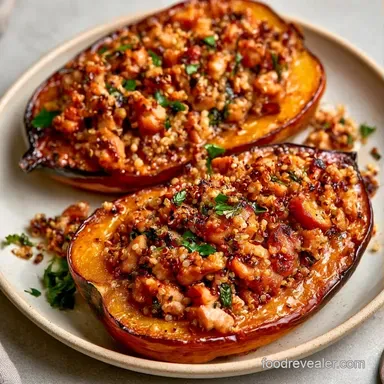
Nutrient-Dense Roasted Stuffed Acorn Squash
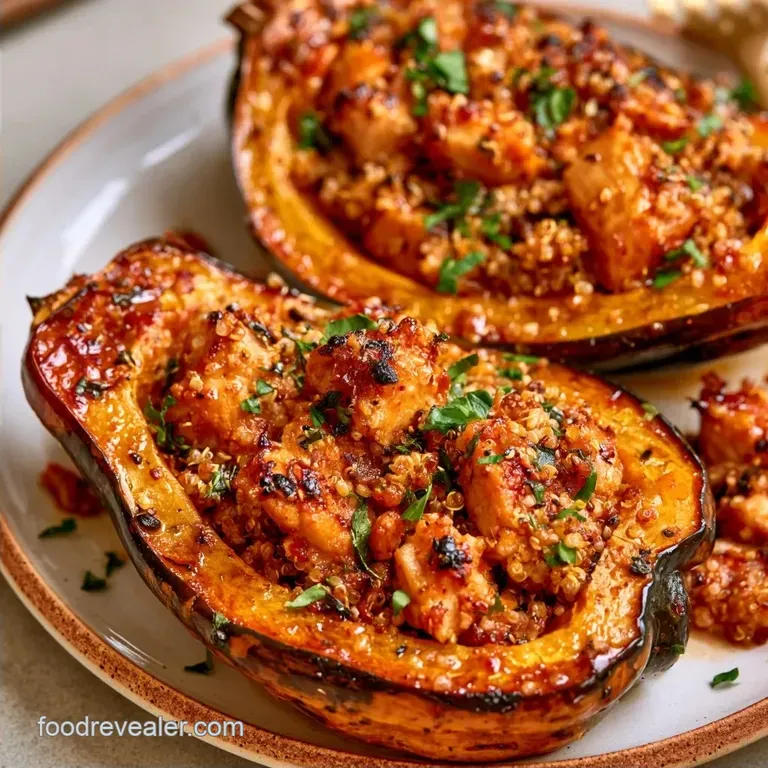
- Time: 20 min active + 50 min cooking
- Flavor/Texture Hook: Savory turkey and tart apple atop a tender, buttery squash base
- Perfect for: A nutrient dense weeknight dinner or a comforting autumn meal
Stop treating acorn squash as a mere decorative centerpiece for holiday tables. There is a common misconception that these require hours of roasting or tedious peeling to be palatable, but that is simply not the case. The skin actually serves as a vital structural tool that prevents the squash from collapsing.
I used to treat squash as a side thought, often ending up with a filling that was perfectly done while the vegetable was still hard enough to resist a fork. That changed when I began roasting the shells cut-side down first. This creates a natural seal and concentrates the sugars, resulting in a rich, mahogany finish.
This dish balances several contrasting flavors. You get the inherent sweetness of the roasted gourd, the saltiness of turkey sausage, and a bright pop of apple cider vinegar to cut through the richness. It is a complete meal that looks sophisticated but feels like a warm hug.
Roasted Stuffed Acorn Squash Guide
The secret to success is the two-phase heating method. By roasting the squash shells on their own initially, the natural pectins break down without the filling blocking the heat.
- Pre Roasting
- Preparing the shell first ensures the flesh is tender and buttery before the filling is added.
- Grain Hydration
- Using vegetable broth instead of plain water to simmer the quinoa imparts a savory depth from the start.
- Acid Balance
- Stirring in vinegar at the end offsets the richness of the sausage and the sweetness of the apple.
Here is a comparison between this technique and the traditional approach.
| Method | Prep Time | Texture | Best For |
|---|---|---|---|
| Fast (Microwave Pre cook) | 30 mins | Softer, less char | Weeknight rush |
| Classic (Full Oven Roast) | 70 mins | Caramelized, firm shell | Dinner parties |
The Texture Trick
When you're picking your produce, look for squashes that feel heavy for their size. This usually means they have a higher moisture content and will roast more evenly.
The Lacinato kale is a specific choice here. Unlike curly kale, Lacinato (or dinosaur kale) has a flatter leaf that wilts quickly into the quinoa without becoming a tangled mess of stems. It adds a deep, earthy bitterness that balances the Granny Smith apple.
If you want to lean into more flavor pairings, I've found that a touch of smoked paprika in the sausage browning stage adds a depth that mimics a wood fired oven. It's a small tweak, but it changes the whole profile.
Gathering Your Essentials
The balance of this dish depends on using ingredients that provide different sensory hits. You have the "earthy" (quinoa, kale), the "sweet" (squash, apple), and the "savory" (turkey sausage, garlic).
| Ingredient | Role | If You Don't Have It |
|---|---|---|
| Acorn Squash | Vessel & Base | Butternut squash (cut into halves) |
| Turkey Sausage | Primary Protein | Plant based sausage (same amount) |
| Quinoa | Texture & Bulk | Brown rice or farro |
| Lacinato Kale | Bitter Contrast | Spinach or Swiss chard |
I highly recommend rinsing your quinoa under cold water for at least 30 seconds. This removes the saponin, a natural coating that can make the grain taste soapy or bitter.
Recipe Specs
You don't need a professional setup, though a few key items will make the job easier. A sharp chef's knife is a must for slicing through the hard skin of the acorn squash.
- Rimmed baking sheet (to contain any oil spills)
- Parchment paper (to stop the squash from sticking)
- Medium saucepan with a tight lid
- Large skillet or sauté pan
- Small brush for oiling
If you have a choice, use a stainless steel or cast iron skillet. Non-stick is an option, but you won't get those browned bits of sausage (the fond) that add so much depth to the final dish.
Necessary Kitchen Gear
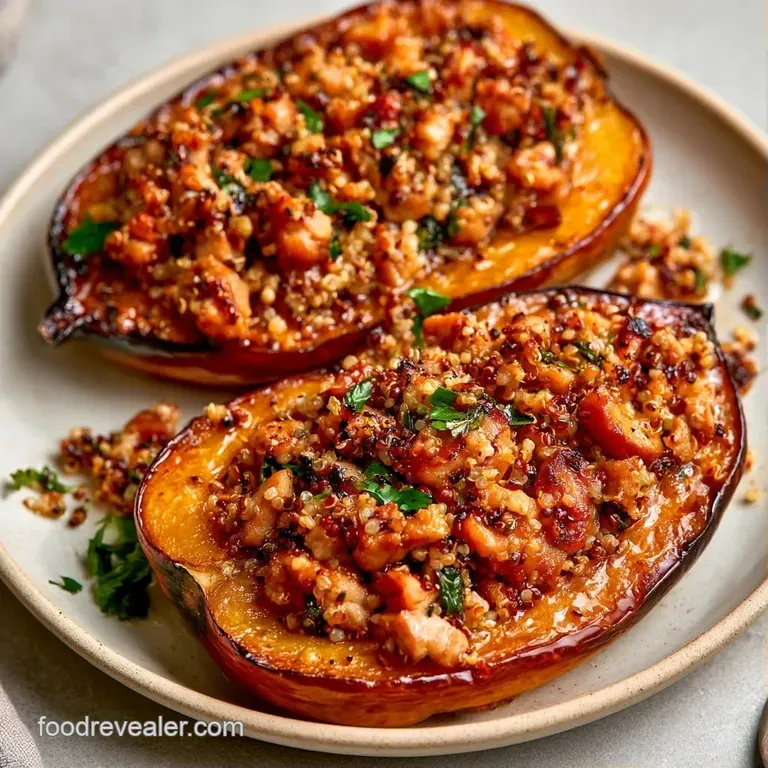
Now, let's get started with the actual cooking. Pay attention to the aromas, as they are the best sign of when it's time to move to the next step.
- Set your oven to 400°F (200°C). Slice the squashes in half lengthwise and remove the seeds.
- Coat the inside and rims of the squash with olive oil, then season with salt and pepper. Note: Oiling the rim helps prevent the skin from cracking or drying out.
- Place the squash cut-side down on a parchment lined baking sheet and roast for 25–30 minutes until the flesh yields easily to a finger press. A sweet, toasted aroma will fill your kitchen.
- While roasting, combine 1 cup uncooked quinoa and 2 cups vegetable broth in a pot. Bring to a boil, then cover and simmer for 15 minutes until the liquid is absorbed and the quinoa is fluffy.
- In a skillet over medium heat, brown 1 lb lean ground turkey sausage until it is no longer pink and slightly crisp.
- Add 1 diced yellow onion and 1 diced Granny Smith apple. Sauté for 5-7 minutes until the onion becomes translucent and apple edges brown.
- Stir in 3 minced garlic cloves, 1 tsp dried thyme, and 3 cups chopped kale. Cook for 3–4 minutes until the kale is wilted and a deep forest green.
- Mix in the cooked quinoa, 1 tbsp apple cider vinegar, and 2 tbsp fresh parsley. The smell of vinegar hitting the hot pan should be sharp and bright.
- Stuff the roasted squash shells with the mixture and serve immediately.
Chef's Note: For a bit more zest, stir in a teaspoon of Dijon mustard along with the vinegar. This adds a creamy tang that pairs well with the turkey.
The Cooking Process
Despite your best efforts, a few issues may pop up. Most often, these result from temperature fluctuations or moisture imbalances.
If the filling is too runny, the apples may have released excess juice or the quinoa was over hydrated. To correct this, simmer the mixture uncovered for an additional two minutes to let the extra liquid evaporate.
When the squash remains firm, it is usually due to a low oven temperature or an especially dense vegetable. Simply roast them for another 5-10 minutes. Use a paring knife to test the thickest part of the shell.
Tough kale usually happens if the center ribs weren't removed. Because those woody stems won't soften during a brief sauté, always strip the leaves from the stems before they hit the pan.
| Problem | Root Cause | Solution |
|---|---|---|
| Filling is too dry | Not enough broth or overcooked quinoa | Stir in 2 tbsp vegetable broth |
| Squash is still firm | Under roasted or oven temp too low | Roast 10 more mins at 400°F |
| Kale is too tough | Stems were left in the leaves | Remove center ribs before chopping |
| Filling tastes bland | Lack of acid or salt | Add a squeeze of lemon or more vinegar |
Fixing Common Problems
Let's clear up a few things people often get wrong. First, you don't need to peel the acorn squash. The skin is edible and acts as a natural bowl. Trying to peel a raw acorn squash is a nightmare and completely unnecessary.
Another myth is that you should stuff the squash before roasting. If you do this, the filling often burns or dries out before the squash is actually cooked through. The two stage process is the only way to go.
Some people think quinoa is the only "healthy" option here. While it's great, you can use farro for a chewier texture. Just keep in mind that farro takes longer to cook than 15 minutes.
For those who like a little extra, this Roasted Stuffed Acorn Squash is great when paired with a tart side. I usually serve this with a homemade orange cranberry sauce to bring out the sweetness of the squash.
Storage and Waste
Place any remaining portions in an airtight glass jar in the refrigerator for up to 3 days. Since the quinoa continues to soak up moisture from the squash while stored, it may be slightly softer once warmed.
To reheat, skip the microwave to prevent the squash from becoming gummy. Instead, warm the stuffed halves at 350°F (180°C) for roughly 10-15 minutes, which helps the edges of the filling stay slightly crisp.
Don't throw away the squash seeds! Scoop them out, rinse, pat dry, and coat them with salt and oil. Roast them at 325°F (160°C) for 15 minutes for a savory snack. It's a perfect way to achieve zero waste in your kitchen.
Pairing Suggestions
To balance this filling dish, opt for sides that offer a bright, tangy contrast. An arugula salad tossed in lemon dressing is an excellent choice, as its peppery bite offsets the richness of the turkey sausage.
For a heartier side option, consider a medley of roasted root vegetables. Honey- and cumin glazed carrots and parsnips pair beautifully with the seasonal flavors of the squash.
To drink, a light Pinot Noir or a crisp dry cider works perfectly. The cider's acidity echoes the apple within the filling, whereas the Pinot Noir highlights the earthy qualities of the quinoa and kale.
Ways to Swap
Depending on your diet, you can tweak this Roasted Stuffed Acorn Squash without losing the core vibe.
Vegan Stuffed Acorn Squash
Swap the turkey sausage for a crumbled tempeh or a plant based sausage. Use a splash of soy sauce or tamari in the sauté stage to replace the umami provided by the meat. This keeps the dish savory and satisfying.
The Keto Friendly Swap
If you're avoiding grains, replace the quinoa and broth with cauliflower rice. Sauté the cauliflower rice with the onions and apples for about 5 minutes. Note that cauliflower releases more water, so you might need to cook it a bit longer to avoid a soggy filling.
The Mediterranean Twist
Replace the thyme with oregano and add some crumbled feta cheese and kalamata olives to the filling. This version works great if you swap the apple for sundried tomatoes. If you enjoy this style, you might also like a Sausage Stuffed Acorn Squash for a different take on the base.
Nutty Crunch Addition
Fold in 1/4 cup of toasted pecans or walnuts during the final step. The crunch provides a great contrast to the soft squash and fluffy quinoa. For an Asian fusion twist, try toasted sesame seeds and a drizzle of miso maple glaze on top before serving.
Decision Shortcut:
- Extra tang? → add 1 tsp lemon zest
- More depth? → add 1/2 tsp smoked paprika
- Nutty flavor? → swap quinoa for farro
Right then, you've got everything you need. This Roasted Stuffed Acorn Squash is a reliable, nutrient dense meal that actually tastes as good as it looks on the plate. Just remember to roast those shells first, and you're golden.
Recipe FAQs
Is it true that acorn squash must be roasted at 350°F for it to be tender?
No, this is a common misconception. Roasting at 400°F (200°C) creates a better texture and cooks faster.
Tip: use parchment paper on your baking sheet to prevent the skin from sticking.
What is the roasting time for the shells?
Roast the halved shells cut-side down for 25 30 minutes.
Tip: check for tenderness with a fork before adding the filling.
Which ingredients make the best stuffing?
Combine cooked quinoa, browned turkey sausage, sautéed apple, onion, kale, and garlic.
Tip: if you loved the sweet tart balance here, see how we use the same acid technique in our tomato bruschetta.
How do I cook an acorn squash?
Halve the squash lengthwise, scoop out the seeds, brush with olive oil, and roast cut-side down.
Tip: season the interior and rims with salt and pepper before roasting to enhance the natural sweetness.
Roasted Stuffed Acorn Squash