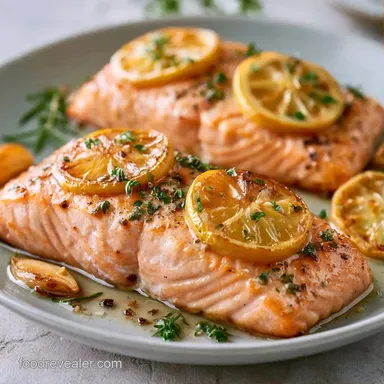
Simple Baked Salmon Fillets with Lemon
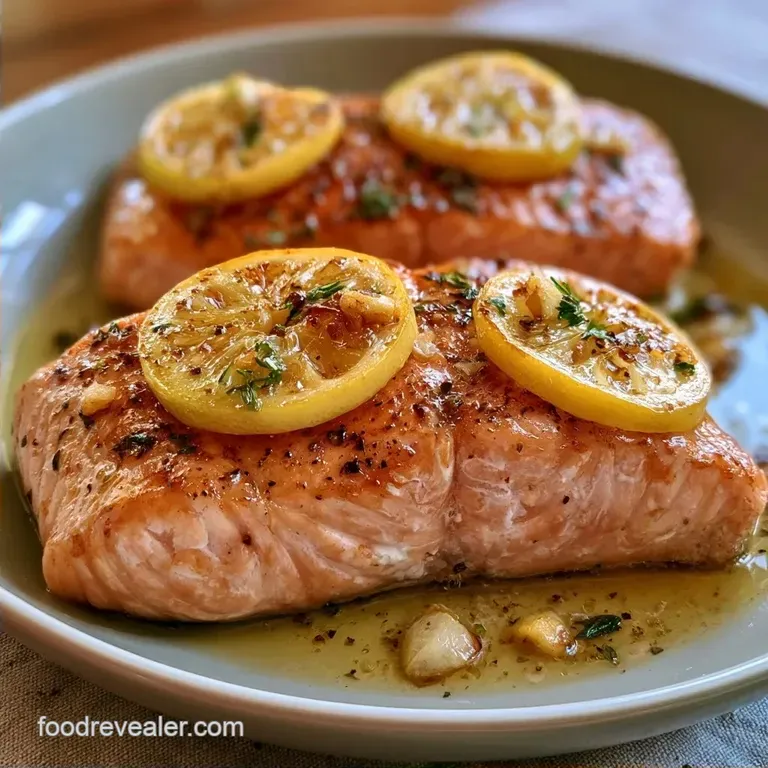
- Time: 5 min active + 15 min roasting
- Flavor/Texture Hook: Flaky, moist fish with charred lemon brightness
- Perfect for: Busy weeknights or low effort meal prep
The smell of roasting lemon and garlic hitting a hot oven is one of my favorite kitchen scents. It's bright, savory, and tells me dinner is actually going to be ready in twenty minutes.
I used to struggle with salmon, often ending up with that weird white protein leaking out everywhere , worse, fish that tasted like a cardboard box.
The real hero here is the lemon. Most people just squeeze juice over the fish at the end, but slicing it into rounds and baking them right on top changes everything. The heat softens the lemon, mellows the acidity, and infuses the fillets with a concentrated citrus oil that cuts through the richness of the salmon.
You can expect a meal that's tender and flakes easily with a fork. These Simple Baked Salmon Fillets don't need a bunch of fancy ingredients to taste great. We're focusing on a few high impact flavors and a roasting method that keeps the moisture locked in.
Simple Baked Salmon Fillets
To get this right, you need a hot oven and very dry fish. If the fillets are damp when they hit the pan, they steam instead of roasting. I've learned the hard way that spending thirty seconds with a paper towel is the difference between a soggy fillet and one with a nice, roasted exterior.
Most home cooks overcook salmon because they wait until it looks "done" in the oven. The trick is pulling it out a few degrees early. According to USDA FoodData, fish is safe at 145°F, but if you leave it in until it hits that number, the carryover heat will push it to 155°F, leaving you with dry fish.
Right then, let's look at why this specific method works so well.
Why the Texture Works
- The Dry Start: Patting the skin and flesh dry removes surface moisture. This lets the oil sear the surface quickly rather than boiling it in steam.
- High Heat Roasting: 400°F cooks the outside fast. This creates a barrier that protects the delicate interior from drying out.
- Carryover Cooking: Removing the fish at 135°F allows the internal temperature to rise naturally. It reaches the safe mark without the fibers tightening and squeezing out juices.
The difference between a quick roast and a slow bake is mainly about the moisture.
| Method | Roasting Time | Texture | Best For |
|---|---|---|---|
| Fast Roast (400°F) | 12-15 mins | Firm exterior, moist center | Weeknight dinners |
| Slow Bake (325°F) | 20-25 mins | Uniformly soft, less color | Large batches |
Once the heat is set and the pan is ready, we can look at what's actually going into the dish.
What Each Ingredient Does
| Ingredient | What It Does | Best Swap |
|---|---|---|
| Olive Oil | Conducts heat and prevents sticking | Melted butter (richer flavor) |
| Lemon Slices | Adds acidity and protects the top | Lime slices (zestier) |
| Garlic | Provides a savory, aromatic base | Garlic powder (less punchy) |
| Fresh Parsley | Adds a clean, grassy finish | Fresh dill (more traditional) |
Gathering Your Essentials
For the salmon, you'll want skin on fillets. The skin acts as a heat shield, keeping the bottom of the fillet from overcooking while the top roasts.
For the Salmon
- 4 (6 oz / 170g) salmon fillets, skin onWhy this? Skin protects the fish from direct pan heat
- 1 tsp (6g) kosher salt
- ½ tsp (1g) freshly cracked black pepper
For the Lemon Herb Topping
- 2 tbsp (30ml) extra virgin olive oilWhy this? High smoke point for roasting
- 1 large lemon, thinly sliced into rounds
- 2 cloves (6g) garlic, minced
- 1 tbsp (4g) fresh parsley, finely chopped
- ½ tsp (1g) dried oregano
Tools You Need
You don't need a professional kitchen for this. A standard rimmed baking sheet is the only requirement. I always use parchment paper because it makes cleanup a breeze. If you have a digital meat thermometer, use it. It's the only way to be 100% sure you aren't overcooking your dinner.
Chef's Note: If you don't have parchment paper, grease the pan heavily with oil. Salmon skin loves to cling to metal, and you don't want to tear the fillet while serving.
Step by step Cooking
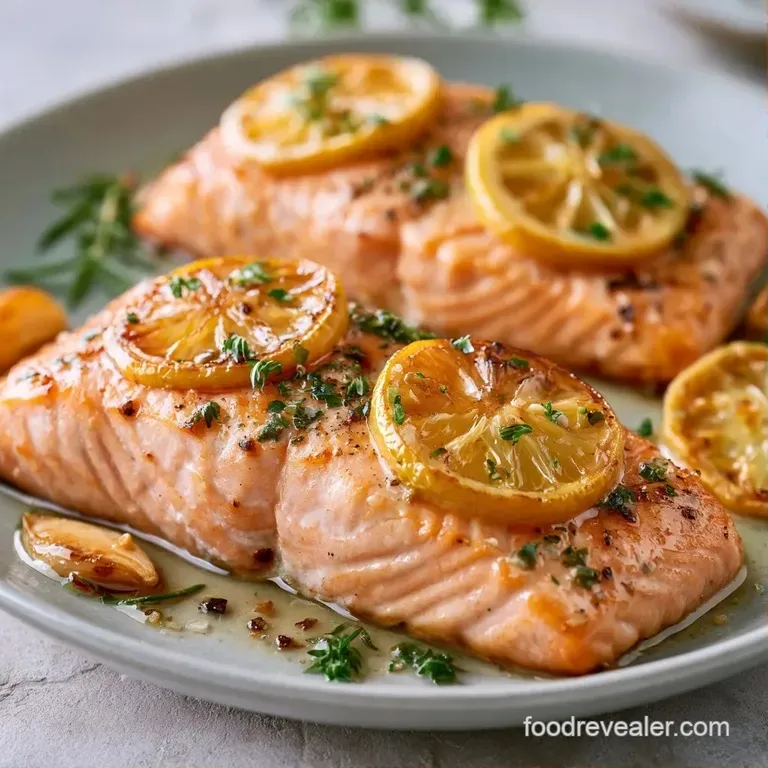
- Preheat oven to 400°F (200°C) and line a large rimmed baking sheet with parchment paper.
- Pat each salmon fillet completely dry on all sides with paper towels and place them skin side down on the parchment paper. Note: Wet fish won't brown
- In a small bowl, whisk together the olive oil, minced garlic, parsley, and oregano.
- Drizzle the herb oil mixture evenly over the fillets, ensuring total coverage, and season with salt and black pepper.
- Place 1-2 lemon slices on top of each fillet. Note: This keeps the top moist
- Roast for 12–15 minutes until the flesh is opaque pink and the internal temperature reaches 135°F (57°C).
- Remove from oven and let the fish rest for 5 minutes.
- Check the final temperature; residual heat will carry the internal temperature to 145°F (63°C).
Fixing Common Issues
If your salmon comes out looking a bit off, it's usually a temperature or moisture problem. For instance, the white stuff (albumin) that sometimes leaks out is just protein. It's harmless, but it usually means the fish cooked too fast or was frozen and thawed poorly.
Why is my salmon dry?
This happens when the internal temp goes past 145°F. Even a couple of minutes too long can ruin the texture. Use a thermometer and pull the fish out early.
The skin is sticking
If the skin tears, you likely didn't use enough oil or the pan wasn't hot enough. Make sure the oil coats the bottom of the fillet and the pan.
Uneven cooking across fillets
If some fillets are raw and others are done, your pieces aren't the same thickness. Use a spatula to slightly flatten thicker parts or arrange the smaller fillets toward the edges of the pan.
| Problem | Root Cause | Solution |
|---|---|---|
| Dry Fish | Overcooked/High temp | Pull at 135°F internal temp |
| Stuck Skin | Not enough oil/Low heat | Use parchment and more oil |
| Albumin Leak | Overheating | Lower temp by 25°F next time |
For more on precision cooking, Serious Eats has a great breakdown on fish temperatures.
Scaling for More People
Making a few more Simple Baked Salmon Fillets is easy, but don't just crowd the pan. If the fillets are touching, they'll steam instead of roast, and you'll lose that nice edge.
Scaling Down (1-2 fillets): Use a smaller baking sheet. Reduce the roasting time by about 2 minutes since there's less mass in the oven absorbing the heat.
Scaling Up (8+ fillets): Work in batches or use two separate pans. Keep the salt and spices to about 1.5x rather than doubling them, as the flavors can concentrate. If using two racks in the oven, rotate the pans halfway through the 15 minutes to ensure even browning.
If you want a different protein with a similar vibe, my baked cod recipe is another great low tool option.
Salmon Cooking Myths
A lot of people think you have to sear salmon in a pan first to "seal in the juices." This isn't true. Searing adds flavor and color, but it doesn't stop moisture from leaving the fish. Roasting at 400°F gives you a similar result with way less kitchen chaos.
Another myth is that you should cook salmon until it's a uniform light pink. If you do that, you've overcooked it. The center should still be a slightly deeper pink for the best texture. Simple Baked Salmon Fillets are best when they are just barely opaque in the middle.
Storage and Waste
Fridge and Freezer Store leftovers in an airtight container in the fridge for up to 3 days. To reheat, don't use the microwave, it turns salmon into rubber. Instead, put it in a 275°F oven for 5-10 minutes or flash sear it in a pan with a bit of butter.
Salmon doesn't freeze well once cooked, so it's better to eat these fresh.
Zero Waste Tips Don't toss the lemon ends or the parsley stems. Throw the lemon scraps into your compost or use them to infuse vinegar. If you have leftover herb oil in the bowl, drizzle it over some roasted potatoes or toss it with a quick salad.
Pairing and Sides
Since these Simple Baked Salmon Fillets are quite rich, you want sides that provide a crunch or a sharp contrast. A bright, vinegar based side works best. I highly recommend serving this with a creamy coleslaw to balance the roasted flavors.
If you're looking for something warmer, steamed asparagus or sautéed spinach with a squeeze of lemon matches the profile. For a low carb option, roasted cauliflower florets seasoned with the same oregano and garlic work well.
Flavor Variations
If you want to change the vibe of your Simple Baked Salmon Fillets, you can swap the topping easily.
- Honey Garlic Glaze: Mix 1 tbsp honey with the garlic and oil. It browns faster, so keep a close eye on it to avoid burning the sugar.
- Pesto Crusted: Spread a thin layer of store-bought pesto over the fillets instead of the herb oil. Skip the oregano.
- Keto Friendly Swap: This recipe is already keto, but you can add a dollop of herb butter on top during the last 3 minutes of baking for extra fat and flavor.
- Vegan Alternative: Use a firm tofu block, press it well to remove water, and follow the same oil and lemon steps. Increase the bake time to 20 minutes.
Once you've got the timing down for these Simple Baked Salmon Fillets, you can experiment with any herb you have in the fridge. The method remains the same: dry the fish, use high heat, and pull it out early.
Recipe FAQs
Is it better to bake salmon at 350 or 400 in the oven?
400°F (200°C) is ideal. This higher temperature ensures the edges roast properly while keeping the center moist.
How long does it take to bake 3 lb of salmon?
Bake for 20–25 minutes. Larger cuts require more time to reach the safe internal temperature of 135°F (57°C).
How to bake salmon steaks in an oven?
Follow the same steps but increase roasting time by 3–5 minutes. Steaks are typically thicker than fillets and need more heat to cook through.
How to bake salmon in foil in an oven?
Wrap the seasoned fillets in foil packets. This steams the fish and locks in moisture. If you mastered the temperature precision here, apply those same cues to our banana nut bread for perfect results.
Is baked salmon good for cholesterol?
Yes, it is highly beneficial. Salmon is rich in omega-3 fatty acids, which help lower bad cholesterol levels.
How to cook salmon for a diabetic?
Prepare the fillets using only olive oil, lemon, and herbs. Avoid adding sugary glazes to keep the glycemic index low.
Is it true that baking salmon always makes it dry?
No, this is a common misconception. Pulling the fish at 135°F (57°C) and allowing it to carry over to 145°F (63°C) keeps it succulent.
Simple Baked Salmon Fillets in 20 Mins