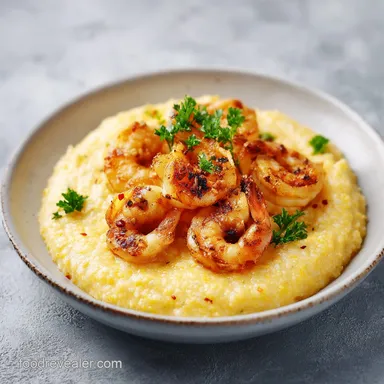
Authentic Southern Shrimp and Grits: Creamy and Smoky
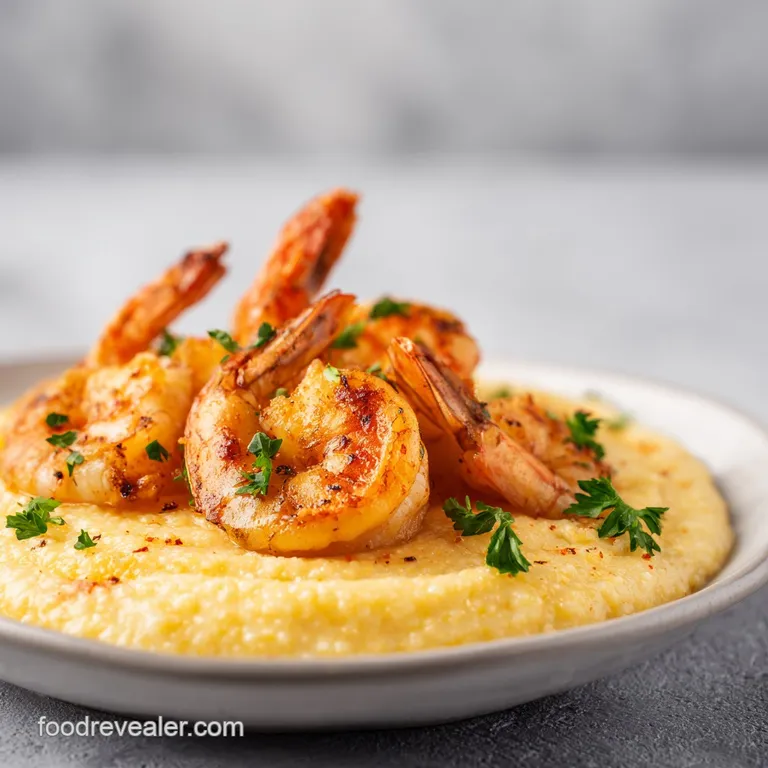
- Time: 10 min active + 20 min cooking = Total 30 mins
- Flavor/Texture Hook: Velvety, buttery grits topped with smoky, mahogany seared shrimp
- Perfect for: A cozy weekend brunch or a hearty family dinner that feels special
- Authentic Southern Shrimp and Grits Recipe
- The Secret to Velvety Grits
- Component Analysis and Science
- Essential Recipe Specifications
- Step-by-Step Cooking Guide
- Troubleshooting Common Grits Issues
- Taste Variations and Swaps
- Adjusting the Recipe Size
- Storage and Waste Tips
- Best Side Dish Pairings
- Common Kitchen Myths
- Critical Sodium Level
- Recipe FAQs
- 📝 Recipe Card
That sharp, salty pop of bacon hitting a hot cast iron pan is a sound that always takes me back to my first real attempt at this dish. I remember trying to impress my father in-law with a version I found online, but I used instant grits because I was in a rush.
When I served it, he took one look at the texture and told me, "Honey, this looks like wallpaper paste." He wasn't trying to be mean, but he was right. Real Southern cooking is about patience and the right ingredients, not shortcuts.
I spent the next few months learning that the "secret" isn't some hidden spice, but the grit itself. Once I switched to stone ground white grits and stopped rushing the simmer, everything changed. The texture shifted from a mushy paste to something velvety and rich. This authentic southern shrimp and grits recipe is the result of those lessons, focusing on the contrast between the creamy base and the charred, savory shrimp.
You can expect a dish that hits every part of your palate. We have the richness of whole milk and cheddar, the smoke from thick cut bacon, and a bright hit of lemon to cut through the fat. It is a comfort classic that satisfies the soul without feeling too heavy, provided you get the sear on the shrimp just right.
Authentic Southern Shrimp and Grits Recipe
When you're making an authentic southern shrimp and grits recipe, the magic happens in the contrast. You have the slow cooked, creamy grits acting as a cushion for the aggressive, smoky flavors of the shrimp and bacon. It's a balance of rich and bright, soft and charred.
Many people make the mistake of overcooking the shrimp or under seasoning the grits. If the grits are bland, the whole dish feels disconnected. If the shrimp are rubbery, you lose that satisfying snap. This recipe ensures both components are handled with care, giving you that low country feel right in your own kitchen.
The beauty of this dish is how it transforms simple ingredients into something that feels like a feast. It's not about being fancy, it's about doing the basics perfectly. Let's get into how we make this happen.
The Secret to Velvety Grits
Since we're aiming for an authentic southern shrimp and grits recipe, we have to talk about why the process works the way it does. It's all about the starch and the heat.
Starch Release: Stone ground grits release their starch slowly, which creates a natural creaminess without needing heaps of extra thickeners. This slow release is why they take longer to cook than the instant stuff.
Fat Integration: Adding butter and cheese at the very end prevents the fats from separating during the boil. This keeps the texture glossy and smooth.
Liquid Ratio: Using a mix of milk and broth provides a layer of savory depth that water just can't match. The proteins in the milk help soften the corn grains for a more tender bite.
Searing Mechanism: When shrimp hit a over high heat pan, they develop a mahogany crust. According to Serious Eats, this occurs when the proteins and sugars on the surface brown, creating a complex savory flavor.
| Method | Time | Texture | Best For |
|---|---|---|---|
| Stovetop | 30 mins | Velvety & Glossy | Classic dinner service |
| Oven Baked | 60 mins | Dense & Custard like | Large crowds/Casseroles |
Component Analysis and Science
Every ingredient in an authentic southern shrimp and grits recipe serves a specific purpose. It's not just about taste, it's about how they interact on the plate.
| Ingredient | Science Role | Pro Secret |
|---|---|---|
| Stone Ground Grits | Structure & Starch | Rinse them quickly to remove excess dust |
| Whole Milk | Emulsification | Use full fat for a silkier mouthfeel |
| Thick Cut Bacon | Flavor Base/Fat | Start in a cold pan for maximum render |
| Lemon Juice | Acidity | Add at the very end to keep the flavor bright |
Essential Recipe Specifications
To get this right, you need a few specific items. You don't need a professional kitchen, but a couple of tools make a huge difference in the final result.
The Pan: A heavy bottomed saucepan is non negotiable for the grits. If you use a thin pot, the milk will scorch on the bottom, and you'll have burnt bits in your creamy base.
The Skillet: A cast iron skillet is the gold standard here. It holds heat better than stainless steel, which is how you get that deep brown sear on the shrimp without overcooking the centers.
The Whisk: Use a sturdy whisk for the grits. You need to keep those grains moving during the first few minutes to ensure there are no lumps.
The Slotted Spoon: Essential for removing the bacon bits while leaving every single drop of that liquid gold (the bacon fat) in the pan for the shrimp.
Step-by-step Cooking Guide
Right then, let's get to the actual cooking. I've broken this down into phases so you can manage your time. The goal is to have the grits finished just as the shrimp come off the heat.
Phase 1: Simmering the Creamy Grits
- Combine whole milk, chicken broth, and salt in your heavy saucepan. Heat over medium until you see small bubbles forming around the edges. Note: Don't let it reach a rolling boil or the milk might curdle.
- Slowly whisk in the stone ground grits. Immediately reduce the heat to low and cover the pot.
- Simmer for 20-25 minutes. Whisk every 5 minutes until the mixture is thick and velvety.
- Stir in the unsalted butter and shredded cheddar cheese. Mix until the cheese is completely melted and the grits look glossy. Set them aside, keeping the lid on to hold the heat.
Phase 2: Rendering the Smoky Base
- Place your diced bacon into a cold cast iron skillet. Turn the heat to medium. Fry until the bacon bits shatter when touched and the fat is fully rendered.
- Use a slotted spoon to remove the bacon bits. Set them on a paper towel, but keep all that rendered fat in the skillet.
Phase 3: Searing the Shrimp
- Crank the heat to medium high. Toss in the diced onion and red bell pepper. Sauté for 4 minutes until the onions are translucent and slightly browned.
- Stir in the minced garlic, smoked paprika, and cayenne pepper. Cook for just 30 seconds until the spices smell fragrant.
- Add the shrimp in a single layer. Let them sit undisturbed for 2 minutes per side until a mahogany crust forms and they curl into a 'C' shape. Note: If they curl into an 'O', they're overcooked!
Phase 4: Final Assembly
- Drizzle the fresh lemon juice over the shrimp and stir in the chopped parsley.
- Spoon a generous portion of your creamy grits into bowls. Top with the shrimp, peppers, and onions.
- Sprinkle the crispy bacon bits and sliced green onions on top.
Chef's Note: If you find your grits are thickening too fast while you're searing the shrimp, just whisk in a splash of warm milk or broth right before serving. It brings back that silky flow.
Troubleshooting Common Grits Issues
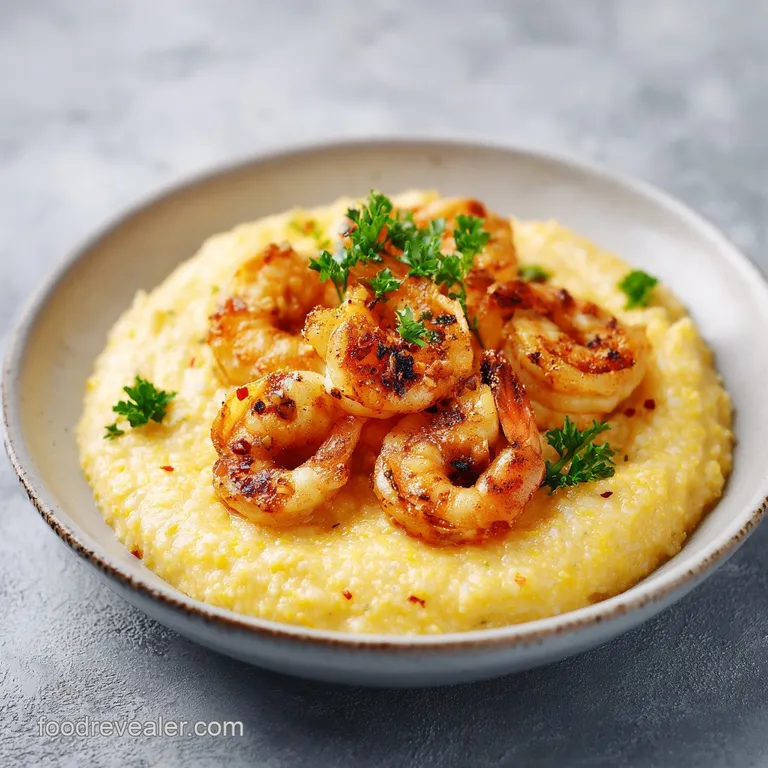
Even with an authentic southern shrimp and grits recipe, things can go sideways. Most of the time, it's a matter of temperature or timing.
| Issue | Solution |
|---|---|
| Why Your Grits Are Lumpy | Lumps happen when the grits are dumped in too quickly or not whisked enough at the start. The starch clumps together and creates "beads" that won't break down. |
| Why Your Shrimp Are Rubbery | This is usually caused by overcrowding the pan. If the shrimp are too close together, they steam in their own juices instead of searing. You'll get a grey, rubbery texture instead of a crisp crust. |
| Why Your Dish Lacks Punch | If the final result tastes "flat", you're likely missing acidity. The lemon juice is what wakes up the heavy cream and butter, creating a balanced bite. |
Common Mistakes Checklist
- ✓ Did you start the bacon in a cold pan?
- ✓ Did you whisk the grits during the first 5 minutes?
- ✓ Did you avoid moving the shrimp during the first 2 minutes of searing?
- ✓ Did you add the lemon juice only at the very end?
- ✓ Did you use stone ground rather than instant grits?
Taste Variations and Swaps
One of the best things about this authentic southern shrimp and grits recipe is how it adapts. Depending on what's in your fridge, you can shift the vibe.
If you want a bit more kick, you can swap the cheddar for Pepper Jack cheese. It adds a subtle heat that permeates the grits. For a deeper, nuttier flavor, try Gruyère, though that moves it slightly away from the traditional Southern feel.
For those who want a seafood alternative, you could replace the shrimp with seared scallops. Since scallops require an even higher heat to get a crust, make sure your skillet is smoking slightly before they hit the pan. If you're in the mood for something different entirely, you might enjoy my Classic New England Clam Chowder for another comforting seafood experience.
| Original Ingredient | Substitute | Why It Works |
|---|---|---|
| Whole Milk (2 cups) | Heavy Cream (1 cup) + Water (1 cup) | Similar fat content. Note: Richer taste but can be too heavy |
| Sharp Cheddar | Pepper Jack | Adds spice. Note: Melts similarly but changes flavor profile |
| Chicken Broth | Vegetable Broth | Maintains savory depth. Note: Works for vegetarians if bacon is omitted |
| Smoked Paprika | Ancho Chili Powder | Adds earthiness. Note: Slightly sweeter and less smoky |
If you're looking for a faster prep, you can use "quick grits," but be warned: you'll lose that velvety stone ground texture. You'll need to reduce the simmering time to about 5-7 minutes, but I honestly recommend sticking to the real deal if you have the time.
Adjusting the Recipe Size
Scaling an authentic southern shrimp and grits recipe isn't always a straight multiplication. Some things don't scale linearly.
Scaling Down (Half Portion): When cutting the recipe in half, use a smaller saucepan. Because there is less liquid, it will evaporate faster, so you might need to add an extra 1/4 cup of milk. Reduce the simmer time by about 20%, but keep an eye on the texture.
Scaling Up (Double or Triple): If you're feeding a crowd, don't just double the spices. Start with 1.5x the cayenne and smoked paprika, then taste and adjust. If you double the shrimp, you MUST work in batches.
If you crowd the pan with 2 lbs of shrimp, you'll end up with a shrimp boil rather than a sear.
The Baking Alternative: If you decide to bake the grits in the oven for a party, lower the temp to 325°F (160°C) and extend the time to about an hour. This creates a more custard like consistency that holds up better in a buffet setting.
Storage and Waste Tips
I'm a big believer in zero waste, especially with seafood. An authentic southern shrimp and grits recipe provides some great opportunities to save ingredients.
Storage Guidelines: Store the grits and the shrimp mixture in separate airtight containers in the fridge for up to 3 days. If you store them together, the grits will absorb all the sauce and become a thick paste.
Reheating Tips: The best way to reheat grits is on the stove over low heat with a splash of milk. For the shrimp, a quick flash in a hot pan for 60 seconds is better than the microwave, which will make the shrimp rubbery.
Freezing: I don't recommend freezing the grits, as the starch breaks down and they become grainy. However, you can freeze the cooked shrimp and bacon mixture for up to 2 months.
Zero Waste Hacks: Don't throw away those shrimp shells! Toss them into a pot with some onion scraps and water, simmer for 30 minutes, and you have a quick seafood stock. You can use this stock in place of the chicken broth next time you make this recipe for an even deeper ocean flavor.
Best Side Dish Pairings
Because this authentic southern shrimp and grits recipe is so rich, you need sides that offer a contrast in texture or a burst of freshness.
A crisp, vinegary coleslaw is the classic choice here. The acidity of the vinegar cuts through the butter and cheese of the grits, cleansing your palate between bites. A side of sautéed garlicky kale or collard greens also adds a necessary bitterness that balances the smokiness of the bacon.
For something more filling, you absolutely cannot go wrong with my Southern homemade biscuits. The flaky layers are the perfect vehicle for scooping up any leftover shrimp sauce from the bottom of the bowl.
If you want to keep it light, a simple sliced tomato salad with a drizzle of balsamic glaze and some fresh basil works wonders. The brightness of the tomato mirrors the lemon in the shrimp, tying the whole meal together.
Common Kitchen Myths
There are a few things people tell you about Southern cooking that just aren't true. Let's clear those up.
Myth 1: Searing shrimp "seals in" the juices. This is a common misconception. Searing doesn't create a waterproof barrier. Instead, it creates flavor through browning.
The "juiciness" of the shrimp is actually maintained by not overcooking them pulling them off the heat the moment they hit that C shape.
Myth 2: Instant grits are just "faster" stone ground grits. Not even close. Instant grits are pre cooked and dried, which strips away much of the original corn flavor and changes the starch structure. You get speed, but you lose the velvety mouthfeel and the nutty taste of real corn.
Myth 3: You must use butter for the grits to be creamy. While butter adds flavor, the creaminess actually comes from the starch in the stone ground corn and the proteins in the milk. You can make them creamy without butter, but it won't taste nearly as comforting.
This authentic southern shrimp and grits recipe is all about respecting the process. When you stop fighting the clock and start listening to the sizzle in the pan, you get a dish that tastes like a piece of history. It's hearty, it's comforting, and it's exactly what a lazy Sunday morning was made for.
Just remember: cold pan for the bacon, patience for the grits, and never, ever let those shrimp turn into O's. Happy cooking!
Critical Sodium Level
1420 mg 1,420 mg of sodium per serving (62% 62% of daily value)
The American Heart Association recommends a limit of 2,300mg of sodium per day, with an ideal limit of 1,500mg for most adults to reduce the risk of cardiovascular disease.
Tips to Reduce Sodium
-
Swap the Broth-30%
Replace the chicken broth with low-sodium or no-salt added chicken broth to significantly lower the base sodium level.
-
Choose Leaner Bacon-25%
Substitute thick cut bacon with center cut bacon or a low-sodium turkey bacon alternative.
-
Eliminate Added Salt-25%
Completely omit the 1/2 tsp of added salt, as the cheese and broth already provide significant saltiness.
-
Adjust the Cheese-15%
Use a stronger extra sharp cheddar so you can reduce the total amount of cheese while maintaining the flavor profile.
-
Enhance Natural Flavors
Increase the smoked paprika, cayenne pepper, and fresh lemon juice to add brightness and heat without adding sodium.
Recipe FAQs
Why are my grits lumpy?
Whisk too slowly or add grits too quickly. This causes the starch to clump into "beads" that will not break down during cooking. Slowly whisking the grits into the simmering liquid is essential.
Why did my shrimp turn out rubbery?
You likely overcrowded the pan. When shrimp are too close together, they steam in their own juices instead of searing. Cook them in a single layer to ensure a proper sear.
How to reheat leftovers without them getting dry?
Reheat grits on the stove over low heat with a splash of milk. Flash fry the shrimp in a hot pan for 60 seconds to maintain texture and avoid the rubbery results of a microwave.
How to store this dish for the next day?
Keep the grits and shrimp in separate airtight containers. Storing them together allows the grits to absorb all the sauce, turning the dish into a thick paste.
Is it true that shrimp should be cooked for a long time to be safe?
No, this is a common misconception. Overcooking makes shrimp tough; sear for only 2 minutes per side until they curl into a 'C' shape.
How to get a mahogany crust on the shrimp?
Sear in a single layer on medium high heat without moving them. This allows the proteins to brown deeply. If you enjoyed achieving a specific crispiness here, see how the same focus on texture works in our sourdough crackers.
How to make the grits velvety?
Simmer on low for 20-25 minutes while whisking occasionally. Stirring in butter and sharp cheddar cheese at the end ensures a glossy, creamy finish.
Southern Shrimp And Grits