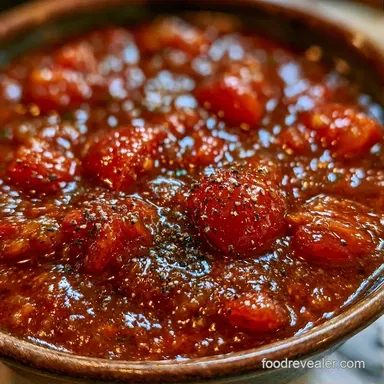
Old Fashioned Southern Tomato Gravy
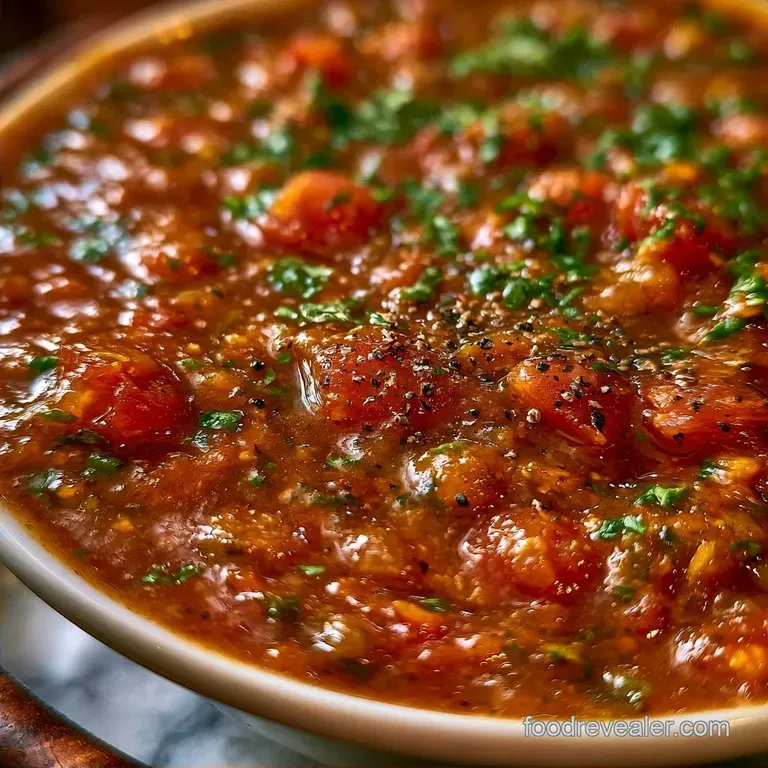
- Duration: 5 min active + 15 min cook
- Taste & Texture: Zesty and velvety with rustic tomato pieces
- Ideal for: A filling breakfast or a comforting dinner side
Easy Southern Tomato Gravy Recipe
You can tell a lot about a kitchen by the smell of butter and flour browning in a skillet. It's that warm, nutty aroma that tells you something comforting is happening. I used to think I could just stir flour into a liquid and call it a day, but that just leaves you with a raw, pasty taste that ruins the whole meal.
The hero of this dish is the canned diced tomato. While some people insist on fresh garden tomatoes, the canned version provides a consistent acidity and a concentrated juice that binds everything together.
Fresh tomatoes can be too watery or too bland depending on the month, but canned ones give this Southern Tomato Gravy its signature depth every single time.
This recipe isn't about fancy tricks, it's about building layers. We start with a simple fat and flour base, add a savory broth, and then let the tomatoes simmer until the sauce clings to whatever you're serving. It's the kind of dish that satisfies the soul and makes a house feel like a home.
Recipe Quick Specs
This is a fast process that doesn't require any specialized equipment. You just need a heavy pan and a whisk.
- Prep time:5 minutes
- Cook time:15 minutes
- Total time:20 minutes
- Yield: 8 servings
- Temperature: Medium heat for the roux, low heat for the simmer
Why This Method Works
I've spent a lot of time figuring out why some gravies turn out lumpy while others stay smooth. It mostly comes down to how the starch interacts with the fat.
- Roux Cooking: Sautéing the flour in butter for a few minutes removes the raw grain taste and creates a stable base.
- Acid Balance: Adding a tiny pinch of sugar neutralizes the sharp edge of the tomatoes, making the flavor more rounded.
- Slow Incorporation: Adding the broth gradually prevents the flour from clumping, ensuring the sauce stays glossy.
The Best Ingredients
For a great Southern Tomato Gravy, you want ingredients that provide a balance of salt, fat, and acid. The low sodium beef broth is a great choice here because it adds a meaty backbone without overpowering the tomatoes.
You can use butter for a cleaner taste, but if you have leftover bacon grease, use that instead. It adds a smoky depth that is hard to beat. The all purpose flour acts as the thickener, and the coarse black pepper gives it a slight bite that cuts through the richness.
| Original Ingredient | Substitute | Why It Works |
|---|---|---|
| Unsalted Butter | Bacon Drippings | Same fat content. Note: Adds smoky, salty notes |
| Beef Broth | Vegetable Broth | Similar consistency. Note: Lighter flavor, less hearty |
| Diced Tomatoes | Tomato Puree | Same acidity. Note: Result will be smooth, not chunky |
I usually stick with the canned diced tomatoes because they hold their shape better during the simmer. If you use puree, you lose that rustic texture that makes this a comfort classic.
Essential Kitchen Tools
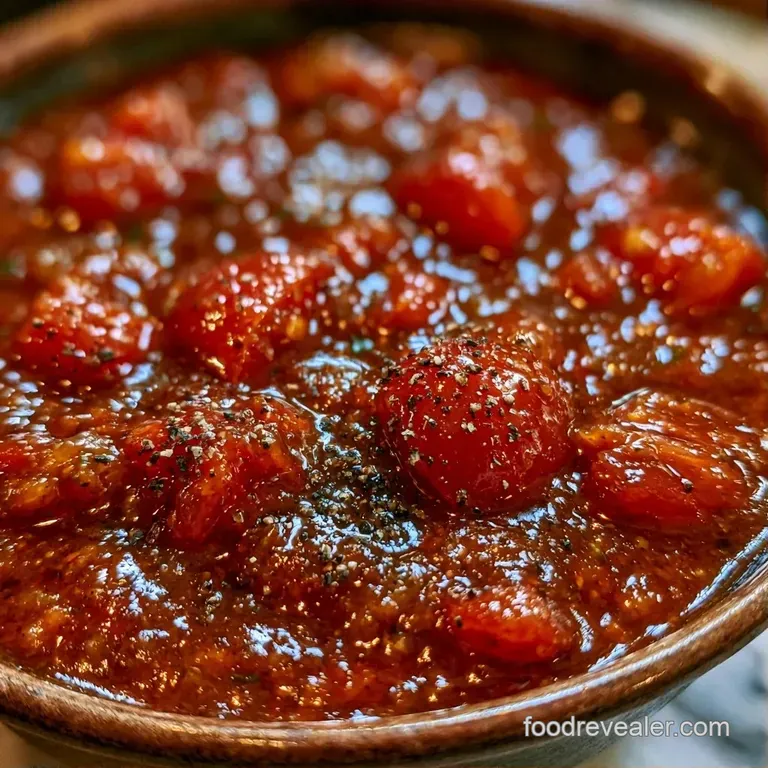
Standard kitchen equipment is all you need. Just a few basic staples will get the job done.
- Cast iron skillet: The classic choice, as it distributes heat evenly and helps prevent the roux from burning.
- Whisk: A durable wire whisk works better than a spoon for eliminating flour clumps.
- Wooden spoon: Great for stirring the tomatoes in once the gravy thickens.
- Measuring cups: Necessary for the broth and butter to ensure the ratios stay accurate.
Step by step Directions
Let's get into it. Make sure your broth is at room temperature if you can, as it helps the roux blend more easily.
- Heat the butter in your skillet over medium heat until it is completely melted and shimmering.
- Whisk in the flour steadily for 2-3 minutes. Stir constantly until the mixture bubbles and turns into a pale golden paste.
- Slowly pour in the beef broth while whisking vigorously. Do this in small splashes until the sauce is smooth and no clumps remain.
- Stir in the diced tomatoes and all the juice from the can.
- Reduce the heat to low.
- Simmer for 10-12 minutes, stirring every few minutes until the gravy thickens to a velvety consistency.
- Stir in the salt, pepper, and sugar during the final 2 minutes of cooking.
- Remove from heat immediately once the sauce coats the back of a spoon.
Chef Note: If the gravy gets too thick while simmering, just splash in a tablespoon of water or extra broth to loosen it up.
Common Issues Fixed
No matter how straightforward a recipe is, mistakes can happen. Usually, it's just a question of timing or temperature.
Fixing Lumpy Texture
Lumps occur when the flour isn't fully blended into the fat or the liquid is poured in too rapidly. If you spot clumps, stop using a spoon and switch to a whisk. If that doesn't work, simply pass the gravy through a fine mesh strainer. This is a frequent issue when the roux is rushed, unlike the silky texture of a homemade sausage gravy which uses different fats.
Correcting Excessive Tartness
Acidity levels can vary between different brands of canned tomatoes. If the gravy tastes too sharp, avoid adding more salt. Instead, stir in another pinch of sugar or a tiny knob of butter. The fat in the butter softens the acidic bite by coating the tongue.
Adjusting Thin Consistency
If your sauce is too watery, it likely hasn't simmered long enough. Give it an extra 3-5 minutes on low heat. Serious Eats' testing indicates that patience during the simmer allows starches to fully hydrate and thicken the liquid.
| Problem | Root Cause | Solution |
|---|---|---|
| Lumpy sauce | Added broth too fast | Whisk vigorously or strain |
| Too thin | Undercooked roux | Simmer 3-5 mins longer |
| Too tart | High tomato acidity | Add 1/8 tsp sugar |
| Raw flour taste | Roux not cooked enough | Cook flour 2 mins longer next time |
Saving and Reheating
This Southern Tomato Gravy keeps well, but the texture changes slightly as it cools.
Refrigeration: Store the gravy in a glass jar or airtight container for 3-4 days. According to USDA guidance, beef based sauces should be chilled quickly to maintain safety.
Freezing: You can freeze this for up to 2 months. However, the tomatoes may soften further upon thawing.
Reheating Instructions: Put the gravy back in a small saucepan over medium low heat. Add a splash of water or milk to bring back the glossy finish, as the starch tends to tighten up in the fridge.
Zero Waste Tip: If you have a little bit of leftover gravy that isn't enough for a meal, stir it into a pot of rice or use it as a base for a quick tomato soup by adding more broth and a splash of cream.
Changing Up the Flavor
Depending on what you have in the pantry, you can tweak this recipe to fit your mood.
- Adding Smoky Depth: Swap the butter for bacon grease and add a pinch of smoked paprika.
- Boosting Garden Freshness: Stir in a handful of chopped fresh parsley or basil right before serving.
- Creating a Vegan Version: Use a plant based butter substitute and vegetable broth. It still tastes great and stays just as thick.
- Lowering the Carb Count: Use a small amount of cornstarch mixed with water (a slurry) instead of flour, though the flavor will be slightly different.
This version is a dream when poured over homemade biscuits for a traditional breakfast.
Quick Tweaks:
- Extra tang? → fold in 1 tsp lemon juice
- Thicker gravy? → simmer 3 mins longer
- Richer taste? → stir in 1 tbsp heavy cream
Best Ways to Serve
Southern Tomato Gravy is incredibly versatile, making it a wonderful accompaniment to a variety of meals.
Southern Tomato Gravy and Biscuits: This is the definitive pairing. Fluffy, salted biscuits soak up the tangy gravy for a hearty and filling breakfast.
Southern Tomato Gravy and Rice: For dinner, serve this over steamed white rice. It creates a meal similar to a simplified smothered dish.
Over Protein: This gravy is excellent on pan-seared pork chops or chicken breasts, as the tomato acidity balances the richness of the meat.
With Eggs: Try serving it with poached or fried eggs. The runny yolk blends with the tomato base to form a rich, orange tinted sauce that tastes amazing on toast.
Common Myths
Some believe you need to "sear" the flour until it's dark brown to develop flavor. For this recipe, that isn't necessary. A dark roux is intended for gumbo, but a tomato gravy requires a pale golden roux. If it gets too dark, the result will be a muddy color and a bitter taste.
Another common misconception is adding the sugar at the beginning. I've found that stirring it in at the end lets you taste the natural acidity of the tomatoes first, preventing the sauce from becoming overly sweet.
Recipe FAQs
Is it true that tomato gravy is exclusively a Southern tradition?
That's a myth. While it is a cornerstone of Southern comfort food, roux based vegetable gravies are found in several regional American styles.
Tip: Use a heavy bottomed saucepan to ensure the heat distributes evenly and prevents the roux from burning.
How do I prepare southern style tomato gravy?
Melt butter over medium heat, whisk in flour for 2-3 minutes, then gradually stir in beef broth and diced tomatoes.
Tip: Simmer for 10-12 minutes on low heat until the consistency becomes velvety.
What separates tomato gravy from a standard tomato sauce?
The addition of a flour and fat roux creates a thicker, creamier texture compared to the reduction method used for most sauces.
Tip: If you enjoyed mastering the thickening process here, see how similar stability is achieved in our seafood soup.
Which technique ensures the gravy isn't too acidic?
Stir in a small amount of granulated sugar during the final two minutes of cooking to balance the natural tartness of the tomatoes.
Tip: Use low-sodium beef broth to keep the salt levels balanced against the sugar.
Southern Tomato Gravy