High Protein Turkey Sausage Gravy

- Time: 5 mins prep + 20 mins stove time
- Taste Profile: Savory, creamy, and peppery
- Perfect for: Hosting brunch or festive family mornings
Nothing beats the aroma of sizzling meat and freshly cracked black pepper in a hot skillet to kick off a Sunday. I once believed that substituting turkey for pork in a breakfast gravy meant losing the deep, hearty essence of the meal.
Many assume turkey is simply too lean to support a luxurious sauce, but that is a misconception.
The secret lies in handling the fats. You don't need heaps of pork lard to achieve a decadent finish; a small amount of butter and a precise spice mix do the job. This Turkey Sausage Gravy is my favorite for guests because it feels luxurious and special, yet it doesn't leave anyone feeling weighed down before the first mimosa.
The final result is a thick, robust sauce that clings perfectly to a warm biscuit. It is a high protein take on a Southern staple that preserves the comfort while reducing saturated fat. Here is how to whip it up in less than 30 minutes.
Turkey Sausage Gravy Basics
When you're hosting a big brunch, you want a dish that looks impressive but doesn't keep you trapped in the kitchen. This Turkey Sausage Gravy is a winner because it uses a one pan method. You brown the meat and build the sauce in the same skillet, which means fewer dishes and more time for your guests.
Since turkey is leaner, it doesn't release as much fat as pork. This is actually a benefit if you prefer a cleaner taste. By adding butter manually, we control the richness rather than relying on whatever grease the meat happens to give up. It makes the final result more consistent every time.
For a full feast, I usually serve this alongside a tray of warm, flaky biscuits. If you want to see how this compares to other versions, you can look at a sausage gravy for a more traditional take. The turkey version is just as satisfying but feels a bit lighter on the stomach.
What You'll Need
The ingredients here are simple, but the quality matters. Use a lean ground turkey sausage with a good spice profile. If the sausage is too bland, the gravy will feel empty. I prefer a brand like Jennie O for consistency, but any quality turkey sausage works.
The milk is where the creaminess comes from. Whole milk gives you that classic, rich mouthfeel. If you need to swap things out, I've listed the best alternatives below to keep the texture intact.
| Original Ingredient | Substitute | Why It Works |
|---|---|---|
| Whole Milk (3 cups) | Almond Milk (unsweetened) | dairy-free option. Note: Thinner consistency, may need extra flour |
| Unsalted Butter (2 tbsp) | Olive Oil (2 tbsp) | Vegan friendly fat. Note: Lacks the buttery depth |
| All Purpose Flour (1/4 cup) | Cornstarch (2 tbsp) | gluten-free alternative. Note: Creates a glossier, less opaque sauce |
Equipment Needed
While a home kitchen is perfectly fine, certain tools can simplify the process. I prefer a large cast iron skillet for its consistent heat and presentation, though a heavy bottomed stainless steel pan is an excellent alternative.
A whisk is essential; a spoon simply won't do if you want to avoid lumps. A balloon whisk allows you to rapidly blend the flour and milk, which is the secret to a velvety sauce. A strong spatula is also useful for crumbling the turkey sausage as it browns.
Before we dive in, let's review what each key ingredient brings to the dish.
| Component | Purpose | Substitute Notes |
|---|---|---|
| Turkey Sausage | Primary flavor and protein | Pork sausage adds more fat |
| Butter | Creates the roux base | Oil works but lacks flavor |
| All purpose Flour | Thickens the liquid | GF flour works in 1:1 ratio |
| Whole Milk | Provides creaminess | Coconut milk adds tropical notes |
The Cooking Process
Time to start. Have your milk ready so you don't have to rush while the butter is melting.
- Heat the turkey sausage in a skillet over medium high heat. Use a spatula to break up the meat, cooking until the sausage is mahogany colored and no longer pink.
- Turn the heat down to medium and stir in the butter. Note: This provides the fat turkey lacks for the roux.
- Sprinkle the flour, garlic powder, and onion powder over the meat. Stir constantly for 2 minutes until the flour smells toasted and looks golden.
- Slowly whisk in the first cup of milk. Stir vigorously until the mixture is a thick, smooth paste.
- Add the second cup of milk. Whisk again until the sauce begins to loosen and blend.
- Pour in the last cup of milk. Whisk one last time until the liquid is fully integrated.
- Simmer gently for 5-7 minutes until the gravy reaches a velvety consistency.
- Mix in the salt, black pepper, and white pepper just before removing from heat.
Chef's Tip: For a richer flavor, add a tiny pinch of espresso powder or a drop of Worcestershire sauce. It won't taste like coffee or fish, but it highlights the savory, "browned" notes of the turkey.
How to Fix Common Problems
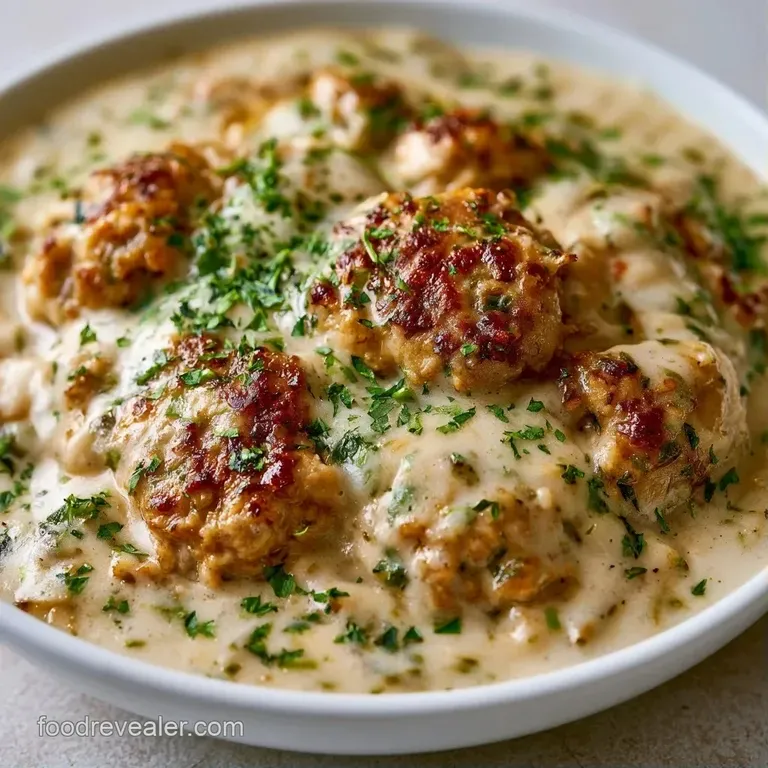
Even straightforward recipes can have hiccups, usually regarding the texture. Your turkey sausage gravy might end up too runny or, if reduced too far, become overly thick.
Don't worry if you notice lumps; this usually means the flour wasn't whisked thoroughly. You can fix this by whisking vigorously for a minute or pouring the sauce through a strainer. If it is too thin, let it simmer for another 3 minutes. If it is too thick, stir in a bit more milk.
Fixing Lumpy Gravy
Clumps form when flour is added to the liquid too rapidly. To prevent this, use a whisk and pour in the milk slowly.
Adjusting Sauce Thickness
Too thin? Simmer it longer. Too thick? Stir in a tablespoon of milk.
Balancing Saltiness
If the sausage provides too much salt, stir in a pinch of sugar or a splash of heavy cream to balance the flavor.
| Problem | Root Cause | Solution |
|---|---|---|
| Lumpy Texture | Flour added too quickly | Whisk vigorously or strain |
| Too Thin | Not simmered long enough | Simmer 3-5 more minutes |
| Raw Flour Taste | Roux not toasted enough | Cook flour/butter for 2 full minutes |
| Bland Flavor | Under seasoned | Add more black pepper and salt |
Mix It Up
Depending on who you're hosting, you might want to tweak this recipe. For a high protein version, you can use Greek yogurt instead of a portion of the milk, though you'll need to stir it in at the very end off the heat to prevent curdling.
If you're going dairy-free, unsweetened almond or cashew milk works. Just be aware that the sauce won't be as thick naturally, so you might need to increase the flour by a tablespoon. For those who love heat, doubling the cayenne pepper gives it a kick that pairs well with honey drizzled biscuits.
If you're looking for more breakfast ideas to round out the table, my easy biscuits and gravy is a great place to start for the bread side of things.
| Goal | What to change |
|---|---|
| Thicker Sauce | Add 1 tbsp flour |
| More Heat | Double the cayenne |
| Lower Calorie | Use 1% milk |
Make-ahead and Leftover Tips
This Turkey Sausage Gravy stays fresh longer than you'd expect. Keep it chilled in a sealed container for up to 3 days. Don't be alarmed if the sauce gels as it cools; this is completely normal. Simply warm it in a small pot over medium heat, whisking in a splash of milk to restore its creamy consistency.
For longer storage, this freezes well for up to 2 months. I suggest freezing portions in muffin tins first, then transferring those frozen "pucks" into a freezer bag. This allows you to thaw just the amount you need for a quick Tuesday morning breakfast.
To minimize waste, add any leftover turkey sausage crumbles to a breakfast burrito or morning omelet. A bit of extra gravy also tastes fantastic over a slice of toasted sourdough.
How to Serve and Enjoy
Presentation is everything when you're hosting a celebration. Depending on the vibe of your morning, you can plate this in three different ways.
For a simple, cozy feel, just ladle the gravy over split biscuits in a shallow bowl. It's homey and unpretentious. If you want something more polished, serve it in a cast iron skillet with the biscuits nestled around the edges, garnished with a sprinkle of fresh parsley.
For a restaurant style look, use a ring mold to stack a biscuit and a poached egg, then pour the gravy carefully around the base. Top with a few chives and a drizzle of herb oil for a professional finish.
| Level | Plating Style | Garnish |
|---|---|---|
| Simple | Shallow Bowl | Extra black pepper |
| Polished | Cast Iron Skillet | Fresh chopped parsley |
| Restaurant | Ring Mold Stack | Chive oil and microgreens |
Key Techniques Explained
Knowing the logic behind the process helps you grow as a cook. The biggest hurdle with Turkey Sausage Gravy is that turkey is significantly leaner than pork.
The Butter Addition: Because turkey lacks sufficient rendered fat, butter is added to ensure the flour toasts correctly. This step is crucial for removing any raw grain flavor.
Starch Neutralization: Cooking the flour and spices for 2 minutes before introducing the milk is essential. This toasts the starch, ensuring a smoother consistency and a more nuanced taste.
The Three Stage Pour: Pouring the milk in gradual stages stops the flour from clumping. This method allows you to slowly create an emulsion, keeping the gravy silky instead of grainy.
With these tips, you can prepare a fantastic, protein rich brunch. This Turkey Sausage Gravy shows that making a healthier swap doesn't mean sacrificing taste. Simply keep your heat consistent and your whisk moving for a meal everyone will love.
High in Sodium
1000 mg 1,000 mg of sodium per serving (43% 43% of daily value)
The American Heart Association recommends a daily sodium limit of 2,300mg for most adults to maintain heart health.
Tips to Reduce Sodium
-
Swap the Sausage-25%
Replace the ground turkey sausage with low-sodium turkey sausage or fresh ground turkey seasoned with your own herbs.
-
Omit Added Salt-25%
Reduce or entirely eliminate the kosher salt, as the sausage already provides a significant amount of sodium.
-
Use Fresh Aromatics-5%
Substitute the garlic and onion powders with freshly minced garlic and onion to boost flavor without extra sodium.
-
Boost with Herbs
Add fresh parsley, thyme, or sage to provide a savory, complex flavor profile without adding any salt.
Recipe FAQs
Can you make gravy out of turkey sausage?
Yes, turkey sausage creates a savory, protein rich base that mimics traditional pork gravy.
Tip: Cook the meat over medium high heat until it is mahogany colored for the best flavor.
How to make easy gravy for biscuits?
Brown turkey sausage in a skillet, stir in butter and flour, then whisk in milk.
Tip: Pour the milk in three separate stages to ensure a smooth texture without clumps.
What is the secret to good sausage gravy?
Toasting the flour, garlic powder, and onion powder in butter for two minutes removes the raw flour taste.
Tip: If you enjoyed mastering the flavor building process here, see how we use similar searing techniques in our savory steak recipe.
Is it true that turkey is too lean to make a rich gravy?
This one's false: Adding unsalted butter ensures a velvety consistency despite the leaner meat.
Tip: Stir in the salt and peppers at the very end to keep the spices bright.
What pairs well with gravy besides biscuits?
Pour the sauce over toasted sourdough, hash browns, or poached eggs.
Tip: For a full brunch spread, serve this alongside a hearty casserole.
Do I need to add beef stock to make a brown gravy for biscuits?
False. This specific recipe creates a cream gravy; brown gravies require a darker roux or beef based liquids.
Tip: Keep the heat at medium during the simmering stage to avoid scorching the milk.
Turkey Sausage Gravy