Cottage Cheese Orzo: Velvety & Protein Packed
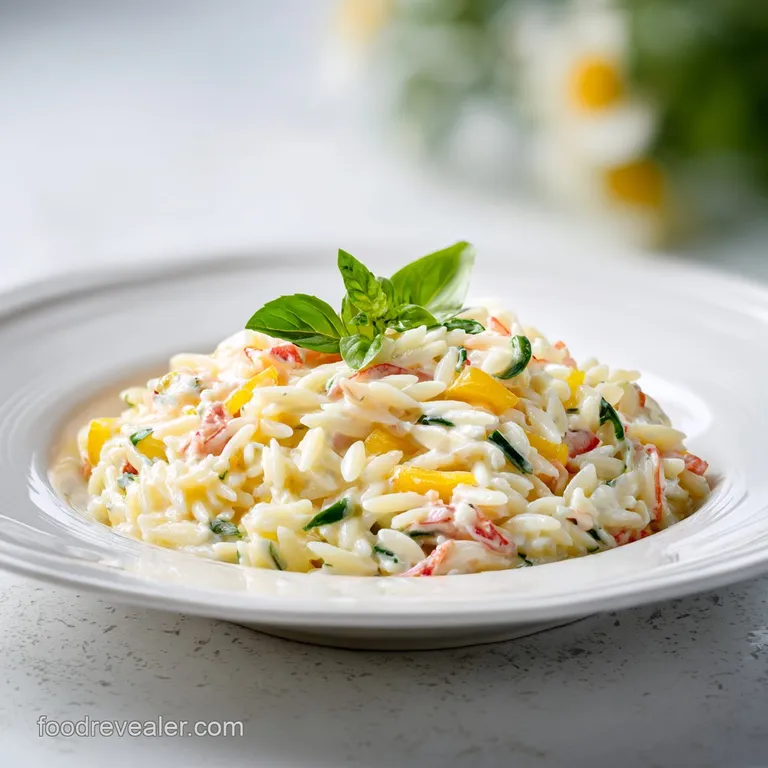
- Time: Active 5 minutes, Passive 15 minutes, Total 20 minutes
- Flavor/Texture Hook: Velvety, lemon brightened creaminess
- Perfect for: Post workout recovery or a lazy weeknight dinner
- Mastering Protein Packed Cottage Cheese Orzo
- The Logic of Creamy Texture
- Vital Stats and Quick Metrics
- Essential Elements for Your Pan
- The Right Gear for Success
- Cooking Steps for Velvety Orzo
- Solving Common Kitchen Blunders
- Creative Ways to Customize Flavors
- Scaling for Any Crowd
- Debunking Common Kitchen Myths
- Best Storage and Leftover Ideas
- Side Dishes for Better Meals
- Recipe FAQs
- 📝 Recipe Card
Mastering Protein Packed Cottage Cheese Orzo
I remember the first time I tried to make a "healthy" pasta sauce. I just dumped a tub of cold cottage cheese directly onto hot noodles. It was a disaster. The cheese didn't melt; it just got warm and squeaky, sitting in a puddle of watery whey.
I almost gave up on the idea entirely until I realized the secret wasn't the heat, but the blade. Once I tossed that cottage cheese into a blender, everything changed. It turned into this thick, luxurious cream that behaved exactly like a heavy béchamel.
When you pour that blended sauce over a pan of toasted orzo that’s been soaking up savory bone broth, something magical happens. The kitchen fills with this nutty, garlicky aroma that makes your mouth water before you even grab a fork.
This Cottage Cheese Orzo isn't just a "hack" it's a legitimate technique that I now use weekly. It’s the kind of meal where you find yourself scraping the bottom of the pan with a piece of crusty bread because you don't want to waste a single drop of that silky sauce.
The Logic of Creamy Texture
The Physics of Silk: High speed blending breaks down the casein curds in the cottage cheese, creating a stable emulsion that mimics the mouthfeel of heavy cream. When this mixture hits the starch heavy residual liquid from the orzo, it binds together into a thick, cohesive sauce that clings to every grain.
Method Comparison for Texture
| Method | Cook Time | Final Texture | Best For |
|---|---|---|---|
| One Pot Method | 15 minutes | Thick, starch rich, velvety | Maximum flavor and easy cleanup |
| Traditional Boil | 10 minutes | Lighter, less "saucy" | Serving as a cold pasta salad base |
| Pressure Cooker | 5 minutes | Very soft, porridge like | When you are in a massive rush |
If you are looking for more ways to keep things simple but satisfying, this recipe follows a similar logic to my Low Carb Chicken recipe which focuses on high protein without the fluff. Using the one pot method allows the orzo to release its natural starches directly into the broth, which acts as a natural thickener before the cheese even enters the conversation.
Ingredient Science Analysis
| Component | Science Role | Pro Secret |
|---|---|---|
| Orzo (300g) | Starch Provider | Toast it in oil first to create a nutty flavor barrier. |
| Bone Broth (710ml) | Hydration & Collagen | Use room temp broth to prevent the orzo from seizing. |
| Cottage Cheese (450g) | Protein & Emulsion | Choose 4% milkfat for the most stable, creamy finish. |
| Lemon Juice | Protein Denaturation | The acid cuts through the fat and prevents a "flat" flavor. |
Vital Stats and Quick Metrics
To ensure your results are consistent every time, I've tracked the specific numeric checkpoints that matter. This isn't about guessing; it's about hitting these marks so you can walk away from the stove knowing dinner is handled.
- Toasting Time:3 minutes on medium high until the orzo smells like toasted popcorn.
- Liquid Ratio: Exactly 2.3 parts broth to 1 part orzo for a "risotto style" finish.
- Final Temperature: Aim for the sauce to reach 70°C (160°F) after mixing to ensure the Parmesan melts fully.
Essential Elements for Your Pan
Building this dish requires a balance of pantry staples and fresh accents. I always suggest using the best broth you can find because the orzo will drink up every milliliter of it. If you're out of something, don't worry most of these have a smart swap that won't ruin the vibe.
- 1.5 cups (300g) dry orzo pasta: This is our base. Why this? Its small shape provides maximum surface area for the sauce to coat.
- 3 cups (710ml) low sodium chicken bone broth: Adds depth and protein.
- 2 cloves garlic, minced: Provides the aromatic foundation.
- 1 tbsp (15ml) extra virgin olive oil: Essential for toasting the grains.
- 0.5 tsp sea salt: Enhances the savory notes.
- 2 cups (450g) full fat (4%) cottage cheese: Our secret weapon for creaminess.
- 0.5 cup (45g) freshly grated Parmesan cheese: Adds a salty, umami punch.
- 1 small lemon, zest and juice: Brightens the heavy fats.
- 0.5 tsp cracked black pepper: Adds a subtle back end heat.
- 2 cups (60g) fresh baby spinach: Adds color and a nutrient boost.
Substitution Guide
| Original Ingredient | Substitute | Why It Works |
|---|---|---|
| Chicken Bone Broth | Vegetable Stock | Maintains liquid ratio. Note: Lacks the same protein punch. |
| Parmesan Cheese | Pecorino Romano | Similar salty profile but adds a sharper, tangier bite. |
| Baby Spinach | Finely Chopped Kale | Holds up better if you plan on reheating the dish later. |
The Right Gear for Success
You don't need a professional kitchen, but a few specific tools make this much easier. A heavy bottomed skillet (like a Lodge cast iron or a Le Creuset) is great for heat distribution, preventing the orzo from sticking to the bottom during the simmering stage.
You will also absolutely need a blender or a food processor. Trying to whisk the cottage cheese by hand won't give you that "alfredo" texture we are after. If you have an immersion blender, that works too just blend the cottage cheese in a tall jar before adding it to the skillet.
Cooking Steps for Velvety Orzo
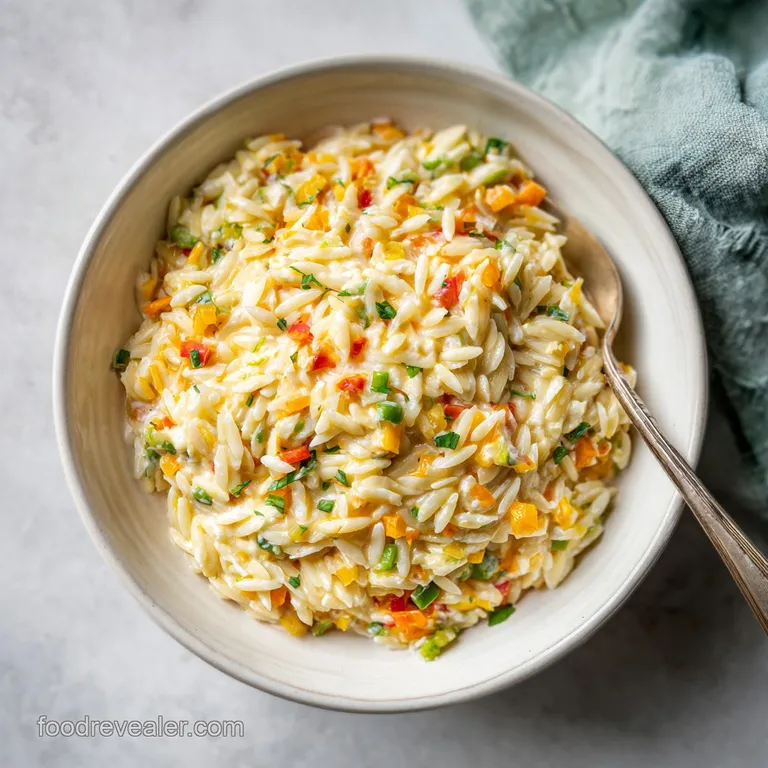
- Toast the orzo. Heat 15ml olive oil in a large skillet over medium heat. Add 300g dry orzo and stir constantly until golden brown. Note: Toasting adds a nutty depth and keeps grains distinct.
- Sauté the garlic. Add the minced garlic to the toasted orzo. Cook for 60 seconds until fragrant, being careful not to let it burn.
- Simmer in broth. Pour in 710ml chicken bone broth and add 0.5 tsp salt. Bring to a boil, then reduce heat to low.
- Cover and cook. Simmer for 10 minutes until the liquid is mostly absorbed but the orzo is still slightly "saucy."
- Prep the cream. While the orzo simmers, place 450g cottage cheese in a blender. Process until completely smooth and liquid.
- Incorporate the cheese. Stir the blended cottage cheese into the cooked orzo. The mixture will look pale and creamy.
- Add the umami. Stir in 45g Parmesan cheese and 0.5 tsp black pepper. Stir until the Parmesan is fully melted.
- Wilt the greens. Fold in 60g baby spinach. Heat for 2 minutes until the leaves collapse into the sauce.
- Brighten with citrus. Stir in the lemon zest and juice. The aroma should turn fresh and zingy.
- Rest and serve. Remove from heat and let sit for 3 minutes. The sauce will thicken slightly as it rests.
Solving Common Kitchen Blunders
The biggest mistake people make is letting the heat get too high once the cottage cheese is added. If you boil the sauce after the cheese is in, the proteins can tighten up and become grainy. Think of it like a delicate custard low and slow is your friend here.
Why Your Orzo Is Too Liquid
If you find the dish looks more like soup than pasta, you likely didn't let the orzo absorb enough broth before adding the cheese. Orzo is like a sponge; if it hasn't finished its first drink, it won't have room for the "cream." Simply let it simmer uncovered for an extra 2 minutes before stirring in the cottage cheese.
Troubleshooting Quick Fixes
| Problem | Root Cause | Solution |
|---|---|---|
| Grainy Sauce | Cheese was heated too fast | Add a splash of warm broth and whisk vigorously off heat. |
| Bland Flavor | Not enough acidity | Increase the lemon juice or add a pinch more salt. |
| Sticky Orzo | Over stirring during simmering | Stir only once or twice; let the liquid do the work. |
Common Mistakes Checklist
- ✓ Never rinse your orzo before cooking; you need that starch for the sauce.
- ✓ Don't skip the toasting step, or the pasta will lack structural integrity.
- ✓ Use full fat cottage cheese to avoid a watery, broken emulsion.
- ✓ Wait until the very end to add lemon juice to keep the flavor bright.
- ✓ Let the dish rest for a few minutes before serving so the sauce can "set."
Creative Ways to Customize Flavors
If you want a different vibe, there are endless ways to pivot this dish. For a Mediterranean twist, I love adding sundried tomatoes and olives. The saltiness of the olives plays beautifully with the creamy base. If you're feeling fancy, a drizzle of truffle oil right at the end makes this feel like a $30 bistro meal.
If you have leftovers of this Focaccia Bread Recipe, it makes the perfect side for dipping into the extra sauce. You can also toss in some shredded rotisserie chicken to bulk up the protein even further if you've had a particularly long day at the gym.
Decision Shortcuts
- If you want it spicier: Add 1 tsp of red pepper flakes during the garlic sauté.
- If you want it crunchier: Top with toasted breadcrumbs or crushed walnuts before serving.
- If you want it lighter: Swap half the orzo for riced cauliflower (adjust broth down by 200ml).
Scaling for Any Crowd
Adjusting this recipe is fairly straightforward because the ratio of liquid to pasta is the golden rule. If you are cooking for a large group, remember that orzo expands significantly, so make sure you have a pot large enough to handle the volume.
- For Two (1/2 batch): Use a smaller 8 inch skillet. Reduce the simmer time by about 2 minutes as the smaller volume heats faster. Use one large egg yolk if you want extra richness to compensate for the smaller portion.
- For a Crowd (2x batch): Use a large Dutch oven. Increase the spices (salt/pepper) to only 1.5x to avoid over seasoning. You may need to simmer for an extra 3-4 minutes to ensure all the orzo is tender.
Debunking Common Kitchen Myths
One big myth is that you must use heavy cream to get a creamy pasta sauce. This dish proves that protein rich dairy can do the same job with better macros. Another myth is that cottage cheese is only for cold snacks; when blended, it's one of the most versatile cooking ingredients in the pantry.
Finally,, some people think orzo is a grain like rice. It's actually a pasta made from semolina flour. This means it behaves like pasta it needs salt in the cooking liquid to taste good, and it can be overcooked into a mushy mess if you aren't careful. Treat it with the respect you'd give a fine linguine.
Best Storage and Leftover Ideas
Storage: This dish keeps beautifully in the fridge for up to 4 days. Because the orzo continues to absorb liquid as it sits, it will thicken up significantly overnight. When you go to reheat it, add a splash of water or broth to loosen the sauce back to its original velvety state.
Freezing: I don't recommend freezing this specific recipe. The cottage cheese emulsion can break when thawed, resulting in a grainy texture that isn't very pleasant. It’s best enjoyed fresh or within a few days of cooking.
Zero Waste Tip: If you have leftover sauce at the bottom of the pan, don't toss it. It makes an incredible spread for a sandwich the next day, or you can stir a spoonful into scrambled eggs for the creamiest breakfast you've ever had.
If your spinach is starting to wilt in the bag, just toss the whole thing in the heat of the orzo will shrink it down to nothing!
Side Dishes for Better Meals
This orzo is a star on its own, but it loves company. Since it's quite rich and creamy, I usually lean toward sides that offer a bit of crunch or bitterness to balance the palate. A simple arugula salad with a sharp balsamic vinaigrette is my go to.
You could also serve this alongside roasted asparagus or charred broccolini. The smokiness from the roasted veggies cuts right through the lemon and Parmesan. If you're looking for a more hearty pairing, a piece of seared salmon or a simple lemon herb chicken breast sits perfectly on top of the orzo bed, making for a very "Instagram worthy" presentation that tastes even better than it looks.
>Chef's Tip: Save the rinds of your Parmesan cheese in the freezer. Toss one into the broth while the orzo simmers for a massive boost of savory flavor that you can't get from salt alone. Just remember to fish it out before serving!
Recipe FAQs
What is the main technique required to make the cottage cheese creamy?
Blend the cottage cheese until completely smooth. High speed blending breaks down the curds, creating a stable emulsion that mimics heavy cream when heated gently.
Should I rinse the orzo pasta before toasting it in the oil?
No, never rinse the orzo. You need the surface starch to help thicken the broth during simmering; rinsing removes this essential natural thickener.
How do I prevent the cottage cheese sauce from becoming grainy after adding it?
Keep the heat low and stir off the boil. Once the blended cheese is added, avoid letting the mixture boil aggressively, as this can cause the milk proteins to seize and separate.
How long should the orzo simmer in the bone broth before the cheese is added?
Simmer for 10 minutes until liquid is mostly absorbed. The orzo should still be slightly saucy, not totally dry, allowing it to finish cooking in the richness of the final sauce.
Can I substitute the cottage cheese with Greek yogurt for the creaminess?
No, Greek yogurt will likely break and curdle. The texture relies on the specific fat and protein structure of cottage cheese when blended; for a similar dairy swap, you would need a recipe focused on emulsification stability, which yogurt lacks here.
What is the best way to adjust the liquid ratio if the orzo seems too thick?
Add a splash of warm broth or water while stirring off heat. If the dish thickens too much during resting, adding a small amount of warm liquid helps redistribute the sauce evenly without shocking the emulsion.
Is it true that I can use this technique to make a savory breakfast bake?
Yes, this technique adapts well to egg-based dishes. If you enjoyed mastering the texture control here, apply the principles of blending high protein dairy for richness when preparing a dish like the Protein Sweet Potato recipe.
Cottage Cheese Orzo Recipe
Ingredients:
Instructions:
Nutrition Facts:
| Calories | 468 kcal |
|---|---|
| Protein | 27.6 g |
| Fat | 12.4 g |
| Carbs | 61.6 g |
| Fiber | 3.1 g |
| Sugar | 4.2 g |
| Sodium | 645 mg |
