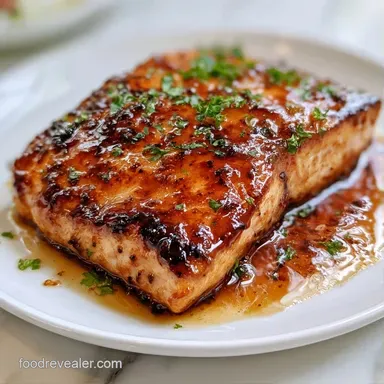
Easy Sweet Glazed Salmon in 20 Minutes
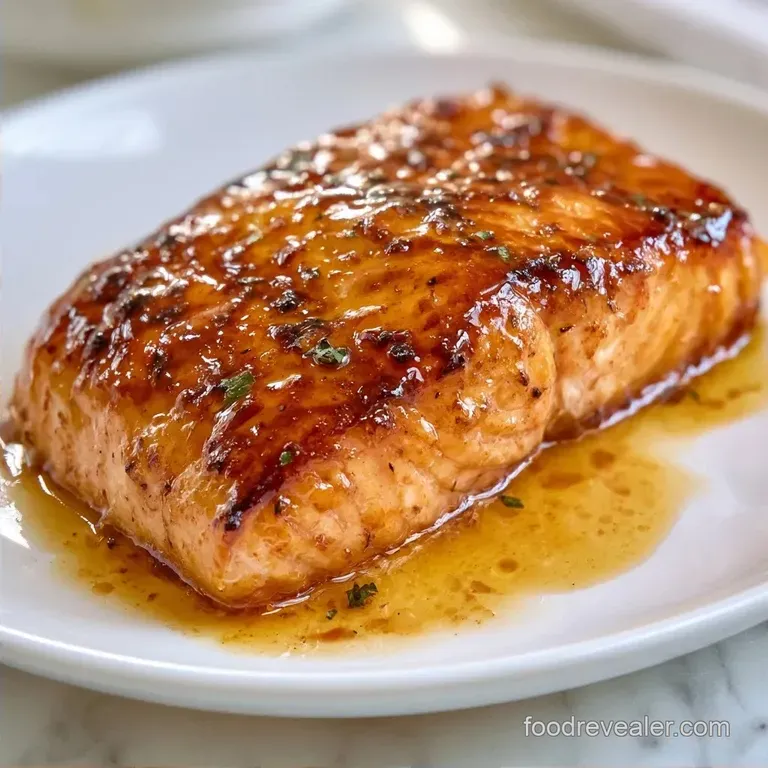
- Time: 5 min active + 12 min cook
- Flavor/Texture Hook: Sticky sweet glaze with a punch of ginger and garlic
- Perfect for: Busy weeknight dinners or a fast date night meal
That smell of honey, garlic, and ginger hitting a 400°F oven is honestly one of my favorite things. There is something about the way the sugars bubble up and cling to the salmon that makes a simple piece of fish feel like a treat.
I used to struggle with salmon, usually ending up with something that felt like a piece of cardboard because I'd leave it in too long trying to get the top to look "done."
The shift happened when I stopped glazing the fish at the start. If you put the sugar on too early, it burns before the middle is cooked. By splitting the bake into two parts, the fish stays juicy. This Easy Sweet Glazed Salmon relies on that timing to get the texture just right.
You don't need a fancy kitchen or a lot of gear for this. Just a baking sheet and a small pan. It's a straightforward process that delivers a high impact meal in about 20 minutes, leaving you more time to actually relax.
Making Easy Sweet Glazed Salmon
Sugar Caramelization: The brown sugar and honey break down under high heat, creating a thick, tacky coating that grips the fish.
Two Stage Cooking: Searing the fish first and glazing second prevents the honey from burning while the protein reaches the safe internal temperature.
| Method | Time | Texture | Best For |
|---|---|---|---|
| Baked (This) | 12 min | Sticky & Tender | Weeknights |
| Pan Seared | 8 min | Crispy Skin | Quick Lunch |
| air fried | 10 min | Firm & Glazed | Single Servings |
Why This Recipe Works
The Sugar Blend: Using both honey and brown sugar creates a deeper color. According to Serious Eats, different sugars caramelize at different rates, which gives the glaze a more complex, rich flavor.
The Acid Balance: Lemon juice cuts through the heavy sweetness of the honey. This keeps the dish from tasting like candy and brings out the natural oils in the fish.
Ingredient Deep Dive
| Ingredient | What It Does | Best Swap |
|---|---|---|
| Honey | Provides thickness and floral sweetness | Maple syrup (adds woody notes) |
| Soy Sauce | Adds salt and a deep, savory base | Tamari (for gluten-free) |
| Fresh Ginger | Adds a sharp, peppery zing | 1/4 tsp ground ginger |
| Lemon Juice | Brightens the glaze and cuts fat | Lime juice (more tropical) |
Tools For The Job
You only need a few basics for this. A standard rimmed baking sheet is a must, and I highly suggest lining it with parchment paper. If you don't, the honey will practically weld the salmon to the pan, and you'll spend your evening scrubbing.
For the glaze, a small saucepan works, but if you're in a rush, a microwave safe bowl is fine. A silicone pastry brush is the best tool for applying the glaze, as it lets you get an even coat without breaking the delicate surface of the fish.
Bringing It Together
Prep and Season
Preheat your oven to 400°F (200°C) and line a baking sheet with parchment paper. Pat the salmon fillets completely dry with paper towels. This is a non negotiable step; if the fish is wet, it steams instead of roasting. Rub each fillet with 1 tbsp olive oil, 1/2 tsp sea salt, and 1/4 tsp black pepper.
Construct the Glaze
In a small saucepan over medium heat or a microwave safe bowl, combine 3 tbsp honey, 2 tbsp packed brown sugar, 2 tbsp soy sauce, 1 tbsp fresh lemon juice, 3 cloves minced garlic, and 1 tsp grated ginger. Add 1/8 tsp red pepper flakes for a hint of heat.
Simmer for 2-3 minutes until the sugar dissolves and the mixture smells fragrant. Remove from heat.
The Controlled Bake
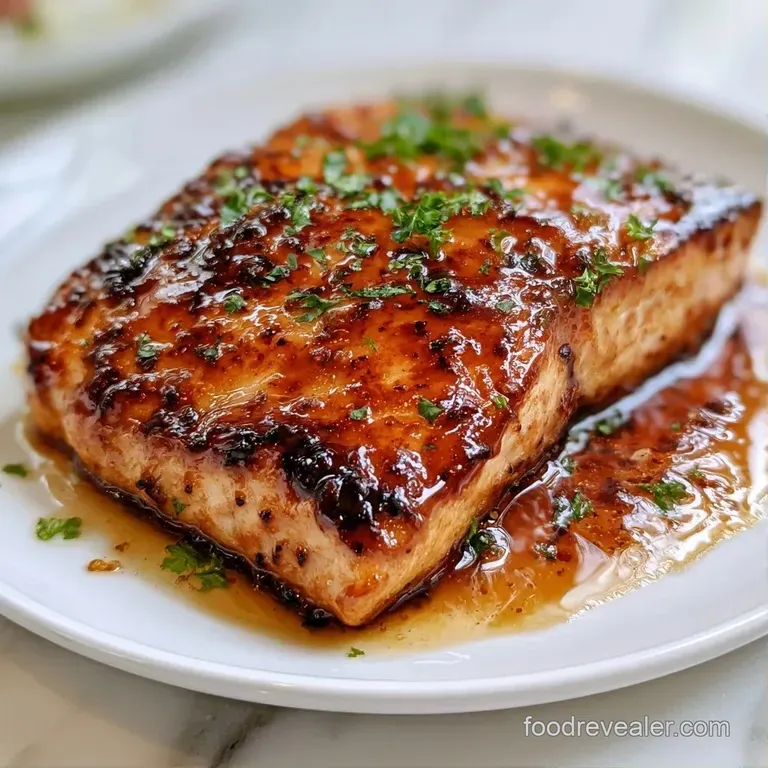
Place salmon on the pan and bake for 6-8 minutes. Remove the pan and generously brush the top of each fillet with the glaze. Return to the oven for another 3-5 minutes until the glaze is bubbling and mahogany colored.
The Final Check
Remove the salmon when the internal temperature reaches 135°F (57°C). Let it rest for 3 minutes to reach a final internal temperature of 145°F (63°C). This resting period allows the juices to redistribute, which keeps the fish from drying out.
Chef Note: If you're using very thin fillets, check the temperature 2 minutes earlier. Salmon can go from juicy to overdone in a heartbeat.
Fixing Common Salmon Issues
The "White Stuff"
You might see a white, gooey substance pushing out of the fish. This is albumin, a protein that squeezes out when the muscle fibers contract. It's completely safe to eat, but you can minimize it by not overcooking the fish and patting it dry before it hits the oven.
Runny Glaze Fix
If your glaze feels too thin, you likely didn't simmer it long enough. The sugars need to heat up to thicken. If it's still runny after brushing, you can pop it under the broiler for 60 seconds, but watch it like a hawk so it doesn't burn.
Avoid Burnt Edges
Honey burns fast. If the edges of your fillets are blackening but the middle is raw, your oven might be running hot. Lower the temp to 375°F and extend the first bake by 2 minutes.
| Problem | Root Cause | Solution |
|---|---|---|
| Dry Salmon | Overcooked/No rest | Pull at 135°F and rest 3 mins |
| Burnt Glaze | Too much heat | Apply glaze in the last 5 mins |
| Bland Taste | Not enough salt | Season fillets before glazing |
Twists and Ingredient Swaps
If you want to change the vibe, try adding a teaspoon of Sriracha or Gochujang to the glaze for a spicy kick. For a more citrus forward version, swap the honey for orange marmalade. This creates a profile similar to my homemade orange cranberry sauce, which works great with seafood.
For those avoiding soy, coconut aminos are a great replacement. They have a similar saltiness but a slightly sweeter edge. If you're serving this as part of a bigger seafood spread, it pairs surprisingly well as a main course alongside a starter like Classic New England Clam Chowder.
- If you want more heat
- Add 1/2 tsp red pepper flakes.
- If you want it tangier
- Add an extra squeeze of lemon at the end.
- If you want it saltier
- Increase soy sauce by 1 tbsp.
Keeping Salmon Fresh
Store any leftover Easy Sweet Glazed Salmon in an airtight container in the fridge for up to 3 days. I don't recommend freezing cooked salmon, as the texture becomes mealy and the glaze can separate.
To reheat, avoid the microwave if you can. The microwave tends to make salmon rubbery. Instead, put it in a toaster oven or air fryer at 300°F for about 5 minutes. This warms it through without cooking it further.
For zero waste, if you have leftover glaze in the pan, don't toss it. Brush it onto roasted carrots or broccoli during the last few minutes of their cook time. The sugars will caramelize on the veggies and tie the whole plate together.
Best Side Dish Pairings
The Fresh Balance
Since the glaze is heavy on sugar and salt, you need something bright. A simple arugula salad with a lemon vinaigrette or steamed snap peas with mint works well. The bitterness of the greens cuts through the richness of the fish.
The Hearty Base
For a filling meal, serve this over jasmine rice or quinoa. The grains soak up the extra glaze that drips off the salmon. If you want something lower in carbs, roasted cauliflower or sautéed spinach provides a great contrast to the sticky topping.
Scaling Tips:
Cutting it down (1-2 servings): Use a smaller baking sheet to keep the heat concentrated. Reduce the glaze ingredients by half. Since there's less mass in the oven, check the internal temperature 2 minutes early to avoid overcooking.
Scaling up (8+ servings): Work in batches. Overcrowding the pan creates steam, which prevents the glaze from bubbling properly. Increase salt and pepper to 1.5x, but keep the soy sauce as is to avoid making the dish too salty. If using two pans, rotate them halfway through the bake for even coloring.
Myths about Salmon
Searing salmon "seals in the juices." This is a myth. Searing creates flavor and a crust, but it doesn't create a waterproof barrier. Moisture loss happens regardless of how you start the cook.
You must cook salmon until it's opaque all the way through. Actually, many people prefer salmon medium rare. Pulling it at 135°F and letting carryover heat bring it to 145°F keeps the center moist. If it's opaque throughout, it's often already overdone.
High in Sodium
1120 mg 1,120 mg of sodium per serving (49% 49% of daily value)
The American Heart Association recommends a limit of 2,300 mg of sodium per day for most adults to maintain heart health and lower blood pressure.
Tips to Reduce Sodium
-
Swap Soy Sauce-30%
Replace the regular soy sauce with low-sodium soy sauce or coconut aminos to significantly reduce the processed salt content.
-
Omit Added Salt-25%
Remove the 1/2 tsp of sea salt entirely, as the soy sauce already provides a concentrated salty flavor.
-
Increase Citrus-10%
Add an extra tablespoon of fresh lemon juice to brighten the flavors, which helps mimic the taste of salt.
-
Fresh Herb Garnish
Garnish the finished salmon with fresh chopped parsley or cilantro to add aromatic depth without adding sodium.
Recipe FAQs
How to make salmon taste sweet?
Simmer honey, brown sugar, soy sauce, lemon juice, garlic, and ginger. This creates a thick, fragrant glaze that clings to the fillets for a sweet savory finish.
Do you glaze salmon before or after cooking?
Glaze it toward the end of the process. Applying the glaze for the final 3-5 minutes prevents the sugars from burning before the fish is cooked through.
How to cook salmon in the oven?
Bake at 400°F for a total of about 12 minutes. Start with an initial 6-8 minute bake, then apply the glaze and return it to the oven for another 3-5 minutes.
How to bake salmon steaks in an oven?
Preheat your oven to 400°F and place seasoned steaks on a parchment lined sheet. Bake for 6-8 minutes, brush with the glaze, and finish for another 3-5 minutes.
What glaze is best for salmon?
A mixture of honey, brown sugar, and soy sauce. These ingredients caramelize under high heat to create a sticky, mahogany crust that balances sweet and salty notes.
Can I use a different white fish for this glaze?
Yes, this sweetness pairs well with most firm fish. If you prefer a creamy alternative for your dinner, our baked cod is a great option.
How to cook salmon for diabetics?
Substitute the honey and brown sugar with soy sauce and extra garlic. This maintains the savory, aromatic profile while significantly reducing the sugar content.
Easy Sweet Glazed Salmon