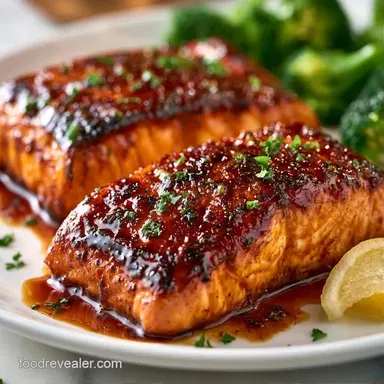
Baked Salmon Brown Sugar Crust in 25 Minutes
- Time: 5 min active + 15 min bake
- Flavor/Texture Hook: Sweet, sticky mahogany glaze with a flaky center
- Perfect for: Stress free family dinners or a quick date night
- Baked Salmon Brown Sugar Crust
- Why the Sugar Works
- Ingredient Deep Dive
- The Pantry List
- Step-by-Step Cooking
- Fixing Common Bake Issues
- Troubleshooting Common Issues
- Adjusting the Serving Size
- Storage and Waste
- Debunking Salmon Myths
- Customizing the Crust
- Plating Your Salmon
- Recipe FAQs
- 📝 Recipe Card
Baked Salmon Brown Sugar Crust
The smell of caramelizing sugar hitting the oven air always takes me back to a rainy Tuesday last November. I had exactly twenty minutes to get dinner on the table, and the kids were craving something "fancy" but I was completely exhausted.
I grabbed a few fillets and some brown sugar, threw them in the oven, and the result was a dinner that felt like a treat without the stress.
This Baked Salmon Brown Sugar Crust is my go to when I want a comfort classic that doesn't require a mountain of dishes. You get that deep, burnt sugar aroma and a sticky topping that cuts right through the richness of the fish. It's the kind of meal that makes the whole house smell like a professional bistro while you're still in your pajamas.
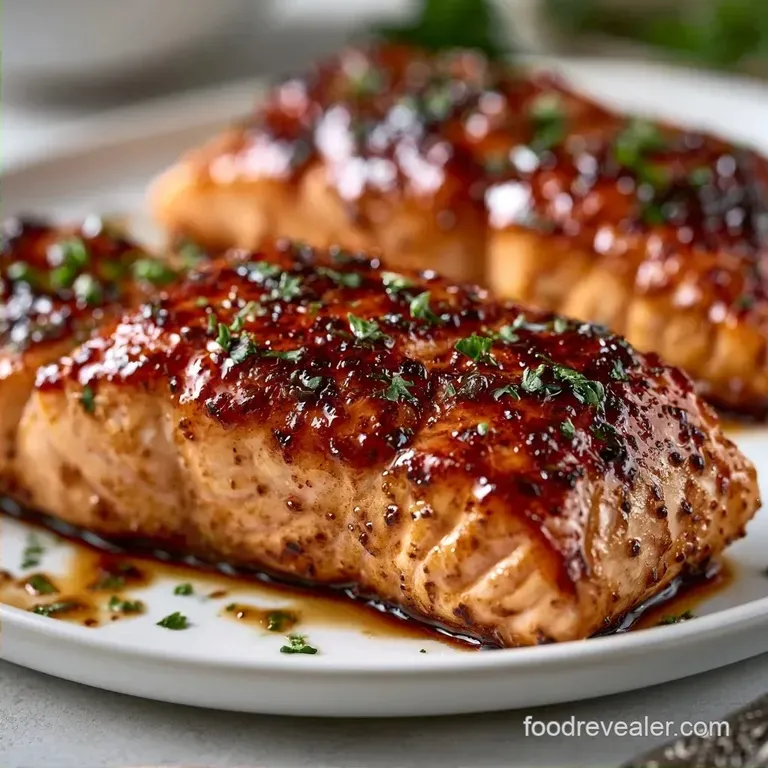
Expect a fish that's flaky on the inside and slightly tacky on top. It's not a complex process, just a few pantry staples and a hot oven. We're aiming for a mahogany color that looks stunning on the plate and tastes even better.
Why the Sugar Works
Sugar Caramelization: High heat melts the brown sugar and butter, creating a thick glaze that traps moisture.
Acid Balance: The lemon juice breaks down the heavy sweetness, keeping the flavor profile balanced.
Right then, let's look at how the fish choice affects your outcome. Using fresh fillets is great, but shortcuts can work if you know how to handle them.
| Salmon Type | Prep Effort | Texture | Best For |
|---|---|---|---|
| Fresh Fillets | Low | Flaky & Firm | Dinner parties |
| Frozen (Thawed) | Medium | Softer | Quick weeknights |
| Pre marinated | Very Low | Saltier | Ultra fast meals |
Ingredient Deep Dive
Since we're keeping this simple, every ingredient has a specific job to do. We aren't just adding things for the sake of it.
| Ingredient | What It Does | Best Swap |
|---|---|---|
| Brown Sugar | Creates the crust | Coconut sugar |
| Smoked Paprika | Adds earthy depth | Ancho powder |
| Lemon Juice | Cuts the fat | Lime juice |
| Melted Butter | Binds the rub | Olive oil |
The Pantry List
Grab these items from your cupboard. I recommend using a small bowl for the rub to keep things tidy.
- 3 6 oz salmon fillets Why this? Standard size for even cooking
- 1 tbsp olive oil Why this? Stops sticking to the pan
- 1/2 tsp salt
- 1/4 tsp black pepper
- 1/4 cup packed brown sugar Why this? Molasses notes add depth
- 1 tsp smoked paprika Why this? Gives that "grilled" aroma
- 1/2 tsp garlic powder
- 1 tbsp melted butter Why this? Creates a rich, glossy finish
- 1 tsp lemon juice
Step-by-step Cooking
Let's crack on. Make sure your oven is fully heated before the fish goes in.
- Preheat your oven to 400°F (200°C). Line a baking sheet with parchment paper or foil.
- Pat the salmon fillets dry with a paper towel. Note: Wet fish won't sear or glaze properly.
- Rub each fillet with olive oil, salt, and pepper.
- Combine the packed brown sugar, smoked paprika, and garlic powder in a small bowl.
- Stir in the melted butter and lemon juice until it forms a thick, gritty paste.
- Spoon a generous amount of the mixture onto each fillet.
- Press the paste firmly into the fish to create a thick, even layer.
- Bake for 12–15 minutes until the sugar bubbles into a glossy glaze and the salmon is opaque.
- Remove the pan from the oven.
- Let the salmon rest for 5 minutes before serving. Note: This lets the juices settle so the fish stays moist.
Fixing Common Bake Issues
Sometimes things go sideways in the kitchen. Usually, it's a matter of temperature or timing. If your Baked Salmon Brown Sugar Crust comes out a bit off, check these common culprits.
Troubleshooting Common Issues
| Issue | Solution |
|---|---|
| Why Your Salmon Is Dry | This usually happens when the fillets are too thin or the oven is too hot. Check the internal temp with a thermometer; you want about 135°F to 140°F for a medium cook. |
| Why the Crust Burnt | Sugar burns quickly if the rack is too high in the oven. Move your baking sheet to the center rack to ensure the heat is even. |
| Why the Glaze Is Runny | If the butter was too hot or the sugar wasn't packed, the rub might slide off. Ensure the sugar is packed tightly in the measuring cup. |
Adjusting the Serving Size
If you're cooking for a crowd or just yourself, you can easily tweak the portions.
For a single fillet, just divide the rub ingredients by three. Since it's a smaller mass in the oven, check the fish 2 or 3 minutes early.
When doubling the recipe for 6 fillets, don't double the salt or paprika. Use about 1.5x the spices instead, otherwise, the flavor becomes too aggressive. You'll need a larger baking sheet to ensure the fillets aren't touching, which prevents them from steaming.
Since we're talking about adding variety, you might want a crunchier side. My Sourdough Discard Crackers are a great way to add some texture to this meal.
| Twist | Addition | Result |
|---|---|---|
| Spicy | 1 tsp Sriracha | Zesty heat |
| Savory | 1/2 tsp Onion powder | Deeper base |
| Tangy | 1 tsp Apple Cider Vinegar | Brighter flavor |
Storage and Waste
Store any leftovers in an airtight container in the fridge for up to 3 days. When reheating, avoid the microwave, which makes salmon rubbery. Instead, put it in a 300°F oven for 5-8 minutes.
If you have leftover rub paste, don't toss it. It's great on roasted carrots or Brussels sprouts. For a full family treat, I usually pair this dinner with Sourdough Cinnamon Rolls for dessert later in the week.
You can freeze cooked salmon for up to 2 months, but the texture of the sugar crust changes slightly. It becomes more like a candy coating rather than a glaze.
Debunking Salmon Myths
Many people think you need to sear salmon in a pan first to "seal in the juices." That's not true. Moisture loss happens regardless of the method, and the oven baked crust does a great job of protecting the fish.
Another common myth is that you should cook salmon until it's completely opaque throughout. If you do that, you've overcooked it. A little bit of translucency in the center is where the flavor and tenderness live.
Customizing the Crust
If you want to switch things up, you can play with the sugar base. Using dark brown sugar instead of light gives you a much deeper, almost molasses like flavor that feels heartier.
For those avoiding refined sugar, coconut sugar works well. It has a similar consistency and a naturally nutty taste that pairs with the smoked paprika.
If you like a bit of heat, add a pinch of cayenne pepper to the rub. It creates a sweet and spicy contrast that makes the fish feel less like a home meal and more like something from a high end grill.
Plating Your Salmon
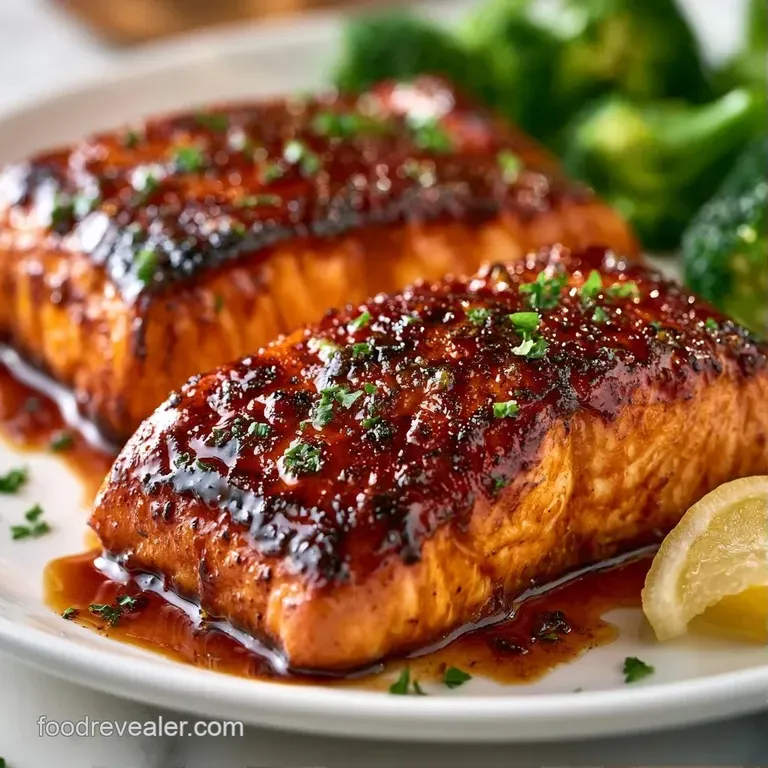
To make this Baked Salmon Brown Sugar Crust look like a pro dish, start with a clean white plate. The dark mahogany of the crust pops against a light background.
Place the fillet atop a bed of wilted spinach or mashed potatoes. Garnish with a sprig of fresh parsley and a wedge of lemon on the side. The bright yellow of the lemon and the green of the herbs balance the deep browns of the sugar.
Squeeze the lemon over the fish right before eating. The fresh acidity cuts through the sugar and butter, waking up all the other flavors in the dish.
Recipe FAQs
How to bake salmon steaks in an oven?
Preheat oven to 400°F (200°C). Pat the steaks dry, rub with olive oil, and apply a brown sugar paste before baking for 12-15 minutes.
What are some good salmon recipes without lemon?
Focus on sweet and smoky profiles. A combination of brown sugar, smoked paprika, and garlic powder provides a deep, caramelized flavor without needing acidity.
What are some other ways to cook salmon besides baking it?
Try pan-searing or grilling. These methods create a charred exterior that complements the sugar rub and pair perfectly with homemade garlic knots as a side.
How to cook salmon in the oven?
Preheat your oven to 400°F. Season fillets with olive oil, salt, and pepper, then bake for 12-15 minutes until the fish is opaque and the glaze bubbles.
What are the easiest recipes to make baked salmon?
Use a simple paste based glaze. Combining brown sugar, butter, and spices into a thick paste allows you to flavor and protect the fish in one easy step.
What are some baked salmon seasoning recipes?
Mix brown sugar, smoked paprika, and garlic powder. Stir in melted butter and lemon juice to create a gritty, professional style crust.
What is your favorite Salmon recipe?
The Brown Sugar Crust version. It offers the best balance of salt and sweetness with a high impact, glossy finish.
Baked Salmon Brown Sugar Crust