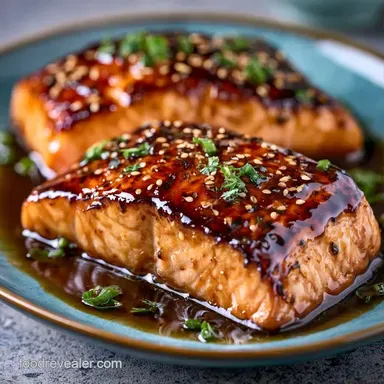
Sweet Brown Sugar Baked Salmon in 25 Minutes
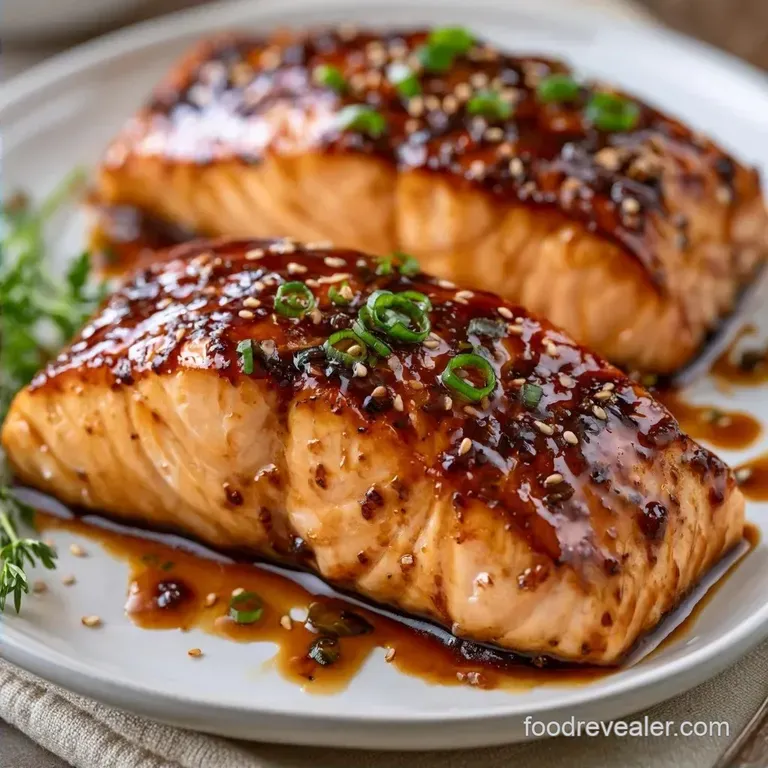
- Time: 10 min active + 15 min cook
- Flavor/Texture Hook: Sticky, deep amber glaze with flaky centers
- Perfect for: Busy weeknight dinners or beginner cooks
- Sweet Brown Sugar Baked Salmon
- Why This Method Works
- What Each Ingredient Does
- Shopping List Breakdown
- Tools You'll Need
- The Step-by-Step Process
- Fixing Common Issues
- Easy Swaps and Variations
- Adjusting Your Batch Size
- Salmon Cooking Myths
- Saving Your Leftovers
- Serving Suggestions
- Recipe FAQs
- 📝 Recipe Card
Sweet Brown Sugar Baked Salmon
The smell of caramelizing sugar and toasted garlic hitting a hot oven is honestly the best part of this meal. I remember the first time I tried to glaze fish, I just threw everything in a pan and ended up with a sugary soup that didn't actually stick to the salmon. It was a mess, and the fish was bland.
Since then, I've learned that the trick is all in the prep and the heat. By using a thick paste and finishing with the broiler, you get those dark, bubbly edges that taste like something from a restaurant.
This recipe is a quick win for anyone who wants a high impact dinner without spending an hour in the kitchen. We're keeping tools to a minimum, just a bowl and a sheet pan, so you aren't stuck doing dishes all night.
Why This Method Works
- High Heat: Baking at 400°F ensures the fish cooks through before the outside dries out.
- Broiler Finish: A quick blast of direct heat bubbles the sugar, turning it into a thick glaze.
| Method | Time | Texture | Best For |
|---|---|---|---|
| Fast Oven | 25 mins | Sticky crust, moist center | Weeknights |
| Classic Pan | 35 mins | Seared crust, denser | Date nights |
What Each Ingredient Does
- Brown Sugar: Provides the base for the sticky glaze and creates those deep amber colors.
- Soy Sauce: Adds the salt and savory depth to balance the sugar.
- Lemon Juice: Cuts through the fat of the salmon and the sweetness of the glaze.
- Smoked Paprika: Adds a hint of wood fired flavor without needing a grill.
Shopping List Breakdown
- 4 (6 oz / 170g) salmon fillets
- 2 tbsp (30ml) butter, melted Why this? Helps the seasoning stick and adds richness
- ½ tsp (3g) kosher salt
- ¼ tsp (1g) black pepper
- ½ cup (110g) packed light brown sugar Why this? Molasses in brown sugar caramelizes better than white
- 3 tbsp (45ml) soy sauce Why this? Provides an instant salty, umami punch
- 1 tbsp (15ml) fresh lemon juice
- 1 tsp (5g) garlic powder
- ½ tsp (2g) smoked paprika
| Original Ingredient | Substitute | Why It Works |
|---|---|---|
| Brown Sugar | Honey | Similar sweetness. Note: Glaze will be more liquid and less "crusty" |
| Soy Sauce | Tamari | gluten-free alternative. Note: Slightly saltier taste |
| Smoked Paprika | Sweet Paprika | Adds color. Note: Lacks the smoky depth |
| Butter | Olive Oil | dairy-free. Note: Less flavor, but still helps browning |
Tools You'll Need
You don't need a fancy kitchen for this. A standard baking sheet and a small mixing bowl are the only essentials. I highly recommend using aluminum foil or parchment paper on your pan. Brown sugar is a nightmare to scrub off a baking sheet once it burns on, and the foil makes cleanup take about ten seconds.
If you have a meat thermometer, use it. It's the only way to stop the salmon from turning into cardboard.
The step-by-step Process
Phase 1: The Setup
Preheat your oven to 400°F (200°C). Line your baking sheet with foil or parchment paper. Pat the salmon fillets completely dry with paper towels. Trust me on this, if the fish is wet, the butter and glaze will just slide right off.
Phase 2: The Flavor Layering
Brush the melted butter over each fillet. Season them with the kosher salt and black pepper. In your small bowl, whisk the brown sugar, soy sauce, lemon juice, garlic powder, and smoked paprika. Stir it until it forms a thick, glossy paste.
Phase 3: The over High heat Bake
Spread the glaze generously over the top of each fillet. Press it in with the back of a spoon so it doesn't slide. Bake for 12-15 minutes.
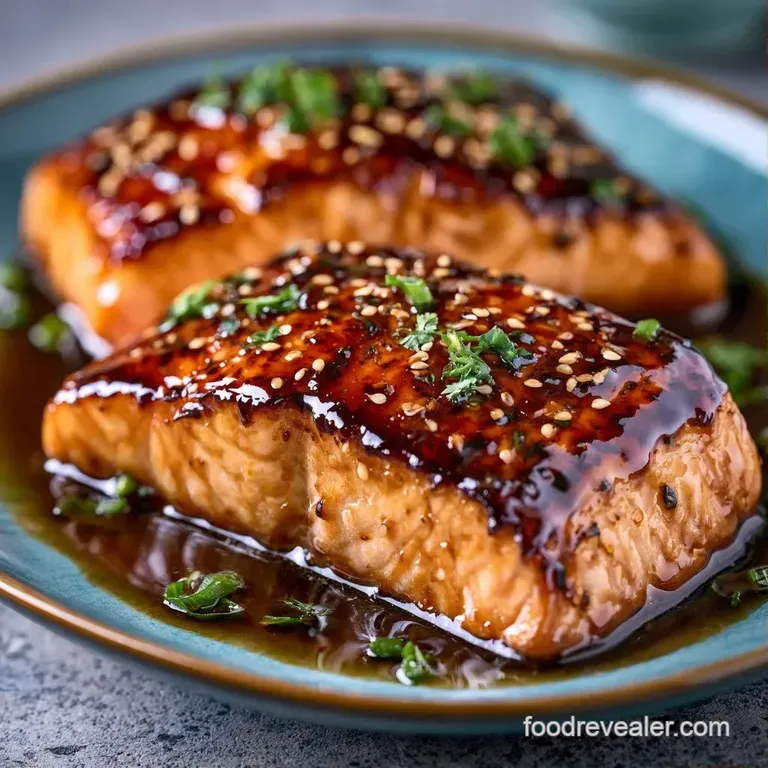
Turn the broiler on high for the final 2 minutes. Watch it closely. You want the sauce to bubble and turn a deep amber color. Remove from the oven when the internal temperature hits 135°F (57°C) for medium or 145°F (63°C) for well done.
Fixing Common Issues
If your glaze isn't sticking, it's usually because the salmon wasn't dried enough. Moisture creates a barrier between the fish and the sugar. Next time, use two or three paper towels to get it bone dry.
Another issue is the glaze burning before the fish is cooked. This happens if your oven runs hot or the fillets are very thin. If you see the sugar turning black too quickly, just cover the fillets loosely with a piece of foil.
If Glaze Burns
The sugar caramelizes fast. If the top is too dark but the center is raw, lower the heat and cover with foil.
If Salmon is Dry
You likely missed the 135°F window. Salmon continues to cook for a few minutes after it leaves the oven.
If Glaze Slides Off
The fillets were too wet or the glaze was too thin. Ensure you use packed brown sugar for a thicker paste.
| Problem | Root Cause | Solution |
|---|---|---|
| Burnt glaze | Broiler too hot | Reduce broiling time to 1 min |
| Dry fillets | Overcooked | Pull at 135°F internal temp |
| Bland taste | Low salt/soy | Increase soy sauce by 1 tbsp |
Easy Swaps and Variations
If you want a spicy kick, stir in a teaspoon of sriracha or red pepper flakes to the glaze. It pairs well with the sweetness of the brown sugar. For those who prefer a different sweetener, you can use maple syrup, though it makes the sauce runnier.
For a side, this pairs well with a crisp Classic Coleslaw to balance the richness of the fish. If you're feeling fancy, serve it over a bed of quinoa or wild rice to soak up the extra glaze.
Adjusting Your Batch Size
Scaling this recipe is pretty straightforward, but don't just double the spices blindly.
- Cooking for two: Use 2 fillets and halve the glaze. Use a smaller baking sheet so the liquid doesn't spread too thin and burn. Reduce bake time by about 2 minutes.
- Cooking for a crowd: If you're doing 8 fillets, work in batches or use two sheets. Only increase the salt and paprika to 1.5x the original amount. Too much smoked paprika can make the dish taste metallic.
- Large fillets: If your fillets are thicker than 1 inch, extend the bake time to 18 minutes but keep the broiler time the same.
Salmon Cooking Myths
You might hear that you need to sear salmon in a pan first to "seal in the juices." This is a myth. Searing adds flavor and color, but it doesn't stop moisture loss. Baking with a thick glaze actually protects the fish from drying out.
Another misconception is that salmon must be cooked until it's opaque all the way through. While some prefer it well done, medium salmon (135°F) is much more tender and flaky.
Saving Your Leftovers
Store any leftover fish in an airtight container in the fridge for up to 3 days. To reheat, avoid the microwave if you can. The microwave makes salmon rubbery and kills the glaze. Instead, put it in a 300°F oven for 5-10 minutes.
For zero waste, don't toss the leftover glaze on the foil. Carefully scrape it into a small jar and use it as a marinade for chicken or tofu. If you have extra lemon wedges, freeze them in an ice cube tray for future recipes. You could even serve this alongside some toasted Butter Sourdough for 4 recipe for a sweet and savory brunch.
Serving Suggestions
This dish looks great on a white platter with fresh parsley or sliced green onions on top. The brightness of the greens cuts through the deep color of the brown sugar.
For a full meal, I recommend steaming some asparagus or roasting broccoli on a separate pan at the same time. Since the oven is already at 400°F, you can just slide the veggies in for 10-12 minutes. This keeps the kitchen chaos to a minimum while giving you a balanced plate.
Recipe FAQs
How to bake salmon steaks in an oven?
Preheat oven to 400°F (200°C). Pat the fish dry, apply melted butter and seasoning, then bake for 12-15 minutes before finishing under the broiler for 2 minutes.
What are some good salmon recipes without lemon?
Focus on soy-based glazes. You can omit the lemon juice in this recipe and slightly increase the soy sauce for a deeper, saltier savory profile.
What are some other ways to cook salmon besides baking it?
Pan-searing and grilling are the best alternatives. If you enjoy these quick prep meals, our banana pancakes offer similar efficiency for breakfast.
How to cook salmon in the oven?
Bake at 400°F (200°C) for 12-15 minutes. Use a thick paste of brown sugar and soy sauce, then broil for 15 minutes to caramelize the top into a deep amber.
What are the easiest recipes to make baked salmon?
Sheet pan glazes are the most straightforward. This method is ideal because it uses one bowl and one pan to achieve a sticky, restaurant style crust with minimal cleanup.
What are some baked salmon seasoning recipes?
Mix brown sugar, soy sauce, garlic powder, and smoked paprika. This specific combination balances sweetness and salt, creating a glossy finish when hit with high heat.
What is your favorite Salmon recipe?
This Sweet Brown Sugar Baked Salmon is the top choice. It delivers a perfect contrast between the caramelized, bubbly exterior and a moist, flaky center.
Sweet Brown Sugar Baked Salmon