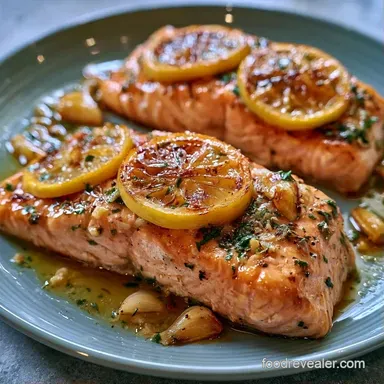
Garlicky Healthy Olive Oil Baked Salmon
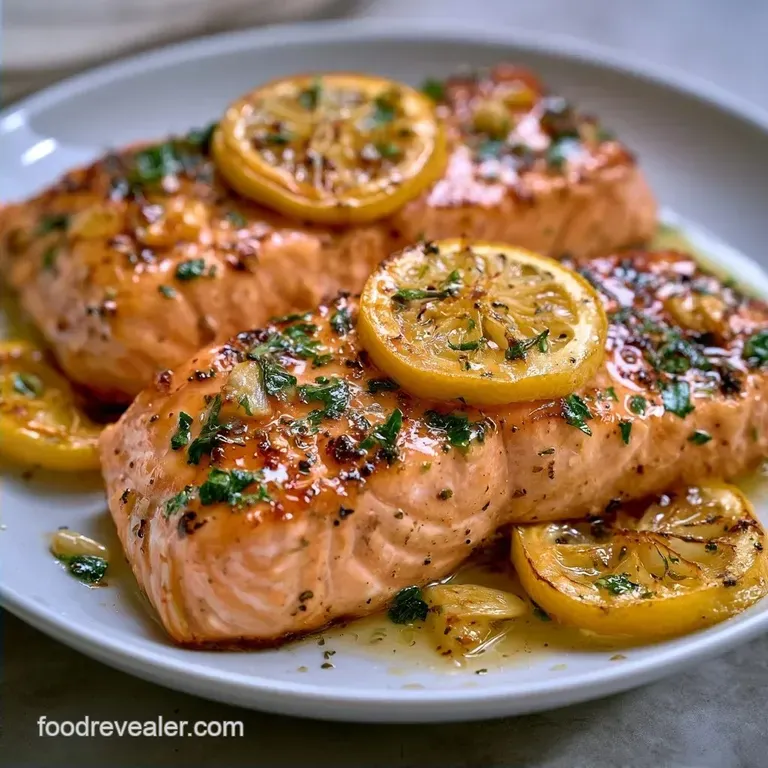
- Time: 5 min active + 15 min bake
- Flavor/Texture Hook: Zesty, garlicky, and flaky
- Perfect for: Weeknight dinner or healthy meal prep
Healthy Olive Oil Baked Salmon
The smell of roasting garlic and lemon hitting a hot oven is just the best. There's nothing quite like that sharp, citrusy aroma filling the kitchen while the fish sizzles on the tray. It's the kind of meal that feels fancy but takes almost no effort to put together.
Honestly, the biggest problem most people have with salmon is the texture. You've probably had it turn out rubbery or dry, or maybe you've seen that weird white protein leaking out of the sides. I used to think that was just part of the process, but it's actually a sign the fish is overcooking.
Making Healthy Olive Oil Baked Salmon is all about heat management. By using a high temperature for a short window, we get a great exterior without sacrificing the middle. This recipe is the fix for those who want a reliable, tasty dinner without the kitchen chaos.
Why It Stays Juicy
- High Heat: Baking at 425°F causes the exterior to sear quickly. This locks in the moisture before the center has a chance to overcook.
- Olive Oil Barrier: The oil coats every inch of the fillet. It acts as a shield, stopping the oven's dry air from sucking the hydration out of the fish.
- The 10 Minute Rest: Letting the fillets sit after they leave the oven allows the juices to redistribute. If you cut into it immediately, the moisture just runs out onto the plate.
| Approach | Temp | Time | Texture | Best For |
|---|---|---|---|---|
| Fast Method | 425°F | 15 mins | Firm, juicy, charred | Busy weeknights |
| Classic Method | 325°F | 30 mins | Soft, uniform, pale | Slow Sunday meals |
Ingredient Deep Dive
Every part of this dish has a job. We aren't just adding things for the sake of it. The acidity of the lemon balances the richness of the salmon fats, while the garlic provides a savory base that keeps the dish from tasting one dimensional.
| Ingredient | What It Does | Best Swap |
|---|---|---|
| Olive Oil | Conducts heat & adds moisture | Avocado Oil |
| Lemon Slices | Adds acidity & protects top | Lime Slices |
| Fresh Thyme | Earthy aromatic note | Dried Oregano |
| Fresh Garlic | Punchy, savory flavor | Garlic Powder |
The Ingredient List
Right then, let's get your station ready. I prefer using skin on fillets because the skin protects the meat from the hot pan.
- 4 (6 oz / 170g) salmon fillets, skin on Why this? Skin on prevents the fish from drying out
- 2 tbsp (30ml) extra virgin olive oil Why this? High smoke point and heart healthy fats
- ½ tsp (3g) fine sea salt
- ¼ tsp (1g) freshly cracked black pepper
- 3 cloves (15g) garlic, minced
- 1 medium (60g) lemon, thinly sliced into rounds Why this? Prevents the top from scorching
- 1 tbsp (4g) fresh parsley, chopped
- 1 tsp (1g) fresh thyme leaves
How to Cook It
Let's crack on. Trust me on the drying step, it's the most important part for getting a good sear.
- Preheat your oven to 425°F (218°C) and line a large rimmed baking sheet with parchment paper.
- Pat the salmon fillets completely dry with paper towels. Note: Wet fish steams instead of searing
- In a small bowl, whisk together the olive oil, minced garlic, salt, and pepper.
- Brush the oil mixture generously over the top and sides of each fillet until glistening.
- Place the fillets on the baking sheet, top each with a lemon slice and a sprinkle of fresh thyme.
- Bake for 12–15 minutes until the internal temperature hits 135°F (57°C) and the fish flakes easily with a fork.
- Transfer the salmon to a plate and let it rest for 10 minutes to allow juices to redistribute.
- Garnish with freshly chopped parsley just before serving.
Fixing Common Salmon Issues
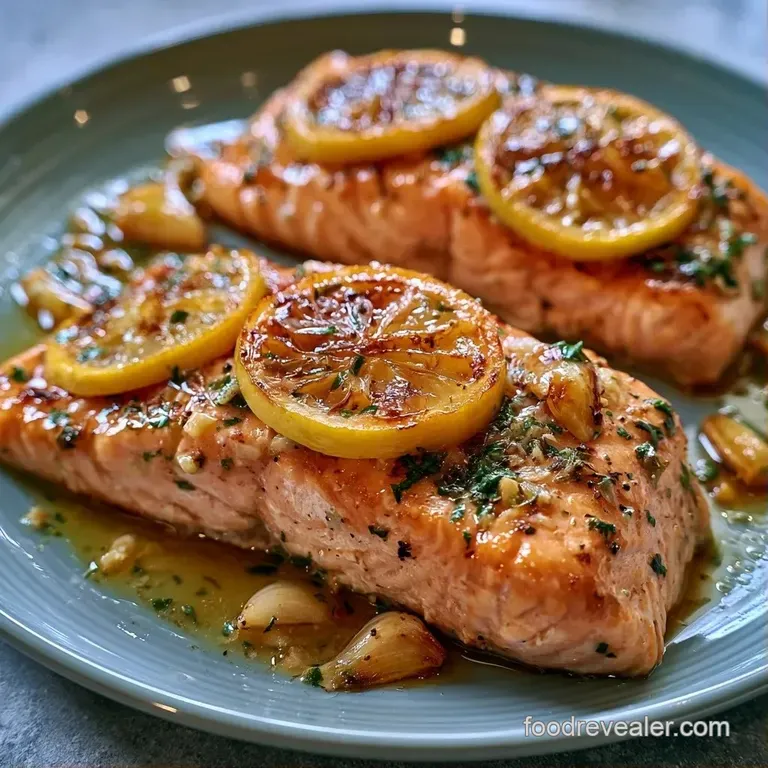
Even with a simple recipe, things can go sideways. Usually, it comes down to the thickness of the fillets. A thin tail piece will cook way faster than a thick center cut. If you're unsure, always use a meat thermometer. According to Serious Eats, pulling fish slightly before it hits the target temp is the only way to ensure it doesn't overcook during the rest.
Why Your Salmon Is Dry
This usually happens when the fish stays in the oven too long. Even two extra minutes can turn a tender fillet into a piece of cardboard. Check your temp early.
Stopping the White Stuff
That white substance is called albumin. It's just protein that pushes out when the muscle fibers contract too tightly from high heat. It's safe to eat, but it means the fish is on the edge of being overdone.
Avoiding Sticking
If your fish is clinging to the pan, you likely didn't use enough oil or your parchment paper shifted. Always grease the paper slightly or use a high-quality silicone mat.
| Problem | Root Cause | Solution |
|---|---|---|
| Rubbery Texture | Overcooked | Pull at 135°F internal |
| No Browning | Fillets were damp | Pat dry with towels |
| Bland Taste | Under salted | Salt the fish 10 mins before |
Tweak the Flavors
I love this version, but you can easily change the vibe. If you want a Mediterranean flare, add some halved cherry tomatoes and kalamata olives to the pan. They'll roast in the olive oil and create a natural sauce.
For those who like it sweeter, you can whisk a teaspoon of honey into the oil mixture. This creates a light glaze that caramelizes under the heat. If you're looking for other fish ideas, you might like my Baked Cod recipe which uses a creamier approach.
You can also swap the thyme for dill or rosemary. Dill is a classic pairing for salmon and gives it a very fresh, Nordic feel. Just make sure you don't overdo the rosemary, as it can be a bit overpowering for the delicate fish.
Scaling the Recipe
Scaling this Healthy Olive Oil Baked Salmon is pretty straightforward, but you have to watch the pan space.
Scaling Down (2 Servings) Use a smaller baking sheet so the oil doesn't spread too thin. Reduce the baking time by about 20%, usually around 11-12 minutes. Start checking the internal temperature at the 10 minute mark.
Scaling Up (8 Servings) Work in batches or use two separate baking sheets. Do not crowd the fillets, or they will steam instead of roast. Keep the salt and spices at about 1.5x the original ratio rather than doubling them exactly, as too much salt can draw out too much moisture in large batches.
| Scale | Pan Setup | Temp Adjustment | Time Adjustment |
|---|---|---|---|
| 1/2 Batch | Small sheet | No change | Reduce by 2-3 mins |
| 2x Batch | Two sheets | No change | No change (don't crowd) |
| 4x Batch | Four sheets | Lower to 400°F | Extend by 5 mins |
Salmon Kitchen Myths
There's a lot of bad advice out there about cooking fish. Let's clear some of it up.
First, the idea that searing meat or fish "seals in the juices" is a myth. Moisture loss happens regardless of how you start the cook. The sear is actually about adding flavor and texture through browning, not creating a waterproof seal.
Second, some people say you must bring salmon to room temperature before baking. In reality, starting with a chilled fillet gives you a wider window of perfection. It prevents the outside from overcooking before the center reaches the safe zone.
Storage and Waste
Keeping your Healthy Olive Oil Baked Salmon fresh is easy. Store leftovers in an airtight container in the fridge for up to 3 days. When reheating, avoid the microwave if you can. A quick 5 minutes in a 275°F oven keeps it from getting rubbery.
You can freeze cooked salmon for about 2 months, but the texture changes slightly. Wrap it tightly in foil and then a freezer bag to prevent freezer burn.
To keep things zero waste, don't toss the lemon rinds. You can freeze them to use in cocktails or zest them into a salad dressing. If you have leftover skin, fry it in a pan with a bit of salt until it's crispy for a tasty snack.
The Best Side Pairings
Since this dish is light and zesty, you want sides that can soak up that garlic lemon oil. I highly recommend serving this with a side of roasted asparagus or a simple quinoa salad.
For a heartier meal, a crusty bread is a must. My Quick Sourdough French Bread is a great companion here, especially for mopping up the leftover juices from the baking sheet.
If you're hosting a bigger group, you could start the meal with a light appetizer. A few Sourdough Discard Crackers with a dip would be a nice way to kick things off before the main course hits the table. Just keep the sides simple so the flavor of the salmon stays the star of the show.
High in Sodium
937 mg 937 mg of sodium per serving (41% 41% of daily value)
The American Heart Association recommends that most adults limit their sodium intake to 2,300 mg per day, with an ideal limit of 1,500 mg for most adults with hypertension.
Tips to Reduce Sodium
-
Omit or Reduce Sea Salt-30%
The primary source of sodium here is the fine sea salt; try eliminating it entirely or replacing it with a salt free seasoning blend.
-
Amplify Citrus Acid-15%
Increase the amount of lemon juice and zest; the acidity mimics the taste of salt and brightens the flavor of the salmon.
-
Increase Garlic Punch-10%
Add more minced garlic to create a stronger savory profile that reduces the need for added salt.
-
Boost Black Pepper-5%
Increase the freshly cracked black pepper to add a spicy kick and depth to the seasoning.
-
Fresh Herb Infusion
Double the amount of fresh parsley and thyme to enhance the natural aromatic qualities of the dish.
Recipe FAQs
How to bake salmon so it's moist?
Pull the fish when the internal temperature hits 135°F (57°C). Let it rest for 10 minutes before serving to allow the juices to redistribute.
How long does it take to bake salmon fillets in an oven?
Bake for 12 15 minutes at 425°F (218°C). The salmon is ready once it flakes easily with a fork.
How to keep salmon from sticking when baking?
Line your baking sheet with parchment paper. This creates a reliable non-stick surface and simplifies cleanup.
How to cook a salmon fillet in an oven?
Preheat your oven to 425°F (218°C) and pat the fillets dry. Brush them with the olive oil, garlic, salt, and pepper mixture before baking for 12-15 minutes.
Is it true that grilling salmon is significantly healthier than baking it?
No, this is a common misconception. Both methods are highly nutritious, and baking with olive oil effectively preserves the fish's healthy fats.
What are some good salmon recipes without lemon?
Omit the lemon slices and increase the fresh thyme. For a similar bright acidity, serve the fillets with a tangy vinaigrette.
How to bake salmon in foil in an oven?
Wrap the seasoned fillets in aluminum foil packets. Bake at 425°F (218°C) for 12 15 minutes to steam the fish in its own moisture.
Healthy Olive Oil Baked Salmon