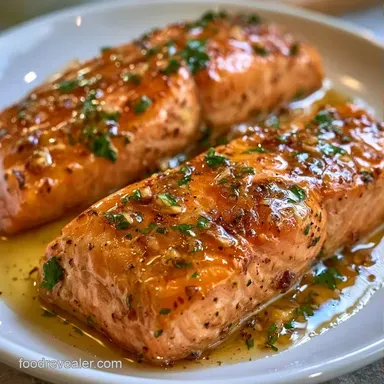
Baked Sockeye Salmon Lemon Garlic in 20 Minutes
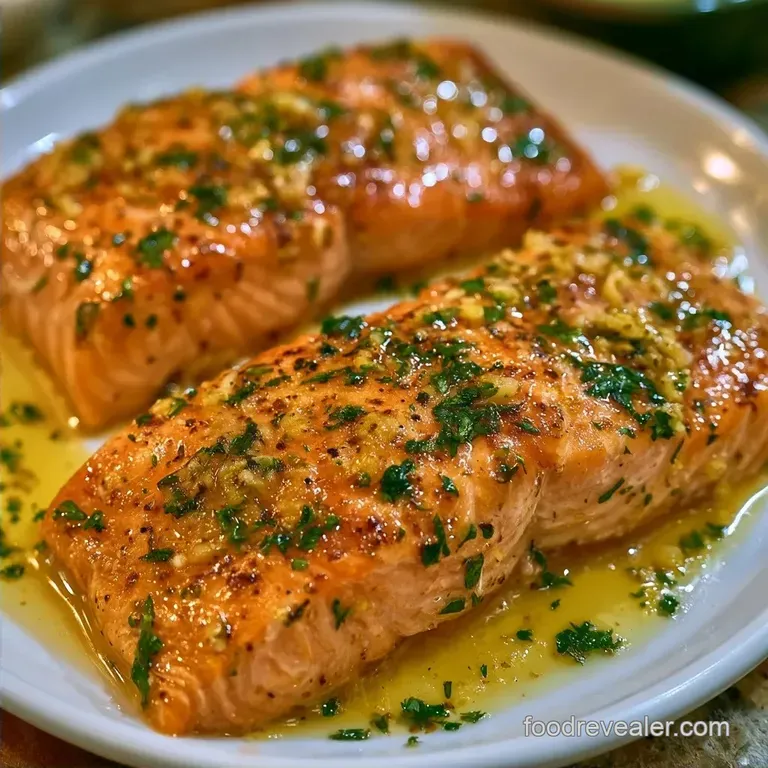
- Time: 5 min active + 15 min baking
- Flavor/Texture Hook: Zesty, flaky, and buttery
- Perfect for: Quick weeknight dinners or lean protein meal prep
The smell of garlic and lemon hitting a hot oven is one of those scents that just feels like home. For people in the Pacific Northwest, sockeye salmon is more than just a meal. It's a tradition rooted in the wild rivers and the deep red color of the fish that's almost legendary.
Growing up around these flavors, you learn that sockeye is different from the fatty King salmon. It's bolder, leaner, and can turn dry in a heartbeat if you aren't careful.
This version focuses on speed and brightness. We aren't doing any fancy slow roasting here. We're using a high temp to get that flavor locked in before the lean proteins tighten up too much.
You can expect a dish that's punchy and bright. The lemon slices under the fish act as a natural rack, keeping the fillets from sticking and adding a subtle steamed flavor to the skin.
Baked Sockeye Salmon Lemon Garlic
Why the Heat Matters
High Temp: Baking at 425°F cooks the exterior quickly. This prevents the lean sockeye from drying out during a long stay in the oven.
Acid Balance: The lemon juice breaks down some of the tougher protein fibers. This makes the fish feel more tender when you eat it.
Method Comparison
| Method | Total Time | Texture | Best For |
|---|---|---|---|
| Oven | 20 mins | Evenly flaky | Groups or meal prep |
| Stovetop | 12 mins | Crispy skin | Single servings |
| Air Fryer | 10 mins | Charred edges | Maximum speed |
How the Ingredients Work
| Ingredient | What It Does | Best Swap |
|---|---|---|
| Sockeye Fillets | Provides a deep, bold flavor | Atlantic Salmon (milder, fattier) |
| Lemon Juice | Cuts through the fishy oils | Lime juice (adds a tropical twist) |
| Garlic | Adds aromatic depth | Garlic powder (use 1/2 tsp) |
| Olive Oil | Conducts heat and prevents sticking | Melted butter (richer taste) |
Shopping List Details
For the Salmon
- 4 (6 oz / 170g) Sockeye salmon fillets, skin onWhy this? Deep red color and intense flavor.
- 1/2 tsp (3g) Kosher salt
- 1/4 tsp (1g) Freshly cracked black pepper
For the Lemon Garlic Rub
- 2 tbsp (30ml) Extra virgin olive oilWhy this? High smoke point for 425°F.
- 3 cloves (9g) Garlic, minced
- 1 tbsp (15ml) Fresh lemon juice
- 1 tsp (2g) Lemon zest
- 1 tbsp (4g) Fresh parsley, finely chopped
- 1/2 lemon, sliced into thin rounds
Tools You Will Need
You don't need a lot of gear for this. A standard rimmed baking sheet is the main requirement. I always use parchment paper because scrubbing baked on lemon juice and garlic is a chore I'd rather avoid. A small whisk or fork for the rub and a meat thermometer are also helpful.
If you don't have a thermometer, use a fork to see if the fish flakes easily.
The step-by-step Process
1. Prep and Season
Preheat your oven to 425°F (218°C) and line a rimmed baking sheet with parchment paper. Pat the sockeye fillets completely dry with paper towels. Note: Moisture on the surface creates steam, which stops the fish from getting a good color. Season both sides lightly with salt and black pepper.
2. The Infusion
In a small bowl, whisk together the olive oil, minced garlic, lemon juice, lemon zest, and chopped parsley. Mix until the garlic is well distributed in the oil.
3. Precision Baking
Place the lemon slices on the baking sheet and set the fillets skin side down directly on top of the slices. Pour the garlic lemon mixture evenly over each fillet, spreading it to the edges with a spoon.
Bake in the center rack for 12–15 minutes. Cook until the internal temperature reaches 135°F (57°C) for medium rare or 145°F (63°C) for fully cooked. According to sockeye salmon temperature guides, pulling the fish a few degrees early allows carryover cooking to finish the job. For official food safety, salmon should reach 145°F / 63°C, and official guidance is available from FoodSafety.gov.
Chef's Note: If your fillets are thinner than 1 inch, start checking the temp at 10 minutes. Sockeye is lean and can overcook in 60 seconds.
Solving Common Cooking Issues
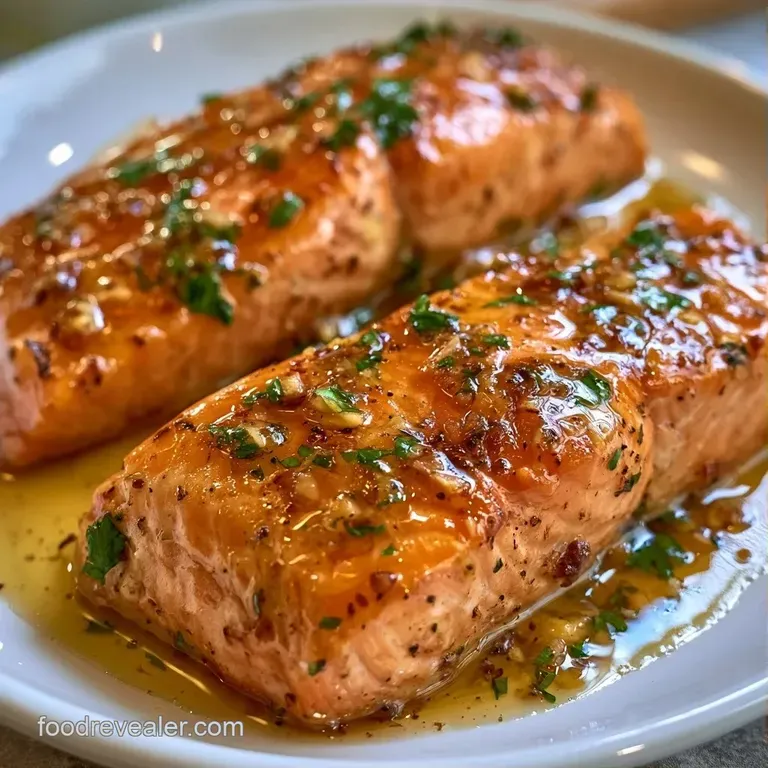
Sometimes the fish doesn't behave. Most of the time, it's a temperature or moisture issue. If you see white stuff on top, don't panic, it's not mold.
White Albumin Streaks
Those white beads of protein (albumin) push out when the muscle fibers contract too quickly. It's safe to eat, but it usually means the heat was a bit too high or the fish is slightly overcooked.
Burnt Garlic Bits
Garlic can burn at 425°F if it's not coated in oil. Make sure your minced garlic is fully incorporated into the olive oil before pouring it over the fish.
Salmon Sticking to Pan
This happens if you skip the parchment paper or the lemon slices. The fish skin is naturally sticky, so the lemon slices act as a buffer.
| Problem | Root Cause | Solution |
|---|---|---|
| Dry Fish | Overcooked past 145°F | Use a thermometer and pull early |
| Bland Taste | Not enough salt | Season immediately before baking |
| Mushy Texture | Underbaked / Low temp | Ensure oven is fully preheated |
Ways to Customize Flavor
If you want a milder version of this, you could try a Baked Cod recipe which uses a creamier base. But for the sockeye, I like to keep it bright.
Flavor Twists - Honey Garlic: Add 1 tsp of honey to the rub for a sweet savory vibe. - Spicy Lemon: Add a pinch of red pepper flakes to the oil mixture.
Diet Swaps - dairy-free: This is already dairy-free, but you can use avocado oil if you're avoiding olive oil. - Low Sodium: Replace kosher salt with a squeeze of extra lemon to mimic the "zing" without the sodium.
Scaling This Dish
Cooking for Two If you're only doing 2 fillets, use a smaller baking sheet. Keep the temperature the same, but start checking the internal temp at 10 minutes since there's less mass in the oven to absorb the heat.
Cooking for a Crowd For 8 fillets, work in batches or use two separate pans. Do not crowd the pan, or the fillets will steam instead of roast. Only increase the salt and pepper by 1.5x, as too much can draw moisture out of the fish.
Myths About Baking Fish
You might hear that you need to "seal" the fish first. Searing meat or fish does not seal in juices. Moisture loss happens regardless of how you start the cook. The crust from a sear just adds a different kind of flavor.
Another myth is that all salmon should be cooked to 145°F. While that's the safety guideline, many people prefer sockeye at 130-135°F because it stays much more moist.
Storage and Reheating Tips
Fridge and Freezer Store leftovers in an airtight container in the fridge for up to 3 days. I don't recommend freezing cooked salmon because the texture becomes mealy. If you must freeze it, do it raw in a vacuum sealed bag.
Reheating Specifics Avoid the microwave if you can. It turns salmon into rubber. Instead, put the fillet in a 275°F oven for about 10 minutes. Add a tiny splash of water or a pat of butter on top to bring back the moisture.
Zero Waste Don't toss the lemon ends. Squeeze any remaining juice into your salad dressings or freeze the zest in ice cube trays for future recipes.
Best Ways to Serve
The richness of sockeye salmon pairs well with something crisp and acidic. I usually serve this with a side of classic coleslaw to balance the buttery fish.
The Nutrient Dense Plate Pair the fillets with steamed asparagus or sautéed kale. The vitamins in the greens complement the omega-3s in the salmon.
The Light & Bright Pairing Try serving this over a bed of quinoa or wild rice. The grains soak up the extra lemon garlic oil that drips off the fish during the baking process.
Recipe FAQs
How long does it take to bake salmon fillets in an oven?
Bake for 12 15 minutes. Use the center rack at 425°F until the internal temperature reaches 135°F for medium rare or 145°F for fully cooked.
How to bake salmon so it's moist?
Use a meat thermometer to prevent overcooking. Pull the fillets from the oven the moment they hit 135°F 145°F to ensure the texture remains tender and flaky.
How to keep salmon from sticking when baking?
Line your baking sheet with parchment paper. Placing the fillets directly on top of lemon slices also creates a physical barrier that prevents the skin from adhering to the pan.
How to cook a salmon fillet in an oven?
Preheat the oven to 425°F. Pat the fillets dry, season with salt and pepper, coat with the garlic lemon mixture, and bake for 12 15 minutes.
How to bake salmon steaks in an oven?
Follow the same method as the fillets. Season with salt and pepper, top with the garlic lemon oil, and bake at 425°F until the internal temperature reaches 145°F.
Is it true that grilled salmon is healthier than baked salmon?
No, this is a common misconception. Both methods are highly nutritious, but baking provides more consistent heat and better moisture retention for leaner sockeye.
What are some other ways to cook salmon besides baking it?
Try the stovetop or air fryer. The stovetop is ideal for achieving crispy skin, while the air fryer is the fastest option. For a rich pairing with any of these methods, try a blender hollandaise.
Baked Sockeye Salmon Lemon Garlic