Crispy Oven Baked Salmon with Skin
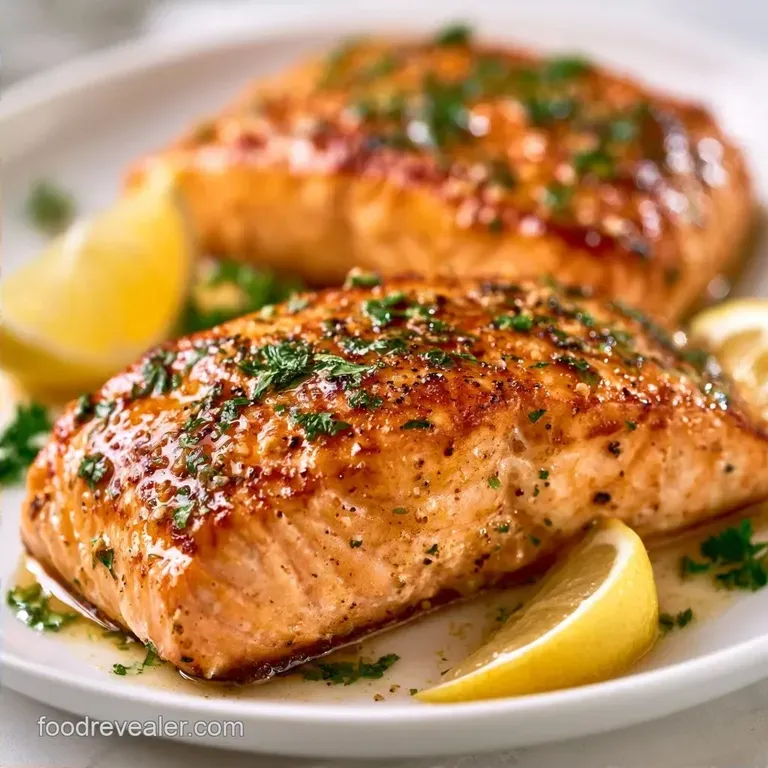
- Time: 10 min active + 15 min cook
- Flavor/Texture Hook: Crackling salt crusted skin with a silky, tender center
- Perfect for: Busy weeknight dinners and beginner friendly protein
That sound of the skin crackling when you first hit it with a fork is everything. There's nothing quite like the smell of roasting salmon filling the kitchen, especially when you get that deep golden color on the bottom.
I once served a salmon that was so wet on the bottom it felt like it had been steamed in a sauna. I spent twenty minutes trying to "save" it in a pan, but it just fell apart into a mushy mess. It was a total disaster for a dinner party.
Since then, I've focused on the prep. Making Oven Baked Salmon with Skin for the first time can be intimidating, but once you get the drying process right, it's a breeze. You get a restaurant style crust without the stress of splattering oil on your stove.
Oven Baked Salmon with Skin
Why the Pat Down Works
Surface Moisture: Water on the skin creates steam, which keeps the fish soggy. Drying it lets the oil fry the skin directly in the oven.
Thermal Contact: A dry fillet makes better contact with the hot pan. This creates a consistent sear across the entire surface.
| Thickness | Temp | Rest | Cue |
|---|---|---|---|
| 1 inch | 400°F | 5 mins | Opaque coral color |
| 1.5 inches | 400°F | 5 mins | Internal 130°F |
| 2 inches+ | 400°F | 7 mins | Flakes easily with fork |
Right then, let's look at why we use these specific ingredients. Most people overcomplicate this, but simple is better here.
The Ingredient Breakdown
| Ingredient | What It Does | Best Swap |
|---|---|---|
| Neutral Oil | Conducts heat for crisping | Avocado oil |
| Kosher Salt | Draws out moisture, seasons | Sea salt |
| Unsalted Butter | Adds a rich finish | Ghee |
| Fresh Lemon | Cuts through the fat | Lime wedges |
Shopping List Breakdown
For the salmon, grab fillets that are roughly the same thickness so they cook evenly.
- 4 (6 oz / 170g) skin on salmon fillets Why this? Skin protects the flesh and adds flavor
- 2 tbsp neutral oil Why this? High smoke point prevents burning
- 1 tsp kosher salt Why this? Larger grains distribute better
- 1/2 tsp freshly cracked black pepper Why this? Fresh is punchier than pre ground
- 1 lemon, cut into wedges Why this? Acid brightens the rich fish
- 1 tbsp melted unsalted butter Why this? Adds a glossy, rich finish
- 1 tbsp fresh parsley, finely chopped Why this? Adds a fresh, grassy note
If you can't find neutral oil, grapeseed oil works just as well. Avoid extra virgin olive oil for the over high heat roast as it can smoke and taste bitter.
Tools You Actually Need
You don't need a fancy kitchen to make this. A standard rimmed baking sheet and parchment paper are the only real requirements. I suggest using a digital instant read thermometer. It's the only way to be sure you aren't overcooking the fish.
Using heavy duty paper towels is also a must. Cheap, thin ones just shred and leave bits of paper on your skin, which is a nightmare to clean off.
Step by step Instructions
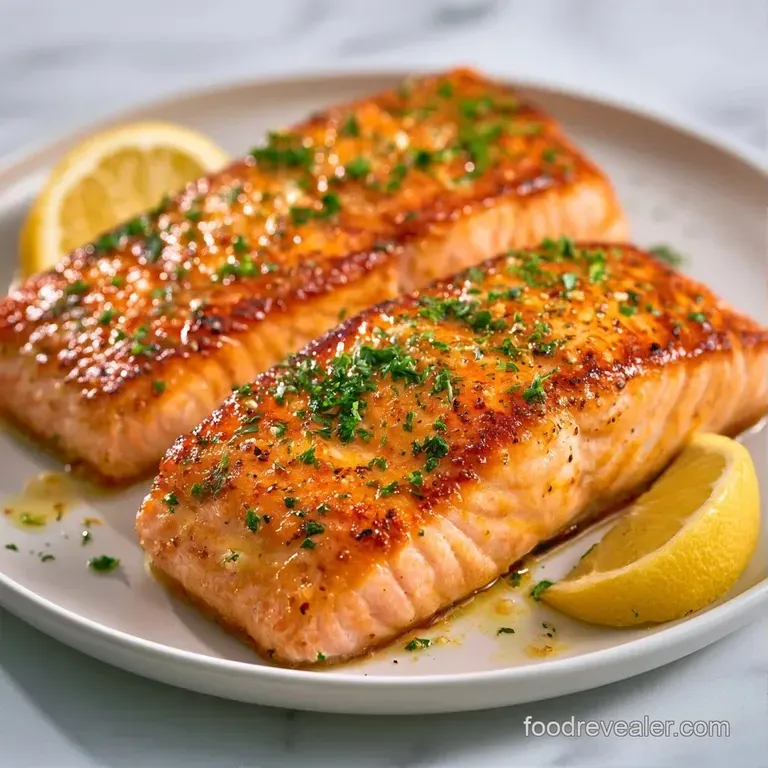
Prepping the Surface
- Preheat your oven to 400°F (200°C) and line a large rimmed baking sheet with parchment paper. Note: Parchment prevents the skin from sticking to the metal
- Use heavy duty paper towels to pat the salmon fillets bone dry on all sides. Focus on the skin until it is completely matte. Note: This is the most important step for crispiness
- Rub the neutral oil directly onto the skin and the flesh of each fillet.
- Season generously with kosher salt and freshly cracked black pepper.
Executing the Roast
- Place the fillets skin side down on the baking sheet.
- Bake on the center rack for 12–15 minutes until the skin is deep golden brown and the flesh is opaque coral.
- Use an instant read thermometer to check the thickest part of the fillet. Remove at 125°F (52°C) for medium rare or 135°F (57°C) for medium. Note: According to Serious Eats, pulling the fish a few degrees early allows carry over heat to finish the job
Final Touches
- Let the fish rest on the pan for 5 minutes to allow carry over cooking to finish the internal temperature.
- Drizzle with melted unsalted butter.
- Garnish with chopped parsley and serve with lemon wedges.
Fixing Common Cooking Errors
It's easy to run into a few hiccups when you're starting out. The most common issue is the "white stuff" that leaks out of the fish. This is just albumin, a protein that pushes out when the muscle fibers contract. It's safe to eat, but not the prettiest sight.
Why Your Skin Is Soggy
If the skin isn't crisp, you probably had too much moisture on the surface or the oven wasn't hot enough. Make sure you pat it dry and don't crowd the pan, as that creates too much steam.
Preventing Overcooking
Salmon goes from "just right" to "dry cardboard" in about two minutes. Always use a thermometer rather than relying on a timer alone.
| Problem | Root Cause | Solution |
|---|---|---|
| Soggy Skin | Surface moisture | Pat dry with paper towels |
| Dry Flesh | Overcooked | Pull at 125-135°F |
| Sticking | No parchment/oil | Use parchment paper |
Adjusting the Serving Size
If you're just cooking for one, you can use a smaller toaster oven tray. Reduce the cook time by about 20% since there's less mass in the oven to absorb the heat.
When doubling the recipe for a group, don't crowd the fillets. If they touch, they will steam instead of roast. Use two separate baking sheets and rotate them halfway through. Be careful with the salt, too. I usually only increase the salt and pepper to 1.5x when doubling, as too much can draw out too much moisture.
| Original | Budget Alternative | Impact | Savings |
|---|---|---|---|
| Fresh Salmon | Frozen Fillets | Slightly more moisture | $2-5 per lb |
| Fresh Parsley | Dried Parsley | Less vibrant color | $1-2 |
| Unsalted Butter | Margarine | Different flavor profile | $0.50 |
Salmon Cooking Myths
Some people say you need to sear the skin in a pan first to get it crispy. That's a lot of extra work and messy oil splatters. A hot 400°F oven does the same job if the skin is dry.
Another myth is that you should "seal in the juices" by searing. Moisture loss happens regardless of how you start. The goal of the high heat is flavor and texture, not creating a waterproof seal.
Storing and Using Leftovers
Leftover Oven Baked Salmon with Skin stays good in the fridge for 3 days. Store it in an airtight container. To reheat, avoid the microwave. It makes the fish rubbery and the skin soft. Instead, pop it in a 350°F oven for 5-7 minutes on a wire rack.
Don't throw away the leftover scraps or the skin if some didn't get eaten. You can chop up the cold salmon and mix it with mayo and lemon for a quick salad. If you have salmon bones or trimmings, freeze them in a bag to make a quick fish stock later.
Best Side Dish Pairings
This dish is quite rich, so you need something bright to balance it. A simple lemon butter asparagus or a crisp cucumber salad works brilliantly.
If you want a more filling meal, I recommend serving this with a side of fluffy quinoa or roasted root vegetables. For a full seafood spread, start the meal with some New England Clam Chowder to set the mood.
If you're looking for a light snack to go alongside the meal, Sourdough Discard Crackers provide a great crunch. If you find this recipe too simple and want something more decadent next time, try this Baked Cod in Coconut Lemon Sauce for a completely different vibe.
Right then, you're all set. Just remember: pat it dry, watch the temp, and let it rest. Trust me on this, and you'll have a dinner that actually tastes like it came from a professional kitchen.
Recipe FAQs
Do you cook salmon skin up or down in the oven?
Skin side down. Placing the skin against the baking sheet ensures it makes direct contact with the heat for a deep golden brown, crispy finish.
Is it best to cook salmon at 350 or 400?
400°F is ideal. Higher heat helps crisp the skin quickly and prevents the flesh from drying out during a shorter bake time.
How long do you keep salmon in the oven at 400 degrees?
Bake for 12 15 minutes. Pull the fillets when an instant read thermometer hits 125°F for medium rare or 135°F for medium.
How to cook a salmon fillet in an oven?
Pat the fillets bone dry, rub with neutral oil, and season with salt and pepper. Place skin side down on a parchment lined sheet and bake at 400°F for 12 15 minutes.
How to bake salmon in foil in an oven?
Wrap the fillets loosely in foil to steam the fish. Note that this method prevents the skin from achieving the golden crispness of open baking.
Is it true that grilled salmon is healthier than baked salmon?
No, this is a common misconception. Both methods are highly nutritious; the difference is primarily in the flavor profile and surface texture.
How to cook salmon for diabetics?
Avoid adding sugars or honey based glazes. Stick to the neutral oil, salt, and lemon used in this recipe to keep the glycemic index low. This pairs perfectly with a rich blender sauce for added flavor.
Oven Baked Salmon With Skin

