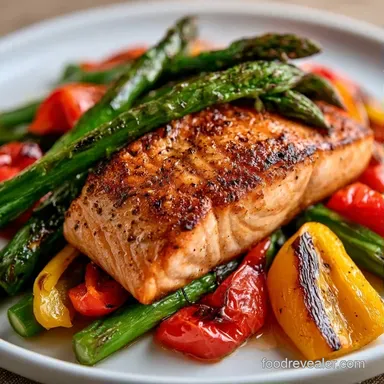
Lemon Pepper Salmon Sheet Pan: Tender and Zesty
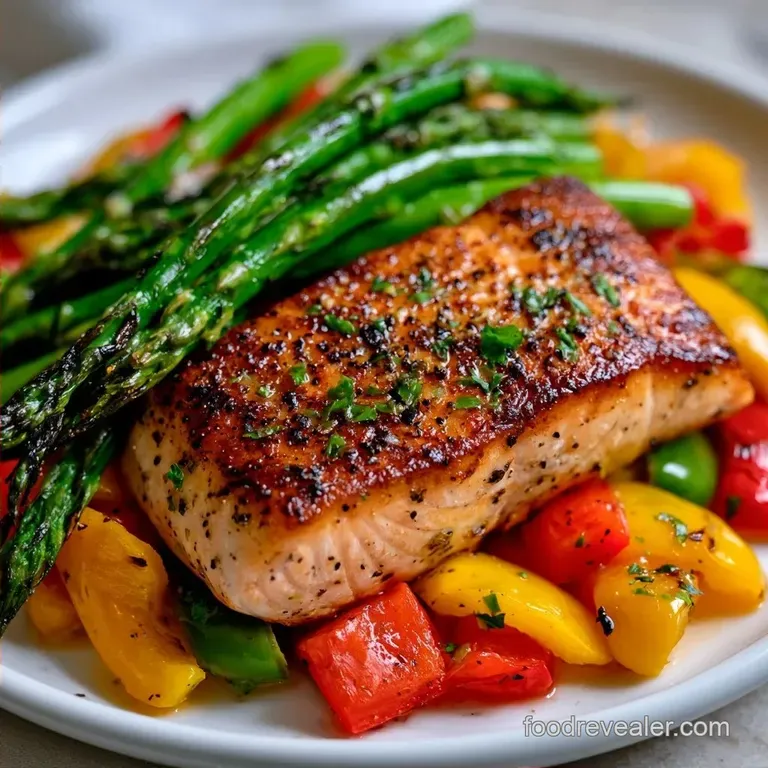
- Time: 10 min active + 20 min cook
- Flavor/Texture Hook: Zesty, buttery glaze with flaky fish
- Perfect for: Weeknight dinner, beginner friendly, healthy meal prep
Sizzle. That's the sound of melted butter hitting hot salmon. I used to think you had to sear fish in a heavy skillet to get a decent crust, but that just meant more dishes and a kitchen full of oil splatter. I stopped doing that once I realized the oven does most of the heavy lifting if you treat the timing right.
You don't need a fancy pan or a professional setup to get a great result here. The goal is to keep the fish moist while the lemon and pepper bite through the richness of the salmon. This is a straightforward meal that feels fancy but takes almost no effort.
When you make this Lemon Pepper Salmon, you're essentially making a one pan feast. You get the omega-3s, the vitamins from the greens, and a flavor profile that's bright and punchy. It's my go to when I'm tired but still want something that tastes like it took an hour to prep.
Why the Staggered Roast Works for Lemon Pepper Salmon
The biggest issue with one pan meals is that everything cooks at different speeds. If you put the salmon and the asparagus in at the same time, you'll either have raw vegetables or a piece of fish that tastes like a cardboard box.
Vegetable Head Start: Asparagus and peppers need about 10 minutes more than the fish to soften. By roasting them first, they hit the right texture exactly when the salmon finishes.
Butter Barrier: The melted butter glaze acts as a shield. It keeps the moisture locked inside the fillet while the high heat of the oven browns the edges.
| Method | Time | Texture | Best For |
|---|---|---|---|
| Oven Roast | 30 mins | Tender & Uniform | Easy cleanup, multiple servings |
| Stovetop | 15 mins | Crispy Skin | Single fillets, fast sear |
| Air Fryer | 12 mins | Firm & Charred | Small portions, maximum crisp |
The beauty of the oven method is the consistency. You aren't hovering over a pan, flipping fillets and hoping they don't break. You just set the timer and walk away.
What You'll Need to Know
Before we get into the steps, let's look at how the ingredients actually function in this dish. It's not just about flavor, it's about how they interact under heat.
| Ingredient | What It Does | Best Swap |
|---|---|---|
| Unsalted Butter | Carries flavor and prevents drying | Olive oil (for dairy-free) |
| Lemon Zest | Provides the concentrated citrus punch | Extra lemon juice |
| Lemon Pepper Seasoning | Adds the primary salty, peppery base | Fresh cracked pepper + salt |
| Asparagus | Adds a fresh, earthy crunch | Green beans or broccoli |
Since we are using 400°F (200°C), the heat is high enough to roast the vegetables but not so high that it burns the butter glaze instantly. The lemon juice in the glaze provides a bit of acidity that cuts through the fat of the salmon.
The Ingredients and Swaps
Grab these items from your pantry. I've listed a few alternatives if you're missing something or have a dietary restriction.
- 4 (6 oz) salmon fillets, skin on Why this? Skin on protects the meat from the pan's heat
- 1 lb asparagus, woody ends trimmed Why this? Cooks quickly and matches the lemon profile
- 2 medium bell peppers, sliced into strips Why this? Adds sweetness to balance the pepper
- 2 tbsp olive oil Why this? High smoke point for roasting
- 1/2 tsp salt
- 1/4 tsp cracked black pepper
- 3 tbsp unsalted butter, melted Why this? Creates a rich, glossy finish
- 1 tbsp fresh lemon juice
- 1 tsp lemon zest
- 1 tbsp lemon pepper seasoning
- 2 cloves garlic, minced
If you can't find salmon, this works great with other thick fillets. For a leaner option, you can try a Baked Cod recipe, though you'll want to reduce the cook time by about 3 minutes since cod is thinner.
The Only Tools You Need
You don't need a kitchen full of gadgets for this. In fact, the fewer tools you use, the better the experience.
- Large Baking Sheet: A standard rimmed sheet pan works best to keep the oil from dripping.
- Parchment Paper: This is a must. It prevents the salmon skin from sticking and makes cleanup a 10 second job.
- Small Mixing Bowl: For whisking the glaze.
- Meat Thermometer: The only way to be 100% sure you haven't overcooked the fish.
Chef Note: If you don't have parchment paper, grease the pan with oil. But be warned, the lemon and butter can sometimes caramelize and stick to the metal, making scrubbing a pain.
Putting the Meal Together
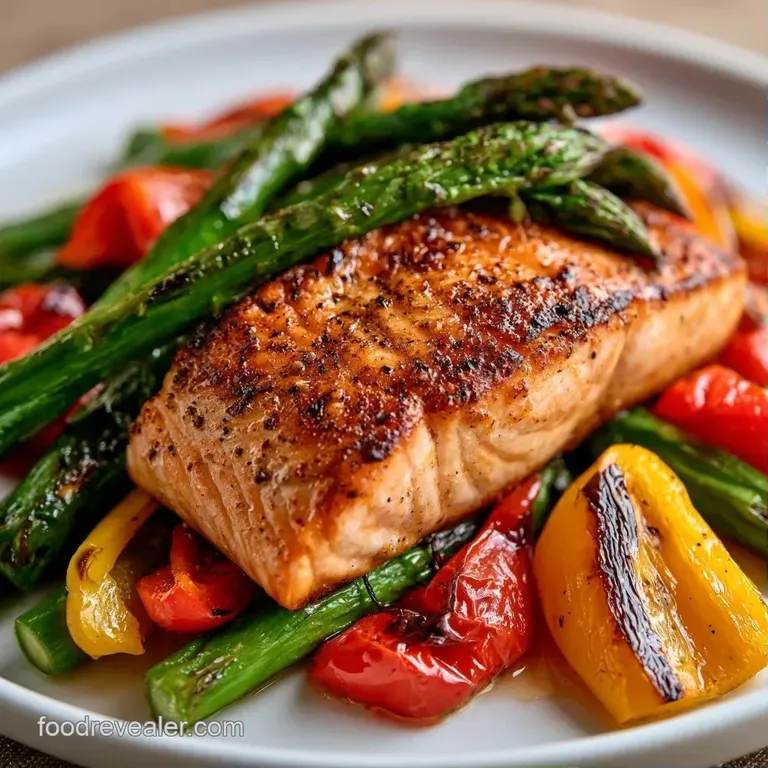
Let's get cooking. Follow these steps exactly to keep the timing in sync.
Phase 1: The Vegetable Head Start
- Preheat your oven to 400°F (200°C) and line your baking sheet with parchment paper.
- Place the trimmed asparagus and sliced bell peppers on the pan. Drizzle with olive oil, salt, and black pepper. Toss until evenly coated.
- Spread the vegetables to the edges of the pan, leaving four clear spaces in the center for the salmon.
- Roast the vegetables for 8–10 minutes until they start to soften and brown slightly.
Phase 2: The Zesty Glaze & Salmon Prep
- While the vegetables roast, whisk together the melted butter, lemon juice, zest, lemon pepper seasoning, and minced garlic in a small bowl.
- Pat the salmon fillets completely dry with paper towels. Note: Moisture on the surface causes steaming instead of roasting
Phase 3: The Final Roast
- Place the salmon in the center of the pan and spoon the lemon pepper glaze generously over each fillet, coating the top and sides.
- Return the pan to the oven and bake for 10–12 minutes, until the salmon is opaque pink and reaches an internal temperature of 135°F (57°C).
Let the fish rest for 5 minutes before serving. This allows the juices to redistribute, ensuring every bite is tender.
Troubleshooting Your Roast
Even with a simple recipe, things can go sideways. Usually, it comes down to the thickness of the fish or the moisture of the veggies.
If Your Salmon is Dry
This usually happens if the fillets are thin or if you leave them in past the 135°F mark. Salmon continues to cook for a few minutes after it leaves the oven, which is called carryover cooking. Pull it out a few degrees early.
If Veggies are Soggy
Soggy vegetables happen when the pan is overcrowded. If the pieces are touching too much, they steam instead of roast. Give them space to breathe on the sheet pan.
| Problem | Root Cause | Solution |
|---|---|---|
| Salmon is raw in middle | Fillet was too thick | Increase bake time by 2-3 mins |
| Glaze burned | Oven temp too high | Check oven calibration or lower to 375°F |
| Asparagus is charred | Overcooked in first phase | Reduce initial roast to 7 mins |
The key is the thermometer. Don't guess based on color alone. The internal temperature is the only reliable metric.
Easy Ways to Change Flavors
Once you've nailed the base Lemon Pepper Salmon, you can tweak it to keep things interesting.
- Mediterranean Style: Swap the lemon pepper seasoning for dried oregano and add a few kalamata olives to the pan during the last 10 minutes.
- Sweet and Zesty: Add a teaspoon of honey or maple syrup to the butter glaze. This creates a sticky, caramelized crust.
- dairy-free: Use a high-quality vegan butter or just increase the olive oil. The flavor remains almost identical.
If you want to switch up the protein entirely, you can use the same vegetable base for shrimp, but be careful. Shrimp only needs 5-7 minutes in the oven, so add them at the very end.
Storage and Leftover Ideas
Salmon is best fresh, but it's still great the next day if you store it properly.
Fridge Storage: Place the salmon and vegetables in an airtight container. It stays good for 3 days.
Reheating: Avoid the microwave if you can. It turns salmon rubbery. Instead, put it in a 275°F (135°C) oven for about 10 minutes or warm it gently in a skillet with a splash of water to keep it moist.
Zero Waste Tips: Don't toss the lemon halves. Squeeze the last bit of juice into your salad or use the rinds to make a natural cleaner. If you have leftover asparagus, chop it up and stir it into a morning omelet.
What to Serve on the Side
While the asparagus and peppers are great, sometimes you want a bit more on the plate.
For a filling meal, I love pairing this with a Rice Salad for some cool, refreshing contrast. If you're keeping it low carb, some sautéed spinach or a simple arugula salad with balsamic glaze works perfectly.
Another great option is a side of quinoa or farro. These grains soak up the extra lemon butter that drips off the fish on the pan. Just spoon that liquid gold right over the grains.
This Pepper Salmon Sheet Pan approach is all about efficiency. You get a high protein, nutrient dense meal without spending your entire evening in the kitchen. Once you see how easy a Salmon Sheet Pan dinner is, you'll probably stop using the skillet for everything.
Right then, get your oven preheated and give this a shot. It's a reliable, tasty way to get dinner on the table without the stress. Trust me, your future self will thank you when you realize there's only one pan to wash.
Recipe FAQs
How to cook salmon in the oven?
Preheat your oven to 400°F (200°C). Place fillets on a parchment lined sheet, apply the lemon pepper glaze, and bake for 10 12 minutes.
How to make sure you don't overcook while baking salmon?
Use a meat thermometer to hit an internal temperature of 135°F (57°C). Remove the fish once it is opaque pink to prevent it from becoming dry.
What goes well with baked fish?
Fresh, acidic sides balance the richness of the fish. While asparagus is roasted here, a cucumber tomato avocado salad provides a bright, cool contrast to the buttery glaze.
Is it true that you can microwave leftover salmon for the best results?
No, this is a common misconception. Microwaving often turns salmon rubbery. Warm it in a 275°F (135°C) oven for 10 minutes instead.
What's the best way to cook salmon for a quick weeknight meal?
Use a single sheet pan for both the fish and vegetables. This streamlines the process and reduces cleanup while ensuring everything finishes cooking together.
How to prep the salmon fillets before glazing?
Pat the fillets completely dry with paper towels. Removing excess surface moisture allows the butter and lemon glaze to stick to the fish better.
What are the easiest side dishes to make with baked salmon?
Roast trimmed asparagus and sliced bell peppers on the same pan. Toss them in olive oil, salt, and pepper, and roast for 8 10 minutes before adding the salmon to the center.
Lemon Pepper Salmon Sheet Pan