Sourdough Discard Crackers: Shatter-Crisp and Tangy
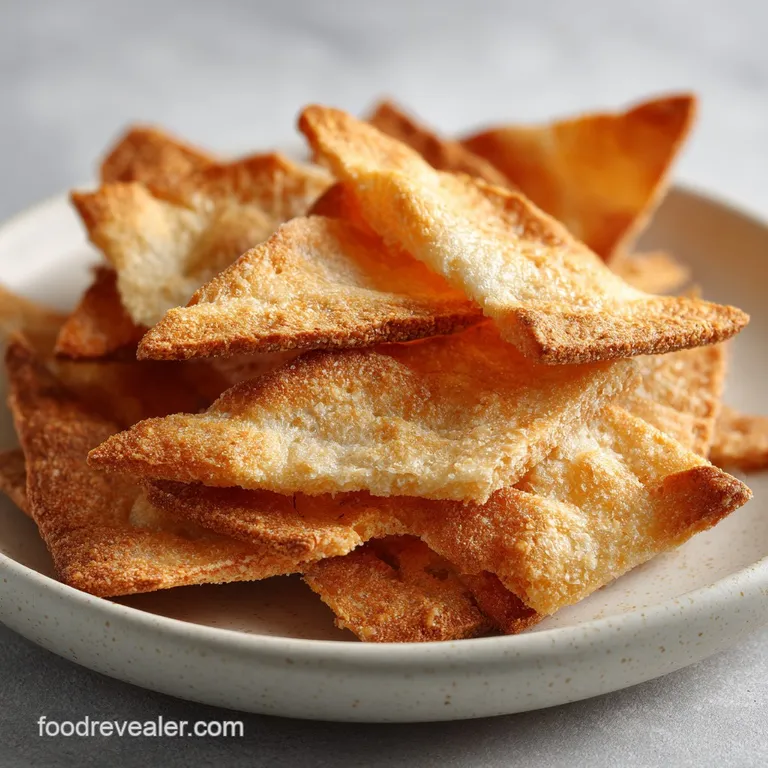
- Time: Active 45 minutes, Passive 20 minutes, Total 65 minutes
- Flavor/Texture Hook: Irresistibly tangy with a glass like shatter
- Perfect for: Low waste kitchen days, charcuterie boards, or beginner bakers
- Turning Flour Scraps into Crispy Sourdough Discard Crackers
- Essential Numbers for Every Batch
- Why This Technique Works
- Component Analysis
- Choosing Elements for Maximum Flavor
- The Few Tools Needed
- Simple Steps for Rolling and Baking
- Fixing Texture Issues and Baking Mistakes
- Creative Ways to Change Your Flavors
- Myths About Discard Baking
- Keeping Your Snacks Fresh for Longer
- Creative Serving Ideas
- Very High in Sodium
- Recipe FAQs
- 📝 Recipe Card
Turning Flour Scraps into Crispy Sourdough Discard Crackers
Forget every single thing you’ve heard about sourdough discard being a "chore" or something you only keep out of guilt. There’s a massive myth floating around the bread making community that discard is just a weak, acidic byproduct that needs to be "disguised" in pancakes or waffles.
Honestly, that's just wrong. Discard is actually a secret weapon for texture. It brings a built in depth of flavor that a standard cracker dough made from just water and flour could never dream of achieving.
When that tangy starter hits the heat of a 350°F (180°C) oven, something magical happens. The kitchen fills with this toasted, nutty aroma that smells more like a high end bakery than a home kitchen.
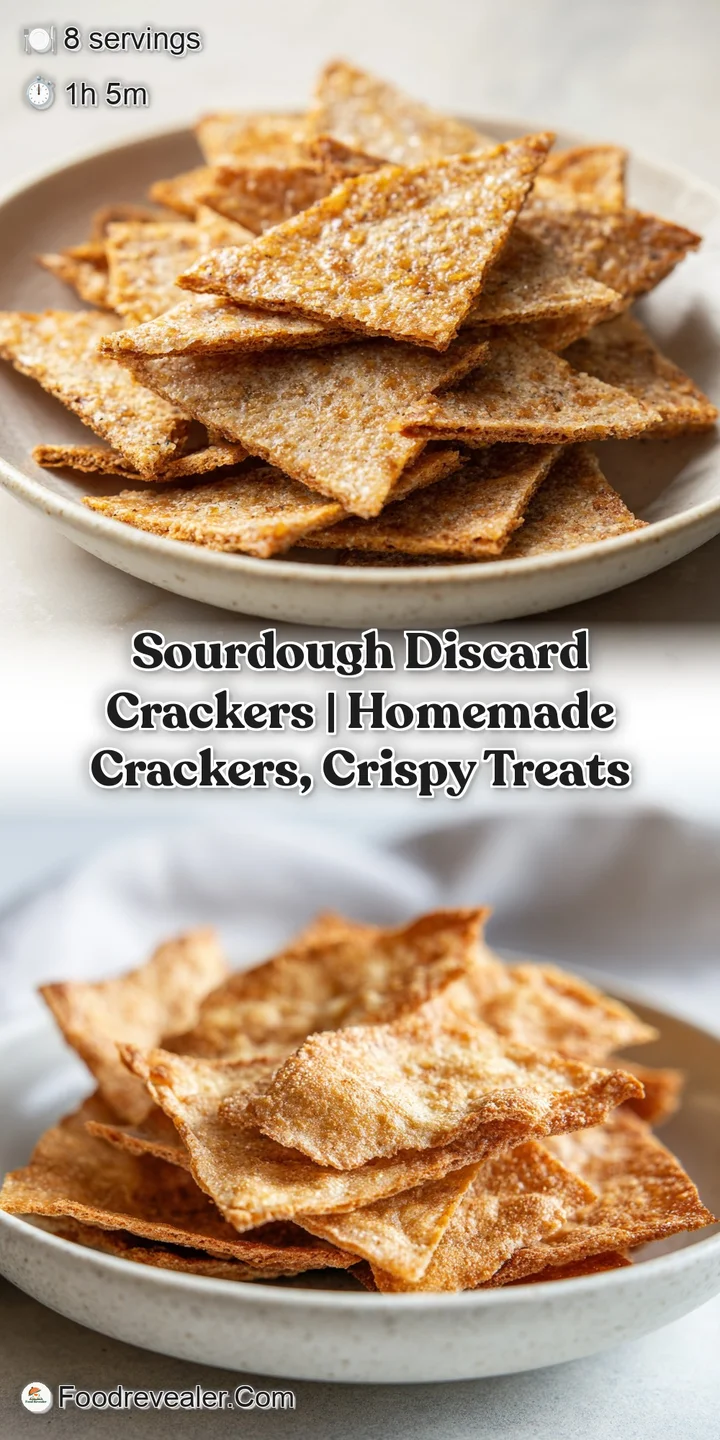
The first time I pulled a tray of these Sourdough Discard Crackers out of the oven, I wasn't even planning on sharing them. I just wanted to clear out my fridge. But then I heard that sound a distinct, sharp snap as I broke one in half.
It wasn't chewy or doughy; it had this incredible shatter that reminded me of those fancy artisanal boxes that cost ten bucks at the specialty grocer. I ended up eating half the tray standing right there at the counter, dipping them into a bit of leftover hummus.
It’s one of those rare recipes where the "trash" ingredient is actually the star of the show.
Right then, let's get into why this works. We aren't just mixing stuff together and hoping for the best. We’re using a few specific techniques to make sure these stay crisp for days rather than turning into soggy cardboard by tomorrow morning.
It’s all about managing the moisture and letting the gluten take a nap before we force it to become paper thin. You don’t need a pasta roller or fancy equipment either; a simple rolling pin and a bit of patience will get you there.
Trust me, once you see how easy it is to turn that jar of goo into a stack of salty, herbaceous snacks, you’ll start looking forward to your starter feedings just so you have an excuse to bake these.
Essential Numbers for Every Batch
Getting the timing right is the difference between a cracker that's delightfully crisp and one that's a tooth breaking disappointment. We’re aiming for a specific window of golden brown perfection. If you pull them too early, the centers will be soft; too late, and the delicate herbs will turn bitter.
These numbers are your roadmap to success, ensuring that every batch comes out with that signature crunch we’re after.
Active Tension: The acidity in the discard naturally weakens gluten, but the mixing process brings it back to life. You'll notice the dough goes from a shaggy mess to a smooth, playdough like consistency within about three minutes of mixing. This is the sweet spot.
Temperature Control: We are baking at 350°F (180°C). This moderate heat allows the moisture to evaporate completely without burning the Parmesan cheese. If we went higher, the cheese would scorched before the flour fully dried out.
| Cooking Method | Time | Texture | Best For |
|---|---|---|---|
| Oven (Standard) | 20 minutes | Brittle, even snap | Most consistent results for large batches |
| Stovetop (Cast Iron) | 8-10 mins | Chewy crisp, charred | Small amounts, flatbread style texture |
| Air Fryer | 12 minutes | Extra bubbly, light | Quick snacks, very small batches |
Choosing the right method depends on how much time you have and what texture you crave. While the stovetop method is faster, it requires constant attention and usually results in a thicker, more rustic cracker. For that classic, uniform crunch that mimics a boxed cracker, the oven is your best friend.
It provides a steady, dry heat that pulls every last drop of moisture out of the dough, which is the secret to a long shelf life.
Why This Technique Works
Most people think crackers are just baked dough, but there's a specific interaction happening here between the fats and the fermented flour. Understanding a few of these points will help you troubleshoot any batch you make in the future.
- Acidic Tenderness: The lactic acid in the sourdough discard breaks down flour proteins, ensuring the cracker is crisp rather than tough.
- Lipid Barrier: Coating the flour particles in melted butter prevents excess water absorption, which stops the gluten from becoming too elastic and "bready."
- Evaporative Pockets: As the water in the discard turns to steam in the oven, it creates tiny air bubbles that result in a light, flaky shatter.
- Protein Strengthening: The addition of Parmesan provides extra structure and fat, which helps the cracker hold its shape even when rolled incredibly thin.
Component Analysis
| Ingredient | Science Role | Pro Secret |
|---|---|---|
| Sourdough Discard | Flavor & Hydration | Use it straight from the fridge; the cold temp helps keep the butter from separating during the initial mix. |
| All Purpose Flour | Structural Base | Sift your flour if it looks clumpy; even distribution prevents "tough spots" in the finished cracker. |
| Melted Butter | Fat & Shortening | Allow it to cool slightly after melting. If it’s boiling hot, it can "cook" the flour prematurely and ruin the texture. |
| Parmesan Cheese | Umami & Crispness | Use the finely grated "sand like" version for the smoothest dough, or microplaned for a lacey look. |
Choosing Elements for Maximum Flavor
When you’re looking at your pantry, remember that the quality of your flour and salt will be front and center here. Since there are so few ingredients, each one has to pull its weight.
- 250g sourdough discard: Why this? Provides the tangy base and the necessary moisture for the dough. (Substitute: 125g flour + 125g water + 1 tsp lemon juice)
- 120g all purpose flour: Why this? Offers the perfect protein balance for a crisp, non crumbly snack. (Substitute: Whole wheat flour for a nuttier, denser bite)
- 55g unsalted butter, melted and cooled: Why this? Creates the "short" texture that makes these melt in your mouth. (Substitute: Olive oil for a more savory, Mediterranean profile)
- 5g fine sea salt: Why this? Seasons the dough from within to highlight the fermentation notes. (Substitute: Table salt, but reduce by 1/4 teaspoon)
- 1 tbsp flaky sea salt: Why this? Adds a visual pop and a targeted burst of saltiness on the tongue. (Substitute: Coarse kosher salt)
- 1 tbsp dried herbs (like rosemary or thyme): Why this? Infuses the crackers with an aromatic depth that pairs with cheese. (Substitute: Everything bagel seasoning)
- 30g finely grated Parmesan: Why this? Adds savory umami and helps the crackers brown evenly. (Substitute: Nutritional yeast for a dairy-free version)
The Few Tools Needed
You really don't need a kitchen full of gadgets to make world class crackers. In fact, keeping it simple usually leads to better results because you're more "in tune" with the dough.
First, grab a solid medium mixing bowl. You want something with enough room to work the dough with a spatula without flour flying everywhere. A silicone spatula is great for the initial mix because the discard can be quite sticky, and silicone handles that better than a wooden spoon.
Next, you'll need a rolling pin. If you don't have one, a smooth wine bottle works in a pinch, but a heavy marble or wooden pin makes it much easier to get the dough down to that 1/16th of an inch thickness we're looking for. Finally, parchment paper is non negotiable.
You’ll want to roll the dough directly onto the paper so you can slide the whole sheet onto your baking tray. This prevents the dough from stretching or tearing when you try to move it.
Chef's Tip: If the dough keeps sticking to your rolling pin, don't just dump more flour on it. Place a second sheet of parchment paper on top of the dough and roll over the paper. It keeps everything clean and ensures a perfectly smooth surface.
Simple Steps for Rolling and Baking
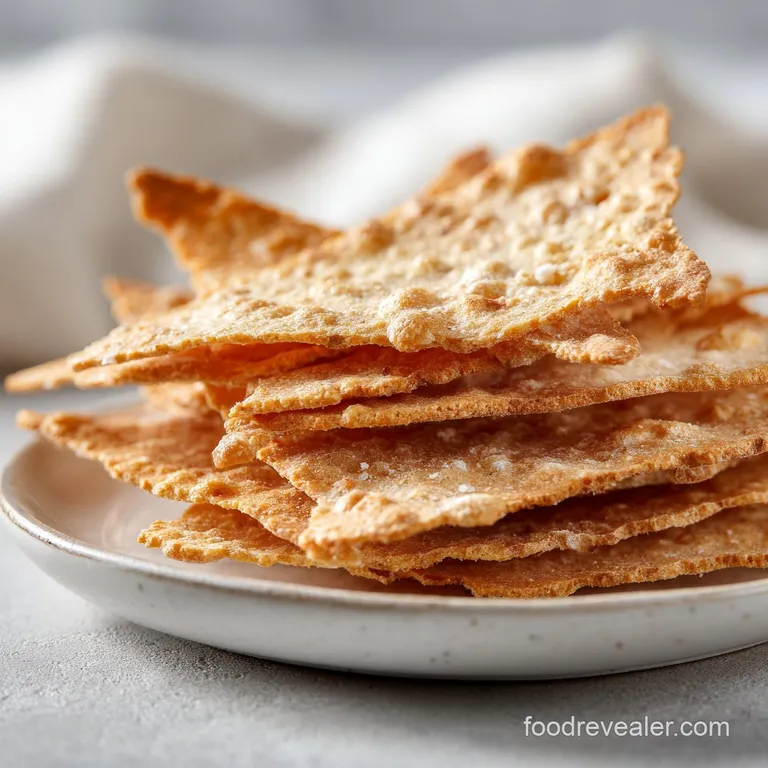
- In a medium bowl, combine the 250g sourdough discard, 120g all purpose flour, 55g melted butter, 30g Parmesan, and 5g fine sea salt.
- Mix with a spatula until a cohesive ball forms and the dough feels like soft playdough. Note: If it feels too sticky, add a tablespoon of flour; if too dry, add a teaspoon of water.
- Wrap the dough tightly in beeswax wrap or plastic wrap and allow it to rest for 30 minutes. Note: This relaxes the gluten, making it much easier to roll thin without it springing back.
- Preheat your oven to 350°F (180°C) and prepare two large baking sheets with parchment paper.
- Divide the dough in half and place one portion on a sheet of parchment.
- Roll the dough until it is nearly translucent and about 1/16th of an inch thick. Note: Even thickness is the secret to an even bake.
- Brush the top lightly with a tiny bit of water or oil, then sprinkle with the flaky salt and dried herbs.
- Use a pizza cutter or a sharp knife to score the dough into squares or diamonds. Note: You don't need to separate them; they will snap apart after baking.
- Use a fork to "dock" or poke holes into each cracker. Note: This prevents them from puffing up like pita bread.
- Bake for 20 minutes until golden and crackling. Note: Keep a close eye during the last 3 minutes as the edges can brown quickly.
Fixing Texture Issues and Baking Mistakes
Sometimes things don't go exactly as planned, especially when you're dealing with the variable hydration of sourdough discard. If your starter was a bit more liquid than usual, your dough might feel like a swamp. Or maybe you're dealing with a humid day and the crackers just won't crisp up. Don't toss the batch!
Most of these issues are easily fixed.
Why Your Crackers Are Soggy
If you pull them out and the centers feel flexible instead of snapping, it’s almost always a thickness issue. If the edges are dark but the middle is pale, you likely rolled the center thicker than the perimeter.
You can fix this by popping them back into a 300°F (150°C) oven for another 5-10 minutes to "dehydrate" them. This lower temp will dry them out without burning the already browned edges.
Why the Dough Shrank
If you find yourself fighting the dough as you roll it it keeps pulling back like a rubber band you haven't let the gluten rest long enough. The 30 minute rest in the instructions isn't just a suggestion; it’s a biological necessity. The proteins need time to relax after being stirred.
If it’s still stubborn, walk away for another 15 minutes. It will behave much better after a second nap.
| Problem | Root Cause | Solution |
|---|---|---|
| Crackers are tough | Overworked dough | Mix only until combined; do not knead like bread. |
| Bitter taste | Burnt herbs or cheese | Reduce oven temp to 325°F (165°C) and bake slightly longer. |
| No "snap" | High moisture content | Use a mature discard and ensure butter is cooled before adding. |
If you've got extra discard after this, you have to try these fudgy brownies. They use the same principle of acidity to create a moist, decadent crumb.
Common Mistakes Checklist:
- ✓ Always rest the dough for at least 30 minutes (prevents shrinking).
- ✓ Roll the dough directly on parchment paper (prevents tearing during transfer).
- ✓ Dock the dough with a fork (prevents large air bubbles from forming).
- ✓ Rotate the baking sheet halfway through (ensures even browning).
- ✓ Let them cool completely on the tray before storing (sets the crunch).
Creative Ways to Change Your Flavors
Once you have the base dough down, you can treat it like a blank canvas. I love the classic Parmesan and rosemary, but honestly, the possibilities are endless. You can lean into spicy, sweet, or even smoky profiles depending on what's in your spice cabinet.
Sourdough Discard Cheese Crackers
If you want something that tastes like a "grown up" version of a Cheez It, swap the Parmesan for an extra sharp white cheddar. You’ll want to grate the cheddar as finely as possible so it distributes evenly. Add a half teaspoon of smoked paprika to the dough to give it that classic orange hue and a hint of depth.
These are dangerous you'll eat the whole tray before they even cool down.
The Everything Crunch
For a more deli style vibe, leave the herbs out of the dough and instead top the rolled crackers with everything bagel seasoning. The dried garlic and onion bits get toasted in the oven and smell incredible. If you're going this route, you might want to try these with a bit of cream cheese or a savory BLT wrap for a full lunch.
Scaling Your Batch
If you're hosting a party and need to double the recipe, it’s quite simple. For a 2x batch, use 500g discard and 240g flour. However, be careful with the salt. I recommend only increasing the fine sea salt to about 8g rather than the full 10g, as the flavors concentrate during the bake.
Work in batches when rolling; don't try to roll the whole 2x dough at once or it will get warm and greasy.
Myths About Discard Baking
One big misconception is that the discard has to be "fresh" (i.e., from that morning's feeding). Actually, for crackers, "old" discard that's been sitting in the fridge for a week is often better. The acid profile is stronger, which leads to a more pronounced tang and a more tender cracker.
The only time discard is "too old" is if it has developed a pink or fuzzy mold. That grey liquid on top (hooch)? Just stir it back in; it's pure flavor.
Another myth is that you need a specialized cracker docker. You really don't. A common kitchen fork is perfectly fine. The goal is just to create pathways for steam to escape so the top and bottom layers of the dough don't separate and create a hollow puff.
It’s a functional step, not just an aesthetic one, but it doesn't require a $20 tool from a kitchen boutique.
Keeping Your Snacks Fresh for Longer
Storing homemade crackers is all about the war against humidity. If you live in a damp climate, you’ll notice these lose their snap within about 24 hours if left on the counter. The best way to store them is in an airtight glass jar or a tin.
Plastic bags tend to trap a little bit of residual moisture which can soften them up.
- Storage: Keep at room temperature in an airtight container for up to 7 days.
- Freezing: You can actually freeze the unbaked dough! Wrap it tightly in plastic and then a layer of foil. It will last for 3 months. Thaw it overnight in the fridge before rolling.
- Zero Waste Tip: If your crackers do go soft, don't throw them away. Toss them back on a baking sheet at 300°F (150°C) for 5 minutes and they’ll crisp right back up. Alternatively, crush the stale crackers into coarse crumbs and use them as a "sourdough breading" for baked chicken or as a topping for mac and cheese. The Parmesan and herbs already in the dough make for the best breadcrumbs you've ever had.
Creative Serving Ideas
These are robust enough to stand up to heavy dips, which is why I love them for entertaining. They pair beautifully with a sharp goat cheese or a honey drizzled baked brie. The tang of the sourdough cuts through the richness of the fat in the cheese perfectly.
If you want to go the "snack mix" route, break the crackers into smaller, irregular shards and toss them with some roasted almonds and dried cranberries. It’s a great way to use up those little broken pieces at the bottom of the tray. Whatever you do, make sure you have a cold drink nearby. The salt and the savory Parmesan practically demand a crisp glass of cider or a cold sparkling water. If you want something heartier to go alongside, this French bread recipe is a total winner and uses a similar sourdough logic. Enjoy the crunch!
Very High in Sodium
985 mg 985 mg (43% 43%)
The American Heart Association recommends a limit of 2,300mg per day, with an ideal limit of 1,500mg for most adults.
Tips to Reduce Sodium
-
Reduce Added Salt-25%
Significantly decrease or omit the 5g fine sea salt. You can gradually reduce this amount over time to allow your taste buds to adjust.
-
Use Less Parmesan-15%
Reduce the amount of finely grated Parmesan. While flavorful, Parmesan cheese is high in sodium. Try using half the amount or a lower sodium cheese alternative.
-
Boost Flavor with Herbs and Spices
Ensure you're using a generous amount of dried herbs to add flavor without salt. Consider adding fresh herbs or other salt free seasonings like garlic powder or onion powder.
-
Consider a Salt Free Baking Soda-5%
If you are using a leavening agent that contains sodium bicarbonate, ensure it's a salt free version. This might be relevant if your sourdough starter has unique ingredients.
Recipe FAQs
Are sourdough discard crackers healthy?
They are a balanced snack option. While they contain butter and flour, using sourdough discard provides a more complex flavor profile and texture than standard crackers without needing highly processed additives.
How much discard do you need for sourdough crackers?
Use exactly 250g of sourdough discard. This specific amount ensures the dough reaches the correct consistency when combined with 120g of all-purpose flour and 55g of melted butter.
Is sourdough discard still good for your gut?
Yes, it remains beneficial. Even when used as a discard, the fermented starter introduces active cultures and organic acids that are easier to digest than unfermented dough.
What can you make with a lot of sourdough discard?
Create savory snacks like these crackers to reduce waste. If you enjoy the process of turning simple pantry staples into crispy results, you might also like the savory leek and bean dish which shares the same focus on simple, high impact ingredients.
How to ensure the crackers get a glass like shatter?
Roll the dough as thin as possible before baking. If the dough is too thick, it will remain chewy; aiming for a translucent, paper thin sheet is the secret to achieving that signature snap.
How to keep the dough from sticking while rolling?
Place the dough between two sheets of parchment paper. This prevents it from adhering to your rolling pin or counter without requiring extra flour that could toughen the final cracker.
Is it true I must bake these at a very high heat to get them crispy?
No, this is a common misconception. You must bake these specifically at 350°F (180°C) to allow the moisture to evaporate slowly, resulting in a perfectly even, golden crunch.
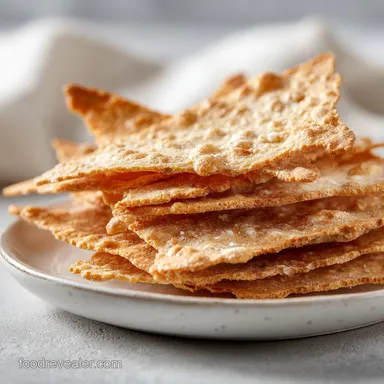
Sourdough Discard Crackers
Ingredients:
Instructions:
Nutrition Facts:
| Calories | 179 kcal |
|---|---|
| Protein | 4.3 g |
| Fat | 7.1 g |
| Carbs | 23.5 g |
| Fiber | 0.9 g |
| Sugar | 0.2 g |
| Sodium | 985 mg |
