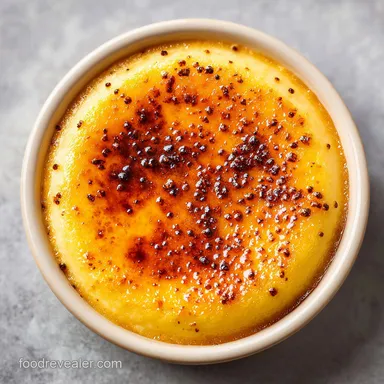
Old Fashioned Amish Baked Custard: Velvety Smooth
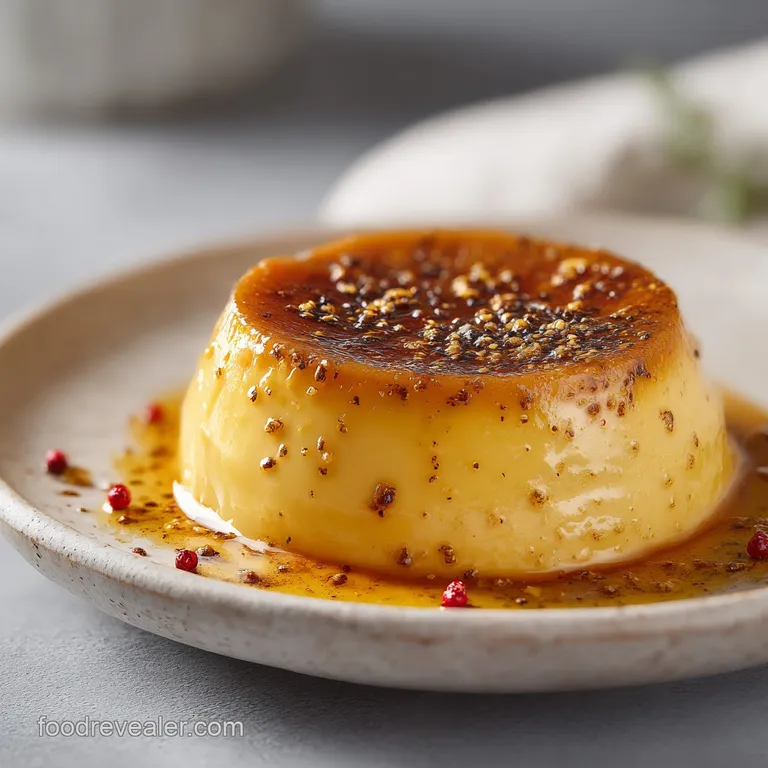
- Time:15 minutes active + 60 minutes baking = Total 75 minutes
- Flavor/Texture Hook: Velvety smooth with a warm, nutty nutmeg finish
- Perfect for: Cozy Sunday dinners or a simple, soul satisfying dessert
That first scent of nutmeg hitting hot milk is enough to stop me in my tracks every single time. It's a smell that feels like a hug from a grandmother you never had, filling the whole kitchen with this cozy, earthy aroma that promises something sweet is coming.
I remember the first time I tried making this for a family get together, and I was so nervous about the texture that I almost overbaked it into a rubbery cake.
But once I got the "jiggle" right, everything changed. There is this incredible contrast between the slightly browned, aromatic top and the cool, silky center that just gives way the moment your spoon touches it.
Using this amish baked custard recipe 2 is basically my shortcut to a dessert that feels fancy but requires almost zero effort, provided you don't rush the heat.
You can expect a dessert that is rich but not heavy, leaning on the natural sweetness of maple rather than heaps of refined sugar. It's a nostalgic dish that strips away the fuss of modern baking and focuses on a few high-quality ingredients.
Trust me, once you see that center wobble just a bit, you'll know you've hit the jackpot.
Amish Baked Custard Recipe 2
Right then, let's get into why this version works where others fail. Most people treat custard like a cake, but it's actually more like a slow set protein structure. If you blast it with heat, you get scrambled eggs. If you undercook it, you have sweet soup. The magic is in the gradual transition.
For those of you who like to compare, this version is a "classic" approach. Unlike the "fast" microwave versions that can be grainy, this oven baked method allows the flavors to meld and the texture to stabilize.
| Method | Time | Texture | Best For |
|---|---|---|---|
| Fast (Microwave) | 5-10 mins | Soft, slightly airy | Single cravings |
| Classic (Oven) | 75 mins | Velvety, dense | Family gatherings |
Where Most Custards Fail
Most people struggle because they don't respect the eggs. When you pour hot milk directly into cold eggs, the proteins shock and clump, leading to those annoying little white bits. According to Serious Eats, tempering is the key to a smooth emulsion, as it slowly raises the egg temperature without cooking them instantly.
Another huge mistake is overbaking. A custard continues to cook for about 10-15 minutes after it leaves the oven. If it looks "solid" in the oven, it'll be rubbery by the time it hits the table. You want that slight, gelatin like shake in the center to ensure it stays silky.
- Egg Binding
- Eggs create a network of proteins that trap the milk, turning liquid into a soft solid.
- Temperature Control
- Low heat prevents the proteins from tightening too much, which keeps the texture velvety.
- Sugar Buffering
- The syrup interferes with protein bonding, preventing the custard from becoming too stiff.
- Fat Integration
- Whole milk provides the lipids needed to carry the vanilla and nutmeg flavors across your palate.
Component Analysis
| Ingredient | Science Role | Pro Secret |
|---|---|---|
| Whole Milk | Base Liquid | Use room temp milk for faster tempering |
| Large Eggs | Structuring Agent | Use pasture raised for a deeper golden hue |
| Maple Syrup | Sweetener/Tenderizer | Pure Grade A Amber gives the best depth |
| Nutmeg | Aromatic Finish | Grate it fresh for a "shatter" of flavor |
Gather Your Ingredients
For this amish baked custard recipe 2, keep it simple. Don't bother with low-fat milk; the fat is what makes the texture luxurious.
- 4 cups whole milk Why this? Essential for the creamy, velvety mouthfeel
- 3 large eggs Why this? Provides the necessary structure and lift
- 1/2 cup pure maple syrup Why this? Adds a woody sweetness that sugar lacks
- 1 tsp pure vanilla extract Why this? Rounds out the sharpness of the eggs
- 1/4 tsp fine sea salt Why this? Balances the sweetness of the maple
- 1/2 tsp ground nutmeg Why this? The signature aromatic top note
Ingredient Swaps
| Original Ingredient | Substitute | Why It Works |
|---|---|---|
| Maple Syrup (1/2 cup) | Honey (1/2 cup) | Similar viscosity. Note: Stronger flavor, may overpower vanilla |
| Whole Milk (4 cups) | Half and Half (4 cups) | Higher fat content. Note: Makes it much richer and denser |
| Nutmeg (1/2 tsp) | Cinnamon (1/2 tsp) | Similar warmth. Note: Less earthy, more spicy sweet |
Essential Kitchen Tools
You don't need a professional kitchen for this, but a few things make it way easier. I highly recommend a fine mesh strainer. It's the only way to guarantee there are no stray egg bits in your final product.
You'll also need a heavy bottomed saucepan for the milk. If you use a thin pan, the milk can scorch at the bottom, and those burnt bits will ruin the flavor of the whole batch. A 9x9 inch baking dish is the standard here, but any square dish of similar volume works.
Making the Custard
Right then, let's crack on. Follow these steps and don't rush the tempering part.
- Heat the whole milk in a saucepan over medium low heat, stirring occasionally until steaming and small bubbles form around the edges. Note: Do not let it reach a rolling boil.
- Remove the pan from heat and stir in the salt.
- In a separate bowl, whisk the eggs and maple syrup until smooth.
- Slowly drizzle about 1/2 cup of the hot milk into the egg mixture, whisking constantly. Note: This is the tempering phase to prevent curdling.
- Gradually whisk in the remaining hot milk and the vanilla extract.
- Pour the mixture through a fine mesh strainer into a 9x9 inch baking dish. Note: This removes any uncooked egg remnants.
- Sprinkle the ground nutmeg evenly across the top.
- Bake in a 325°F (160°C) oven for 50-60 minutes until the edges are set but the center still has a slight, jiggly wobble.
Chef's Note: If you want an even smoother top, let the custard sit for 10 minutes before putting it in the oven to let any bubbles rise to the surface.
Fixing Texture Issues
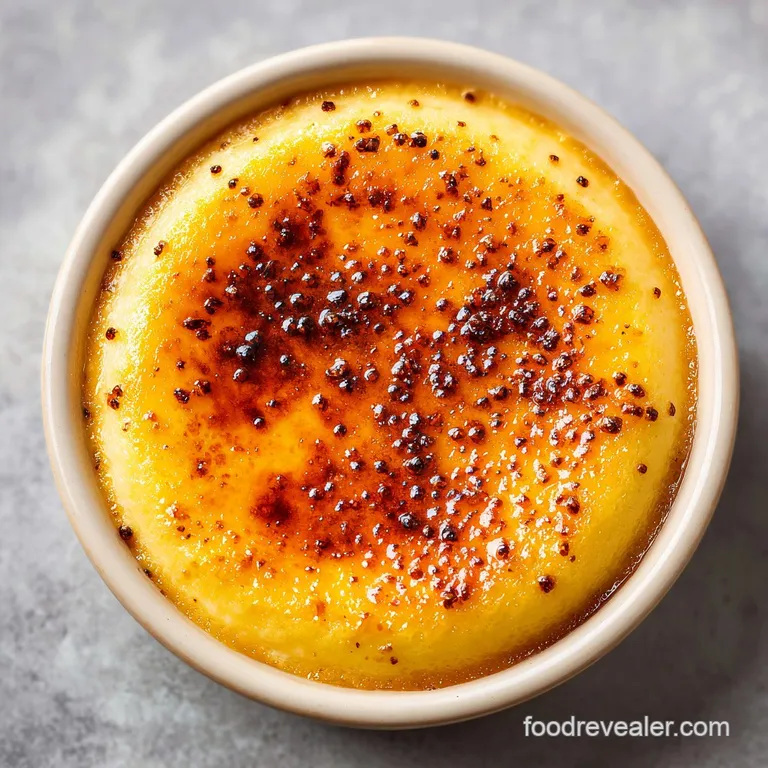
The most common complaint with this amish baked custard recipe 2 is the texture. Usually, it's a case of temperature management. If the top browns too quickly, you can tent it with foil, but the real battle is won in the center.
Why Your Custard Is Rubbery
This almost always happens because the oven temperature was too high or it stayed in too long. The egg proteins tighten up and squeeze out the moisture, leaving you with a spongy texture instead of a silky one.
Why Your Custard Is Weeping
"Weeping" (syneresis) happens when the custard is cooled too quickly or overcooked. The protein network collapses and releases the milk. Let it cool slowly at room temperature before moving it to the fridge.
| Problem | Root Cause | Solution |
|---|---|---|
| Grainy texture | Eggs curdled during tempering | Strain the mixture through a mesh sieve |
| Burnt top | Oven rack too high | Move rack to the middle or lower third |
| Liquid on top | Overcooked/Cooling too fast | Pull from oven while center is still jiggly |
Texture Success Checklist:
- ✓ Milk reached steaming point but didn't boil
- ✓ Eggs were tempered slowly with a whisk
- ✓ Mixture was strained into the baking dish
- ✓ Removed from oven while center still wobbles
- ✓ Cooled slowly on the counter for 30 mins
Customizing Your Flavor
While the classic version is hard to beat, you can definitely play with the profile. If you're serving this as part of a bigger brunch, it pairs beautifully with some Sourdough Cinnamon Rolls for a total sugar rush.
Different Sweeteners
If you don't have maple syrup, brown sugar works well for a more "caramel" vibe. Just dissolve the sugar into the hot milk first so you don't end up with gritty crystals at the bottom of your dish.
Flavor Add ins
You can stir in a pinch of ground ginger or cardamom along with the nutmeg for a more complex, spiced profile. For a citrus twist, add a teaspoon of lemon zest to the egg mixture before adding the milk.
Adjusting the Batch Size
Scaling this amish baked custard recipe 2 requires a bit of care, especially with the eggs.
Scaling Down (Half Batch): Use a smaller dish, like a loaf pan or a 6 inch square. Beat one egg in a small bowl, then use half of it (about 2 tablespoons) to keep the ratio exact. Reduce the baking time by about 15-20 minutes and start checking for the wobble early.
Scaling Up (Double Batch): Don't just double everything in one deep dish, or the edges will overcook before the center sets. Use two 9x9 dishes. Keep the temperature at 325°F (160°C), but you might need to extend the time by 10 minutes since there's more cold mass in the oven.
Common Custard Misconceptions
Some people think you need a water bath (bain marie) for every custard. While a water bath is great for cheesecakes, this specific Amish style relies on a lower oven temp and a shallow dish to achieve that same gentleness without the mess of a water tray.
Another myth is that you must use raw sugar for "authenticity." In reality, the maple syrup provides a depth of flavor and a specific moisture content that makes the custard more stable and velvety than white sugar ever could.
Storage and Reheating
Once cooled, cover the dish tightly with plastic wrap. It stays fresh in the fridge for up to 4 days. I actually think it tastes better on day two because the nutmeg and vanilla have more time to infuse into the cream.
For zero waste, if you have a bit of custard left that's starting to get too firm, stir it into a bowl of fresh berries or use it as a creamy base for a fruit parfait.
If you're craving something equally rich but with a different texture, you might enjoy a New Orleans Bread Pudding, which uses a similar custard base but adds the heartiness of bread.
Reheating Tips: Avoid the microwave if you can, as it tends to "pop" the custard and make it rubbery. Instead, let it come to room temperature or warm it very gently in a 250°F (120°C) oven for 5-10 minutes.
Best Ways to Serve
This is a dish that thrives on contrast. Since the custard is so velvety and rich, you need something to cut through that weight.
The Fresh Contrast Top each slice with a handful of tart raspberries or a slice of fresh peach. The acidity of the fruit balances the maple sweetness and cleanses the palate between bites.
The Protein Boost Serve it alongside a dollop of Greek yogurt or a sprinkle of toasted almonds. The crunch of the nuts against the silky custard is a sensation that honestly makes the whole experience better.
The Classic Pour For a truly indulgent treat, drizzle a tiny bit of extra maple syrup or a splash of heavy cream over the top right before serving. It turns a simple home dessert into something that feels like it came from a high end bistro.
Recipe FAQs
What is the ratio of eggs to milk in baked custard?
Use 3 large eggs for every 4 cups of whole milk. This specific ratio ensures a delicate, creamy set that is neither too rubbery nor too runny.
What is the secret to good custard?
Temper your eggs and use a fine mesh strainer. Slowly adding hot milk prevents eggs from scrambling, while straining removes lumps for a silky finish. If you enjoyed mastering this texture control, see how the same principle applies to our glazed donuts.
What is the difference between baked custard and custard?
Baked custard is set in the oven. Standard custards, such as pastry cream or crème anglaise, are typically thickened on a stovetop and remain pourable.
What are the common custard mistakes?
Overbaking is the most frequent error. Cooking the custard until the center is completely firm leads to curdling and a rubbery texture instead of a creamy wobble.
How long does Amish baked custard stay fresh?
Store it in the fridge for up to 4 days. Keep the dish tightly covered with plastic wrap to prevent the surface from drying out.
How to avoid lumps in the final custard?
Pour the mixture through a fine mesh strainer. This step catches any stray egg bits or undissolved salt before the mixture is placed in the baking dish.
Is it true that baked custard must be stirred during the baking process?
No, this is a common misconception. Stirring the custard while it bakes will disrupt the protein coagulation and prevent it from setting properly.
Amish Baked Custard Recipe