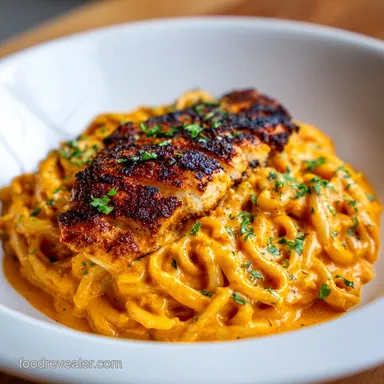
One Pot Cajun Chicken Alfredo: Creamy and Bold
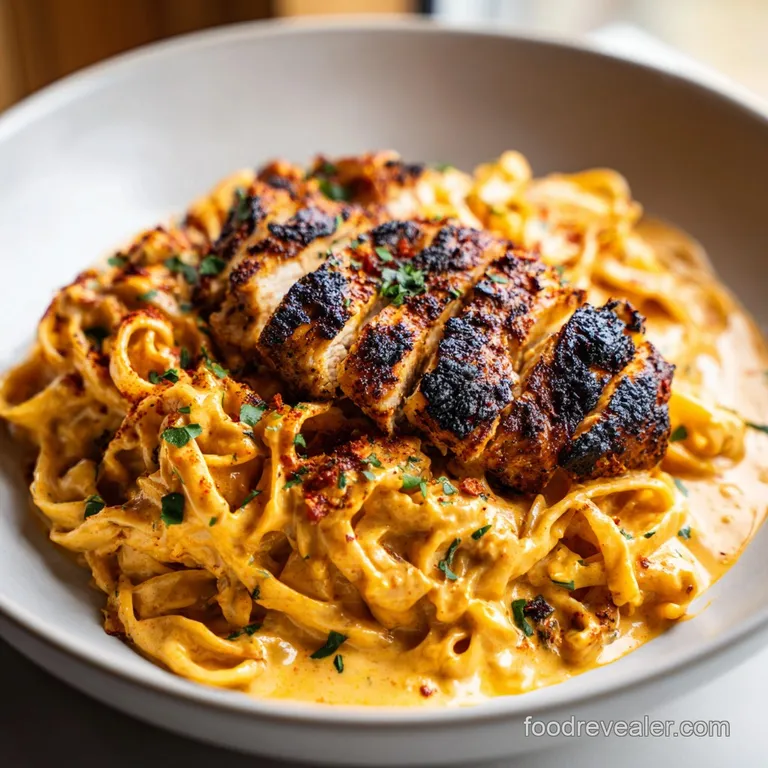
- Time: 10 min active + 20 min cooking = 30 min total
- Flavor/Texture Hook: Velvety cream sauce with a mahogany chicken crust
- Perfect for: Stress free family dinners or a cozy date night
- The One Pot Cajun Chicken Alfredo Recipe
- Why This Pot Works
- The Ingredient Deep Dive
- Shopping List Breakdown
- Gear For This Meal
- Step by Step Method
- Avoiding Common Cooking Blunders
- Troubleshooting Common Issues
- Flavor Swaps and Variations
- Fridge and Freezer Rules
- Plating For Maximum Impact
- High in Sodium
- Recipe FAQs
- 📝 Recipe Card
The second that the seasoned chicken hits the hot oil, the kitchen transforms. You get this immediate, aggressive sizzle and an aroma of smoked paprika and cayenne that basically tells your brain "dinner is happening." It's that specific, warm scent that makes everyone in the house wander into the kitchen asking what's for dinner.
I remember the first time I tried to simplify this. I used to boil the pasta in one pot and make the sauce in another, which is the "proper" way, but honestly, it's a chore. One night, I just tossed the dry noodles straight into the simmering cream and broth. The result wasn't just easier; it was better.
The pasta releases its starch directly into the sauce, making it cling to the noodles instead of pooling at the bottom of the bowl.
That's the magic of this one pot cajun chicken alfredo recipe. You get the deep, charred flavor of seared chicken and the silky luxury of an alfredo, all without the mountain of dishes. It's a comforting classic that satisfies the soul, and it's fast enough that you can actually relax after you eat.
The One Pot Cajun Chicken Alfredo Recipe
Right then, let's get into the guts of this meal. The secret here is all about layering. We aren't just throwing things in a pot; we're building a foundation. First, we get that crust on the chicken, then we use the leftover bits in the pan to flavor the sauce, and finally, we let the pasta cook in the liquid.
But what about the sogginess? Some people worry that one pot pasta turns into mush. Trust me on this: as long as you keep an eye on the simmer and don't overcook the noodles, you'll get a perfect al চাপে-dent bite.
The cream and broth ratio is balanced so that the liquid reduces into a thick glaze just as the pasta finishes.
Why This Pot Works
I've always wondered why some sauces feel "separated" and others feel like a single, cohesive unit. In this dish, it's all about the starch and the fat working together.
- Starch Emulsion: As the fettuccine cooks in the broth and cream, it releases amylose starch. This acts as a natural stabilizer that binds the fats from the cream and butter, preventing the sauce from breaking.
- Fond Integration: The brown bits left after searing the chicken (called the fond) are concentrated flavor. When we add the broth, we "deglaze" the pan, folding those savory notes back into the sauce.
- Fat Based Heat: The Cajun spices are oil soluble. By searing the chicken in olive oil first, we "bloom" the paprika and cayenne, which distributes the heat more evenly throughout the creamy base.
- Casein Bonding: Adding the Parmesan at the very end prevents the cheese from overheating and becoming grainy, ensuring it melts into a glossy finish.
| Method | Time | Pot Count | Texture | Best For |
|---|---|---|---|---|
| One Pot | 30 mins | 1 | Velvety/Thick | Weeknights |
| Classic | 50 mins | 2-3 | Silky/Light | Fancy Dinner |
The Ingredient Deep Dive
When you're making this, don't bother with pre shredded cheese. It's coated in potato starch to prevent clumping, which stops it from melting smoothly into the sauce. Get a block of real Parmesan and grate it yourself; it makes a world of difference.
According to USDA FoodData, chicken breast is a lean protein, but the heavy cream and butter in this recipe provide the necessary lipids to carry the spicy Cajun flavors across your palate.
| Ingredient | Science Role | Pro Secret |
|---|---|---|
| Heavy Cream | Fat/Structure | Use full fat for a sauce that won't split |
| Smoked Paprika | Color/Depth | Bloom it in oil to unlock the aroma |
| Parmesan | Umami/Salt | Freshly grated is non negotiable |
| Chicken Broth | Hydration | Low sodium lets you control the salt |
Shopping List Breakdown
For the homemade Cajun rub, you'll need: - 1 tbsp (8g) Smoked Paprika Why this? Adds a woody, charred flavor - 1 tsp (2g) Garlic Powder - 1 tsp (2g) Onion Powder - ½ tsp (1g) Dried Oregano - ½ tsp (1g) Cayenne Pepper Why this? This is where the
"kick" comes from - ½ tsp (3g) Salt - ¼ tsp (1g) Black Pepper
For the main pot: - 1.5 lb (680g) Boneless Skinless Chicken Breast, cubed into 1 inch pieces Why this? Uniform size ensures even cooking - 2 tbsp (30ml) Olive Oil - 3 cloves (15g) Garlic, minced - 12 oz (340g) Fettuccine pasta Why this? Wide surface area for sauce
Adhesion - 3 cups (710ml) Chicken Broth, low sodium - 1 cup (240ml) Heavy Cream - 1 cup (100g) Freshly Grated Parmesan Cheese - 2 tbsp (30g) Unsalted Butter - Fresh Parsley, chopped (for garnish)
Gear For This Meal
You don't need a fancy kitchen for this, but a deep skillet or a wide pot (like a Dutch oven) is your best friend here. You want enough surface area to sear the chicken without crowding the pan, otherwise, the meat will steam instead of brown.
I usually use a heavy bottomed stainless steel pan. This helps create that mahogany crust on the chicken and makes it easier to scrape up the fond. If you use non stick, you might not get as much of that deep browning, but it'll still taste great.
Step by step Method
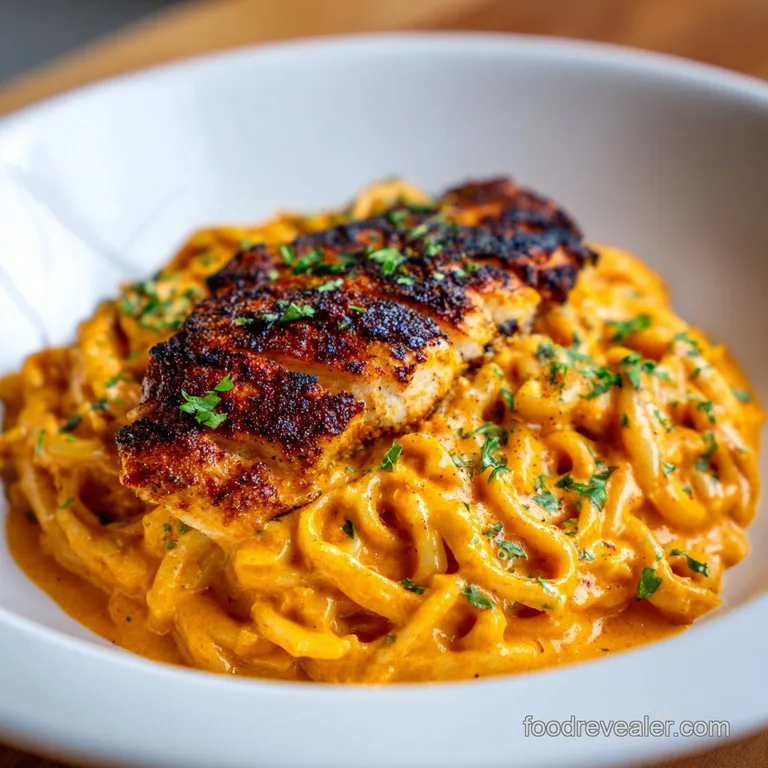
Let's crack on. Follow these steps and you'll have a meal that feels way more expensive than it actually is.
- Toss the cubed chicken in the homemade Cajun rub until fully coated. Note: Do this in a bowl to ensure every side of the cube is seasoned.
- Heat olive oil over medium high heat and sear the chicken until it reaches a mahogany colored crust on all sides. Remove chicken from the pot and set aside on a plate.
- Lower heat to medium and melt the butter. Sauté the minced garlic until fragrant (about 1 minute). Note: Don't let the garlic brown or it will turn bitter.
- Pour in the chicken broth and heavy cream, scraping the bottom of the pot with a spatula to release the flavorful browned bits.
- Add the dry pasta directly into the liquid. Bring to a gentle boil, then reduce to a simmer.
- Stir occasionally until the pasta is tender and the sauce has reduced to a velvety consistency. Note: The pasta should absorb most of the liquid, leaving a thick cream.
- Stir the seared chicken and Parmesan cheese back in until melted and glossy.
- Garnish with chopped fresh parsley.
Avoiding Common Cooking Blunders
Most people get this recipe right, but there are a few spots where things can go sideways. The most common issue is the "broken" sauce, where the fat separates from the liquid and you get oily patches.
Troubleshooting Common Issues
| Issue | Solution |
|---|---|
| Why Your Sauce Split | This usually happens if the heat is too high when you add the cheese or if you're using a low-fat cream. High heat causes the proteins in the dairy to tighten and squeeze out the fat. Keep the heat lo |
| Why Your Pasta's Mushy | If you stir the pasta too aggressively or leave it on a hard boil, you'll release too much starch too quickly and break the noodles. A gentle simmer is all you need. If the sauce is too thick but the |
| Why Your Chicken's Dry | Overcrowding the pan is the culprit. If you put all the chicken in at once, the temperature drops, and the chicken boils in its own juices rather than searing. Work in two batches if your pan is small |
If you find the heat is a bit too intense for your liking, you can balance it out with a cooling side. I often serve this with a Cobb Salad recipe because the crisp greens and tangy dressing cut right through the richness of the alfredo.
Common Mistakes Checklist
- ✓ Did you grate the Parmesan yourself? (Pre shredded won't melt)
- ✓ Did you sear the chicken in batches? (Avoids steaming)
- ✓ Is the heat low before adding the cheese? (Prevents splitting)
- ✓ Did you scrape the bottom of the pan? (That's where the flavor is)
- ✓ Is the pasta just barely tender? (It will cook more in the residual heat)
Flavor Swaps and Variations
One of the things I love about this one pot cajun chicken alfredo recipe is how flexible it is. Once you have the base down, you can really play around with the additions.
Adding Smoky Sausage
For a more traditional "Cajun" feel, add sliced Andouille sausage. Brown the sausage in the pot before the chicken. The rendered fat from the sausage adds an incredible depth to the sauce that you just can't get from oil alone.
Switching to Orzo
If you're tired of fettuccine, try orzo. Because orzo is smaller, it cooks faster and creates a more risotto like texture. Just be careful with the liquid ratio; you might need an extra 1/2 cup of broth since orzo can be thirstier than long pasta.
Veggie Boost
I like to stir in a handful of baby spinach or some sautéed bell peppers at the very end. The spinach wilts in about 30 seconds from the residual heat and adds a pop of color and nutrition.
Lighter Dairy Options
If you want something slightly less heavy, you can swap the heavy cream for half and half, but be warned: the sauce won't be as thick. You may need to let it simmer for an extra 3-5 minutes to reach that velvety consistency. To keep things refreshing, a side of Tzatziki Sauce recipe can actually work as a dip for some crusty bread on the side to balance the spice.
Fridge and Freezer Rules
Pasta and cream sauces are notoriously tricky to store. The pasta continues to absorb liquid even after it's off the heat, so by the next day, you might find your "saucy" pasta has turned into a "pasta brick."
Fridge Storage Store leftovers in an airtight container for up to 3 days. When you go to reheat it, don't just microwave it on high. Add a tablespoon of water, milk, or broth to the bowl and stir. This loosens the sauce and brings back that glossy look.
Freezing Guidelines Honestly, don't freeze this. Cream based sauces often split and become grainy when frozen and thawed. If you really need to prep ahead, cook the chicken and the rub, freeze that, and then make the sauce and pasta fresh.
Zero Waste Tips If you have leftover Cajun rub, don't toss it. It's fantastic on roasted cauliflower or corn on the cob. Also, save any leftover chicken broth in the fridge for up to 4 days to use as a base for a quick soup.
Plating For Maximum Impact
Since this dish is mostly a creamy, orange hued mass, the presentation is all about contrast. You want colors that pop against the richness of the sauce.
First, use a wide, shallow bowl. This allows the pasta to spread out rather than being a heap, which lets the sauce coat everything evenly. Use tongs to twirl the fettuccine into a nest in the center, then nestle the mahogany crusted chicken pieces on top.
The final touch is the parsley. Don't just sprinkle it on; chop it finely and scatter it across the top. The bright green against the creamy orange sauce makes the dish look professional. A final crack of fresh black pepper over the top adds a bit of visual texture and a sharp bite to finish.
Right then, that's the whole process. This one pot cajun chicken alfredo recipe is a total winner because it doesn't ask you to choose between "fast" and "fancy." You get the deep, layered flavors of a slow cooked meal with the convenience of a 30 minute weeknight dinner.
It's comforting, it's spicy, and most importantly, it only leaves you with one pot to wash. Trust me, your future self will thank you.
High in Sodium
1059 mg 1059 mg of sodium per serving (46% 46% of daily value)
The American Heart Association recommends a daily sodium limit of no more than 2,300 mg, with an ideal limit of no more than 1,500 mg for most adults.
Tips to Reduce Sodium
-
Swap the Broth-30%
Replace the low-sodium chicken broth with homemade unsalted stock or water to significantly lower the sodium base.
-
Reduce Added Salt-25%
Omit the 1/2 tsp of salt from the spice rub; the Parmesan cheese already contributes a significant amount of salt to the dish.
-
Limit Parmesan-15%
Reduce the amount of grated Parmesan cheese or use a smaller portion of a lower sodium hard cheese alternative.
-
Enhance with Spices
Increase the amount of smoked paprika, black pepper, and fresh parsley to add complexity and brightness without adding sodium.
Recipe FAQs
Can I use chicken thighs instead of breasts?
Yes, they work great. Thighs are more forgiving and stay juicier during the searing process.
Why is my chicken not getting a mahogany crust?
Avoid overcrowding the pan. Adding too many pieces at once lowers the surface temperature, causing the chicken to steam instead of sear.
Why did my alfredo sauce split?
Keep the heat low when adding cheese. Excessive heat causes dairy proteins to tighten and separate from the fat, breaking the emulsion.
How to prevent the pasta from becoming mushy?
Maintain a gentle simmer rather than a hard boil. Stir occasionally to keep the noodles intact; if you enjoyed mastering this one-pot starch technique here, see how the same principle works in our pot pie pasta.
Is it true I need to boil the pasta in a separate pot?
No, this is a common misconception. Cooking the fettuccine directly in the broth and cream uses the pasta's own starch to create a velvety consistency.
How to thicken the sauce if it is too thin?
Simmer the liquid for a few more minutes. Reducing the broth and cream before adding the chicken and cheese will naturally thicken the base.
Can I reheat this dish without the sauce breaking?
Yes, add a splash of chicken broth. Reheating slowly over low heat with a bit of extra liquid helps restore the glossy emulsion.
One Pot Cajun Chicken Alfredo