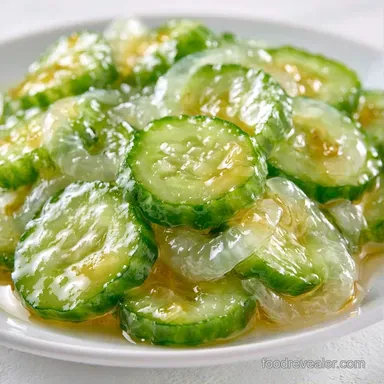
Bread and Butter Pickles with Cider Vinegar

- Time: 210 min active + 10 min cook
- Flavor/Texture Hook: Tangy, sweet, and a loud, satisfying crunch
- Perfect for: Pantry stocking, burger toppings, and deli style sandwiches
The sharp, acidic scent of cider vinegar hitting the air always reminds me of my grandmother's kitchen. There is something about that specific aroma mixed with warm turmeric that just feels like home. This is the ultimate Traditional Bread and Butter Pickle Recipe for Canning with Cider Vinegar.
Most people struggle with pickles that turn into soft, limp slices the moment they hit the brine. It's frustrating to spend hours prepping only to end up with something that feels like a wet noodle.
We fix that by focusing on the water content of the cucumber. By removing the excess moisture first, we create space for the brine to penetrate without breaking down the cell walls.
Recipe Specs
This recipe makes 6 pint jars. It's designed for those who want a balanced sweet and sour profile that cuts through rich meats.
The process takes 210 minutes of prep, mostly due to the soak, and 10 minutes of active cooking. Total time comes to 220 minutes.
The flavor builds in stages, starting with the salty draw, moving to the sweetness of the sugar, and finishing with the earthy warmth of the cloves and turmeric.
The One Thing That Changes Everything
The crunch isn't a lucky guess, it's about managing the water.
- Cold Salt Soak
- Salt draws water out of the cucumbers, which prevents them from absorbing too much brine and getting mushy.
- Cider Vinegar
- This provides a softer, fruitier acidity than white vinegar, which complements the sugar.
- Headspace Control
- Leaving exactly 1/2 inch of air prevents the jars from siphoning or leaking during the process.
| Method | Time | Texture | Best For |
|---|---|---|---|
| Quick Fridge | 2 hours | Very Crisp | Immediate use |
| Water Bath | 4 hours | Classic Snap | Long-term storage |
The Building Blocks
Success here is all about the sugar-to-acid balance. Overdoing the sugar will mask that quintessential "pickle" tang.
| Ingredient | What It Does | Best Swap |
|---|---|---|
| Pickling Salt | Extracts moisture | Kosher salt (increase amount) |
| Cider Vinegar | Supplies acidity | White vinegar (more pungent) |
| Turmeric | Creates yellow tint | Saffron (pricier) |
| Granulated Sugar | Offsets acidity | Honey (alters profile) |
The Produce
Opt for Kirby cucumbers. Slicing varieties contain too much moisture and have skins that are too thin, which often leads to mushiness.
The Cider Brine
Apple cider vinegar brings a complexity that white vinegar lacks, resulting in a more nuanced and full-bodied flavor.
Ingredients & Substitutes
- 5 lbs pickling cucumbers, cut into 1/4 inch disks Why this? Kirby cucumbers have the thickest skins to ensure a crunch. (Swap: Persian cucumbers for smaller pieces)
- 2 cups white onion, thinly sliced Why this? Offers a sharp counterpoint to the sugar. (Swap: Shallots for a gentler flavor)
- 1/4 cup pickling salt Why this? Prevents additives from clouding the brine. (Swap: Sea salt)
- 3 cups apple cider vinegar Why this? Offers more fruity undertones than distilled vinegar. (Swap: White vinegar)
- 2 cups granulated sugar Why this? The classic sweetness level for bread and butter pickles. (Swap: Cane sugar)
- 2 tbsp pickling salt Why this? Ensures flavor stability within the jar. (Swap: Sea salt)
- 1 tsp turmeric powder Why this? Produces that signature golden hue. (Swap: Omit for a paler look)
- 1 tsp celery seed Why this? Provides a grounded, savory base. (Swap: Fennel seed)
- 1 tsp mustard seed Why this? Contributes small bursts of heat. (Swap: Ground mustard)
- 1/2 tsp whole cloves Why this? Adds a rich, aromatic warmth. (Swap: Allspice berries)
Equipment Needed
While you don't need an industrial kitchen, a few key items will make the work easier. A large non-reactive bowl, such as one made of glass or stainless steel, is essential for the salt soak.
A wide saucepan is recommended for the brine to ensure a consistent boil. You'll also need sterilized pint jars and lids, plus a bubble remover tool, a plastic knife works well if you lack a dedicated one.
If you're interested in larger-scale preservation, refer to The Ultimate Guide to Preserving Vegetables and Pressure Canning for Beginners and Beyond by Angi Schneider, or visit Serious Eats for advice on choosing the right equipment.
The Cooking Process

The key is not to overcook the brine. You want the sugar dissolved and the spices fragrant, but not burnt.
Prepping the Produce
Combine sliced cucumbers and onions in a large bowl. Toss with 1/4 cup pickling salt and cover with ice and cold water. Let this sit for 3 hours. This is where the crunch happens. Rinse the vegetables thoroughly under cold running water to remove the excess salt.
Simmering the Brine
In a large saucepan, combine apple cider vinegar, sugar, 2 tbsp pickling salt, turmeric, celery seed, mustard seed, and cloves. Bring the brine to a boil over high heat. Reduce heat and simmer for 5 minutes until the mixture smells fragrant and aromatic.
Packing the Jars
Pack the rinsed cucumbers and onions tightly into sterilized pint jars. Leave 1/2 inch of headspace. Pour the hot brine over the vegetables, ensuring they are completely submerged. Use a bubble remover tool to release trapped air. Wipe the rims clean and secure the lids.
Executing the Water Bath
Place jars in a boiling water bath. Ensure water covers the lids by at least an inch. Process for the time recommended for your altitude. Remove jars and let them sit undisturbed for 24 hours.
| Goal | What to change |
|---|---|
| Spicier | Add 1 tsp red pepper flakes |
| Tangier | Reduce sugar by 1/4 cup |
| More Aromatic | Increase cloves to 3/4 tsp |
Common Mistakes & Troubleshooting
If the pickles aren't snapping, the issue is usually the produce or the soak. Using "slicing" cucumbers instead of "pickling" varieties is the most frequent error. Slicing cucumbers have higher water content and thinner skins.
Another issue is cloudy brine. This happens if you use table salt with anti caking agents. Always stick to pickling or kosher salt to keep the liquid clear.
If the lids don't seal, it's often because the rims weren't wiped clean. A tiny grain of sugar or a piece of onion on the rim prevents a vacuum seal.
Fixing Mushy Pickles
Ensure you use the ice water soak for the full 3 hours. Don't skip the rinse, or the pickles will be too salty to eat.
Preventing Seal Failure
Wipe the jar rims with a damp cloth before applying the lid. Check for nicks in the glass rim.
Adjusting Too Sweet Brine
If the brine tastes like syrup, add an extra 1/4 cup of cider vinegar before bottling.
| Problem | Root Cause | Solution |
|---|---|---|
| Soft Texture | Wrong cucumber type | Use Kirby or Gherkin |
| Cloudy Liquid | Iodized salt used | Use pure pickling salt |
| Lid didn't pop | Dirty jar rim | Wipe rim with vinegar |
Make It Your Own
I love these as they are, but you can tweak them to fit your flavor profile. For an Asian inspired twist, add a slice of fresh ginger and a teaspoon of toasted sesame oil to the brine. It adds a nutty depth that works well with the cider vinegar.
If you want a bit more heat, throw in some sliced jalapeños during the packing stage. They soak up the sweetness and become a great balanced garnish.
For those who prefer a quicker version, you can skip the water bath and just keep these in the fridge. They'll stay crisp for about a month. If you're serving these as a side, they go great with a Quick Sourdough French Bread sandwich.
Storage and Zero Waste
Store the processed jars in a cool, dark place like a pantry. They stay good for up to a year. Once opened, keep them in the fridge and use them within 3 months.
Don't toss the leftover brine after the pickles are gone. It's a fantastic marinade for grilled chicken or a way to quick pickle some red onions for tacos.
If you have cucumber ends that were too small to slice, toss them into the brine for a few hours for a quick snack before you start the formal canning process.
What to Serve This With
These pickles are the perfect contrast to rich, fatty foods. Put them on a brisket sandwich or a thick burger to cut through the grease.
They also shine on a charcuterie board. Pair them with a sharp cheddar or a creamy brie. The sweetness of the cider vinegar bridges the gap between the salty meat and the creamy cheese.
If you're doing a full spread, these provide a great acidic counterpoint to something sweet, like a New Orleans Bread Pudding served later in the meal.
The Ultimate Deli Sandwich
Layer these pickles on rye bread with pastrami and spicy brown mustard. The snap of the cucumber makes the whole sandwich feel fresher.
Gourmet Charcuterie Boards
Arrange the slices next to cornichons and olives. The golden color of the turmeric makes the board look vibrant.
Recipe FAQs
How to pickle cucumbers with bread and butter?
Toss sliced cucumbers and onions with pickling salt and ice water for three hours. Rinse the vegetables thoroughly before packing them into jars with a simmered cider vinegar brine.
Can I make sweet pickles without canning?
Yes, simply skip the water bath processing step. Store the jars in the refrigerator to keep the vegetables crisp and safe.
Is it true that bread and butter pickles are fermented?
Surprisingly, no. These pickles rely on the acidity of vinegar for preservation rather than the natural lactic acid fermentation process.
Could I omit the turmeric from this recipe?
Yes, the turmeric is primarily used for its bright yellow color. If you loved the sweet-tart balance here, see how we use similar flavor contrast in our cheeseburger sliders.
What is the process for making pickled cucumbers with vinegar?
Simmer apple cider vinegar with sugar and spices for five minutes. Pour the boiling liquid over sliced cucumbers packed tightly into sterilized pint jars.
Are bread and butter pickles healthy?
They contain some vitamins from the vegetables but are high in sugar and salt. Use them as a flavor accent rather than a primary vegetable source.
Bread and Butter Pickles with Cider Vinegar