Quick Sourdough Discard French Bread Recipe
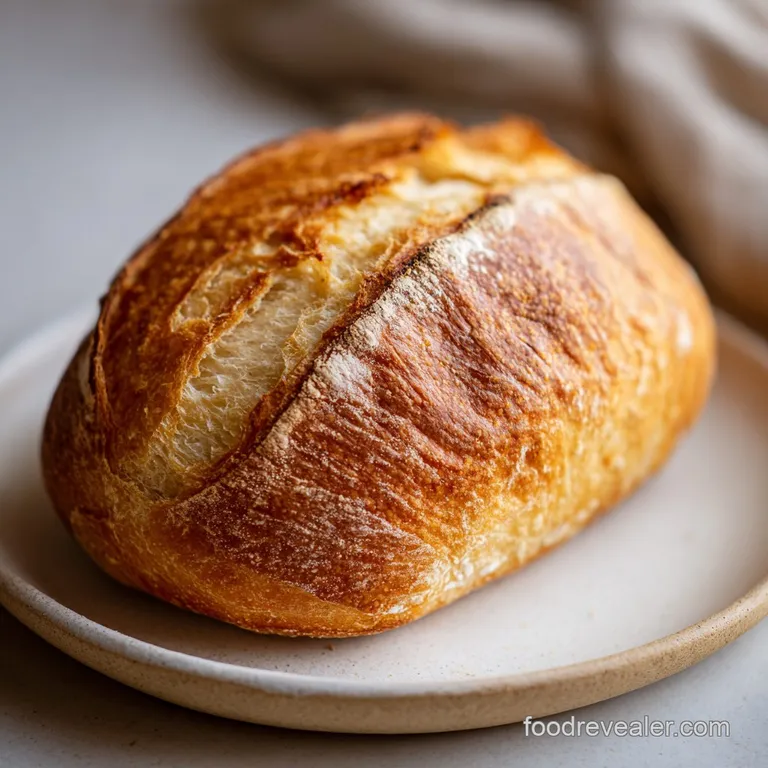
- Time: Active 25 minutes, Passive 1 hours 50 mins, Total 2 hours 15 mins
- Flavor/Texture Hook: Shatter crisp crust with a soft, tangy, airy crumb
- Perfect for: Weeknight dinners, beginner bakers, and clearing out the fridge
- Bake The Best Quick Sourdough Discard French Bread
- Why This Quick Loaf Actually Works
- Component Analysis of Your Bread Ingredients
- Everything You Need from the Pantry
- Basic Tools for Better Bread
- Easy Steps to a Golden Crust
- Fixing Common Bread Baking Mistakes
- Simple Ingredient Swaps and Twists
- Storing and Using Your Leftover Sourdough
- Best Ways to Serve Your Loaf
- Myths About Discard Baking
- Recipe FAQs
- 📝 Recipe Card
Bake The Best Quick Sourdough Discard French Bread
There is nothing quite like the sound of a fresh loaf of bread when it first comes out of the oven. I'm talking about that tiny, high pitched crackle, often called "the bread song," which happens as the crust cools and contracts.
The first time I nailed this Quick Sourdough Discard French Bread, the aroma of toasted grain and tangy yeast drifted all the way to my driveway. My neighbor actually knocked on the door asking what was for dinner before I’d even sliced into it.
I used to think sourdough had to be a whole weekend project with constant folding and whispering to a jar of bubbles. But let’s be real, most Tuesdays don't allow for that. This recipe is my secret weapon for those days when you want the soul of a sourdough loaf but only have a couple of hours.
We're using that jar of discard sitting in your fridge to bring the flavor, while a bit of instant yeast ensures we get a tall, proud loaf every single time. It’s practical, it’s tasty, and it saves you from throwing away perfectly good starter.
Why This Quick Loaf Actually Works
Getting a bakery style result in just over two hours isn't magic, it's just smart choices with your leavening agents. We are essentially running a two track system here to get the best of both worlds.
- The Hybrid Boost: Instant yeast provides the rapid carbon dioxide production needed for a fast rise, while the sourdough starter adds organic acids that strengthen the gluten network.
- Acidic Tenderization: The lactic acid in the sourdough discard softens the flour proteins, resulting in a crumb that feels velvety rather than chewy or tough.
- Enzymatic Activity: Even though it’s a short ferment, the enzymes in the discard begin breaking down starches into simple sugars, which helps the crust brown beautifully through the Maillard reaction.
| Method | Total Time | Texture Result | Best For |
|---|---|---|---|
| Traditional Sourdough | 24 hours + | Chewy, large holes | Weekend projects |
| This Quick Method | 2 hours 15 mins | Crispy, soft crumb | Weeknight dinners |
| store-bought Shortcut | 15 minutes | Soft, often gummy | Last minute emergencies |
Using this hybrid method gives you the "old world" flavor profile without the long wait times associated with wild yeast alone. It's a bridge between a standard yeast loaf and a true artisan sourdough.
Component Analysis of Your Bread Ingredients
Understanding what each item brings to the bowl helps you navigate kitchen chaos with confidence. We aren't just mixing things; we're building a structural masterpiece.
| Ingredient | Science Role | Pro Secret |
|---|---|---|
| Bread Flour | Protein Structure | High protein (12-13%) is non negotiable for that specific French bread "pull" and stretch. |
| Sourdough Discard | Flavor & Acidity | Use it straight from the fridge; the cold temp actually helps control the initial yeast activity. |
| Instant Yeast | Primary Leavener | Ensure it's fresh; if it doesn't foam in warm water, your bread will be a brick. |
| Warm Water | Yeast Activation | Keep it between 105°F and 110°F to wake up the yeast without scalding it. |
Getting the water temperature right is the most common hurdle for new bakers. If you don't have a thermometer, aim for the temperature of a comfortable baby bath - warm but never hot.
Everything You Need from the Pantry
You likely have most of these items hiding in your cupboards right now. This recipe is designed to be accessible and uses standard measurements for ease.
- 1.5 cups warm water (105°F-110°F) Why this? Hydrates the flour and activates the yeast instantly.
- 2.25 tsp instant yeast Why this? Provides the rapid rise needed for a 2 hour window.
- 1 tbsp sugar or honey Why this? Feeds the yeast and encourages a golden crust.
- 1 cup sourdough starter discard Why this? Adds the signature tang and improves the bread's shelf life.
- 4.25 cups bread flour Why this? Creates the strong gluten walls required for a tall loaf.
- 2 tsp fine sea salt Why this? Tightens gluten and balances the sour notes.
- 1 large egg white Why this? Creates a thin, shiny, professional looking crust.
- 1 tbsp water (for egg wash)
- 1 tbsp cornmeal Why this? Prevents sticking and adds a classic crunch to the bottom.
Basic Tools for Better Bread
You don't need a high tech kitchen to make great bread, but a few specific items make the process much smoother. Minimal tools often yield the most authentic results.
Three Essential Baking Tools
- Sturdy Stand Mixer: A KitchenAid or similar mixer with a dough hook saves your arms, though you can definitely knead by hand if you're looking for a workout.
- Bench Scraper: This is the best tool for dividing dough and cleaning your counter without leaving a sticky mess behind.
- Sharp Lame or Knife: You need a very clean, swift cut for scoring the dough; a serrated tomato knife actually works wonders if you don't own a razor edged lame.
Chef Tip: Freeze your butter for 10 minutes before grating it if you ever decide to add a "Dutch Crunch" topping - it keeps the fats from melting into the dough too early.
Easy Steps to a Golden Crust
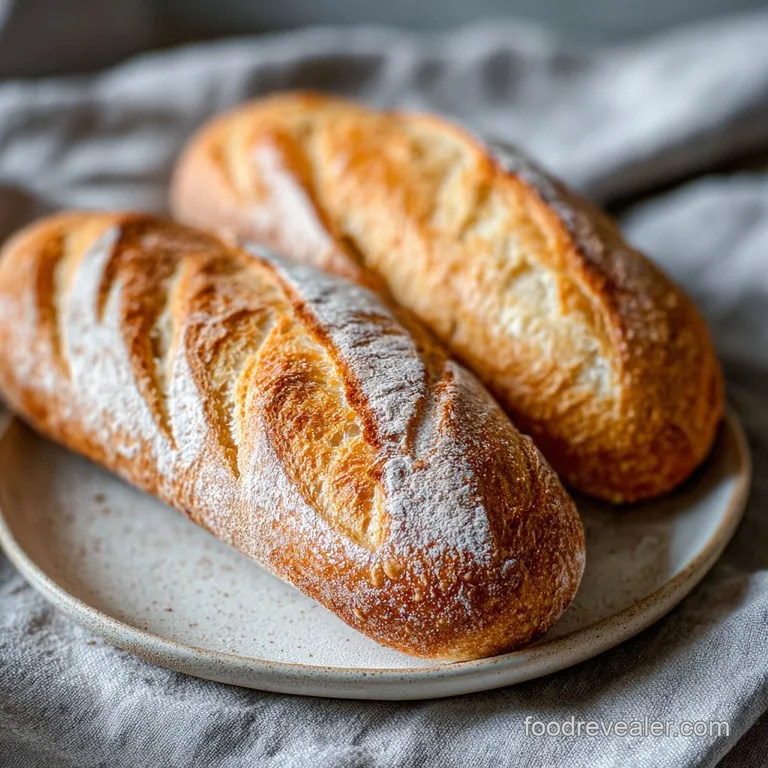
Follow these steps closely, especially the timing. The rise is where the flavor develops, so don't rush the dough if your kitchen is on the cooler side.
- Activate yeast. Combine 1.5 cups warm water, 2.25 tsp instant yeast, and 1 tbsp sugar in your mixer bowl. Note: Let it sit 5 mins until it looks foamy and creamy.
- Add discard. Stir in 1 cup sourdough discard and 2 tsp fine sea salt until roughly combined.
- Mix flour. Gradually add 4.25 cups bread flour using the dough hook on low speed.
- Knead dough. Increase speed to medium and knead for 5-7 minutes until the dough is smooth and clears the sides.
- First rise. Place dough in a greased bowl, cover with a damp cloth, and let rise for 60 minutes until it has doubled in size.
- Shape loaves. Punch down dough and divide into two equal pieces. Roll each into a 12 inch rectangle, then roll up tightly like a sleeping bag.
- Final proof. Place loaves on a baking sheet sprinkled with 1 tbsp cornmeal. Cover and let rise 45 minutes until puffy and light.
- Score and wash. Whisk the egg white with 1 tbsp water. Brush over loaves and cut 3-4 diagonal slashes across the top.
- Bake. Place in a preheated 400°F (200°C) oven for 25 minutes until deep golden and hollow sounding when tapped.
- Cool. Transfer to a wire rack. Resist the urge to cut immediately; let it rest for 20 minutes to set the crumb.
Fixing Common Bread Baking Mistakes
Even the best bakers run into a few snags. Most bread issues come down to temperature or hydration, both of which are easy to fix once you know what to look for.
Handling Dense Heavy Loaves
If your loaf feels like a literal brick, it usually means the yeast didn't get enough time or the environment was too cold. Sourdough discard adds weight, so the yeast needs a warm spot (around 75°F) to really push that dough upward.
Next time, try putting your rising bowl inside a turned off oven with the light turned on.
| Problem | Root Cause | Solution |
|---|---|---|
| Loaf is flat | Over proofing | Reduce second rise by 10 mins or check yeast freshness. |
| Crust is pale | Lack of steam | Place a pan of hot water on the bottom rack during baking. |
| Crumb is gummy | Sliced too early | Wait at least 20 mins before cutting to let steam escape. |
Common Mistakes Checklist
- ✓ Always pat your hands with a little flour, not oil, when shaping these loaves.
- ✓ Preheat your oven for at least 30 minutes to ensure even heat distribution.
- ✓ Use a kitchen scale for the flour if you have one; 4.25 cups can vary wildly by person.
- ✓ Don't skip the egg wash; it's the difference between a dull loaf and a bakery finish.
- ✓ Score the dough deeply (about half an inch) to allow for "oven spring."
Simple Ingredient Swaps and Twists
If you are missing an ingredient or want to change the vibe of the loaf, these swaps are reliable and won't ruin the structural integrity of your bread.
| Original Ingredient | Substitute | Why It Works |
|---|---|---|
| Bread Flour | All Purpose Flour | Result will be slightly softer and less chewy. |
| White Sugar | Honey or Maple Syrup | Adds a floral note. Note: May brown faster. |
| Egg White Wash | Milk or Heavy Cream | Creates a softer, matte crust rather than a shiny, crisp one. |
If you enjoy this texture, you might also like the technique used in my Focaccia Bread Recipe which uses a similar high hydration approach for a light interior.
Savory Herb Variations
To make this a savory centerpiece, add 1 tablespoon of dried rosemary or 2 teaspoons of garlic powder directly into the flour. You can also sprinkle coarse sea salt or sesame seeds over the egg wash before baking for extra texture and visual appeal.
Storing and Using Your Leftover Sourdough
This bread is at its absolute peak about an hour after baking, but it keeps surprisingly well because of the acidity in the sourdough discard. The acid acts as a natural preservative, keeping the bread soft for longer than a standard yeast loaf.
- Storage: Store at room temperature in a paper bag for up to 2 days. Avoid plastic bags if you want to keep the crust crispy, as plastic traps moisture and turns the crust soft.
- Freezing: This bread freezes beautifully. Slice it first, then wrap tightly in foil and place in a freezer bag. It stays fresh for up to 3 months.
- Zero Waste: If the loaf goes stale, don't toss it! Cut it into cubes, toss with olive oil and herbs, and bake at 350°F (180°C) for 15 minutes to make the best croutons you've ever had. It also makes incredible French toast because the dense crumb soaks up the custard without falling apart.
Best Ways to Serve Your Loaf
This bread is a workhorse in the kitchen. Because it has that sturdy French bread structure, it holds up to heavy soups and sauces without disintegrating.
- The Classic Dip: Serve warm with a bowl of high-quality olive oil, balsamic vinegar, and a crack of fresh black pepper.
- The Ultimate Sandwich: Slice it lengthwise for a massive sub sandwich. The crust is strong enough to hold heavy fillings like meatballs or roasted peppers.
- Dinner Side: It pairs perfectly with hearty meals. If you're looking for a comfort food combo, try serving it alongside my Moist Cornbread Recipe during a big family barbecue to give people both savory and sweet bread options.
Chef Tip: If you want an extra crispy "shatter" crust, spray the inside of the oven with a mist of water three times during the first 10 minutes of baking. The steam keeps the surface of the dough moist, allowing it to expand fully before the crust hardens.
Myths About Discard Baking
There is a lot of misinformation out there about using discard. Let's clear up a few things so you can bake with confidence.
- Myth: Sourdough discard is "dead" and provides no leavening.
- Truth: While it isn't as active as a fed starter, it still contains live yeast and bacteria. However, in this quick recipe, we rely on the instant yeast for the heavy lifting while the discard provides the structural and flavor benefits.
- Myth: You must feed your starter before using it for discard recipes.
- Truth: The whole point of "discard" recipes is to use the starter when it's hungry and acidic. Feeding it first would actually dilute the tangy flavor we are looking for in this specific loaf.
- Myth: You can't make "real" sourdough in two hours.
- Truth: While this isn't a traditional 100% wild yeast sourdough, it uses real sourdough components. It's a "hybrid loaf," which is a legitimate and historic baking technique used to ensure consistency in commercial bakeries.

Recipe FAQs
What can I quickly make with sourdough discard?
Pancakes, crackers, or quick breads. Sourdough discard is excellent for adding flavor and texture to recipes that don't require a long proofing time, like this French bread. It’s perfect for clearing out the fridge without wasting food.
Can you use sourdough starter for French bread?
Yes, absolutely, but this is a hybrid method. This recipe uses discard for the characteristic tang and texture, but we add instant yeast to guarantee the fast rise needed for a quick loaf. Traditional French bread takes much longer.
Can I make a loaf of bread with sourdough discard?
Yes, you can make a structurally sound loaf. The discard provides acidity which strengthens the gluten network, leading to better flavor and crust development. If you are new to working with enriched doughs, applying the technique of controlled folding you learn here will also help you master the Baked Ziti with Sausage recipe which requires careful handling to keep ingredients suspended.
Is eating sourdough discard healthy?
Yes, it is generally very healthy. Discard contains beneficial organic acids and probiotics from the fermentation process, which can aid digestion. Since this recipe is baked hot and fast, you retain most of those desirable flavor compounds and mild benefits.
How long does the first rise take for this quick bread?
Allow 60 minutes for the first rise. This is short compared to traditional sourdough because we are using instant yeast to power the majority of the lift quickly. Ensure your kitchen is warm so the dough doubles in volume.
How do I ensure a shatteringly crisp crust?
Use the egg white wash and steam the oven. Brush the loaves with a whisked egg white mixed with a little water just before baking for shine and crispness. Introducing steam during the first ten minutes of baking keeps the dough pliable, allowing for maximum oven spring and a thinner crust.
Can I make this dough ahead of time and slow proof it?
Yes, you can cold proof this dough overnight. After the initial 60-minute rise, shape the loaves, cover them, and place them immediately in the refrigerator for 8 to 18 hours. This develops a deeper, more complex sour flavor, similar to a traditional slow ferment.
Quick Sourdough French Bread
Ingredients:
Instructions:
Nutrition Facts:
| Calories | 104 kcal |
|---|---|
| Protein | 3.2 g |
| Fat | 0.4 g |
| Carbs | 21.1 g |
| Fiber | 0.8 g |
| Sugar | 0.6 g |
| Sodium | 182 mg |
