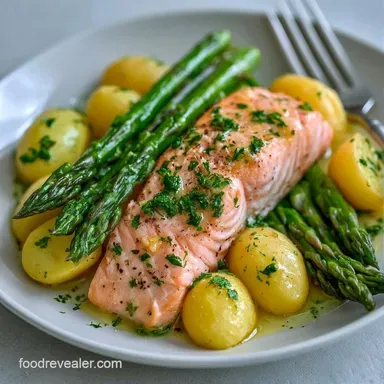
Salmon Foil Packets with Potatoes and Asparagus
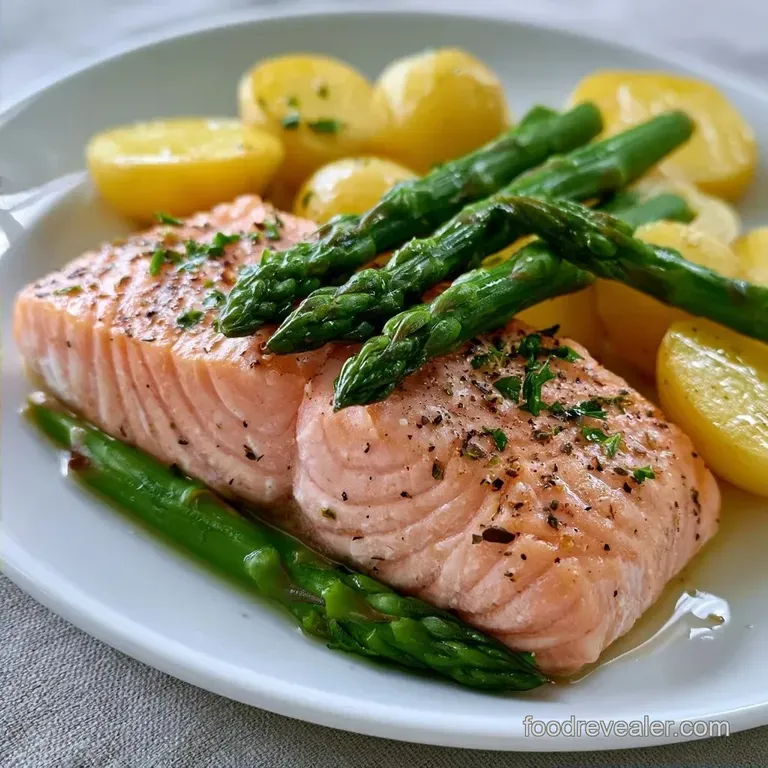
- Time: 10 min active + 20 min baking
- Flavor/Texture Hook: Buttery, lemon bright fish with tender baby potatoes
- Perfect for: Weeknight dinners with zero cleanup
Right then, let's talk about the biggest lie in home cooking: that you need a fancy steamer or a grill to get juicy fish. I used to think I needed some high end equipment to avoid that dry, chalky texture we've all dealt.
Honestly, I spent way too long stressing over internal temperatures and flipping fillets perfectly.
It turns out a simple piece of heavy duty aluminum foil is all you actually need. By sealing everything in, you create a little oven for each fillet. This method keeps the fish moist and lets the potatoes soak up all that garlic butter.
You can expect a meal that tastes like a weekend treat but takes about as much effort as a sandwich. These Salmon Foil Packets make it nearly impossible to mess up the timing, as long as you follow a few simple rules about your potato thickness.
Making Great Salmon Foil Packets
The real win with this method is how the heat works inside the pouch. Instead of the dry air of the oven hitting the fish directly, the lemon juice and butter turn into steam. This steam gently cooks the salmon from all sides, which keeps the texture tender.
The Steam Lock Logic: The foil seal traps moisture and aromatics, forcing them into the fish. This creates a concentrated flavor that you just don't get with open tray baking.
When you're prepping these, don't overstuff the packets. If you cram too many vegetables in there, the steam can't circulate. I once tried to add a whole head of broccoli to one and ended up with raw stalks and overcooked fish. Leave a little air gap at the top of the pouch.
| Method | Time | Texture | Best For |
|---|---|---|---|
| Oven Foil | 20 mins | Tender & Juicy | Hands off dinner |
| Stovetop | 12 mins | Slightly Firmer | Ultra fast prep |
| Grill Foil | 15 mins | Smoky & Charred | Outdoor cooking |
Quick Recipe Specs
For this to work, you need to hit a few precision checkpoints. First, the oven must be at 400°F (200°C) before the packets go in. Second, your potatoes need to be sliced to 1/8 inch rounds. If they're any thicker, they'll still be hard when the salmon is done.
Finally, the 20 minute cook time is the sweet spot for 6 oz fillets.
Right then, here is the logic behind the ingredients we're using.
| Ingredient | What It Does | Best Swap |
|---|---|---|
| Salmon | Main protein | Steelhead Trout |
| Baby Potatoes | Hearty base | Sliced Carrots |
| Butter | Richness & Body | Olive Oil |
| Lemon | Cuts through fat | Lime |
What You'll Need
Get your ingredients ready before you start folding the foil. It's much easier to assemble a production line than to hunt for the dill while your butter is cooling.
The Main Components 4 (6 oz / 170g) Salmon fillets 1 lb (450g) Baby potatoes, sliced into 1/8 inch thin rounds Why this? Thin slices ensure they cook in 20 mins 1 lb (450g) Asparagus, woody ends trimmed 2 tbsp (30ml) Extra virgin olive oil 1 tsp (5g) Sea
Salt 1/2 tsp (3g) Cracked black pepper
The Garlic Lemon Glaze 3 tbsp (45ml) Melted unsalted butter Why this? Creates a silky sauce with the lemon 3 cloves (15g) Garlic, minced 1 large (50g) Lemon, half sliced into rounds, half juiced 1 tbsp (3g) Fresh dill, chopped 1 tbsp (3g) Fresh parsley, chopped
Necessary Kitchen Gear
You don't need much for this, but heavy duty foil is a must. The thin stuff tends to rip when you're twisting the ends, and a leak means your steam escapes. I usually use a large baking sheet to hold the packets so I'm not sliding them around the oven rack. A small whisk or fork works for the glaze.
Step-by-step Cooking Guide
Let's crack on with the assembly. This is where the Salmon Foil Packets come together.
- Tear four large squares of heavy duty foil (roughly 12x12 inches).
- Place a bed of thinly sliced potatoes and trimmed asparagus in the center of each square.
- Drizzle the vegetables with 1 tbsp (15ml) of olive oil and a pinch of salt and pepper. Note: This prevents the veg from sticking
- Place one salmon fillet atop the vegetables.
- In a small bowl, whisk together the melted butter, minced garlic, lemon juice, and fresh herbs.
- Spoon the glaze evenly over each fillet and top with a fresh lemon slice.
- Bring the sides of the foil together and twist the ends tightly to create a sealed pouch. Note: Leave a small gap of air inside
- Place packets on a baking sheet and bake at 400°F (200°C) for 15–20 minutes until the salmon flakes easily with a fork.
- For a charred finish, open the top of the packets and broil for the final 2–3 minutes.
Fixing Common Issues
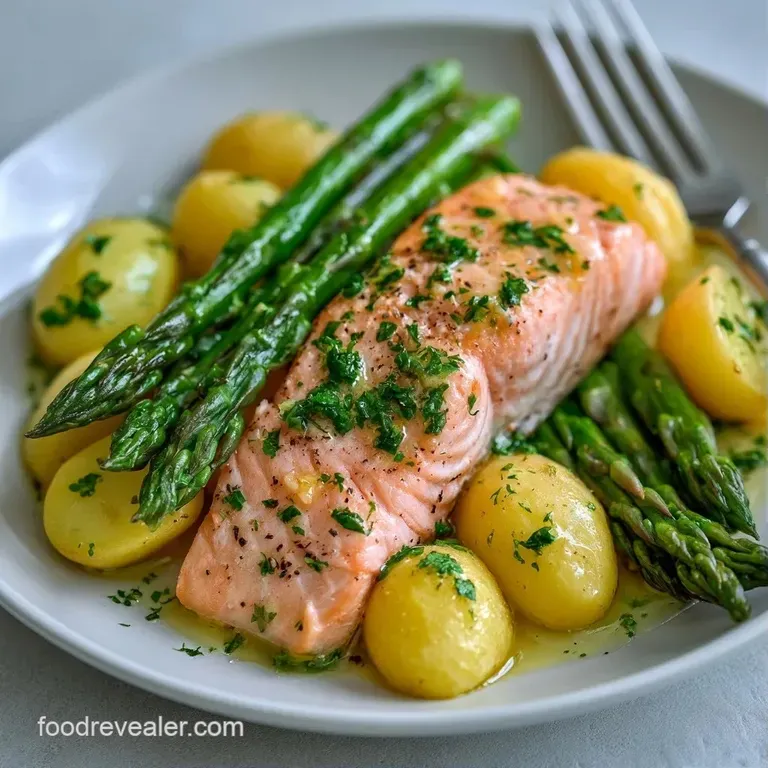
Even with a simple recipe, things can go sideways. Most issues with Salmon Foil Packets come down to how the pouch is sealed or how the vegetables are cut.
Hard Potato Fix
If your potatoes are still crunchy, it's almost always because they were sliced too thick. The salmon cooks much faster than a root vegetable. Next time, use a mandoline or a very sharp knife to get them down to that 1/8 inch mark.
Dry Fish Fix
Overcooking is the enemy here. Since you can't see the fish, you have to rely on the timer. Check the largest fillet at 15 minutes. If it flakes with a fork, get it out of the oven immediately.
Soggy Bottom Fix
Too much liquid at the bottom can make the vegetables mushy. Make sure you're drizzling the oil, not pouring it. Also, leaving that air gap in the pouch allows the steam to circulate rather than just pooling at the bottom.
| Problem | Root Cause | Solution |
|---|---|---|
| Hard Potatoes | Slices too thick | Slice to 1/8 inch |
| Dry Salmon | Cooked too long | Check at 15 minutes |
| Soggy Veggies | Too much oil/juice | Drizzle, don't pour |
Swaps and Flavor Twists
You can easily change the vibe of these Salmon Foil Packets by swapping the herbs. I love doing a Mediterranean version with Kalamata olives, cherry tomatoes, and feta cheese added to the base. If you're in the mood for something a bit more veggie forward, these salmon green bean packs are a great alternative.
Decision Shortcut: Want more char? Broil for 3 mins at the end. Thicker fillets? Add 3-5 minutes to the timer. Extra veg? Use a larger foil square (14x14).
Diet Friendly Options If you're skipping dairy, swap the butter for a high-quality vegan butter or just increase the olive oil. For a lower carb version, replace the potatoes with sliced zucchini or cauliflower florets. These still work perfectly in the pouch.
Scaling the Recipe
When you're making more than four packets, don't just double the salt and spices. I've found that salt can become overpowering in large batches, so increase spices to about 1.5x instead of 2x.
If you're scaling down for just one person, keep the oven temp at 400°F (200°C). The cook time stays roughly the same, but keep a close eye on it starting at 12 minutes since a single packet on a large tray can sometimes cook slightly faster.
Common Kitchen Myths
You'll often hear that searing salmon in a pan "seals in the juices." That's not actually true. Searing creates flavor and a crust, but moisture loss happens whether you sear or not. In these packets, we trade that crust for a more tender, moist interior.
Another myth is that you need to let salmon rest for ten minutes. While a steak needs a long rest, salmon is more forgiving. Just let it sit for 2-3 minutes so the juices redistribute, then eat it while it's hot.
Storage and Waste Tips
Leftover Salmon Foil Packets keep well in the fridge for up to 3 days. Store them in an airtight container, not in the foil, to avoid any metallic taste. To reheat, use a toaster oven at 300°F (150°C) for a few minutes. For a simpler version without the potatoes, my lemon baked salmon is a fast weekday win.
For zero waste, don't toss your lemon halves. Squeeze every last drop into your glaze, and then toss the spent rinds into your compost. If you have leftover salmon scraps, freeze them in a bag with some water and onion scraps to make a quick fish stock for risotto.
Plating for the Table
The easiest way to serve these is to just place the foil pouch directly on a plate. It looks rustic and saves you from washing another dish. Just be careful when opening the packets, as the steam is incredibly hot and can burn your hands.
If you want it to look a bit fancier, carefully slide the salmon and vegetables onto a platter. Spoon any remaining garlic butter from the bottom of the foil over the top of the fish. Garnish with a few extra sprigs of fresh dill to bring back that bright green color.
Recipe FAQs
How to bake salmon in foil in an oven?
Seal fillets with vegetables and glaze in foil pouches. Place packets on a baking sheet and bake at 400°F (200°C) for 15 20 minutes.
How long does it take to bake 3 lb of salmon?
Bake for 15 20 minutes at 400°F (200°C). Total weight doesn't increase cooking time as long as the salmon is divided into individual foil packets.
How to keep salmon from sticking when baking?
Drizzle the foil and vegetables with olive oil. This creates a non-stick barrier that prevents the salmon and asparagus from clinging to the aluminum.
How to bake salmon so it's moist?
Twist the foil ends tightly to create a sealed pouch. This traps steam inside the packet, poaching the fillet in the butter glaze and its own juices.
How to bake salmon steaks in an oven?
Follow the same foil packet method. Place steaks on a bed of sliced potatoes and asparagus, then bake at 400°F (200°C) for 15 20 minutes.
How can you make salmon in foil without making a mess?
Use a baking sheet under the pouches. This catches any accidental leaks and makes transporting the foil packets to the oven much safer.
What are the easiest recipes to make baked salmon?
Stick to simple foil packets or sheet pan meals. For a version that eliminates individual wrapping, try an easy sheet pan approach for faster cleanup.
Salmon Foil Packets