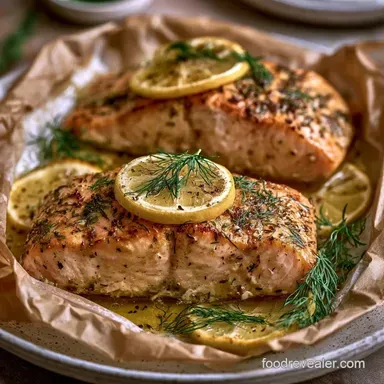
Flaky Salmon in Parchment with Lemon
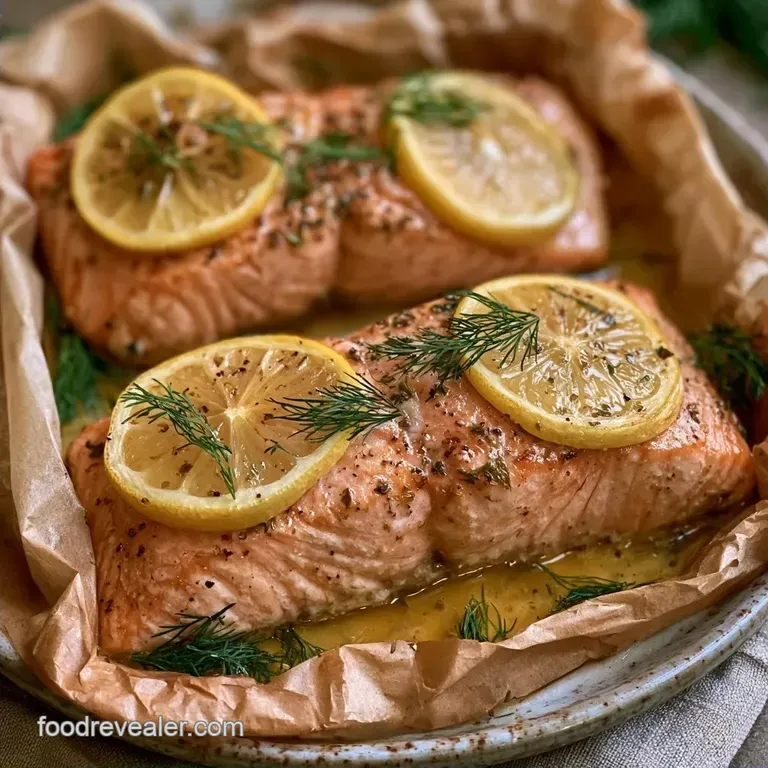
- Time: 10 min active + 15 min bake
- Flavor/Texture Hook: Buttery, tender fish with snappy, garlic kissed veggies
- Perfect for: Healthy weeknight dinner with almost zero cleanup
- Salmon in Parchment
- Why This Method Works
- Ingredient Role Breakdown
- Essential Ingredients
- Required Kitchen Gear
- How to Make It
- Pro Tips and Pitfalls
- Troubleshooting Common Issues
- Dietary Adaptations
- Adjusting Serving Sizes
- Common Kitchen Myths
- Storage and Zero Waste
- Presentation Tips
- Recipe FAQs
- 📝 Recipe Card
Salmon in Parchment
That sharp, citrusy scent hits you the second you tear open the paper. I used to think cooking fish in paper was just a fancy restaurant trick to make a basic meal look expensive. I actually believed the myth that this method "boiled" the fish, leaving it bland and mushy.
I spent years avoiding it because I wanted that charred, crusty exterior you get from a pan.
But then I had a Tuesday night where I was exhausted and didn't want to scrub a greasy skillet. I tried this approach, and it changed everything. The fish didn't taste boiled, it tasted concentrated. The butter and lemon fused into a sauce that stayed on the fish instead of evaporating into the oven air.
This recipe is all about efficiency. You get your protein and your greens done at once. No flipping, no splashing oil on the stove, and no stressing about the exact second the fish is done. It's a reliable way to get tender results every single time.
Why This Method Works
- Steam Trap: The folded paper creates a pressurized environment. This forces the moisture back into the fillets, keeping them juicy.
- Fat Infusion: Butter doesn't just sit on top, it melts and bastes the salmon and vegetables simultaneously as the packet heats up.
- Gentle Heat: The paper acts as a buffer. It prevents the direct, harsh heat of the oven from searing the outside before the middle is cooked.
| Feature | Parchment Method | Traditional Roast |
|---|---|---|
| Texture | Tender and moist | Firm with a crust |
| Cleanup | Toss the paper | Scrub the pan |
| Timing | Forgiving | Easy to overcook |
| Flavor | Steamed/Concentrated | Roasted/Caramelized |
Ingredient Role Breakdown
| Ingredient | What It Does | Best Swap |
|---|---|---|
| Unsalted Butter | Adds richness and carries flavor | Ghee or Vegan Butter |
| Lemon Slices | Cuts through the fat with acidity | Lime or Orange |
| Fresh Dill | Adds a bright, herby finish | Fresh Parsley or Tarragon |
| Asparagus | Provides a snappy, earthy base | Thin Green Beans |
Essential Ingredients
- 4 (6 oz / 170g) skinless salmon fillets Why this? Skinless works best for steaming in pouches.
- 4 tbsp (56g) unsalted butter, chilled and sliced into pats Why this? Cold pats melt slowly during the bake.
- 1 large (120g) lemon, thinly sliced into rounds
- 4 sprigs (4g) fresh dill or parsley
- ½ tsp (3g) kosher salt
- ¼ tsp (1g) cracked black pepper
- 1 lb (450g) thin asparagus, woody ends trimmed Why this? Thin stalks cook at the same rate as the fish.
- 1 cup (150g) baby carrots, halved lengthwise
- 2 tbsp (30ml) extra virgin olive oil
- ½ tsp (3g) garlic powder
Required Kitchen Gear
You don't need much for this, but the paper quality matters. Use genuine parchment paper, not wax paper. Wax paper will melt or smoke in a 400°F oven, which is a disaster you don't want.
You'll also need a large baking sheet. Make sure it's big enough that the packets aren't squashed together. If they overlap too much, the steam can't circulate, and you'll end up with cold spots. A pair of tongs is handy for removing the hot packets without tearing them.
How to Make It
- Toss the trimmed asparagus and halved carrots in a bowl with the olive oil and garlic powder. Note: Ensure every vegetable is coated to prevent sticking.
- Lay out four large sheets of parchment paper on your workspace. Spoon a handful of vegetables into the center of each sheet, creating a flat rectangular bed for the fish.
- Place one salmon fillet atop the vegetables. Season with salt and pepper.
- Top each fillet with a pat of butter, two lemon slices, and a sprig of fresh dill.
- Fold the parchment paper in half over the salmon. Starting at one corner, make small, tight overlapping folds along the edge to create a half moon seal. Press firmly to ensure no steam can escape.
- Place the packets on a baking sheet and bake at 400°F (200°C) for 12-15 minutes until the parchment puffs up and the salmon reaches an internal temperature of 135°F (57°C).
Chef Tip: If you have a small leak in your fold, just put a small piece of extra parchment over the hole and crimp it down. It's better to have an ugly packet than a dry fish.
Pro Tips and Pitfalls
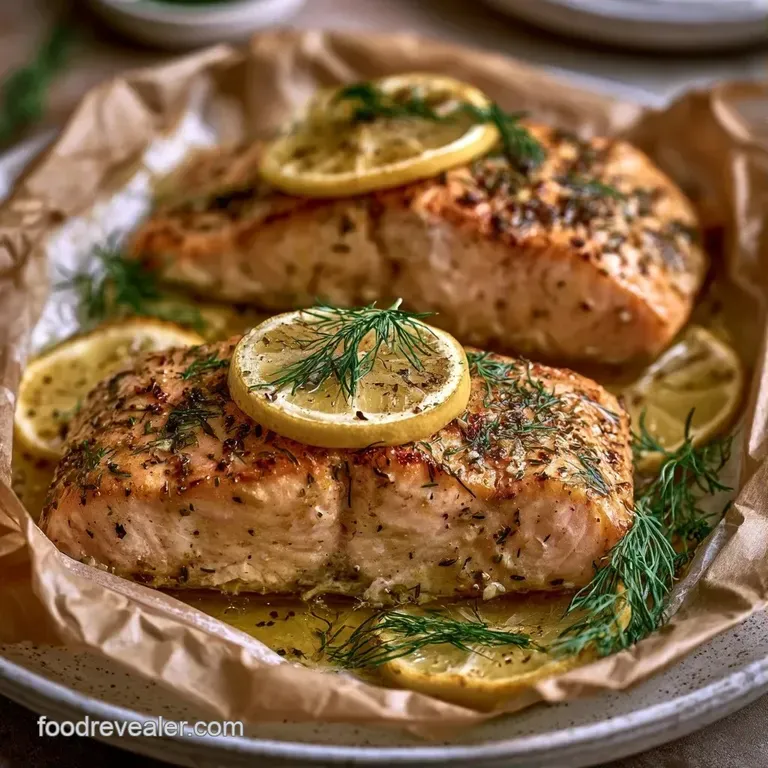
If you're worried about the fish being too plain, try adding a splash of white wine or a teaspoon of capers inside the pouch before sealing. This adds a briny depth that pairs well with the butter. If you prefer a different style of meal, you can always try an easy sheet pan salmon dinner for a more roasted finish.
Another trick is to slice your carrots very thin. If the carrots are too thick, they'll still be hard when the salmon is perfectly cooked. Halving them lengthwise, as mentioned in the steps, solves this.
Troubleshooting Common Issues
| Issue | Solution |
|---|---|
| Why Your Pouch Leaks | Leaks happen when the folds are too loose or the paper is too thin. When steam escapes, the fish dries out and you lose that rich butter sauce. Ensure your folds are tight and overlapping. |
| Why Vegetables Stay Hard | This usually happens if the vegetables are too thick or piled too high. Keep the vegetable bed flat and use thin cut asparagus. |
| Why Fish Seems Underdone | The internal temperature is the only real truth here. If the paper is puffed but the fish is too raw, your oven might be running cool. Give it another 2 minutes. |
Dietary Adaptations
If you're avoiding dairy, the butter swap is easy. Use a high-quality vegan butter or just add an extra tablespoon of olive oil. The oil won't be as creamy, but it still carries the lemon and dill flavors perfectly.
For a low carb version, this Salmon in Parchment is already pretty lean. You can swap the baby carrots for sliced zucchini or cauliflower florets. Just be mindful that zucchini releases more water, so your sauce will be thinner.
If you want a more Mediterranean vibe, swap the dill for fresh oregano and add a few kalamata olives. If you're looking for other ways to pair your fish, an oven baked salmon with veggies is a great alternative for larger crowds.
Adjusting Serving Sizes
Scaling Down (2 Servings): Use two sheets of parchment and half the vegetables. Since you have more room on the pan, the air flows better. Reduce the bake time by about 1-2 minutes, as the smaller load in the oven heats up faster.
Scaling Up (8 Servings): Work in batches. Do not crowd a single baking sheet with 8 packets, or you'll create a steam cloud that drops the oven temperature. Use two separate sheets. Increase the salt and garlic powder to 1.5x, but keep the butter per fillet the same.
Common Kitchen Myths
Searing meat or fish does not "seal in the juices." This is a common misconception. Searing creates flavor and texture on the surface, but moisture loss happens regardless of how you start the cook. In this recipe, the parchment does the job of preserving moisture, not a sear.
Another myth is that you need expensive, thick fillets for this to work. While center cut is nice, the steaming process is actually very forgiving. Even slightly thinner tails work well in Salmon in Parchment because the steam prevents them from overcooking as quickly as they would in a pan.
Storage and Zero Waste
Storage Guidelines: Let the fish cool inside the packet for a few minutes, then transfer it to an airtight container. It stays fresh in the fridge for up to 2 days. When reheating, avoid the microwave if possible.
Instead, put the fillet back in a small piece of foil with a teaspoon of water and heat at 300°F (150°C) for 8-10 minutes.
Freezing: I don't recommend freezing the cooked fish. The texture of the vegetables becomes grainy and the salmon can get rubbery. It's best enjoyed fresh.
Zero Waste Tips: Don't toss those carrot tops. Blend them with olive oil, lemon juice, and a pinch of salt to make a bright green pesto. It tastes great on the leftover salmon the next day. Also, save any leftover lemon wedges in the freezer for future recipes.
Presentation Tips
The best part of Salmon in Parchment is the reveal. Instead of plating the fish in the kitchen, bring the puffed up packets directly to the table on a wooden board or a platter.
The Table Side Reveal
Give each guest their own packet. Let them cut the paper open themselves. The sudden burst of steam and the aroma of lemon and butter make the meal feel like an event. It's a simple way to make a 25 minute meal feel intentional.
Pairing Suggestions
This dish is light, so it needs something to ground it. A side of wild rice or a crusty piece of sourdough bread is perfect for soaking up the butter sauce left in the bottom of the pouch. A crisp glass of Sauvignon Blanc or a sparkling water with lime complements the acidity of the lemon.
Plating for Guests
If you prefer a cleaner look, carefully slide the salmon and vegetables out of the pouch and onto a white plate. Pour the remaining butter sauce from the paper directly over the top of the fish. Garnish with a fresh sprig of dill for a pop of color.
Recipe FAQs
How to bake salmon so it's moist?
Seal the fish in a parchment pouch. This traps steam and butter, poaching the salmon in its own juices to prevent drying.
How long does it take to bake 3 lb of salmon?
Bake for 12 15 minutes at 400°F (200°C). Since each fillet is cooked in its own individual packet, the total weight doesn't increase the cooking time.
How can you make salmon in parchment without making a mess?
Create tight, overlapping folds along the edges. This forms a secure half moon seal that prevents juices and butter from leaking onto the baking sheet.
How to keep salmon from sticking when baking?
Toss your vegetables in olive oil before placing the fish on top. The oil creates a natural barrier between the salmon and the parchment paper.
How to cook a salmon fillet in an oven?
Place the fillet on a bed of seasoned vegetables, seal it in parchment, and bake at 400°F (200°C) for 12 15 minutes. For a more direct approach, you can also use a salt pepper method.
How to bake salmon steaks in an oven?
Follow the same parchment pouch method at 400°F (200°C). Just ensure the steaks are of similar thickness to the fillets to maintain the 12 15 minute window.
How to cook/bake salmon and make it taste delicious?
Top each fillet with butter, lemon slices, and fresh dill. The combination of fat and acidity steams into the meat, creating a rich, restaurant quality flavor.
Salmon In Parchment