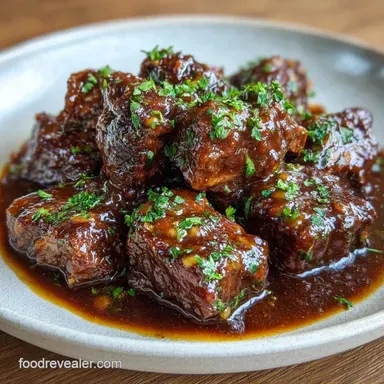
Beef Stew for 30: Tender and Hearty
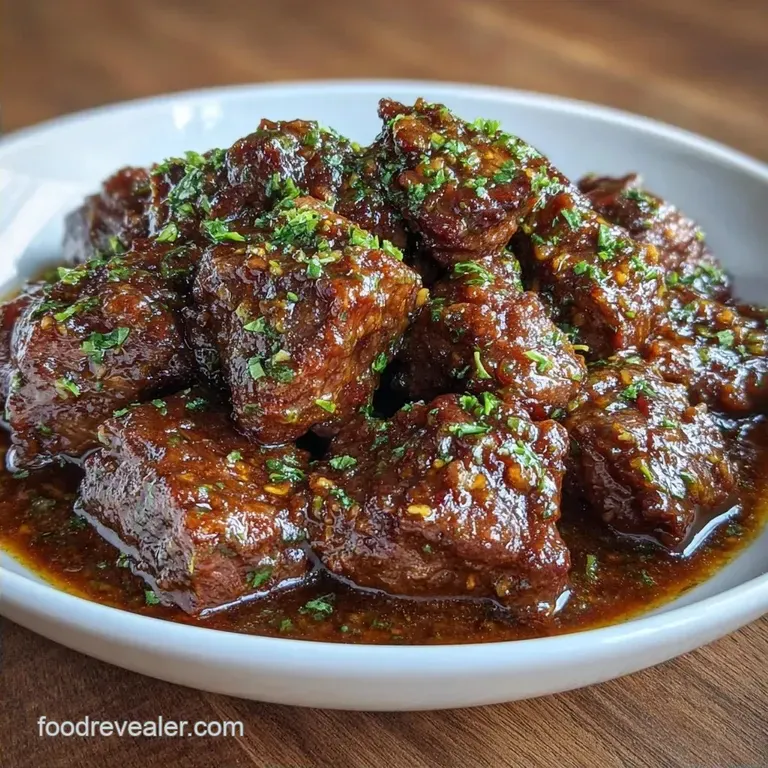
- Time:40 minutes active + 3 hours cooking
- Flavor/Texture Hook: Velvety gravy with beef that melts in your mouth
- Perfect for: Church potlucks, family reunions, or winter crowd feeders
- Beef Stew for 30 People
- The Secret to Better Flavor
- Component Analysis
- Gathering Your Essentials
- Gear You'll Need
- Step by Step Process
- Fixing Common Stew Issues
- Troubleshooting Common Issues
- Taste Variations to Try
- Adjusting the Batch Size
- Debunking Stew Myths
- Keeping Leftovers Fresh
- Serving Your Feast
- High in Sodium
- Recipe FAQs
- 📝 Recipe Card
Beef Stew for 30 People
That aggressive sizzle when a cube of beef hits hot oil is the sound of victory. I remember the first time I tried to feed a huge group with a stew. I just dumped everything into one giant pot, thinking "more is better." The result?
The beef was grey and rubbery, and the carrots had basically dissolved into a baby food puree. It was a total disaster that left me dreading big batch cooking for a long time.
The secret is treating a massive pot like a series of small meals. You can't just crowd the pan. When you overload a pot, the meat steams instead of searing, and you lose that deep, savory crust. This recipe fixes that by forcing a batch sear approach.
It takes a bit more patience, but the difference in flavor is night and day.
We're going for a classic, soul satisfying vibe here. You can expect a rich, dark broth that smells of red wine and fresh thyme. This Beef Stew for 30 is designed to be stress free once the prep is done, allowing you to actually hang out with your guests instead of sweating over the stove the entire night.
The Secret to Better Flavor
The Batch Sear: Searing meat in small groups prevents the pot temperature from dropping. This ensures the beef browns quickly and creates a crust of flavor rather than boiling in its own juices.
Fond Development: Those brown bits stuck to the bottom of the pot are flavor gold. Deglazing with wine lifts these particles back into the sauce, creating a complex, savory base.
Staggered Veggies: Adding root vegetables in the final hour prevents them from overcooking. This keeps the potatoes chunky and the carrots tender but firm.
Collagen Breakdown: Cooking beef chuck at a low simmer for 3 hours turns tough connective tissue into gelatin. This is what gives the sauce its velvety mouthfeel.
| Total Guests | Beef Amount | Liquid Volume | Pot Size Needed |
|---|---|---|---|
| 10 People | 4 lbs | 6 cups broth/2 cups wine | 8-10 Quarts |
| 20 People | 8 lbs | 12 cups broth/4 cups wine | 12-16 Quarts |
| 30 People | 12 lbs | 18 cups broth/6 cups wine | 20 Quarts |
| 40 People | 16 lbs | 24 cups broth/8 cups wine | 24-30 Quarts |
Component Analysis
| Ingredient | Science Role | Pro Secret |
|---|---|---|
| Beef Chuck | Collagen source | Look for heavy white marbling for the best melt |
| Tomato Paste | Umami booster | Fry it until it turns rust colored to remove the "raw" tin taste |
| Red Wine | Acid balance | Use a dry red like Cabernet to cut through the fat |
| Yukon Gold | Starch stability | These hold their shape better than Russets in long simmers |
Gathering Your Essentials
For a batch this size, you need ingredients that can stand up to long cooking times. Don't be tempted to use "stew meat" pre cut from the store, as it's often a mix of different scraps that cook at different rates. Buy whole chuck roast and cut it yourself.
- 12 lbs beef chuck roast, cut into 1 inch cubes Why this? High collagen makes it tender
- 1 cup vegetable oil Why this? High smoke point for searing
- 4 tbsp all purpose flour Why this? Thickens the gravy naturally
- 2 tbsp salt
- 2 tbsp black pepper
- 4 large yellow onions, diced
- 8 tbsp unsalted butter Why this? Adds a silky finish to the aromatics
- 12 cloves garlic, minced
- 6 tbsp tomato paste Why this? Adds depth and color
- 4 tbsp smoked paprika Why this? Adds a subtle woodsy note
- 6 cups dry red wine Why this? Deglazes and adds acidity
- 12 cups low sodium beef broth Why this? Control your own salt levels
- 4 bay leaves
- 4 sprigs fresh thyme
- 2 tbsp Worcestershire sauce Why this? Anchors the savory profile
- 5 lbs Yukon Gold potatoes, cut into 1 inch chunks
- 3 lbs carrots, sliced into thick rounds
- 3 cups frozen peas Why this? Keeps color bright
- 2 tbsp fresh parsley, chopped
Quick Substitutions
| Original Ingredient | Substitute | Why It Works |
|---|---|---|
| Red Wine (6 cups) | Beef Broth + 2 tbsp Balsamic | Similar acidity. Note: Lacks the complex fruit notes of wine |
| Yukon Gold Potatoes | Parsnips or Turnips | Similar texture. Note: Adds a more peppery, earthy flavor |
| Beef Chuck | Beef Shoulder | Similar fat content. Note: Slightly leaner, might need more liquid |
Gear You'll Need
You can't make a Beef Stew for 30 in a standard kitchen pot. You need a 20 quart stockpot with a heavy bottom. If the bottom is too thin, the tomato paste and flour will burn during the searing phase. I usually use a stainless steel pot, but a heavy duty enamel cast iron one works even better for heat distribution.
You'll also need a large rimmed baking sheet to hold the seared beef. Trying to move 12 pounds of meat with a slotted spoon is a recipe for a wrist cram migraine. Get a sturdy wooden spoon or a heat resistant spatula for scraping the fond.
Step by step Process
Phase 1: The Strategic Sear
Pat the beef cubes completely dry with paper towels. This is non negotiable. If the meat is wet, it will steam and you'll never get that mahogany crust. Toss the meat with flour, salt, and pepper until lightly coated.
Heat oil in your 20 quart stockpot over medium high heat. Working in 4-5 separate batches, sear the beef until a mahogany colored crust forms on all sides. Do not crowd the pot. Remove the beef to a platter and set aside. This should take about 30-40 minutes total.
Phase 2: Building the Flavor Foundation
Lower the heat to medium. Melt butter into the remaining beef fat in the pot. Add diced onions and sauté until they are translucent and smelling sweet.
Stir in minced garlic, tomato paste, and smoked paprika. Cook for 3 minutes until the paste turns a deep rust color. This removes the metallic taste of the paste and concentrates the sugars.
Phase 3: The Controlled Braise
Pour in the red wine. Use your spoon to scrape all the browned bits (fond) from the bottom of the pot. Let the wine simmer for 5 minutes to reduce slightly.
Return the seared beef and any juices on the platter to the pot. Add beef broth, bay leaves, thyme, and Worcestershire sauce. Bring the liquid to a gentle simmer, then cover and braise for 2 hours. You want a slow bubble, not a rolling boil.
Phase 4: The Final Integration
Add the potatoes and carrots. Cover and cook for another hour until the beef is fork tender and the carrots are soft but not falling apart.
Just before serving, stir in the frozen peas and chopped parsley. The residual heat will cook the peas in about 2 minutes, keeping them a vibrant green.
Chef's Note: If you're serving this as part of a larger spread, consider starting it with some Cheese Ball appetizers to keep the crowd happy while the stew simmers.
Fixing Common Stew Issues
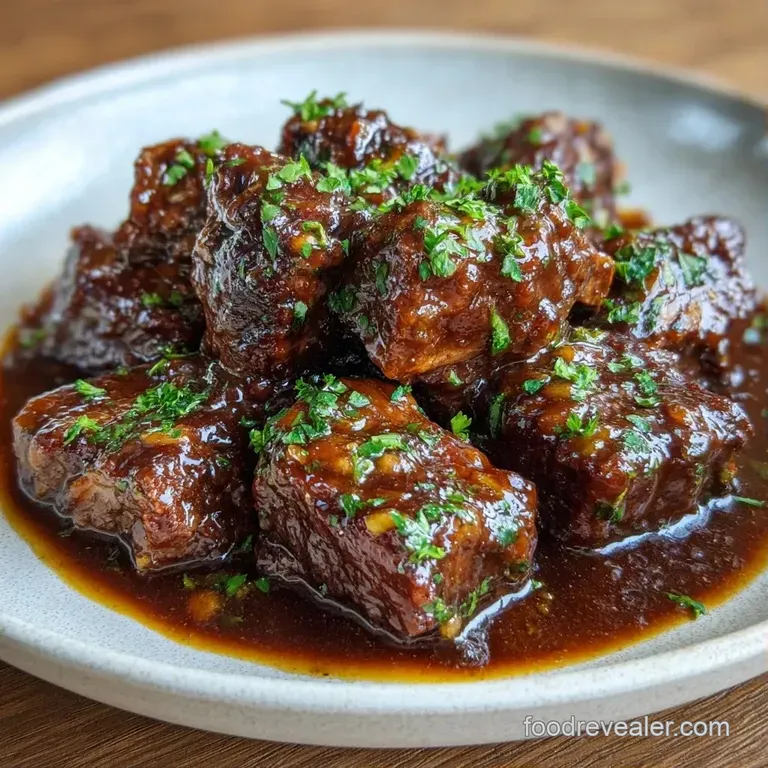
Troubleshooting Common Issues
| Issue | Solution |
|---|---|
| Why Your Stew Is Too Thin | If your gravy looks more like soup than stew, it's usually because the flour didn't fully integrate or the beef wasn't seared long enough. |
| Why Your Meat Is Tough | Tough meat usually happens if the heat was too high. When beef boils aggressively, the muscle fibers tighten up and squeeze out the moisture. Always keep it at a low simmer. |
| Why Your Veggies Are Mushy | This happens when potatoes and carrots are added at the start. They simply cannot survive a 3 hour braise. Always add them in the final 60 minutes. |
Common Mistakes Checklist
- ✓ Patted beef dry before flouring
- ✓ Searing done in 5 separate batches
- ✓ Deglazed the pot to capture the fond
- ✓ Added root vegetables only in the last hour
- ✓ Maintained a simmer, not a boil
Taste Variations to Try
If you want to move away from the traditional profile, you can easily tweak this Beef Stew for 30. For a pub style version, add a tablespoon of brown sugar and a splash of Guinness instead of red wine. This creates a darker, slightly sweeter gravy.
For a root vegetable feast, swap the Yukon Golds for a mix of parsnips, turnips, and rutabaga. These earthy flavors pair beautifully with the smoked paprika. If you're avoiding gluten, you can replace the all purpose flour with a cornstarch slurry added at the end.
If you're planning a huge holiday meal, this hearty stew can be paired with a bright, acidic side like my homemade cranberry sauce to cut through the richness of the beef.
Adjusting the Batch Size
Scaling Down
If you only need to feed 15 people, simply halve all the ingredients. Use a 10 quart pot instead of the 20 quart. You can reduce the searing time since you'll have fewer batches, and the total braising time usually stays the same, though you should start checking the meat for tenderness at the 2 hour mark.
Scaling Up
When going up to 40 or 50 people, don't just double the salt and spices. Increase salt and smoked paprika to only 1.5x the amount first, then taste and adjust. Liquids should be reduced by about 10% because larger volumes of liquid evaporate more slowly.
You'll definitely need to work in more batches for the searing phase to avoid steaming the meat.
Baking Alternative
If you have a massive oven safe Dutch oven or roasting pan, you can braise this in the oven at 325°F (160°C). The heat is more surround sound than a stovetop, which often results in a more consistent tenderness. Just ensure the pot is tightly covered with a lid or double foil.
Debunking Stew Myths
Myth: Searing seals in the juices. This is one of the biggest lies in the kitchen. Searing doesn't create a waterproof barrier. In fact, the meat loses more moisture during the sear. The reason we do it is for the flavor.
The browning creates new, complex taste molecules that you just can't get from boiling.
Myth: High heat makes the meat cook faster and better. Actually, high heat is the enemy of beef chuck. If you boil the stew, the collagen turns into rubber instead of gelatin. Low and slow is the only way to get that melt in-your mouth texture.
Myth: You must use expensive wine. Please, don't waste a $50 bottle of Cabernet on a stew. The long simmering process breaks down the delicate notes of expensive wines. A decent, budget friendly dry red is all you need.
Keeping Leftovers Fresh
This Beef Stew for 30 actually tastes better the next day because the flavors have more time to marry. Store it in airtight containers in the fridge for up to 4 days.
For the freezer, let the stew cool completely before transferring it to freezer safe bags or containers. It will stay good for 3 months. When you're ready to eat it, thaw it in the fridge overnight.
Zero Waste Tips Don't toss your onion skins and carrot peelings. Put them in a freezer bag and use them the next time you make a homemade beef stock. If you have leftover beef and gravy but no veggies, you can serve it over toasted sourdough or mashed potatoes for a quick "beef tips" dinner.
Serving Your Feast
When you're ready to put this Beef Stew for 30 on the table, presentation matters. Instead of just scooping it into bowls, ladle the stew over a scoop of buttery mashed potatoes or a thick slice of toasted rye bread.
The aroma of the fresh parsley and thyme should hit the guests before the bowl even reaches them. Serve it with a side of crusty baguette to soak up every drop of that mahogany gravy.
Decision Shortcut
- If you want a thicker gravy, simmer uncovered for the last 30 minutes.
- If you want more acidity, stir in 1 teaspoon of lemon juice right before serving.
- If you want a smoky depth, double the smoked paprika.
High in Sodium
1120 mg 1,120 mg of sodium per serving (49% 49% of daily value)
The American Heart Association recommends a daily sodium limit of 2,300mg, with an ideal limit of 1,500mg for most adults to reduce the risk of cardiovascular disease.
Tips to Reduce Sodium
-
Upgrade the Broth-30%
Replace the low-sodium beef broth with homemade unsalted beef stock or water combined with extra aromatics to drastically cut salt.
-
Reduce Added Salt-25%
Cut the 2 tablespoons of salt by half or remove it entirely, as the broth and Worcestershire sauce already contribute significant sodium.
-
Swap the Sauce-20%
Replace the Worcestershire sauce with balsamic vinegar or a dash of apple cider vinegar to provide the same acidity and depth with less sodium.
-
Salt Free Tomato Paste-10%
Use no-salt added tomato paste instead of the standard version to reduce hidden sodium in the sauce base.
-
Boost Natural Aromatics
Double the amount of fresh thyme, parsley, and minced garlic to enhance the flavor profile without adding any sodium.
Recipe FAQs
How much beef is needed for 30 people?
12 lbs of beef chuck roast. Cut the meat into 1 inch cubes to ensure a consistent bite and even cooking across the large batch.
How many pounds of stew meat for 20 people?
8 lbs of beef chuck roast. This amount provides a generous portion of meat for each guest while keeping the stew hearty.
How much stew meat should I use for 8-10 people?
3 to 4 lbs of beef chuck roast. This quantity maintains the proper balance between the beef and the root vegetables for a smaller group.
How to make beef stew for 12 people?
Scale the ingredients to 40% of the full recipe. Use a smaller pot and follow the same searing and braising steps to preserve the deep mahogany flavor.
Why is my beef stew meat tough?
Maintain a low simmer during the braise. If the beef boils aggressively, the muscle fibers tighten and squeeze out moisture, resulting in a chewy texture.
Why are my potatoes and carrots mushy?
Add root vegetables during the final hour of cooking. These vegetables cannot survive the full 180-minute cook time and will disintegrate if added too early.
What is the best side dish for this beef stew?
Serve with crusty bread or a savory appetizer. The rich, bold flavors of the braise pair well with earthy sides, much like the profile of stuffed mushrooms.
Hearty Beef Stew For 30