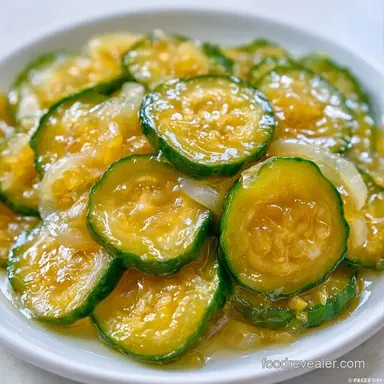
Preserved Bread and Butter Pickles with Apple Cider Vinegar
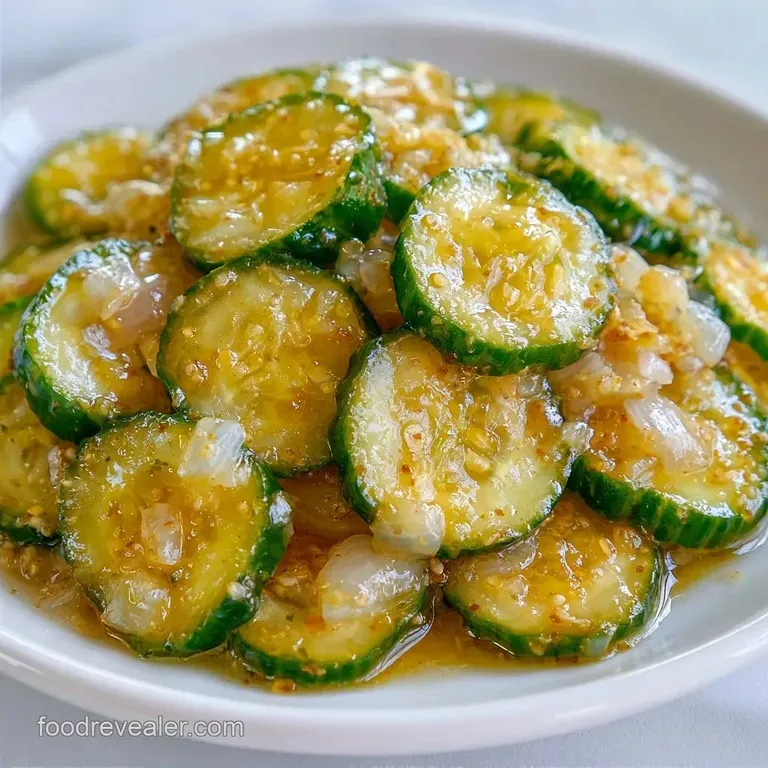
- Time: 210 min active + 5 min cook
- Flavor/Texture Hook: Sweet tart snap with a golden glow
- Perfect for: Pantry stocking, burger nights, and deli style platters
A pungent, vinegary aroma fills the air as soon as the brine reaches a boil, evoking memories of backyard gardens and traditional pantries. Early attempts without the ice bath resulted in soggy, limp slices that lacked any character a disappointing outcome.
Now, the preparation is a mindful ritual. There is a distinct pleasure in the crisp snap of a Kirby cucumber being sliced. These aren't the syrup heavy versions found in stores; instead, we're aiming for a harmony of vivid acidity and deep, earthy sweetness.
You'll get a vibrant golden hue and a satisfying snap that resists the bite. These Preserved Bread and Butter Pickles rely on the precise tension between salt, sugar, and vinegar.
Why This Recipe Works
The Ice Bath: Salt and ice water draw out excess moisture from the cucumber cells. This tightens the structure and keeps them from turning into mush during canning.
Brown Sugar: Using brown instead of white sugar adds a hint of molasses. It gives the brine a deeper, more complex flavor that balances the sharp cider vinegar.
| Method | Time | Texture | Best For |
|---|---|---|---|
| Fresh/Fridge | 30 mins | Ultra crisp | Immediate eating |
| Canned | 215 mins | Balanced snap | Long term storage |
The contrast here is key. Fresh pickles are great for a quick snack, but the canning process allows the spices to really penetrate the vegetable. It turns a simple cucumber into something that tastes like it's been aging in a cellar for months.
Gear for the Job
You need a large non reactive bowl. Glass or stainless steel works best. Avoid aluminum because the vinegar and salt will react with the metal and leave a metallic taste in your food.
A heavy bottomed saucepan is a must for the brine. This prevents the sugar from scorching on the bottom when it hits the heat. You'll also need a colander for rinsing and a few pint sized canning jars with new lids.
The Building Blocks
The base of this recipe is the Kirby cucumber. These are shorter, thicker, and have a tougher skin than slicing cucumbers, which is exactly what we want for a crunch. The white onion adds a savory, sharp note that cuts through the sweetness.
Apple cider vinegar provides a fruitier, softer acidity than distilled white vinegar. Then there is the brown sugar, which creates that iconic "bread and butter" profile. The mustard and celery seeds add a savory depth, while turmeric gives them that classic gold color.
Recipe Specs
- Prep time
- 210 minutes
- Cook time
- 5 minutes
- Total time
- 215 minutes
- Yield
- 6 Pint sized jars
From Prep to Plate
Achieving the Crunch
- Cut 5 lbs of Kirby cucumbers into 1/4 inch rounds. Combine them with 2 cups of thinly sliced white onion in a large glass bowl.
- Stir in 1/2 cup pickling salt and cover the vegetables with 2 quarts of ice water. Note: This draws out moisture to ensure a firmer texture.
- Allow the mixture to sit for 3 hours.
- Drain using a colander and rinse thoroughly with cold water until the surface salt is gone.
Simmering the Brine
- In a saucepan, mix 3 cups apple cider vinegar, 2 cups brown sugar, 2 tbsp pickling salt, 1 tbsp mustard seeds, 1 tsp celery seeds, and 1/2 tsp turmeric.
- Simmer for 5 minutes until the sugar dissolves and the liquid bubbles.
Jarring and Sealing
- Pack the rinsed onion and cucumber mix into clean pint jars.
- Pour the hot brine over the contents, leaving roughly 1/2 inch of headspace.
- Wipe the jar rims clean and seal the lids tightly.
Chef's Tip: For a more robust flavor, add a pinch of crushed red pepper to the brine before heating. It adds a subtle warmth without making the pickles spicy.
Avoiding Kitchen Disasters
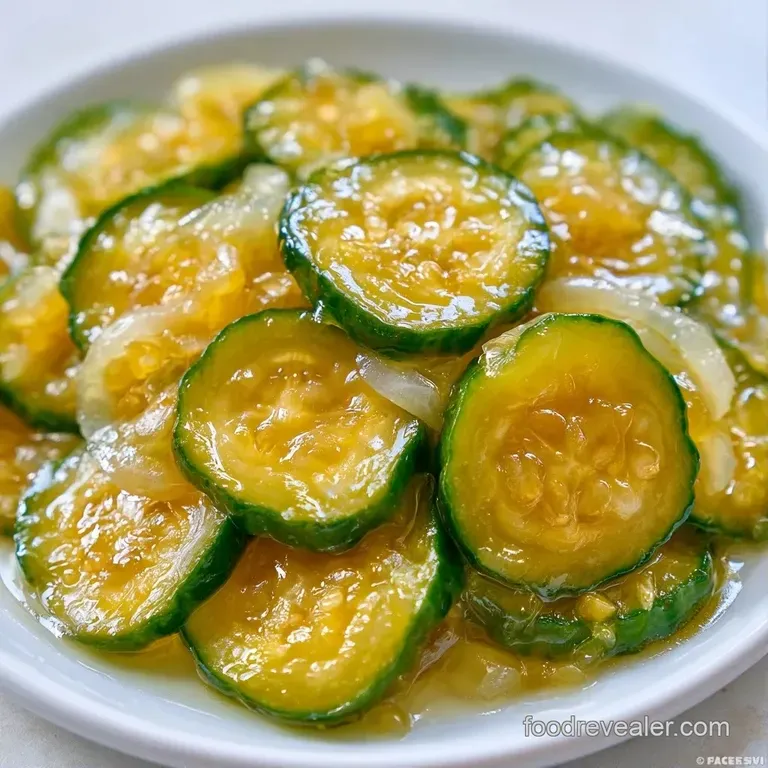
Soft Pickles
This usually happens if you use English cucumbers or skip the salt soak. Slicing cucumbers have too much water and thinner skins. Stick to Kirby cucumbers and don't cheat on the 3 hour ice bath.
Seal Issues
If your lids don't pop or seal, the rims were probably dirty. A tiny bit of sugar or salt on the rim prevents a vacuum seal. Wipe the edges with a clean, damp cloth before twisting the lid on.
Cloudy Brine
Cloudiness often comes from impurities in the water or too much turmeric. It doesn't affect the taste or safety. However, using filtered water usually keeps the liquid clear and glossy.
Storage and Waste
Keep these in a cool, dark area like a pantry for up to one year. Once opened, store the jar in the refrigerator for about a month. To ensure they remain safe and fresh, always follow proper canning procedures.
Save the remaining brine; it functions as a flavored vinegar. You can use it to marinate grilled chicken or stir it into a dressing for a cold potato salad. You can even finely dice the cucumber scraps to add to a relish.
Flavor Variations to Try
For an Asian fusion twist, swap the celery seeds for a teaspoon of toasted sesame seeds and add a slice of fresh ginger to each jar. This adds a bright, aromatic note that works great with stir fry bowls.
If you like a bit of heat, add thinly sliced jalapeños during the packing stage. The sweetness of the brown sugar balances the spice beautifully. These spicy Preserved Bread and Butter Pickles cut right through the richness of a Honey Butter Sourdough toast.
For those who prefer a different sweetness, you can use honey instead of brown sugar. Note that honey makes the brine a bit thicker and changes the color to a deeper amber.
What to Serve This With
These pickles are the best companion for anything fatty or rich. Put them on a smash burger with melted American cheese and a swipe of mayo. The acidity cleanses the palate between bites.
They also work as a side for a classic roast pork sandwich or a platter of sharp cheddar and smoked gouda. If you're serving a big spread, put them next to some salty pretzels and olives.
After you've had your fill of salty and tangy, I usually lean toward something sweet for dessert. A slice of New Orleans Bread Pudding provides a great contrast to the vinegar snap of the pickles.
Common Misconceptions
Searing the cucumbers in butter first does not make them "better." It actually ruins the texture and makes them soggy. The crunch comes from the cold soak, not from cooking.
Some people think you need a professional pressure canner for these. While helpful for some veg, the high acidity of the apple cider vinegar in this recipe allows for safer processing in a water bath.
Finally, don't believe that adding more sugar makes them last longer. The vinegar is what does the heavy lifting for preservation. Too much sugar can actually make the pickles softer over time.
Final Checkpoints
- - The Soak
- After 3 hours, the cucumbers should appear slightly shrunken and feel flexible yet firm.
- - The Brine
- The liquid should be a smooth, clear, golden yellow, with no remaining sugar crystals.
- - The Seal
- Listen for a sharp "pop" as the jars cool and the vacuum seal is created.
Now you're all set. Just remember to be patient during the soaking stage. It's the most tedious part of the recipe, but it's the only way to ensure that signature snap. Trust me on this.
Recipe FAQs
How to make bread and butter pickles?
Slice cucumbers and onions, then soak them in salt and ice water for 3 hours. Simmer a brine of apple cider vinegar, brown sugar, and spices for 5 minutes before combining.
Can I make sweet pickles without canning?
Instead of canning, feel free to keep them in the fridge. If you enjoyed getting the acid balance just right, check out our blender hollandaise to see a similar technique in action.
Are bread and butter pickles healthy?
They are low in calories at 31 kcal per serving. However, they contain significant amounts of sugar and salt from the brine.
Is it true that bread and butter pickles are fermented?
Surprisingly, no. These are pickled using vinegar and sugar rather than a natural lactic acid fermentation process.
Would omitting turmeric change the result?
Yes, the recipe still works without it. You will simply lose the characteristic golden yellow color.
Why do cucumbers need to soak in salt?
This process removes excess moisture to ensure the pickles stay crunchy. It prevents the vinegar brine from becoming diluted.
Do these pickles need to be refrigerated before opening?
No, and here's why. Properly canned jars can stay in a cool, dark pantry for up to a year.
Preserved Bread And Butter Pickles